The 'sea nomads' label has done more harm than good. A visit to Mola makes clear why the past tense never fit, and what the village is doing now.
The label that travel writing keeps reaching for is "sea nomads." It is the wrong tense and it was always the wrong frame. The Bajau Laut of southeast Sulawesi did spend long stretches of the twentieth century on small lepa-lepa houseboats, moving between reefs and beaches across the Sulu and Sulawesi seas. Most of them now live in two large stilt villages on the south coast of Wangi-Wangi, the main island of the Wakatobi group. Mola Selatan and Mola Utara together hold more than ten thousand people. Children go to school. There is a clinic, a mosque, a market that opens at five in the morning and closes at noon. This is a short visit-guide to the Mola villages, written for travellers who want to see the place without the past tense pulling on the framing.
Where Mola sits and how to visit
Wangi-Wangi is the entry island for Wakatobi National Park, reached by flight from Makassar or Kendari. The town of Wanci is on the north coast; Mola sits forty minutes south by road, on a shallow bay where the stilt houses run two kilometres along the water. The standard visit is a half-day from Wanci with a local guide. Ojek (motorbike taxi) one-way is around €1.50; a car with driver for the half-day, €12.
You do not need permission to walk into Mola. The plank walkways between houses are public space. Two practical rules: stay on the main walkways unless invited onto a porch, and pay the small school-funding contribution (€2.50 a visitor in 2026) at the village office near the mosque on arrival. Both rules are quietly enforced.
A guide is recommended for a first visit. The Wanci tourism office can pair you with someone from Mola itself — these are the guides who can introduce you to families. Outside guides from elsewhere on the island are competent but the Mola residents reasonably prefer that visitors come with one of their own.
What there is to do
Three good things and a long lunch.
Watch the morning market. Mola's market runs along the central walkway from 05:30 to about 10:00, peak at 07:00. The catch comes in from the night boats; rabbitfish, parrotfish, octopus, the occasional small reef shark. Buyers from the Wanci hotels arrive early; by mid-morning what remains is what the village eats.
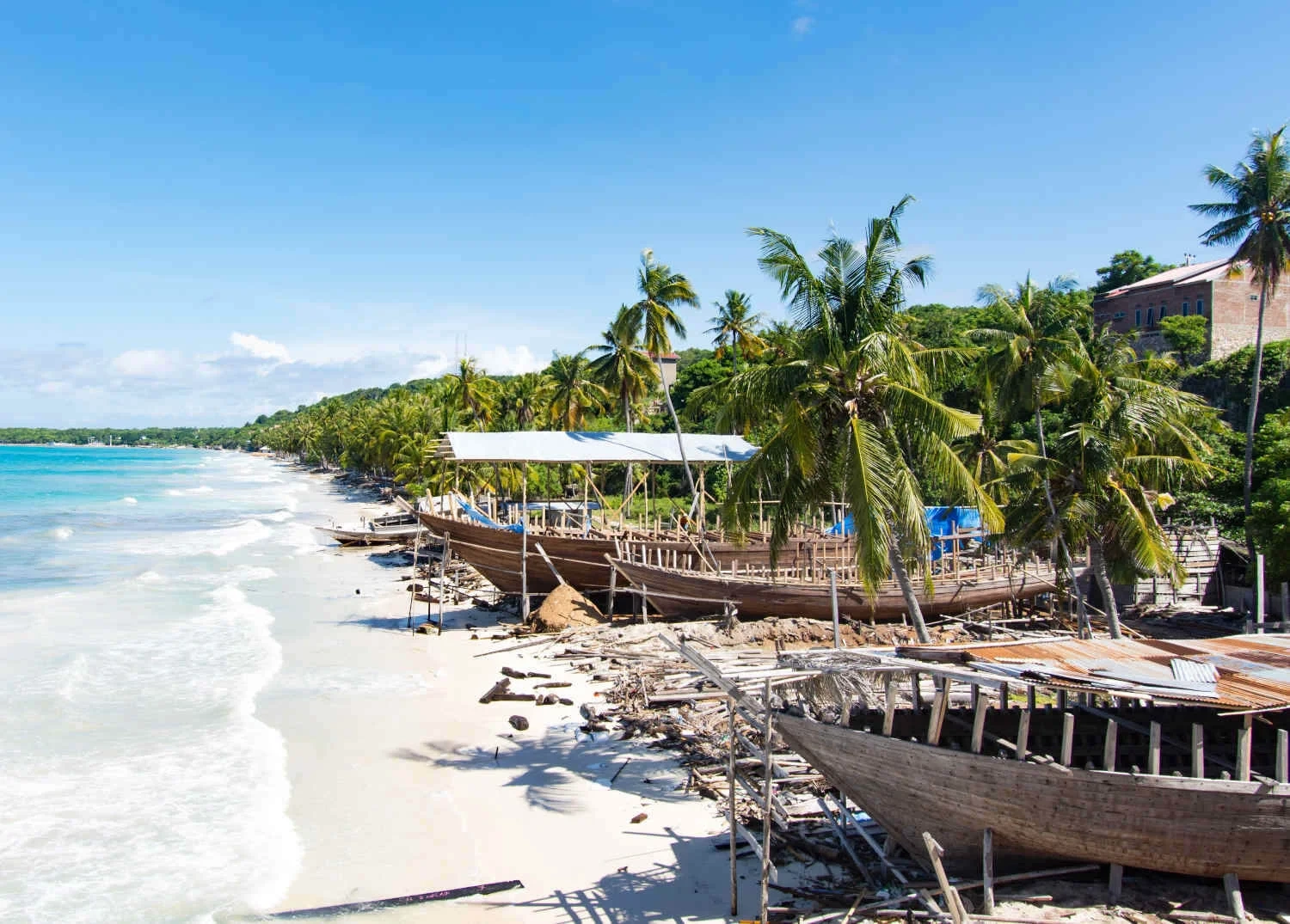
Visit a boatbuilder. A few families still build small wooden boats — jukung and the larger bagang fishing platforms — in the shallows under the houses. A polite ask through the village office can get you onto a working build. Bring nothing; expect to be offered coffee.
See the school. The Mola Selatan elementary school has a project documenting Bajau navigation knowledge — the wind names, the star patterns, the reef vocabulary — with the older fishermen. Visitors can sit in on the recording sessions if the timing falls right and you're introduced. Ask the village office.
Eat lunch at a family kitchen. The village has no restaurants. There are families who will cook for visitors with a few hours' notice — typical price €4 a person, simple grilled fish and rice. The guide arranges it.
The thing not to do
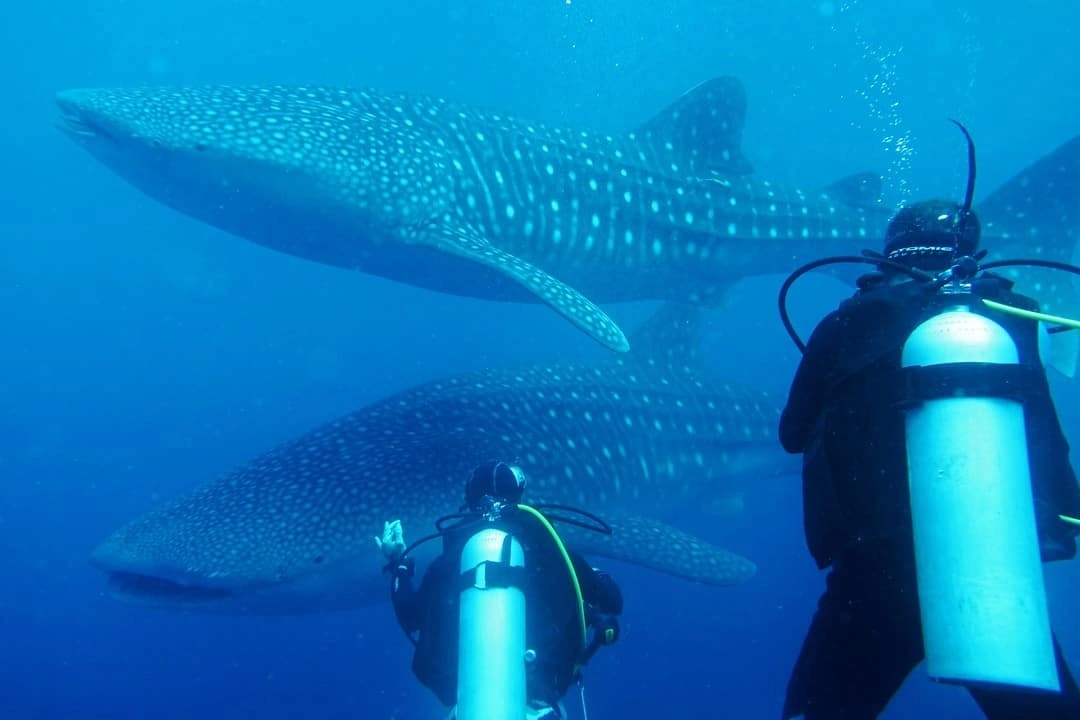
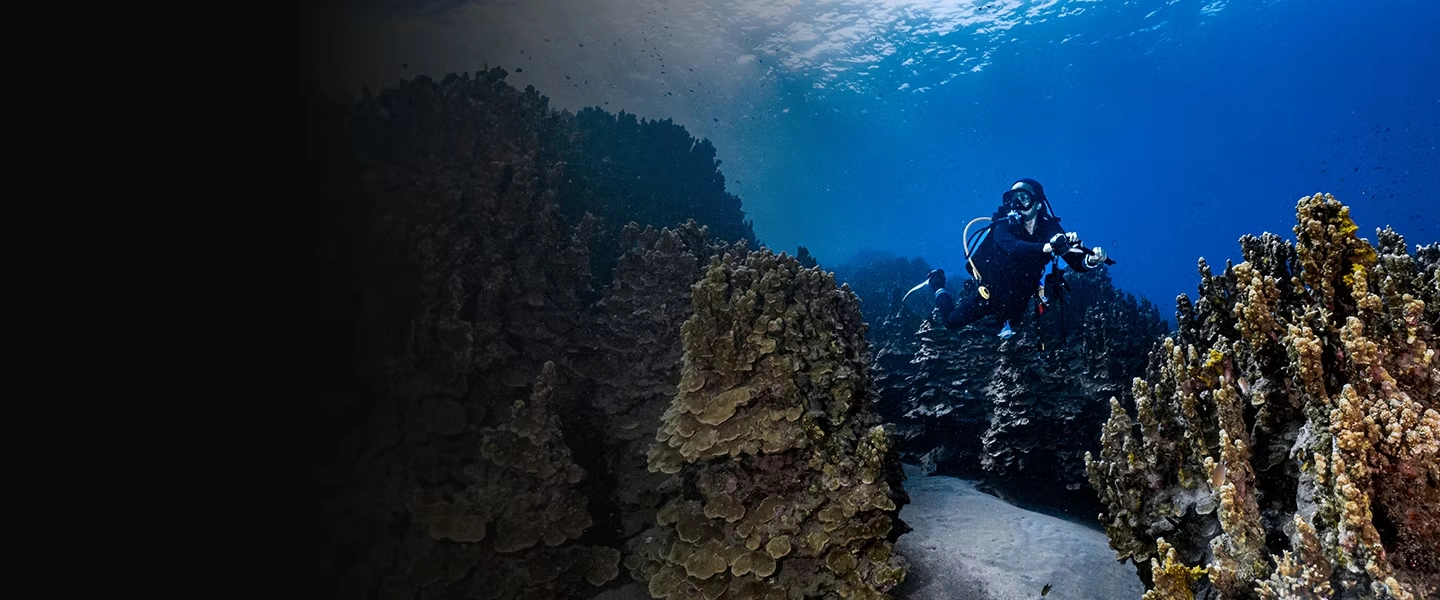
Don't ask about freediving on cue. The deep-freediving capability of certain Bajau individuals is real and well documented, and a recent body of research has examined the genetic basis for it. But the village did not turn into a museum of breath-hold demonstrations the day the documentaries arrived, and the families are exhausted from being asked. If you genuinely want to dive or freedive in the area, talk to one of the small operators in Wanci who hires young Mola men as guides. Diving is a job here; it is not a performance.
Can you visit the Bajau villages at Mola? Yes — Mola Selatan and Mola Utara on Wangi-Wangi Island welcome visitors. Come with an introduced local guide, pay the small village contribution at the office near the mosque, and stay on the main plank walkways. The morning market, working boatbuilders, and family-kitchen lunches are the substance of a half-day visit. Don't ask families for freediving demonstrations.
Where Mola fits in a Wakatobi trip
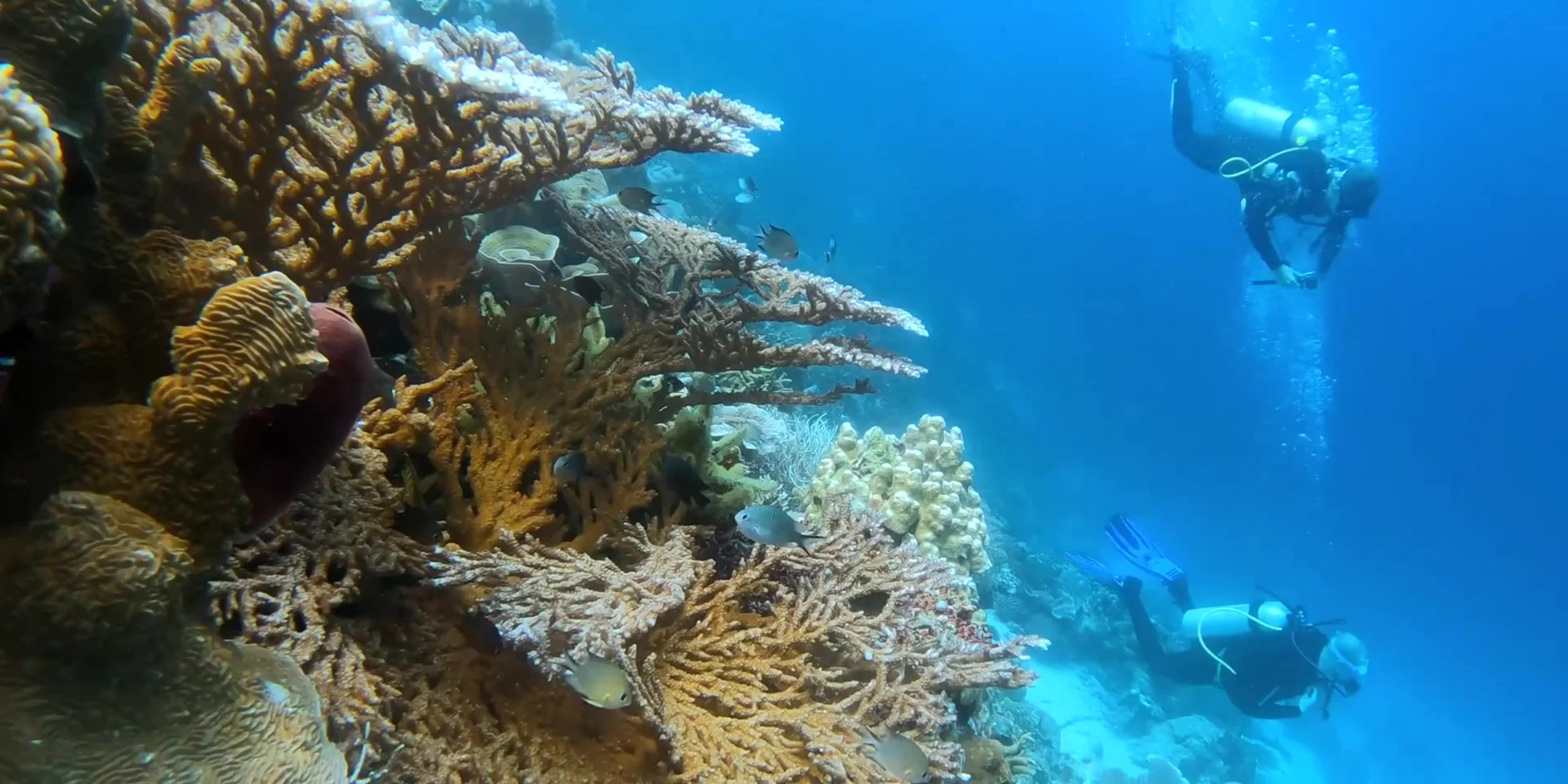
Most Wakatobi visitors are diving, and most of that diving happens further south, on Hoga and Tomia. Mola is a strong half-day on a non-diving day; pair it with the Liya old kraton (the seventeenth-century fortified village inland from Wanci) for a full cultural day on Wangi-Wangi. Two full non-diving days is plenty for the island.
The other practical question is the boat. Some travellers ask about staying in Mola — a homestay night on the stilts. A handful of families do host overnight stays, arranged through the village office. The room is a mattress on the floor of a working family home; the toilet is over the water. It is an experience, but it isn't comfortable, and most travellers find a half-day visit and a Wanci hotel for the night is the better balance.
What's changed
Two things are different in Mola compared to ten years ago. First, the village has a piped-water system to most houses, completed in 2022. Wells are no longer the main morning chore. Second, the school enrollment for Bajau girls is near parity for the first time, which is the change the village elders mention first when asked what's improved. Both changes are worth knowing before reading anything older than five years on the place.