#guide
Tanjung Bira Travel Guide: What's Worth the Stop
بقلم F. Karuna01 Apr7 دقيقة قراءة
The southern tip has the white sand, but most travellers stay a night too many. An honest read on when Bira earns the trip.
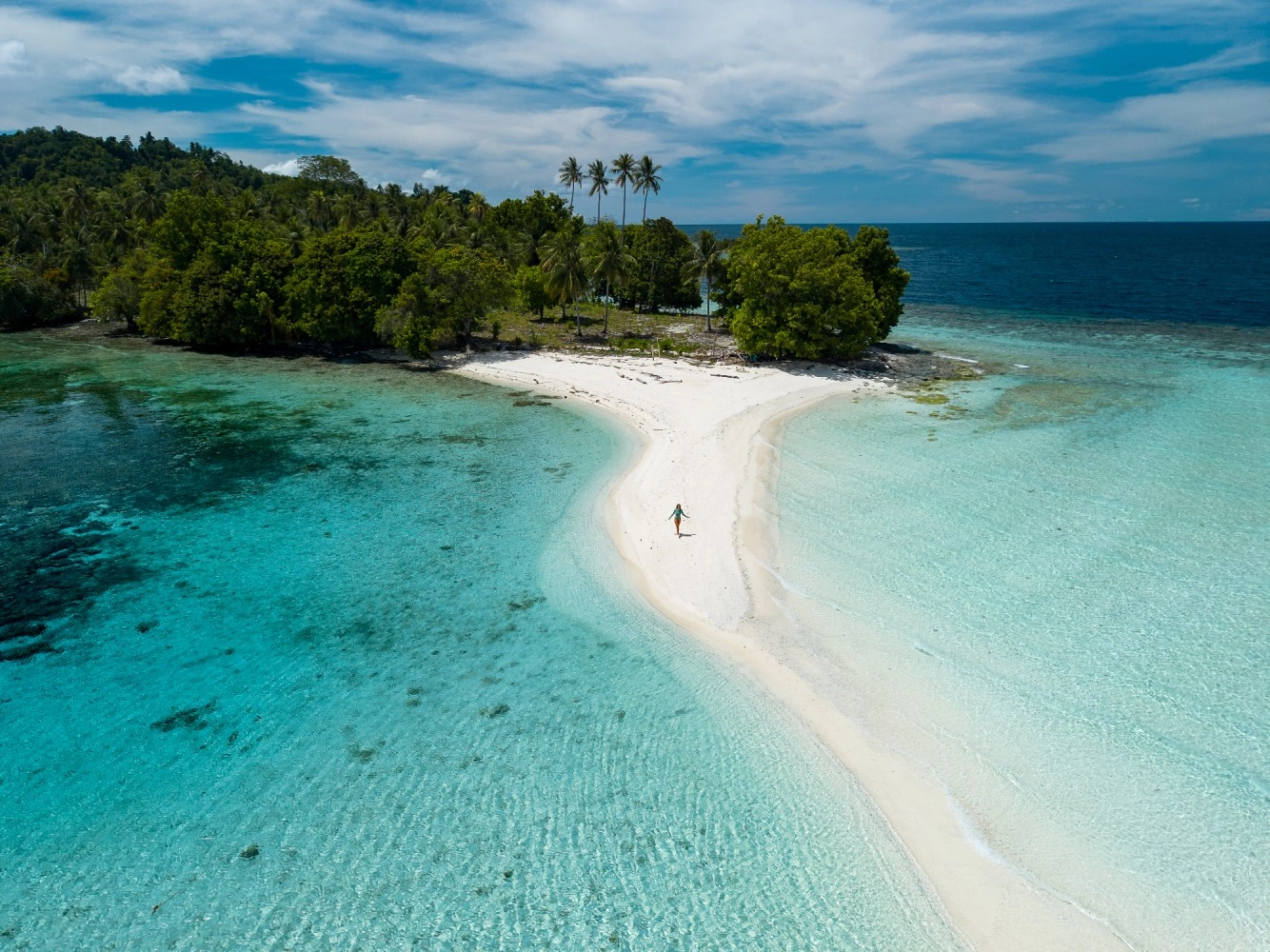
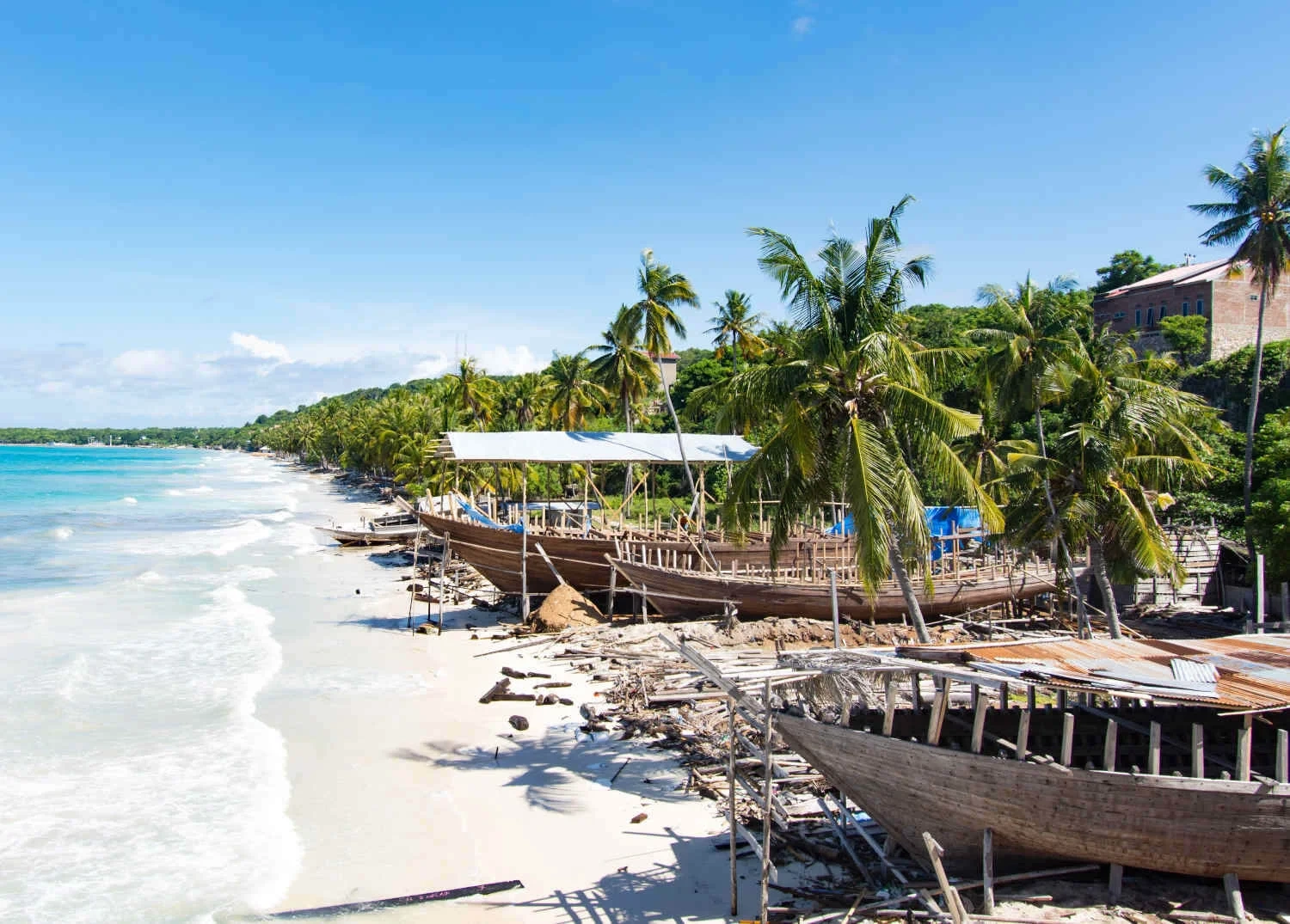
The white sand at Tanjung Bira is real. The water is the colour the brochures show. Ten minutes inland from the beach there's a Bugis yard where men still shape 30-metre wooden ships by eye, working from a hull held in memory rather than on paper. And after two days, most travellers run out of Bira before Bira runs out of itself.
That's the trade-off nobody mentions when they pencil Tanjung Bira into a South Sulawesi itinerary. The town earns a strong day and a slow afternoon, not the three nights most operators sell. This is a short, field-tested account of what's actually worth doing on the southern tip of Sulawesi, what to skip, and how to time the ferry to Selayar if you want to keep moving.
What's actually worth the stop
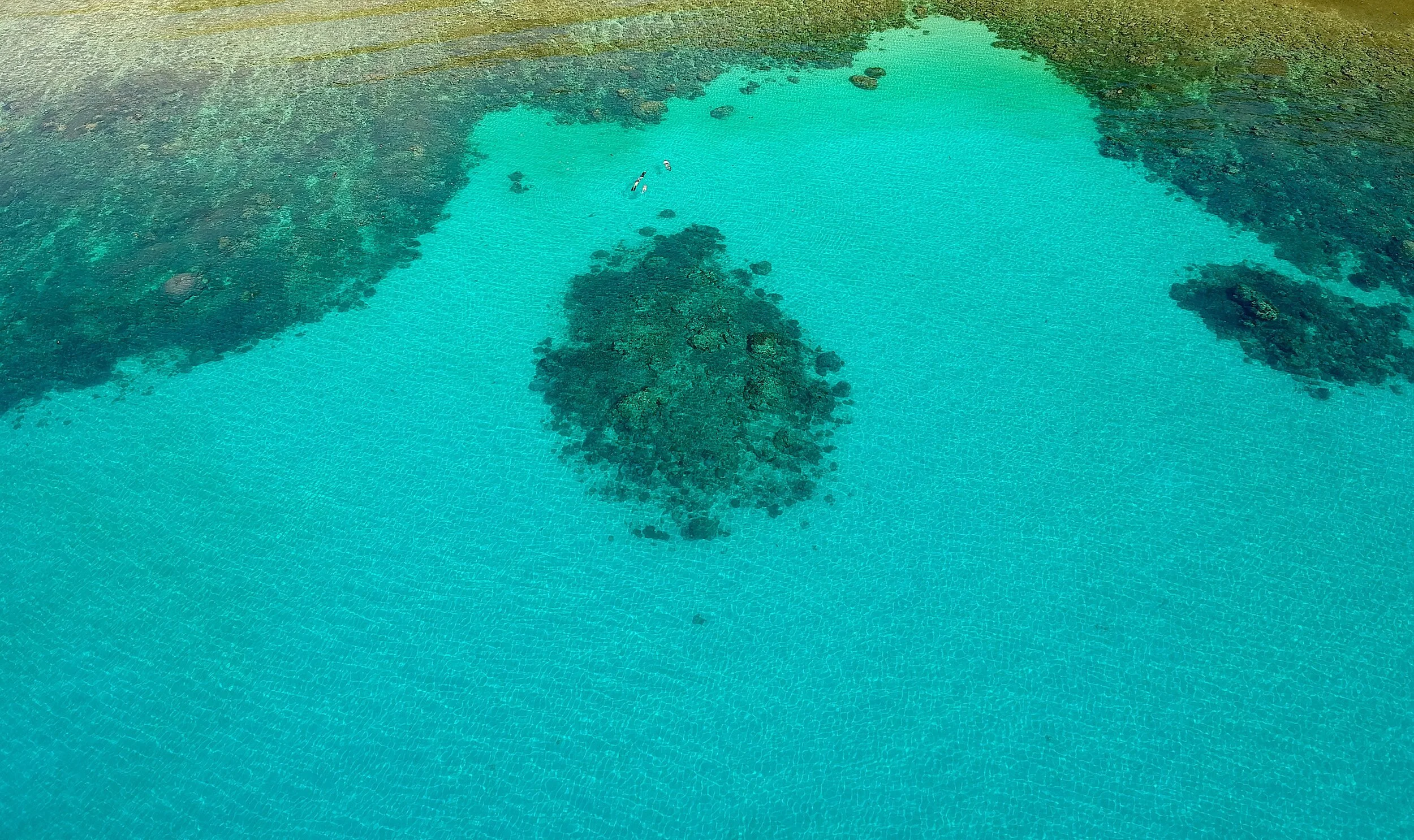
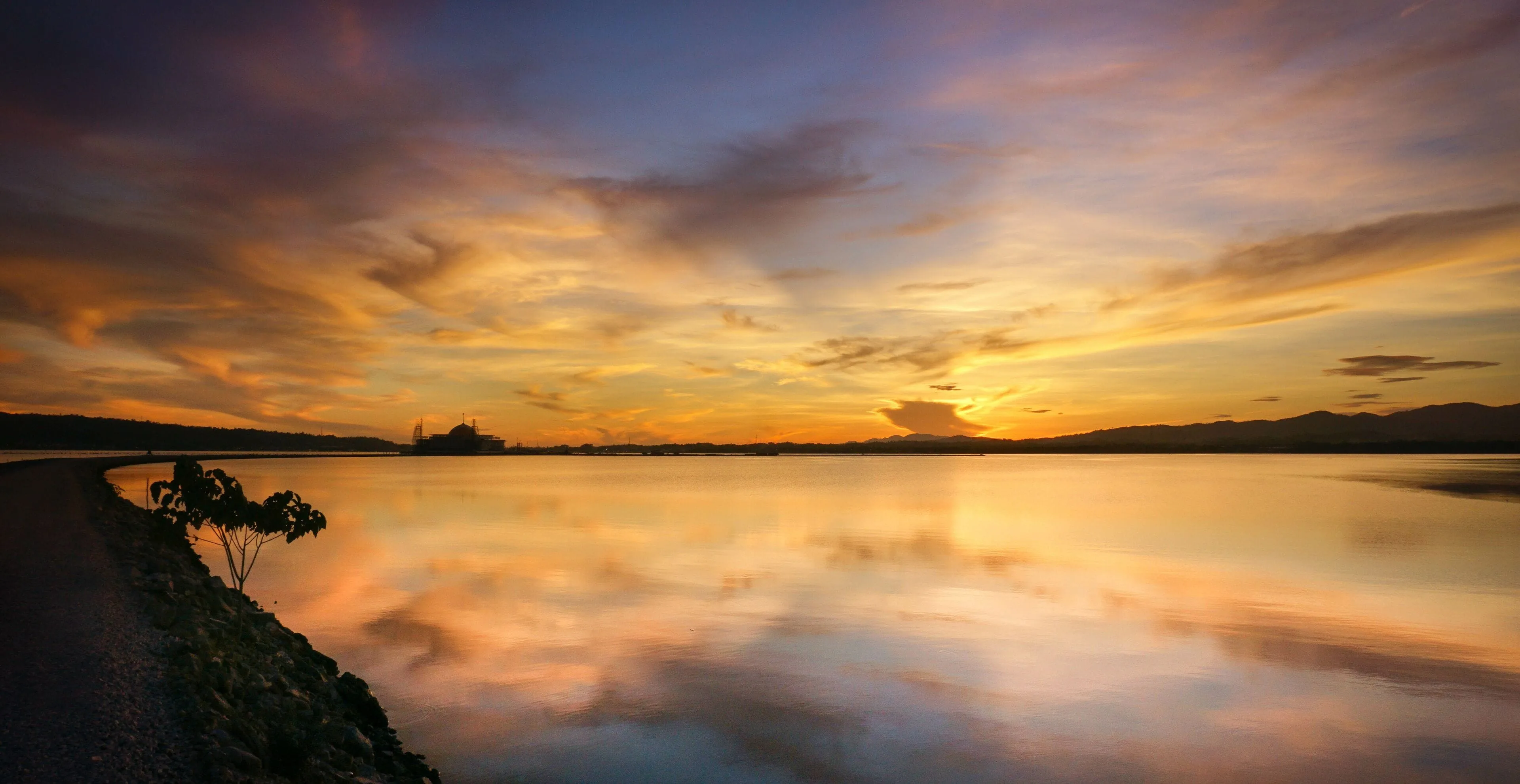
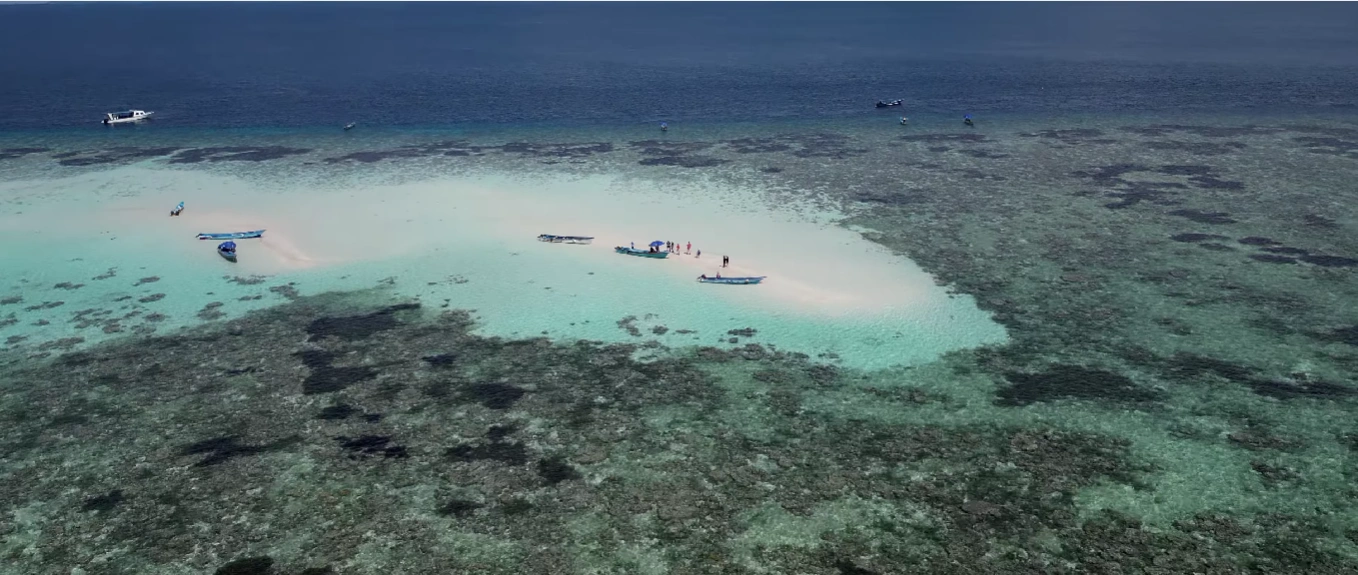
Bira Beach itself is the easy answer and the right one. The sand is genuinely white — the kind that squeaks when you walk on it because the grains are too round to grip each other. The shelf is shallow for fifty metres, then drops. Sunrise is the better light; the cliffs on the western edge of the bay are in shadow at sunset and you lose the contrast that makes the water look the way the photographs promise.
Three things worth your time, in order:
- Walk to Pantai Bara at low tide. The neighbouring cove around the headland to the west, about twenty minutes on foot when the tide is right. Smaller crowd, same sand, a single coconut stand. Bring water — there's no shop past the path.
- Half-day boat to Liukang Island. Two hours of clear water, decent snorkelling on the windward side, and a quiet beach for lunch. Around €29–€38 for the boat split between four people. Negotiate at the jetty in the morning, not the night before.
- The boatyard at Tana Beru. See the next section. This is the actual reason to come to Bira if you only have time for one thing.
What's not worth doing: the "sunset cliff" bars on the eastern end. They have the view on paper, but the cliff faces north-east. By the time the sun is low enough to photograph it's already behind the headland.
The boatyard at Tana Beru
Twelve kilometres inland from Bira town, past two villages and a stretch of cassava field, the Bugis boatyards at Tana Beru still build pinisi the way they were built three hundred years ago. The pinisi is the two-masted wooden schooner that carried Bugis traders across the archipelago — from the north coast of Australia to the Mergui Archipelago in southern Burma — and the shipbuilding tradition was listed by UNESCO as Intangible Cultural Heritage in 2017.
What's striking when you walk into the yard isn't the ships. It's the absence of a tape measure. A 30-metre hull comes together from a shape that exists only in the head of the panrita lopi, the master builder. He chalks waterlines on planks by holding them against the previous plank. The carpenters work the keel with an adze, checking the curve with a string and a weight on the end of it. Nine months, three or four men, no drawings.
You can visit any day. There's no formal entry, no ticket booth. Park at the road and walk down into the yard. The builders are used to visitors and will let you watch as long as you don't get under the spars. A small tip for someone who shows you around is appropriate — €2.50 is enough. If you want a proper guided visit with explanation in English, ask your guesthouse to book Pak Ali or one of the other yard-based guides; expect around €12 for a couple of hours.
How long does a pinisi take to build? A traditional Bugis pinisi schooner takes nine to twelve months to build at Tana Beru with three or four carpenters working full time. The keel is laid first; ribs and planking rise together; no tape measure is used. The master builder works from memory and proportion, not from drawings.
Go in the morning. The light in the yard is better and the men work harder before the heat settles in.
How to get here, and when to go
Bira sits at the southern tip of South Sulawesi, about 200 km from Makassar. The public bus from Makassar (Terminal Mallengkeri) takes five to six hours and costs around €5; a private car with driver, six hours and roughly €57. Most travellers come down by car as part of a Toraja–Bira loop. Rantepao to Bira in a single day is possible but unkind to anyone with a back.
The road is paved the whole way now but the last hour, between Bulukumba and Bira, runs through limestone country and slows down. Don't trust Google's drive time on that stretch.
Dry season is April to October. May is the best month: dry, light winds, calm sea for the Selayar ferry. November to March brings strong onshore winds and the boat charters to Liukang stop on most days. Build flexibility into the plan.
Where to stay, briefly
Two clusters of accommodation: cliff-top guesthouses on the road into town, and beachfront places on Pantai Bira itself. Cliff-top wins for breeze and view; beachfront wins if you want to swim before breakfast.
Three places worth knowing about:
- Mangga Lodge (mid-range, cliff-top) — clean rooms, decent breakfast, the right kind of quiet
- Salassa Guesthouse (budget, set back from the beach) — Bugis-family run, a five-minute walk from the sand
- Amatoa Resort (top end, isolated to the east) — for travellers who want to be alone with the view
Avoid the strip of new builds south of the main road. They look the part but the wifi is bad, the windows don't seal, and the construction noise next door has been a fixed feature of the last two seasons.
The ferry to Selayar
If you're continuing south to Selayar Island and on to Takabonerate, the ferry leaves from Pamatata, about an hour east of Bira town by road. Two crossings a day in dry season, typically 09:00 and 13:00, two and a half hours each way, around €3 per foot passenger and €17 for a small car. Confirm the morning of — schedules slip in rough weather and the afternoon ferry has been cancelled on most April mornings the last three seasons.
Bring water and a hat. The upper deck is open and there's no shade.
Skip list
What I'd skip in Bira:
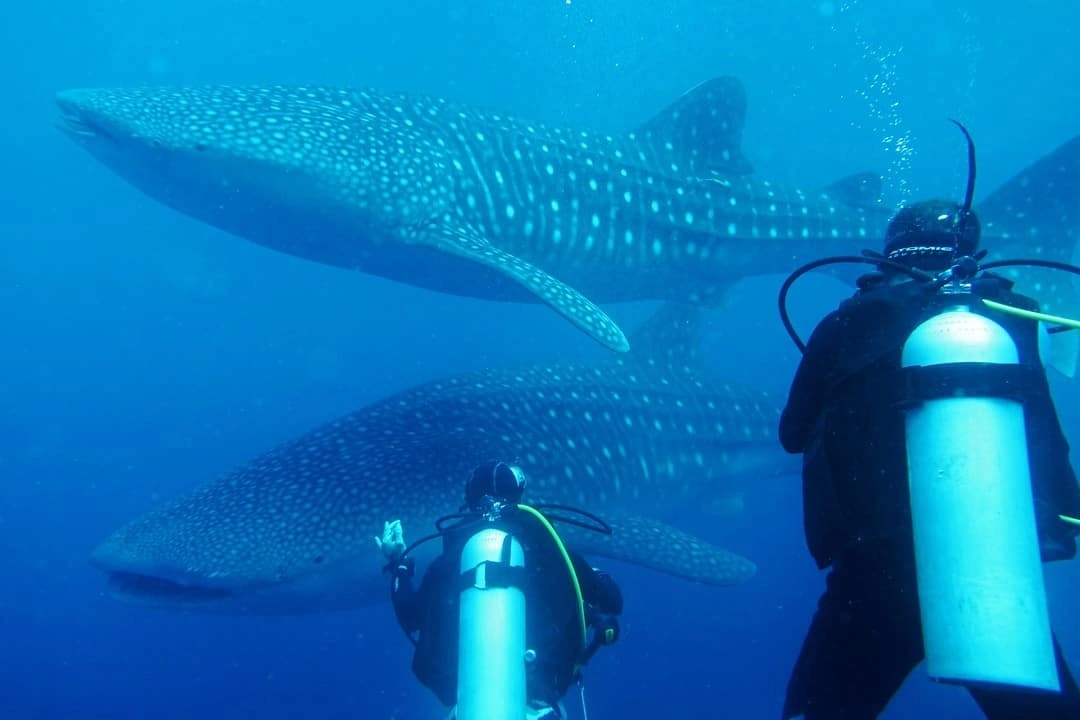
- Diving off the main beach. It's snorkelling-grade reef, badly bleached on the inshore side. If you've come to South Sulawesi to dive, push on to Selayar and Takabonerate, not Bira.
- The boat trip to Kambing Island. Smaller and scruffier than Liukang, twice the boat ride, same money.
- The third night. Two is plenty. By the third morning you'll be ready to leave.
If you want more time on this stretch of coast, give that third night to Selayar instead. Better water, fewer people, and a Pelni connection south to the smaller islands.