#guide
Five days on Lembeh Strait, dive by dive
Par D. Manangkasi11 Feb8 min de lecture
The muck-diving capital is small. Three nights is enough for some divers and a wasted plane ticket for others. How to know which one you are.
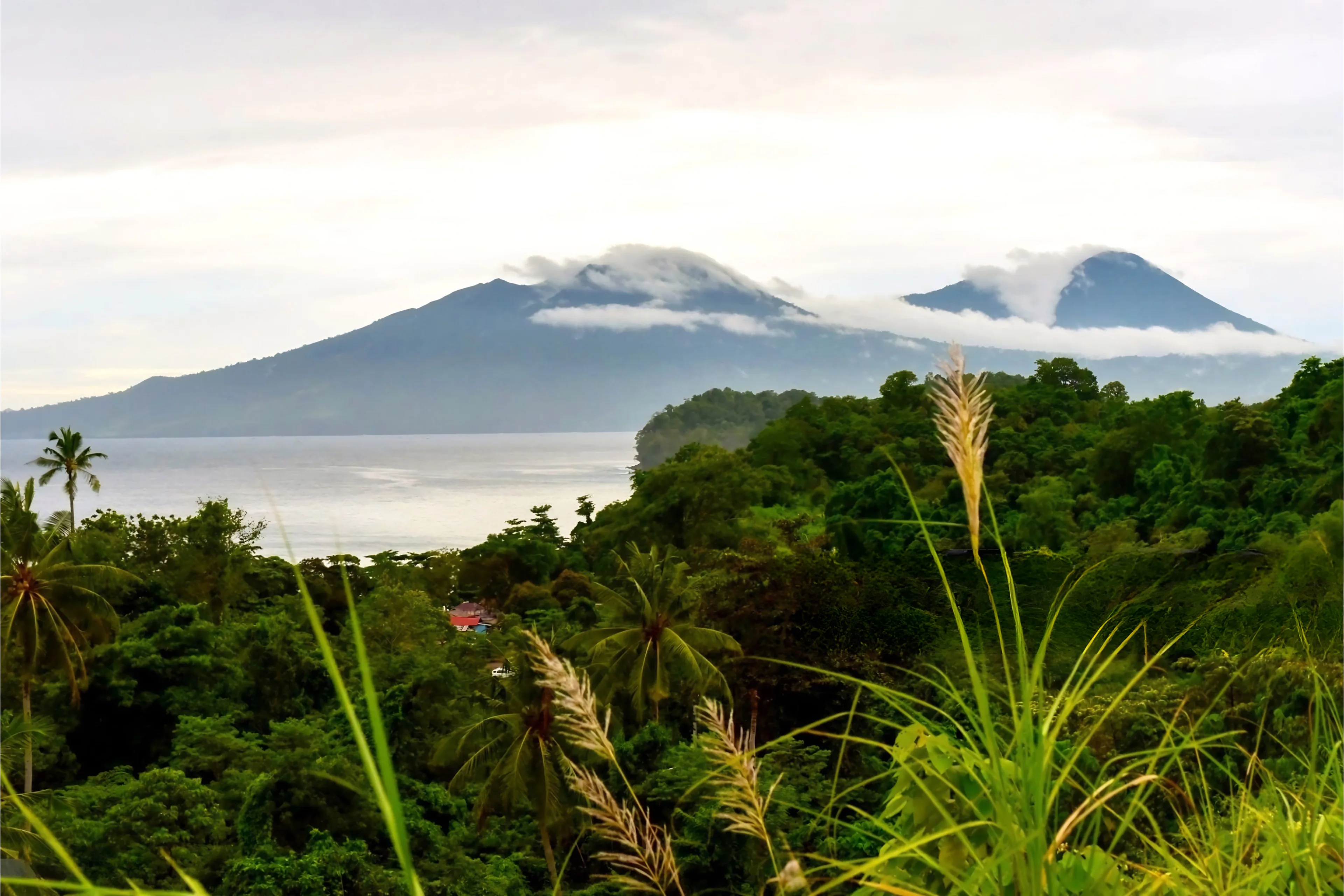
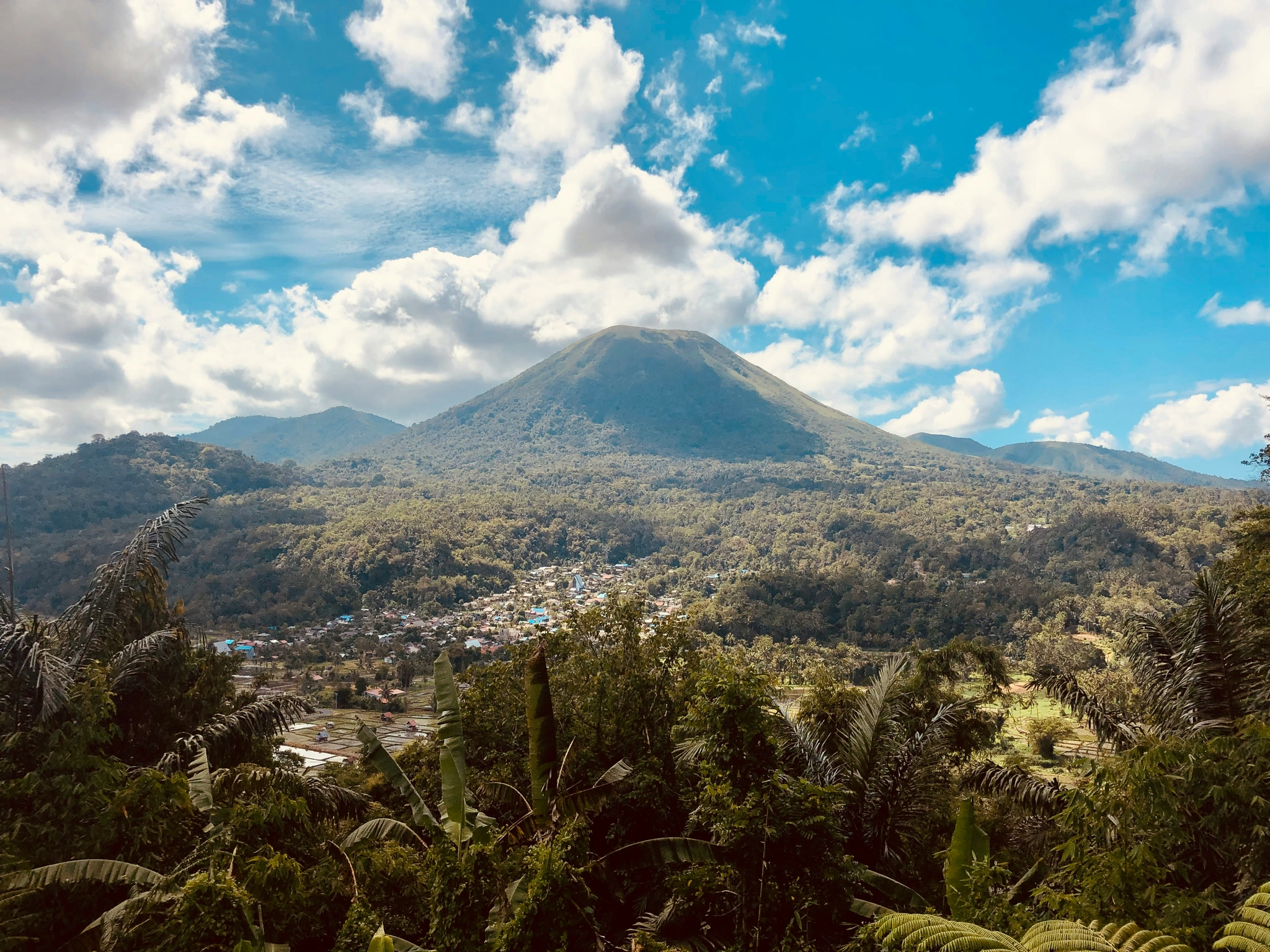
Lembeh Strait is small — about sixteen kilometres of black-sand seabed between mainland North Sulawesi and Lembeh Island. The diving is muck diving: slow drifts over volcanic silt looking for animals the size of your thumb. Three nights is enough for some divers and a wasted plane ticket for others. The question is not the destination, it's whether the kind of diving Lembeh offers is what you actually came to do. This is a five-day plan written for divers who are weighing it, with the specific sites that justify a full week and the days where one or two dives is all the strait can give you before fatigue sets in.
What Lembeh is, what Lembeh isn't
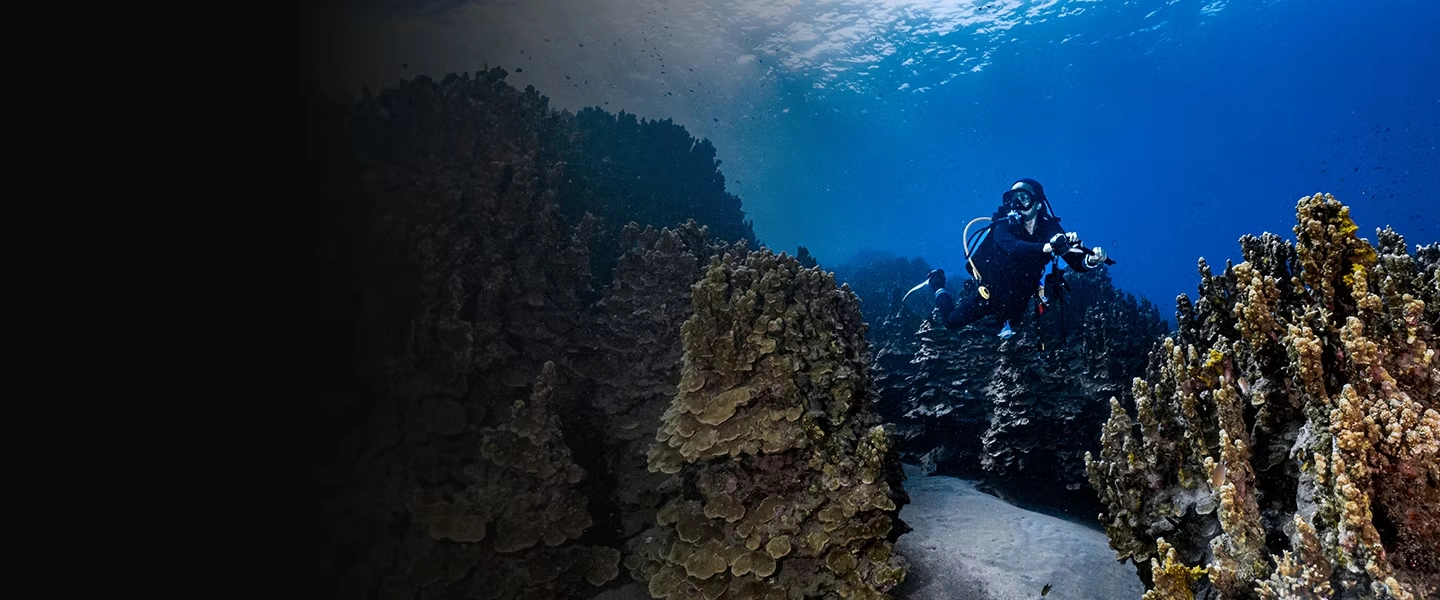
Muck diving is the deliberate, slow-paced search for cryptic invertebrates and small fish on a sandy or silty bottom. No reef, no current to drift with, no schooling fish. A dive at Hairball II is forty minutes of swimming at two metres a minute while your guide pokes the sand with a metal probe looking for the eye of a buried frogfish. The reward, when it works, is animals nobody sees in normal diving — flamboyant cuttlefish, hairy octopus, the wonderpus.
What Lembeh is not: a place for divers who want to log dives. The visibility is moderate; the bottom is featureless until the guide finds something; the dive briefings are taxonomic, not topographic.
The five-day plan
Day one is acclimatisation. Two dives, both north-strait, both slow-paced sites your guide knows like a kitchen drawer. Aer Bajo for the daytime octopus circuit; TK1 for the cryptobenthic fishes — pegasus, dragonets, the rare shortpouch pygmy pipehorse. Eat lunch, do a slow checkout at the house reef in the afternoon if you want a third tank.
Day two is the central strait. Hairball II in the morning — this is the legendary site, and morning light works best. Aim for two dives here, back-to-back with a one-hour surface interval. The afternoon is for Nudi Falls, which is reef in addition to muck and gives your eye a break from the silt.
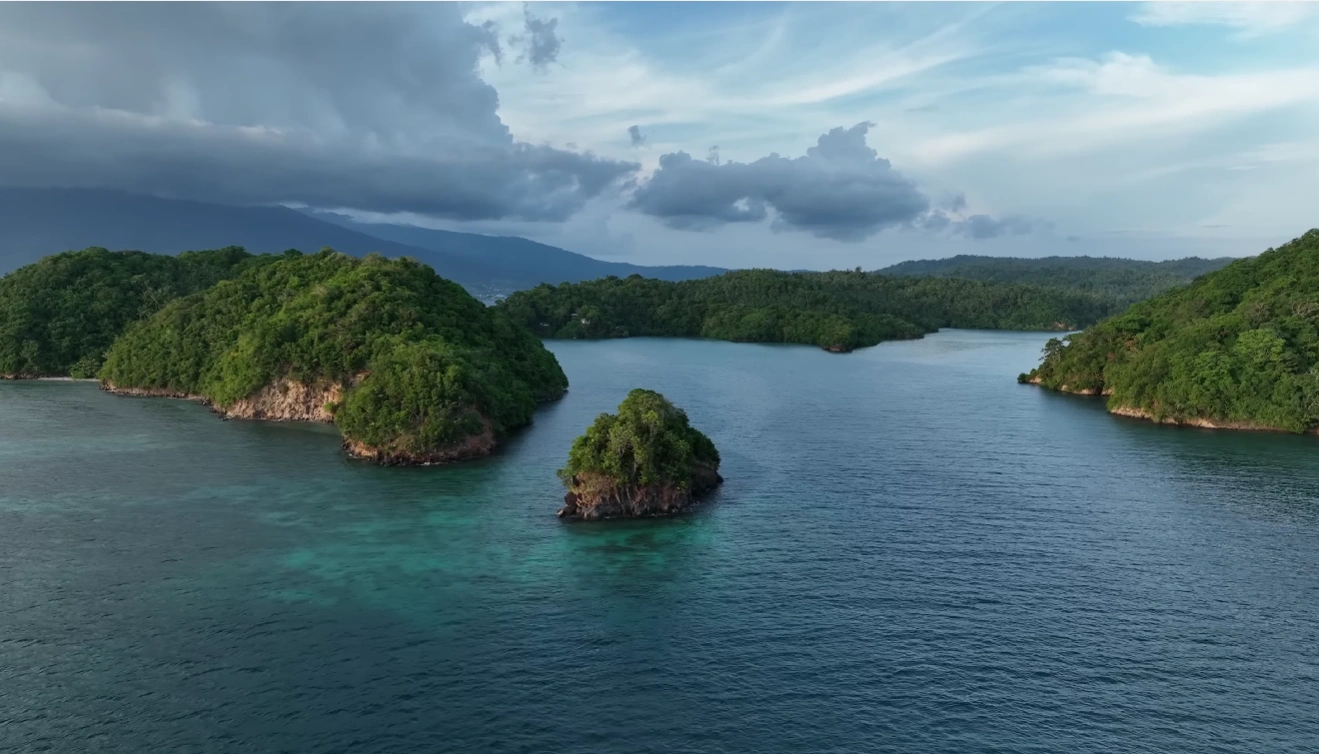
Day three is the south strait. Pulau Sarena Besar and Pulau Sarena Kecil, the two small islands at the mouth, hold the strait's only proper coral fringe. The wide-angle diver finds their day here. Three dives if the operator runs them; otherwise two and a long lunch.
Day four is recovery. Lembeh is mentally demanding, more than physically — the staring is the work — and four days of three dives wears even strong divers down. A single morning dive, then a tour of the Japanese Maru wreck if the wind is calm, then nothing.
Day five is the redemption day. By now you know what your guide is good at finding. Pick the morning site by request rather than by the operator's schedule. Frogfish hunters: go back to Hairball II. Cephalopod people: ask for Police Pier.
The operator question
There are around twenty-five resorts on Lembeh, half on the mainland and half on the island. The difference is not the rooms — it's the guides. The strait has a small pool of senior guides, paid by the resort, and they make the trip. Lembeh Resort, Critters at Lembeh, NAD Lembeh, and Bastianos all run senior guide rotations. Island-side resorts have shorter boat rides to the central sites; mainland side has Bitung town nearby for a real evening.
A practical detail: do not book a single-trip "muck diving introduction." It's a wasted morning. If you're new to muck diving, do five days with a senior guide and accept that the first two days are eye training.
Is Lembeh worth a week of diving? Lembeh rewards five to seven nights for divers genuinely interested in cryptic invertebrates and macro photography. For divers who prefer reef, current, or pelagic action, three nights of Lembeh combined with onward travel to Bunaken or Bangka makes the better trip.
What to pair it with
Lembeh and Bunaken are a natural pair. Three hours over the volcanic ridge by road, then a transfer boat to the marine park, gives you a week of muck followed by a week of wall and current. Most travellers do Bunaken first because the diving is gentler.
The other pair is Lembeh and Bangka, the island off the north tip with proper soft coral and the closest current diving to Manado. Half a day's transfer.
Getting there
Manado airport. The road to Bitung is one hour and the boat transfer to your resort is another twenty to forty minutes. Most operators include the transfer in their nightly rate; confirm when booking.
Avoid arriving on a Sunday afternoon if you can — the road is heavy with returning weekend traffic out of Manado and the transfer takes twice as long. Saturday is the easiest day to land.