


Tarsiers wake at six, weigh less than a phone, and forgive a quiet visitor exactly once. How to find them at Tangkoko — rangers, timing, and the rules.
A Tangkoko tarsier weighs around 110 grams, less than a small chocolate bar. It can rotate its head 180 degrees in each direction, sees in the dark by way of eyes individually larger than its brain, and can leap forty times its own body length from a standing crouch. None of this means you will find one easily.
You will find one because a ranger called Pak Yoyo, or someone like him, knows the family tree of every fig nest within walking distance of the gate, and has been watching the same groups since 2009. Tangkoko tarsier-spotting is not a wildlife encounter you arrange against the animals. It is a system the rangers run, and it works because nobody breaks the rules.
This is a practical account of how to find tarsiers at Tangkoko Batuangus Nature Reserve, on the northeastern tip of Sulawesi, written so you can show up without wasting the trip.
Where to find them
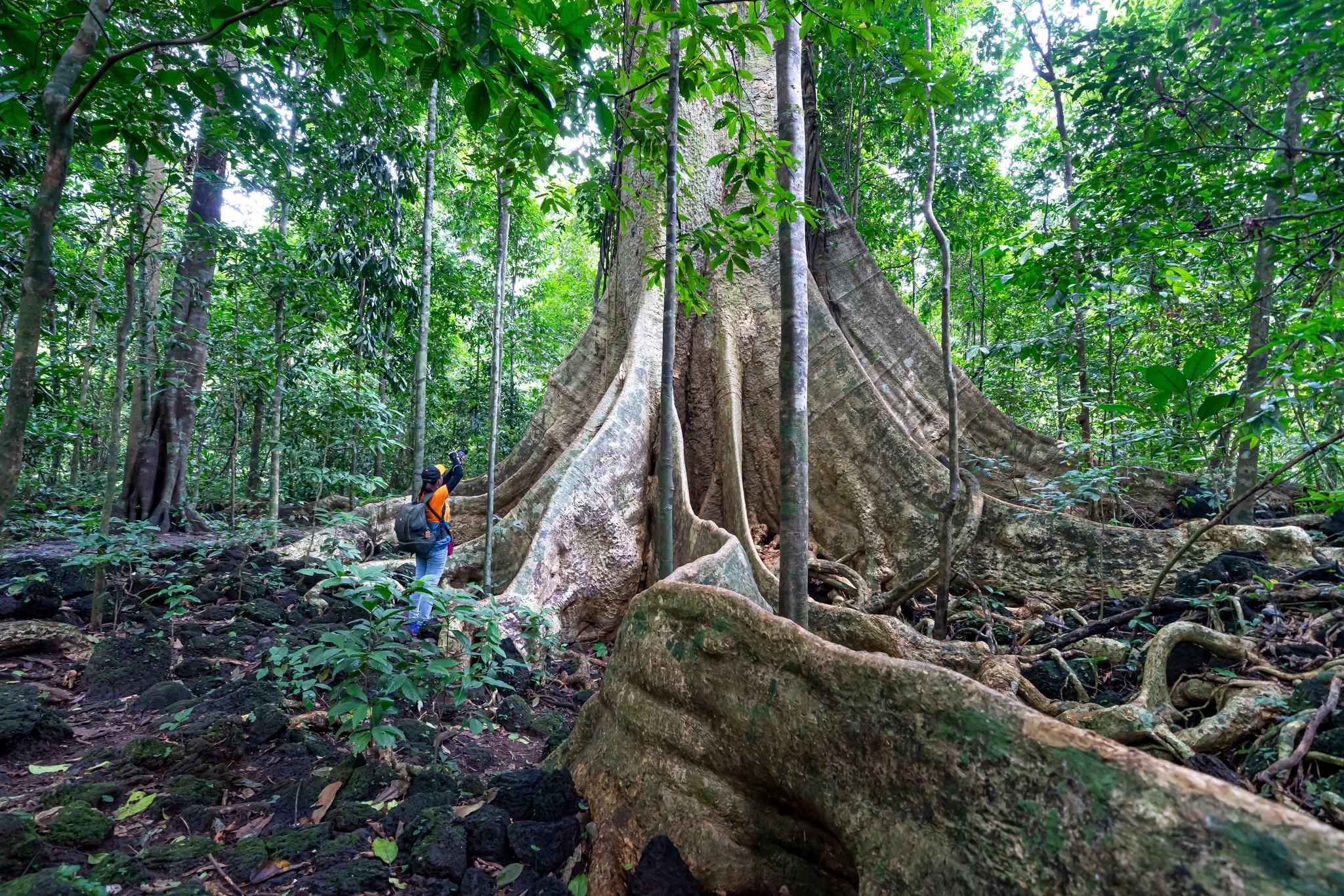
The Sulawesian spectral tarsier (Tarsius tarsier, locally Tarsius spectrum) lives in family groups of three to seven animals. Each group sleeps during the day in a hollow inside a strangler fig — almost always a fig, almost always one with a tangle of aerial roots dense enough to hide a small primate. They emerge at dusk to forage and return at dawn.
The rangers at Tangkoko know which figs hold which families. Some of these trees have been continuously occupied for fifteen or twenty years, the population turning over as individuals die or disperse. When a family abandons a tree, the rangers find the new one within a few days. When a new family establishes itself, it gets a number and a watch schedule.
What this means: you do not walk into Tangkoko hoping to spot a tarsier. You walk in to a specific fig tree at a specific time, with a ranger who knows what's in it.
The ranger system, and why it works
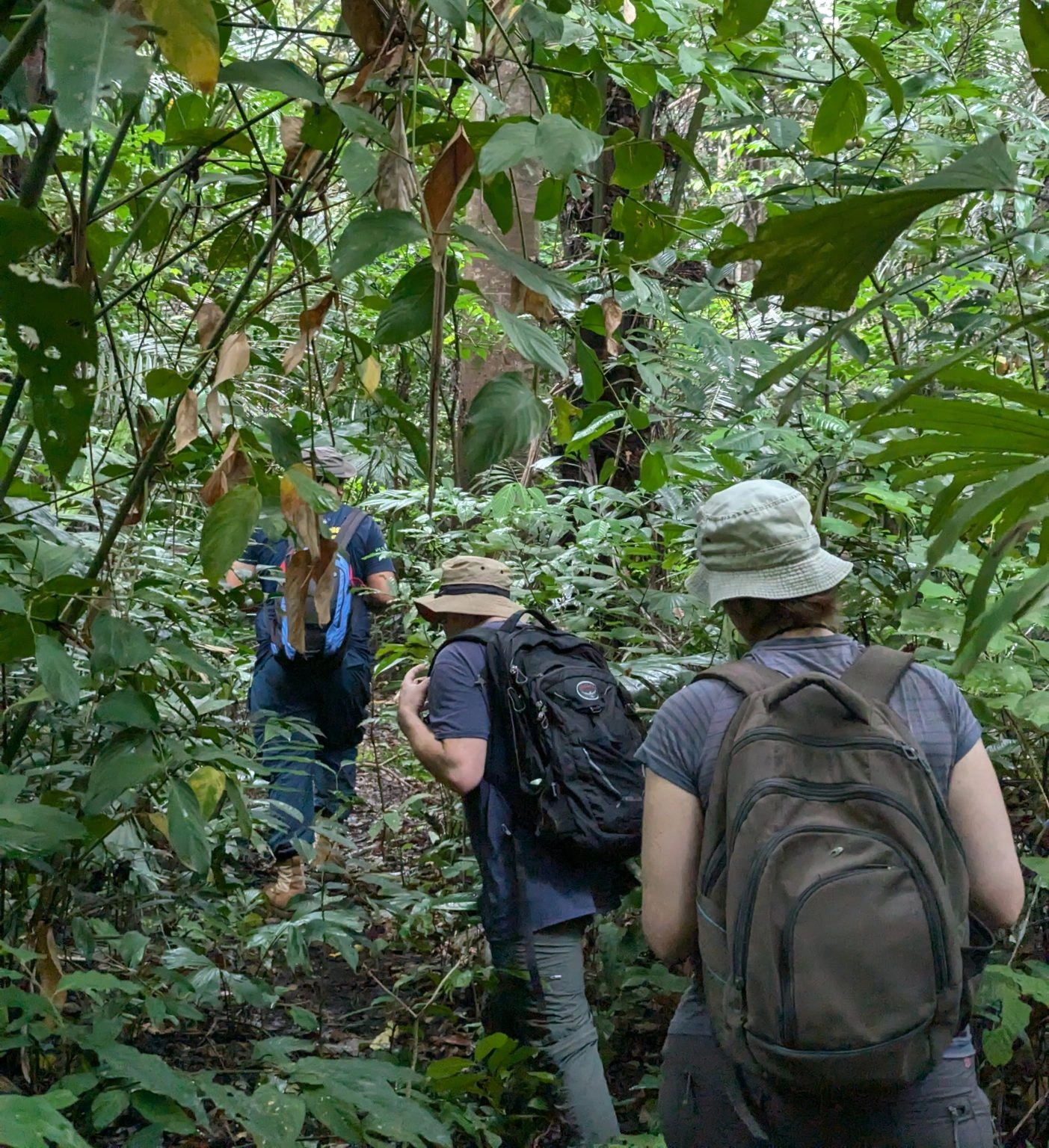
Tangkoko's rangers are organised under the BBKSDA Sulawesi Utara conservation office, with a parallel community structure run from the village of Batu Putih. In practice, when you arrive at the park gate, you are paired with a community ranger for the duration of the visit. The pairing is not optional; the trails are restricted to ranger-led groups.
Rangers rotate the trees on a rough schedule. A given fig may be visited two or three times in a week, then rested for a fortnight. The point is to avoid habituating the tarsiers to constant human attention, which would push them to abandon a tree. Tarsiers under stress reduce reproductive success, and the local population is small. The rules are conservation rules first and tourism rules second.
This is also why the ranger fee is the right thing to pay rather than to negotiate down. The fee — currently around €12 per group for a dawn or dusk walk, on top of the €12 park entry per foreigner — is what funds the watch schedule and the rotation. The forest does not run itself.
When to go
There are two viewing windows: dawn and dusk. Both work; they show you different things.
Dusk (around 16:30–18:00): the tarsiers leave the tree to begin foraging. This is the photogenic moment — the big-eyed face you've seen in photographs is most likely a dusk frame. The light is fading but workable. The animals are active and the rangers can usually position you within four or five metres.
Dawn (around 05:00–06:30): the tarsiers return from the night's forage and re-enter the tree. They are quieter and the light is poorer, but the dawn walk gives you a chance to watch the family settle, sometimes with calls between members. Better for a sustained observation, worse for a single dramatic photograph.
Most visitors do dusk only. If you can spare the morning, dawn is the better experience.
Best months are dry season, May to October. November to March is workable but trails get slick and the rain can shut down a planned walk. Dry days are also better for the tarsiers' insect prey, so the activity is slightly higher.
Rules the sign doesn't mention
The posted signs at the gate cover the basics: don't touch the animals, no flash, stay on the trail. The rules the rangers actually enforce, that aren't always written, are these:
- No flash, ever. Tarsier retinas are extremely light-sensitive. A single flash can effectively blind an animal for the rest of the night and prevent it from feeding. The rangers will end your walk if you flash, and they're right to.
- Voices below conversational level. Even a normal-volume tourist conversation will push a tarsier deeper into the foliage. Whisper or stay silent. The rangers will hush you.
- No phone speakers or playback. Some visitors play tarsier call recordings hoping to draw the animals closer. This is a serious offence — territorial calls are stress responses, and prompting them is harmful. It's also a fast way to lose your ranger.
- Distance of four metres minimum. Not always posted, but enforced.
- No more than fifteen minutes at a tree. The rangers manage exposure time. When they say it's time to move, it's time to move.
A polite traveller who follows these will get the experience. A traveller who pushes will be walked back to the gate, and so will their group.
Where can you see tarsiers in the wild in Sulawesi? The Sulawesian spectral tarsier is reliably seen at Tangkoko Batuangus Nature Reserve, about 90 minutes northeast of Manado in North Sulawesi. Rangers track known family groups in specific strangler fig trees and lead small groups to a viewing distance at dawn and dusk. No spotting is done without a ranger.
What else lives here
Tangkoko is small for a reserve — about 8,800 hectares — but the species list is heavier than the size suggests. The Sulawesi crested black macaque (Macaca nigra), critically endangered and endemic, lives in habituated troops you will likely encounter on the main trail. The Sulawesi hornbill (Rhabdotorrhinus exarhatus) and the knobbed hornbill (Rhyticeros cassidix) both fly through. Bear cuscus, smaller mammals, several endemic birds.
A two-night stay covering one dawn tarsier walk, one dusk tarsier walk, and one daytime macaque walk is the right pace for most travellers. Three nights is good for serious birders. One night is too rushed.
Getting to Tangkoko
Tangkoko sits about 60 km from Manado, on the eastern coast of the Minahasa peninsula. The drive is around two hours by car, three by combination of mikrolet (public minibus) and ojek. The base village is Batu Putih, which has half a dozen homestays and two simple lodges. Sample rates: €12–€21 per night for a basic room with breakfast.
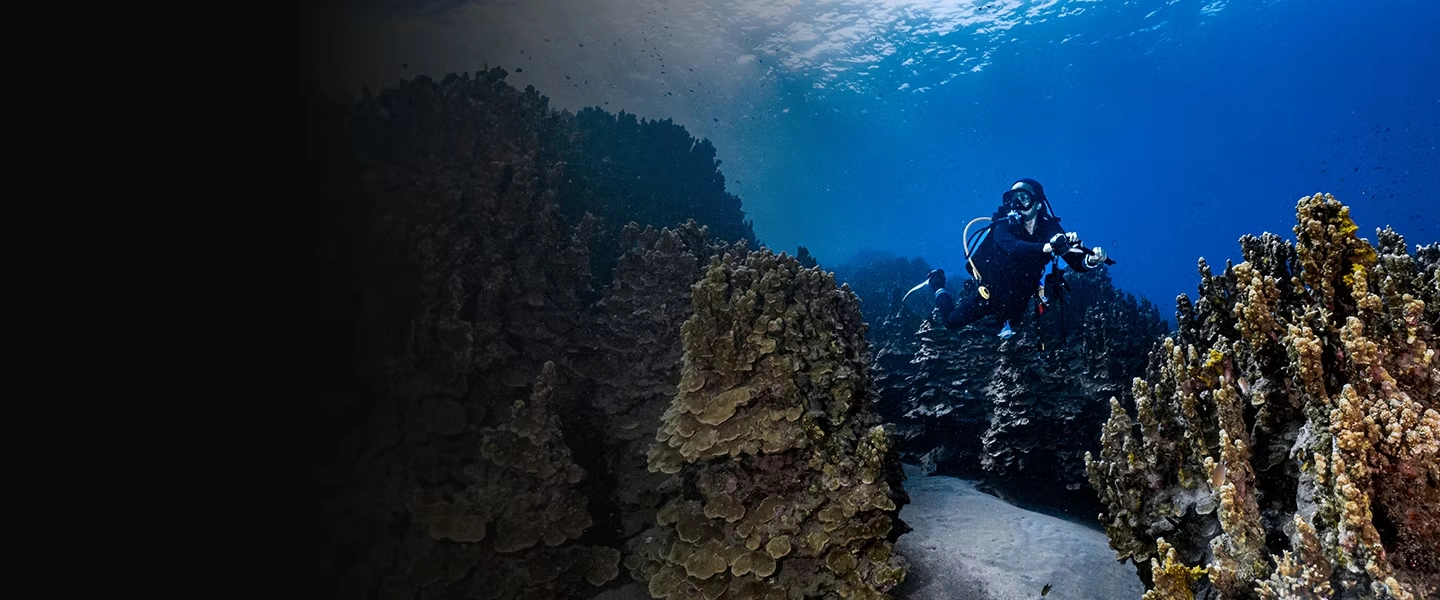
Most travellers visit as a side trip from a Manado / Bunaken diving stay. The combination works: dive Bunaken, then transfer up the coast for the tarsiers. Build in a buffer day if you can — heavy rain has cancelled walks for two or three days at a stretch in recent seasons.
A driver from Manado is the simplest option. Expect €33–€43 for a return trip with waiting time. Ask your Manado guesthouse to organise the booking rather than negotiating at the airport.