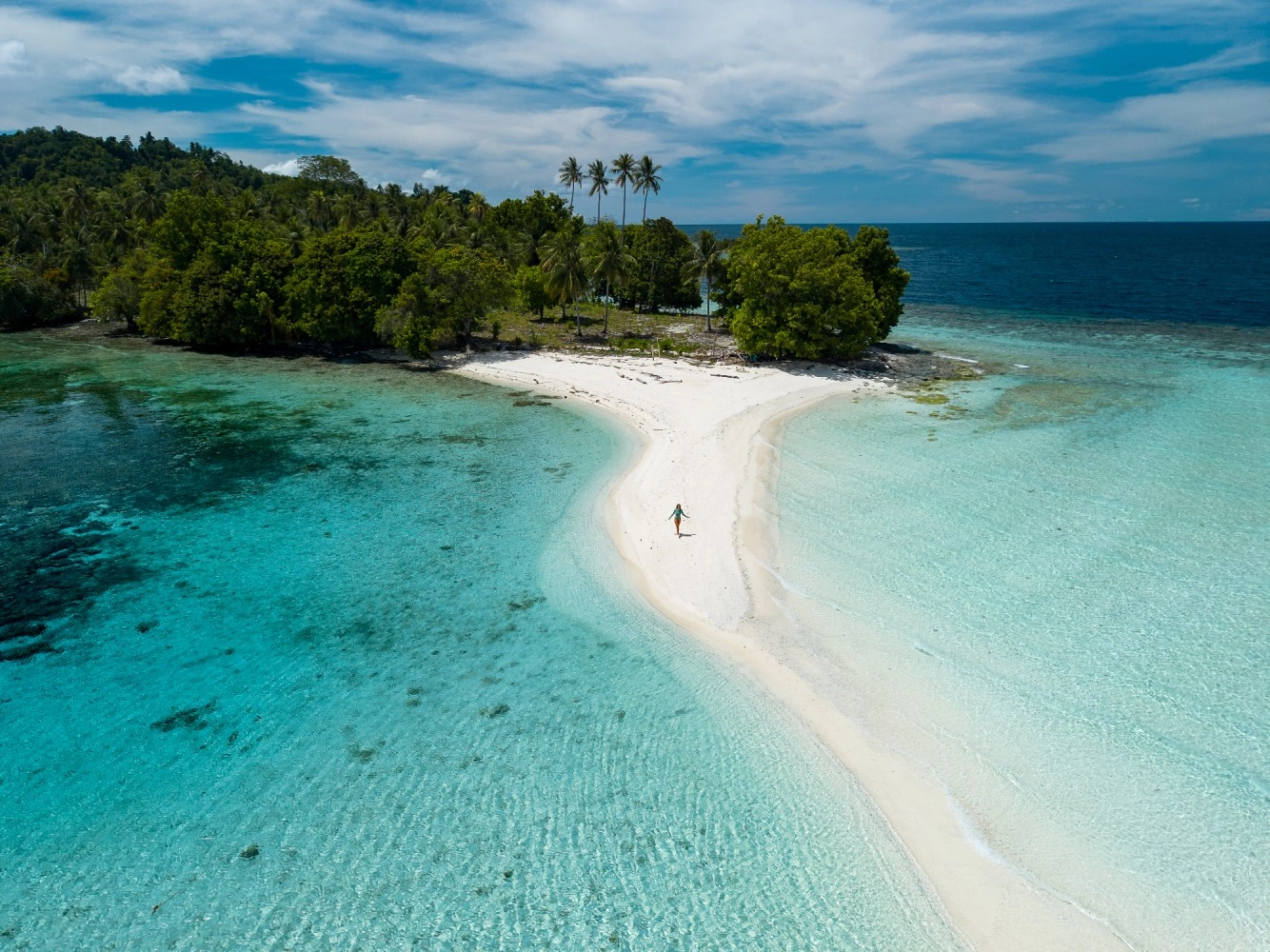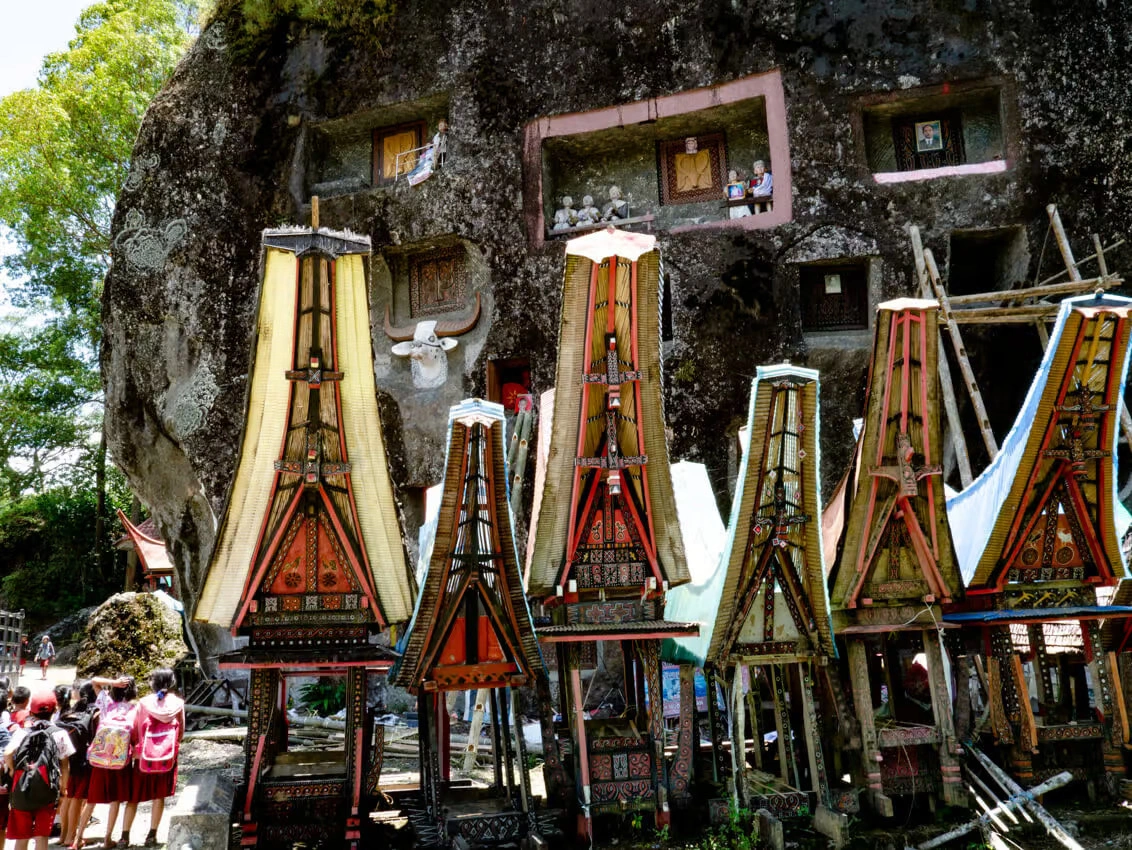
An honest take on Sulawesi surfing — Pantai Bara at Bira, the western Selayar coast, Polewali and Mamuju on the west coast. Inconsistent breaks, empty lineups, no rentals.
Sulawesi is not a surfing destination by international reputation. The standard Indonesian surf circuit runs Bali → Lombok → Sumbawa → Mentawai, with Sulawesi entirely absent. The reality is more nuanced: a small handful of breaks scattered around the South Sulawesi peninsula and the Western coast produce workable surf for travellers willing to seek them out, and the absence of any surf-tourism infrastructure means the breaks that do exist are essentially uncrowded. This guide is for surfing travellers willing to engage with Sulawesi on its own terms.
The geographic reality
Why Sulawesi isn't a major surf destination:
Limited swell exposure. The geography of the island — particularly the south, which faces Java to the south rather than the open Indian Ocean — reduces the swell that reaches Sulawesi's coasts.
The west coast faces the Makassar Strait. Calm water; almost no swell. The historical Bugis sailing tradition exists because the strait is calm.
The eastern coasts face the Banda Sea. Some swell from southeast trade winds, but inconsistent.
No tradition of surfing. The infrastructure (board rentals, surf schools, surf-friendly accommodation) hasn't developed because the demand has been small.
That said, several breaks exist that work in the right swell conditions.
The known breaks
1. Pantai Bara, Bira (Southern Sulawesi).
- A small reef break off the southwestern beach at Bira.
- Works in southeast swell, dry season (May–October).
- Best at mid-tide.
- Inconsistent — many days have no surf.
- Wave size typically 1–2 metres on a working day.
- Beginner-to-intermediate.
- No surf shop nearby; bring your own gear or rent at Bira (limited).
2. Selayar west coast (off Bira).
- Several breaks along the western Selayar coastline.
- Works in similar southeast swell windows.
- Slightly more consistent than Pantai Bara.
- Boat access required for most spots.
3. Polewali coast (West Sulawesi).
- Beach breaks along the Mandar coast.
- Works in west monsoon swell (November–March).
- Less consistent than the southern breaks.
- Almost no infrastructure; expect to surf alone.
4. Mamuju coast.
- Some reports of breaks further north on the West Sulawesi coast.
- Largely unexplored by surfers.
5. Wakatobi outer reefs.
- Reports of reef breaks on the outer Wakatobi reefs.
- Strong currents, advanced surfers only.
- Almost never surfed.
What the surfing is actually like
Honest version:
Crowds: zero. Many surf trips, the lineup is empty.
Consistency: poor. Most surfing trips to Sulawesi involve days waiting for swell that doesn't come.
Quality on the right day: workable. Not Mentawai. Not even good Bali. Comparable to second-tier Bali breaks on a slow day.
Infrastructure: essentially none. No surf schools. No board rentals worth mentioning. No surf-camp accommodation.
The community: small. A few local surfers in Bira and around the West Sulawesi coast. Welcoming to visitors.
When to come
For most realistic Sulawesi surf trips:
Southern coast (Bira, Selayar): May–October. Southeast swell window. Bira is the standard base.
Western coast (Polewali, Mamuju): November–March. West monsoon swell window. Mamuju is the standard base.
Eastern coast: Inconsistent year-round.
Build buffer days into any surf trip — surf-quality days may be 40–60% of trip days even in the right season.
A working surf-trip structure
For a 10-day Sulawesi surf trip:
Day 1–2: Makassar arrival. Standard logistics.
Day 3: Drive to Bira. Five hours.
Days 4–9: Bira base. Surf when possible (typically 2–4 days of usable surf in this window). Walking, snorkelling, pinisi yard visits on non-surf days.
Day 10: Return to Makassar.
For travellers prioritising surf, a Selayar extension (3–4 extra days) is worth considering — the off-coast breaks are slightly more consistent.
What to bring
Your own boards. No reliable rental in Sulawesi. Bring the boards you need; international airlines will charge surfboard fees.
Standard kit: boardshorts, rashguard, leash, wax, fin keys, ding repair, sunblock.
Extras worth bringing:
- Reef booties (some breaks have rough reef bottom).
- Spare leash and fins.
- Surf wax for warm water (Sulawesi water 27–29°C).
Where to stay
For surf-focused stays:
Bira:
- Pantai Bara is the surfing-friendly beach; Salassa Guesthouse and the cliff-top wismas are the standard options.
- Some new beachfront builds at Pantai Bara specifically welcome surfers but are not surf-specific.
Selayar:
- Setia Hotel or one of the dive lodges as a base. Most surfing requires boats from Benteng or specific village beaches.
Mamuju:
- d'Maleo Hotel as a city base; expect to drive 30–60 minutes to the surf-relevant coast each day.
What to do on flat days
Realistic preparation:
Bira side:
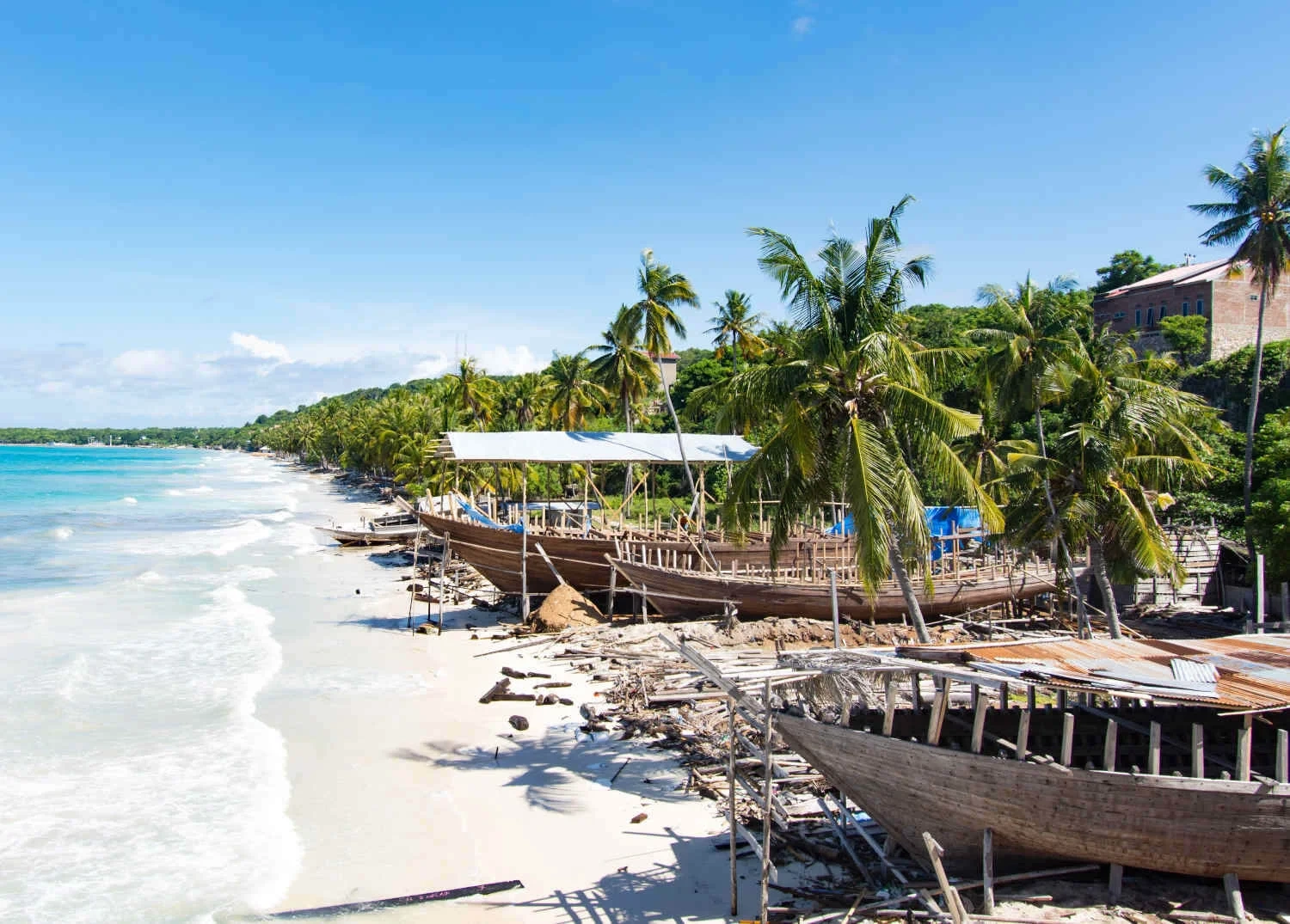
- Visit the Tana Beru pinisi yards.
- Walk to Pantai Bara even when surf is flat.
- Snorkel the inshore reef.
- Drive to Pamatata and ferry to Selayar.
Polewali / Mamuju side:
- Visit the Mandar fishing villages (Tinambung).
- See the sandeq sailboats.
- Explore the West Sulawesi highlands.
- Day trip to Pulau Karampuang.
Sulawesi rewards the flexibility this kind of trip requires. Most surfers who come accept the swell roulette and use flat days for the wider trip.
The community
A small but real surf community in Sulawesi worth knowing about:
Bira local surfers. A handful of young Bira locals surf the Pantai Bara breaks regularly. Friendly to visitors; ask at any of the Pantai Bara warungs and you'll find them.
Mandar coast surfers. Even smaller community along the West Sulawesi coast. Some Mandar fishermen surf alongside their sailing.
Sulawesi surf social media. A few Instagram accounts document local surfing. Worth following pre-trip for current swell reports.
For travellers wanting to engage with the local scene rather than the empty-lineup version, a few days hanging out with the Bira locals is the right approach.
Who this trip is for
Honest filters:
Works for:
- Surfers willing to accept flat days.
- Surfers who want empty lineups regardless of wave quality.
- Surfers combining a Sulawesi trip with diving or cultural visits.
- Surfers willing to bring their own boards.
- Surfers comfortable with basic accommodation.
Doesn't work for:
- Surfers seeking guaranteed quality waves (go to Mentawai).
- Surfers wanting a surf-camp infrastructure (go to Bali).
- Surfers on a tight schedule.
- First-time international surfing travellers.
What this trip is actually for
The honest framing: Sulawesi is not a destination for surf-focused trips. It is a destination where surfers willing to engage will find some surfable breaks alongside genuinely strong other reasons to come.
A Sulawesi trip that includes some surfing alongside Tana Toraja, Bira, and one of the diving regions makes sense. A Sulawesi trip exclusively for surfing does not.
For travellers wanting both, plan a wider Sulawesi itinerary with three or four days at Bira built around hoping for swell. If swell comes, great. If not, the trip still works for the wider reasons.
Is Sulawesi a surf destination? Not really. A few breaks exist — Pantai Bara at Bira, the western Selayar coast, the Polewali and Mamuju coasts — but consistency is poor and infrastructure (rentals, schools) essentially nonexistent. Best windows: May–October for the southern breaks (southeast swell), November–March for the western coast (west monsoon swell). Bring your own boards; expect empty lineups; combine with diving or culture trips rather than going for surf alone.