A guide to Bantimurung National Park — Alfred Russel Wallace's 'kingdom of butterflies' from 1857, the contemporary 250-species park, and how the visit has changed since.
Alfred Russel Wallace called Bantimurung "the kingdom of butterflies" during his Sulawesi visit in 1857. The forest around the Maros river waterfalls held species concentrations and varieties that Wallace described in detail in The Malay Archipelago and that contributed to the body of observation underlying his independent formulation of evolution by natural selection. A century and a half later, Bantimurung National Park still has butterflies — including some of Wallace's named species — though the density is visibly reduced from his time. The park remains a worthwhile half-day trip from Makassar, but the framing matters: come to see the historic site and the modest contemporary butterflies, not expecting the dense clouds Wallace witnessed.
This is a short guide to Bantimurung — what's there, what to expect, and how the conservation reality has shifted.
Wallace's Bantimurung
Wallace spent several weeks at Bantimurung in 1857 collecting specimens. His descriptions in The Malay Archipelago are vivid:
"The road passed for some distance through a beautiful forest, in which I noticed several fine butterflies, especially the splendid blue Papilio Ulysses, and a magnificent Ornithoptera, which I afterwards named O. helena. The little brown Papilio Polytes was also abundant."
The Wallace passages establish Bantimurung as one of the most species-rich butterfly sites he encountered in the Indonesian archipelago. His specific named species — including several still extant — remain target species for serious lepidopterists visiting today.
Contemporary Bantimurung
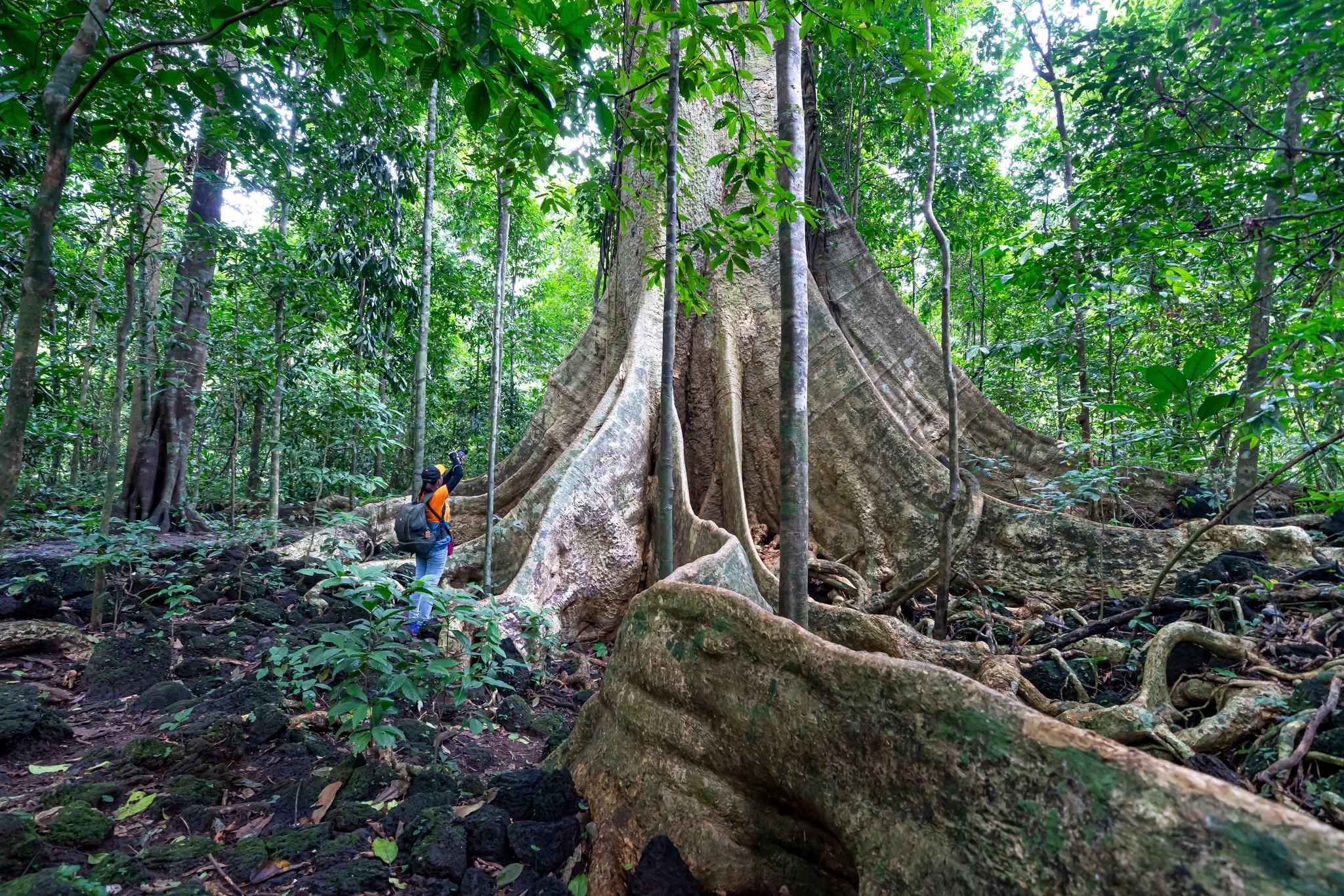
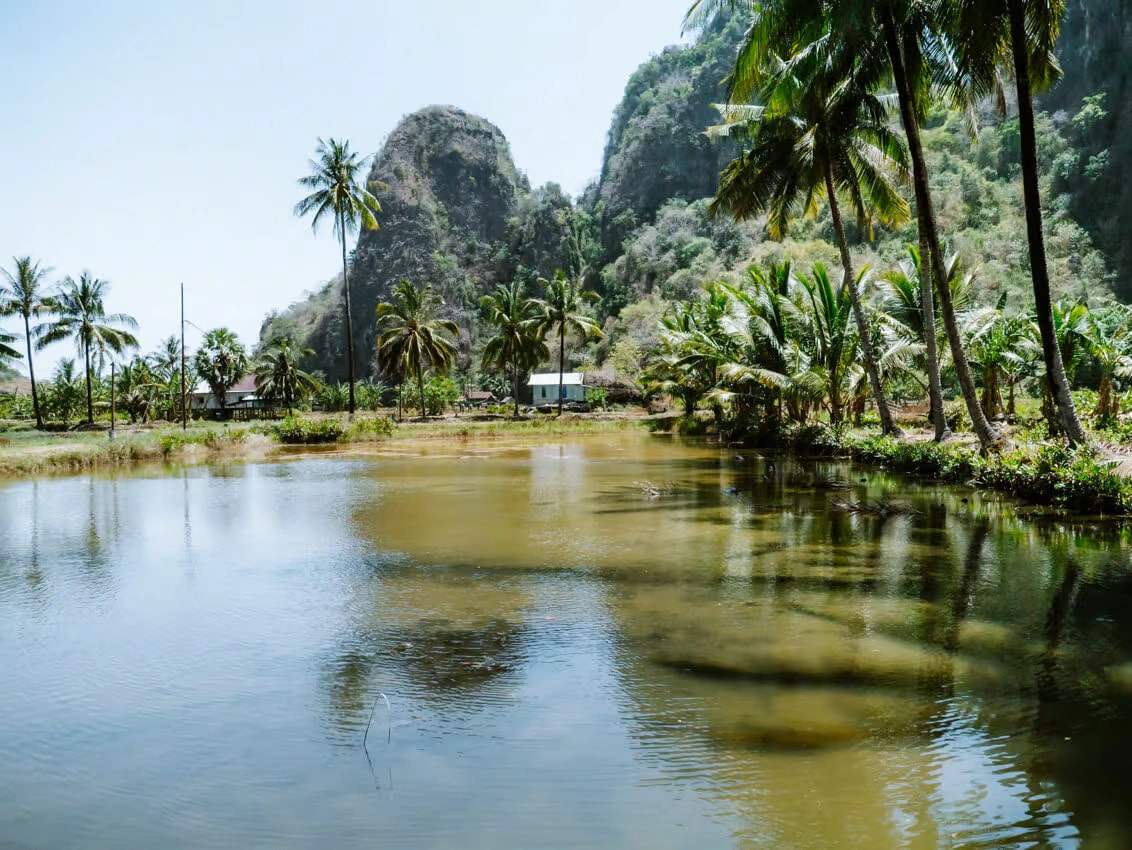
The park covers about 43,750 hectares of karst forest and waterfall systems in Maros regency, about 50 km north of Makassar. The visitor focus is on a small section near the park gate, with the waterfalls and butterfly observation areas concentrated in a 2 km walkable zone.
About 250 butterfly species have been recorded in the wider park. The flagship species — Troides helena (the common birdwing), Papilio peranthus (the blue triangle), several Pierids — are still present though at lower densities than in Wallace's accounts.
The park has a small captive-breeding facility (the Bantimurung Butterfly Park) which supports both visitor education and small-scale propagation of the rarer species. Whether this constitutes meaningful conservation or simply a tourist set-piece is a fair question; the captive-bred populations are real and visible.
What the visit looks like
The standard half-day:
- Park entrance gate. Fee €1.
- Short walk to the main waterfall (an easy 200m on a paved path).
- Swimming pool below the waterfall (popular with domestic tourists; not ideal for foreign visitors looking for the Wallace experience).
- Butterfly Park captive area — small enclosed garden with displayed species and information panels.
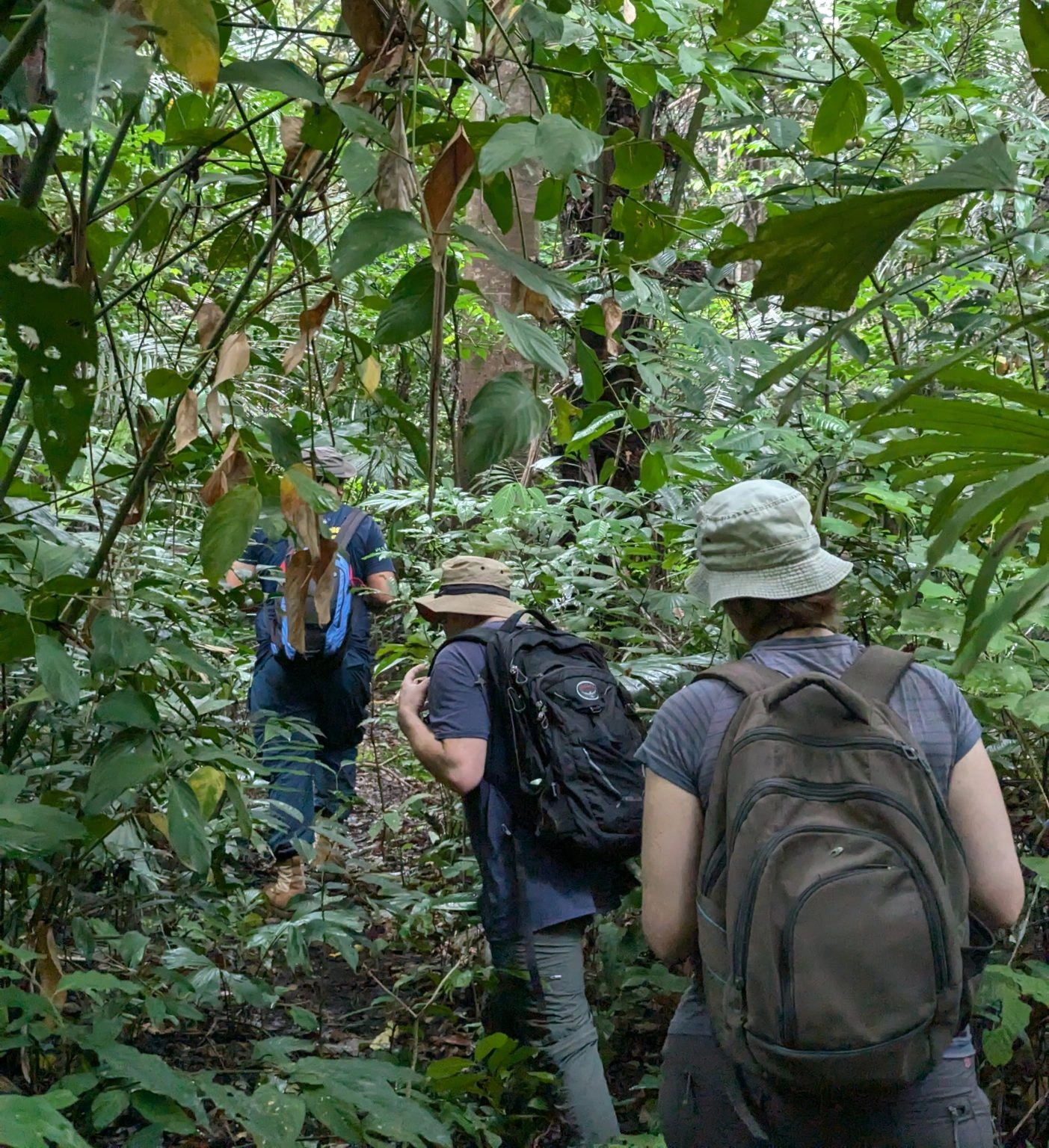
- Walk further upstream along the river for the wild butterfly observation areas.
A full visit takes 2–3 hours. The early morning (before 09:00) is the best time for active butterflies.
What you'll actually see
Honestly: fewer butterflies than the marketing suggests.
The standard wild observation areas now produce moderate butterfly activity — perhaps 15–30 individuals at a typical observation stop, including 5–10 species. The dense aggregations at puddles and mud patches that Wallace described are largely gone from the main visitor areas. Serious lepidopterists who walk further into the less-trafficked sections of the park report better encounters but still nothing like Wallace's accounts.
The captive area shows more species at higher density but in obvious enclosures. The trade-off between authentic-but-sparse wild observation and dense-but-captive viewing is the contemporary Bantimurung experience.
Why the decline
Two principal factors:
- Habitat pressure. The forest around the park has been substantially converted to agriculture and small-scale rock-mining over the last century. The park's protected core remains forested but is much smaller than the wider habitat Wallace encountered.
- Informal collection. Butterfly collection for sale to amateur collectors has been a persistent problem in and around the park. Enforcement has improved in recent decades; collection still occurs.
The park management has worked on reducing both pressures, with some success. The species lists from formal surveys in 2010 and 2020 show stabilisation in the protected core, though not recovery to Wallace-era density.
How to combine with a wider trip
Bantimurung is part of the standard Makassar day-trip circuit, paired with Rammang-Rammang and Leang-Leang. See the dedicated Rammang-Rammang article for the full-day plan.
For visitors specifically interested in butterflies, allow 2–3 hours at Bantimurung. For visitors primarily interested in Wallace's biological history, a half-day with a guide who knows the original specimen-collection sites is the right scope.
A note on the Wallace framing
The Wallace association is the strongest international marketing angle for Bantimurung, and it should be approached honestly. Wallace did visit and did write extensively about the butterflies; the conditions he saw are not what visitors see today. This does not diminish the historic value of the site, but it should adjust expectations. Come to see the historic location and the surviving species, not expecting to replicate Wallace's specific encounters.
For travellers who want to understand Wallace's broader Indonesian archipelago work, the Wallace Line — the biogeographic boundary running between Bali and Lombok and through the Makassar Strait — is the larger story. Sulawesi sits squarely on the Wallace Line; visiting Bantimurung is one small piece of engaging with the Wallace framework.
What to read
Wallace's The Malay Archipelago is freely available online and includes specific Bantimurung passages. For more recent scholarship, the academic literature on Indonesian Lepidoptera includes several updated surveys of the Bantimurung butterfly fauna.
Are there still butterflies at Bantimurung? Yes, but at substantially lower density than during Alfred Russel Wallace's 1857 visit. About 250 butterfly species have been recorded in Bantimurung National Park, with the visible visitor sections now producing moderate (15–30 individual) sightings rather than the dense aggregations Wallace described. The park combines a captive-breeding facility with wild observation areas and is a worthwhile half-day trip from Makassar.