
A cultural primer on the Kaili — the largest indigenous group of Central Sulawesi, their seven sub-groups, ikat textile tradition at Donggala, and tambi stilt architecture.
The Kaili are the largest indigenous ethnic group of Central Sulawesi, with about 1.2 million speakers across the Palu valley, the Donggala coast, and the mountains of Sigi and Parigi Moutong regencies. The Kaili speak a cluster of related languages — Ledo, Rai, Tara, Inde, and several others — connected closely enough to be mutually intelligible at the village-pair level but distinct enough to mark out regional identities. They are predominantly Muslim, with significant Christian minorities in some inland areas. The Kaili are the population with whom most visitors to Central Sulawesi interact most directly; understanding the basic frame of Kaili identity makes the visit better.
This is a short cultural primer on the Kaili — who they are, where they live, what their traditions look like today, and how to interact respectfully.
Geography
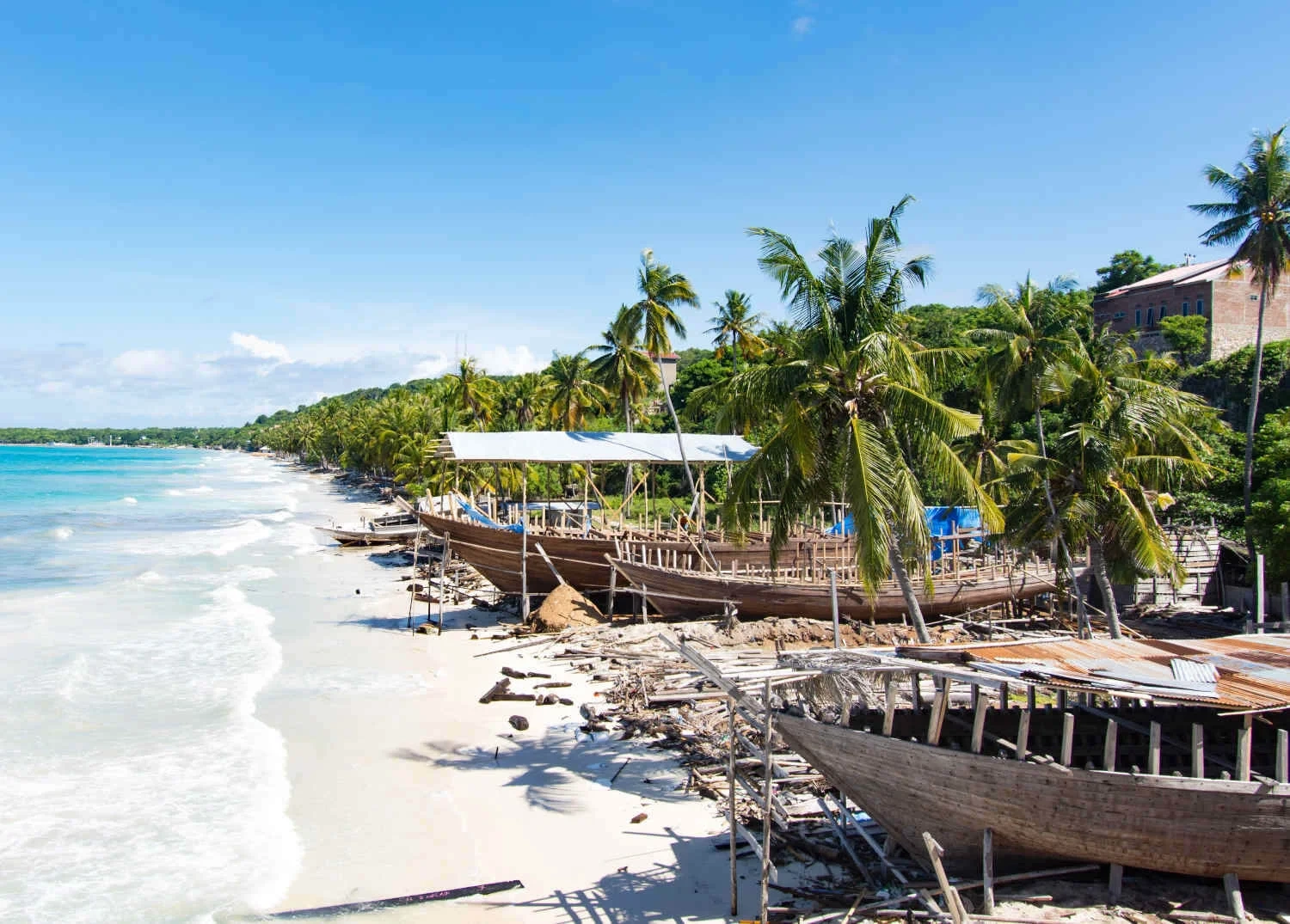
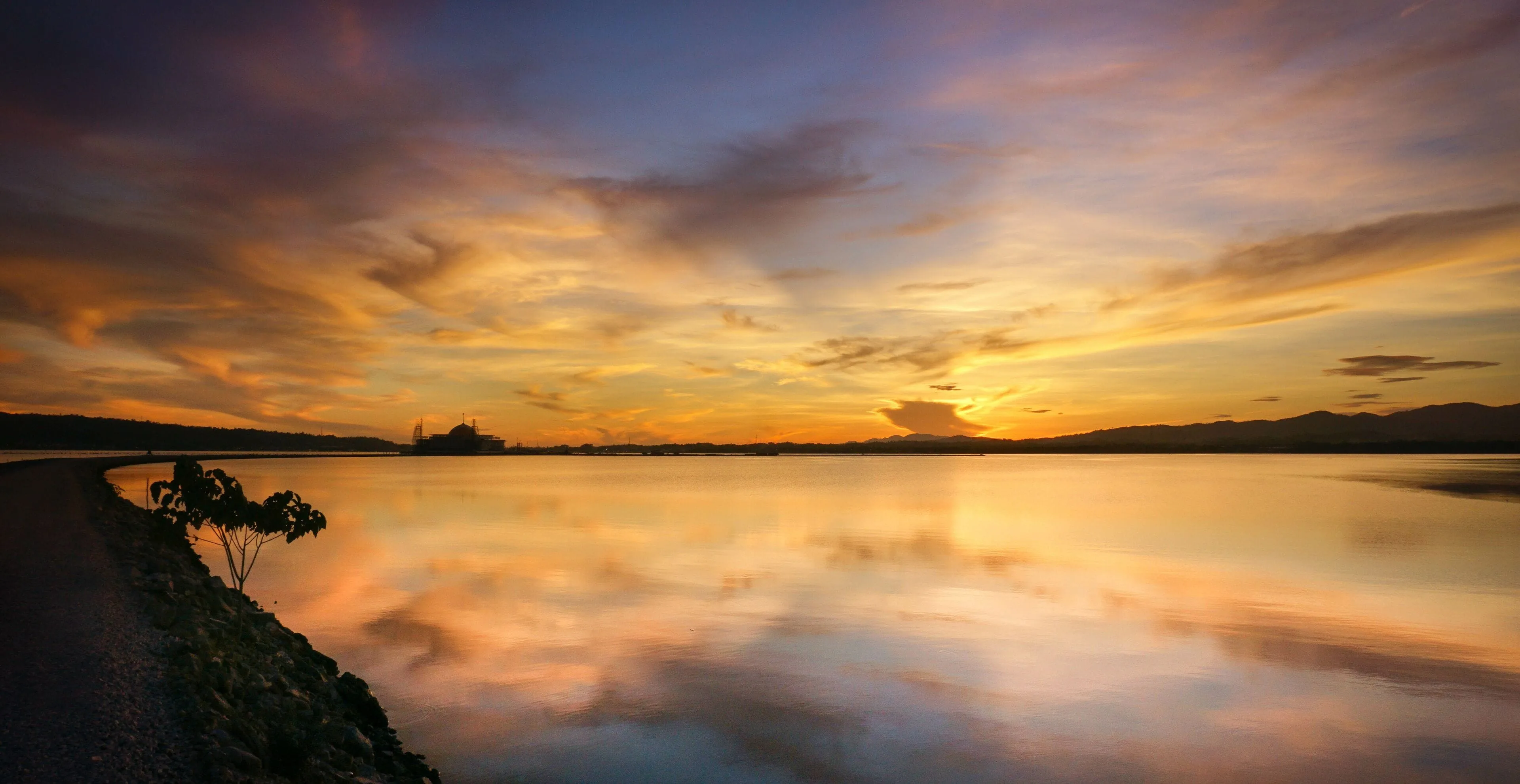
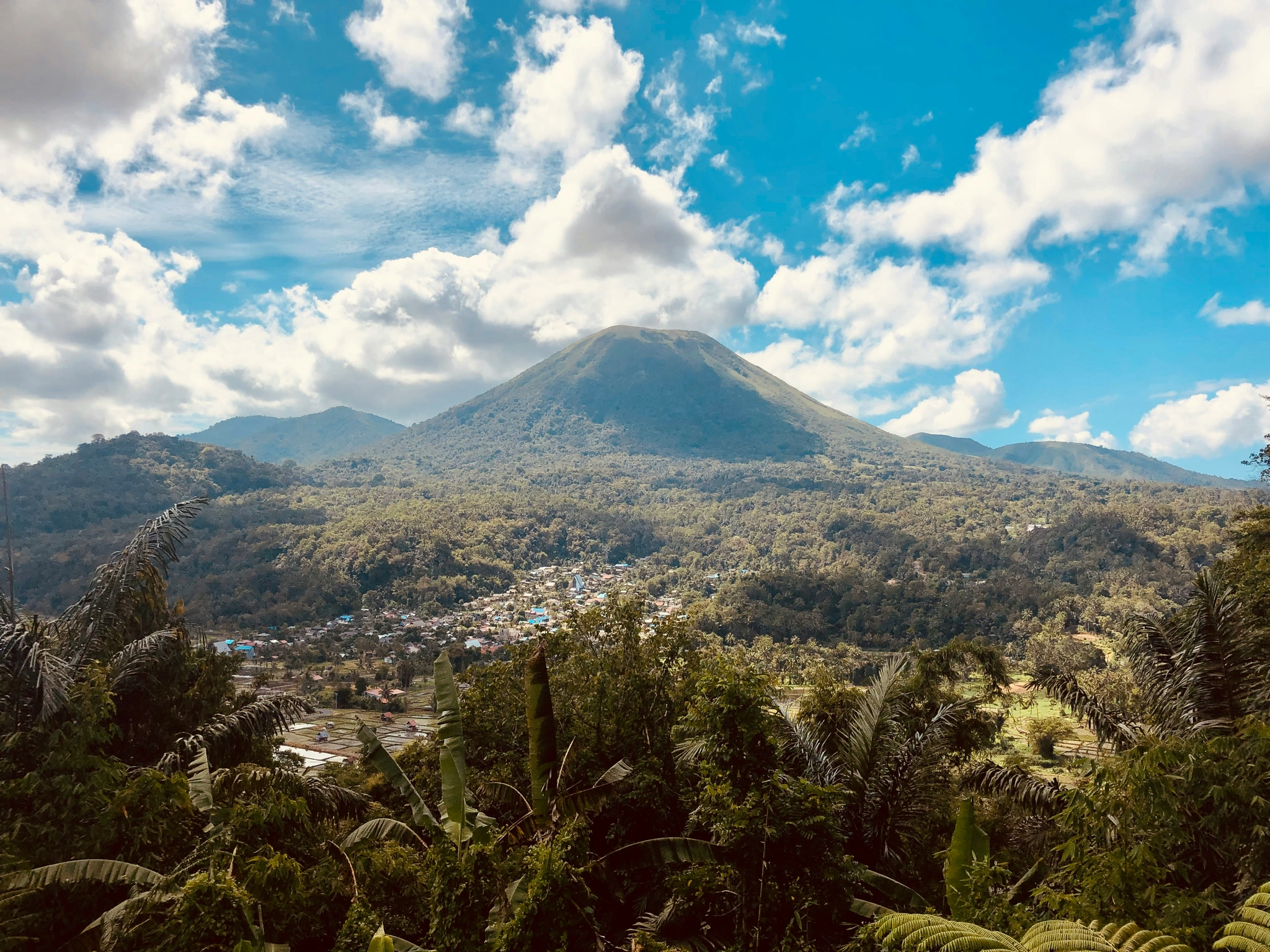
The Kaili occupy the catchment of the Palu river and its tributaries, plus the coastal stretch from Donggala south through to Pasangkayu in West Sulawesi and east into the Parigi Moutong lowlands. Palu, the provincial capital, is built within Kaili territory; the rural villages on the city's edge are largely Kaili.
The seven principal Kaili sub-groups — Ledo, Rai, Tara, Unde, Inde, Da'a, and Doi — are loosely associated with different valleys and coastal areas. The largest is Ledo, centred on the Palu valley itself; the language Bahasa Ledo is the closest thing to a common Kaili lingua franca.
Language
The Kaili languages are part of the Kaili-Pamona language family within the Western Malayo-Polynesian branch of Austronesian. Bahasa Ledo functions as the inter-Kaili language; most younger Kaili are also fluent in Bahasa Indonesia and use it in formal and inter-ethnic settings.
A few useful Bahasa Kaili (Ledo) phrases for visitors:
- Tabe — formal greeting (respect)
- Komi mboto? — "How are you?"
- Tarima kasi — "Thank you" (loaned from Bahasa Indonesia)
- Mbau pae? — "Where are you going?" (a common informal greeting)
Using a basic Kaili greeting before switching to Indonesian is a small but real sign of respect.
Religion
The Kaili are about 80% Muslim and 15% Christian, with a small minority practising syncretic pre-Islamic traditional belief, particularly in remote interior villages. The shift to Islam happened over several centuries and was largely complete by the early twentieth century in lowland areas; some interior groups (notably the Da'a) converted more recently or maintain stronger syncretic traditions.
The major Kaili Christian community is in the Sigi regency, centred on the village of Kulawi. Roman Catholic and Protestant churches operate alongside the larger Muslim majority without significant friction at the community level.
Traditional dress and craft
The Kaili have a strong ikat-weaving tradition, particularly in the village of Donggala (which gives its name to the regency). Kaili ikat is woven from cotton and silk, dyed with natural pigments, and used historically for ceremonial dress and royal regalia. Pieces are still woven by hand in workshops in the village; visits are welcomed.
Traditional Kaili dress includes the bayako (a wraparound for men) and elaborate jacket-and-skirt combinations for women in ceremonial contexts. Daily dress today is Indonesian mainstream.
Traditional architecture
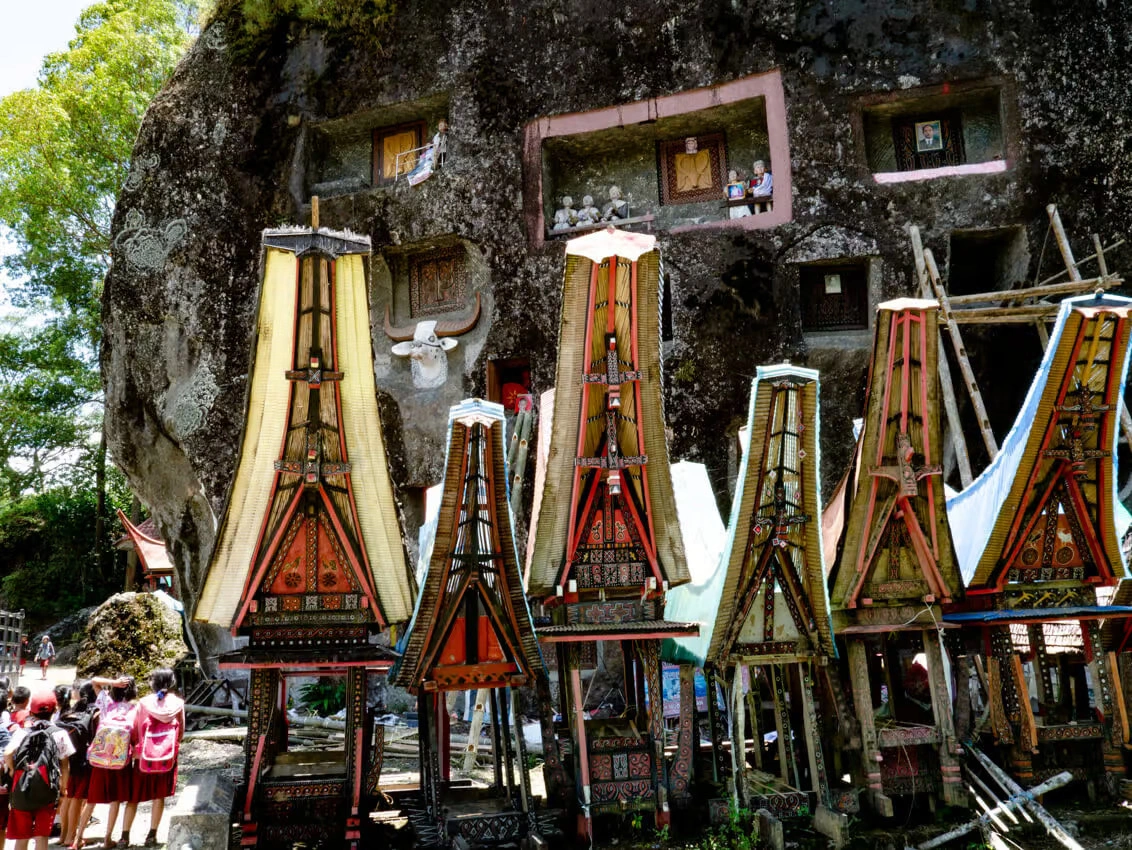
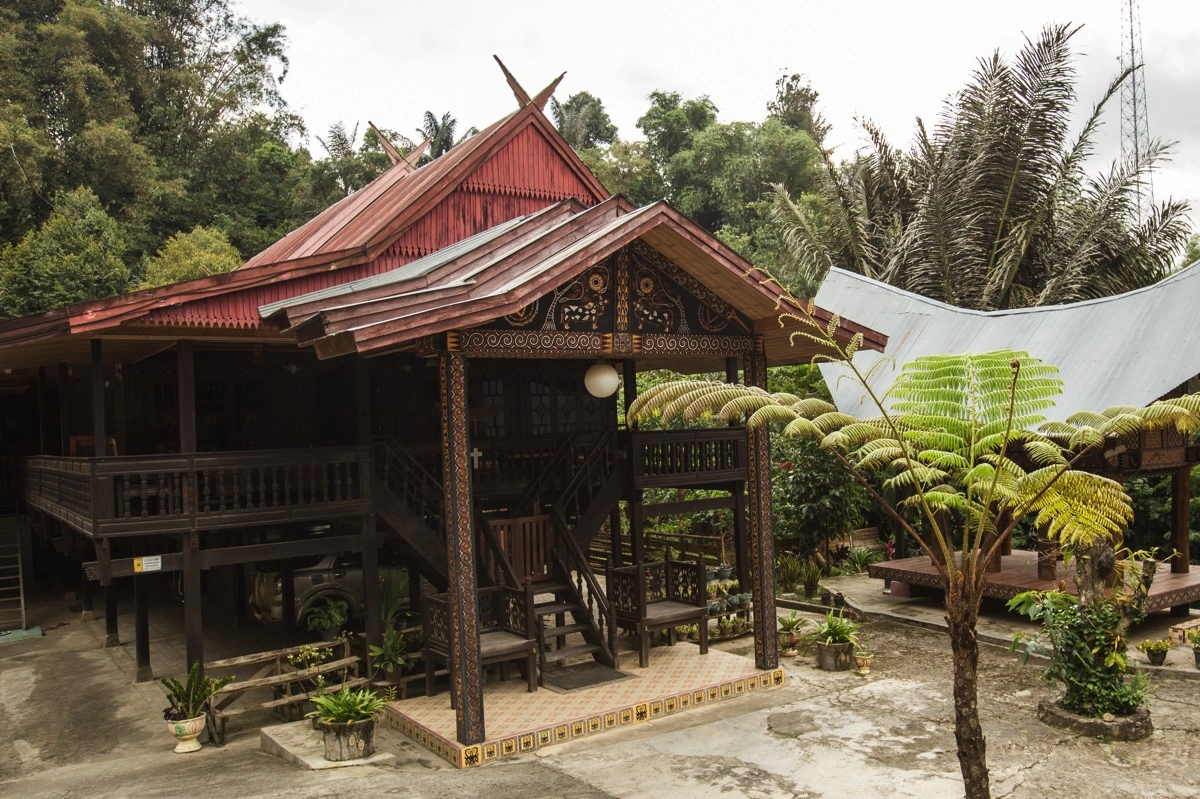
The classical Kaili house is the tambi — a wooden house on stilts with a steep pitched roof, traditionally roofed with palm fibre or wood shingles. The form survives in older interior villages, particularly in the Bada Valley and the upper Palu river. Coastal and city Kaili have shifted to concrete-and-tile architecture.
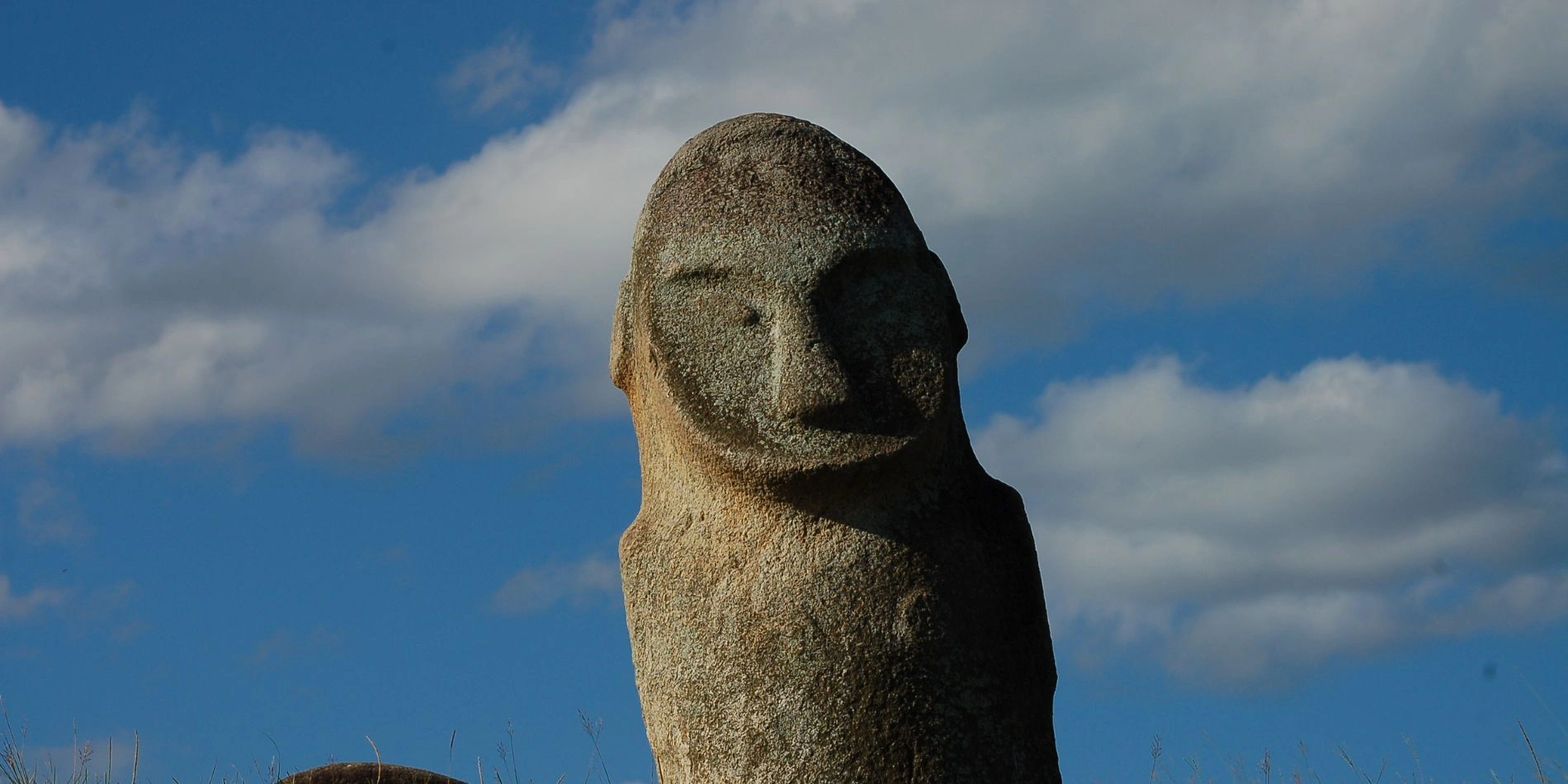
The Bada Valley megaliths — stone figures and stone vats dating from somewhere between 1,000 BCE and 1,000 CE — are found in Kaili-occupied territory and may have been made by ancestral populations whose relationship to the modern Kaili is debated by archaeologists.
Visiting Kaili communities
Most visitors interact with Kaili people through everyday transactions in Palu and Donggala — at markets, restaurants, hotels, and on transport. The interaction is straightforward and the cultural register is mainstream Indonesian-Muslim.
For visitors specifically interested in Kaili village life:
- Kulawi, in Sigi regency — a Christian Kaili village with strong textile traditions and a visitor-friendly setup. Reachable as a day trip from Palu (90 minutes).
- Donggala village — the ikat-weaving centre.
- Bada Valley (in Lore Lindu National Park) — the megalith sites, in an area inhabited by Kaili and related groups.
Etiquette is standard rural Indonesian: ask before photographing people, greet elders first, accept offered food, dress modestly. Knowing a few words of Kaili is a meaningful gesture.
The 2018 earthquake
The 2018 Palu earthquake and tsunami affected Kaili communities heavily — Petobo and Balaroa, two of the worst-affected neighbourhoods, were Kaili-majority. The recovery is ongoing and inflected by community-level discussion about housing, religious practice, and land use that travellers should be aware of without inserting opinions.
Who are the Kaili people? The Kaili are the largest indigenous ethnic group of Central Sulawesi, with about 1.2 million speakers across seven sub-groups in the Palu valley, the Donggala coast, and the surrounding highlands. They are predominantly Muslim, with significant Christian minorities particularly in Sigi regency. The Kaili maintain ikat textile traditions in Donggala village and traditional tambi stilt-house architecture in interior villages.