


#guide
Banggai Archipelago Travel Guide: Beyond the Endemic Cardinalfish
Oleh F. Karuna27 Aug9 menit baca
A Banggai Archipelago travel guide — the endemic cardinalfish at Bone Baru, the small dive operations from Banggai town, and how the trip compares to the Togeans.
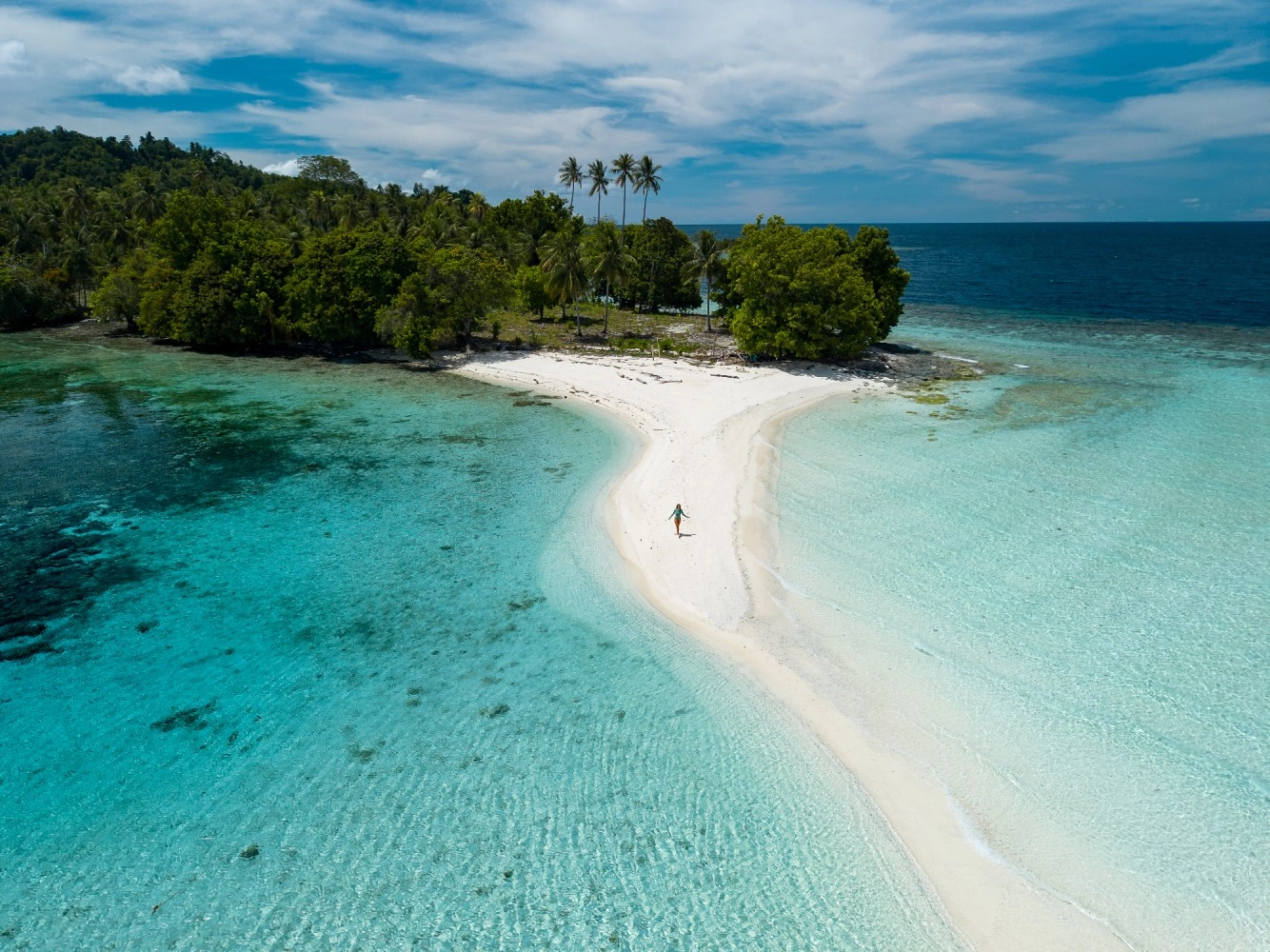
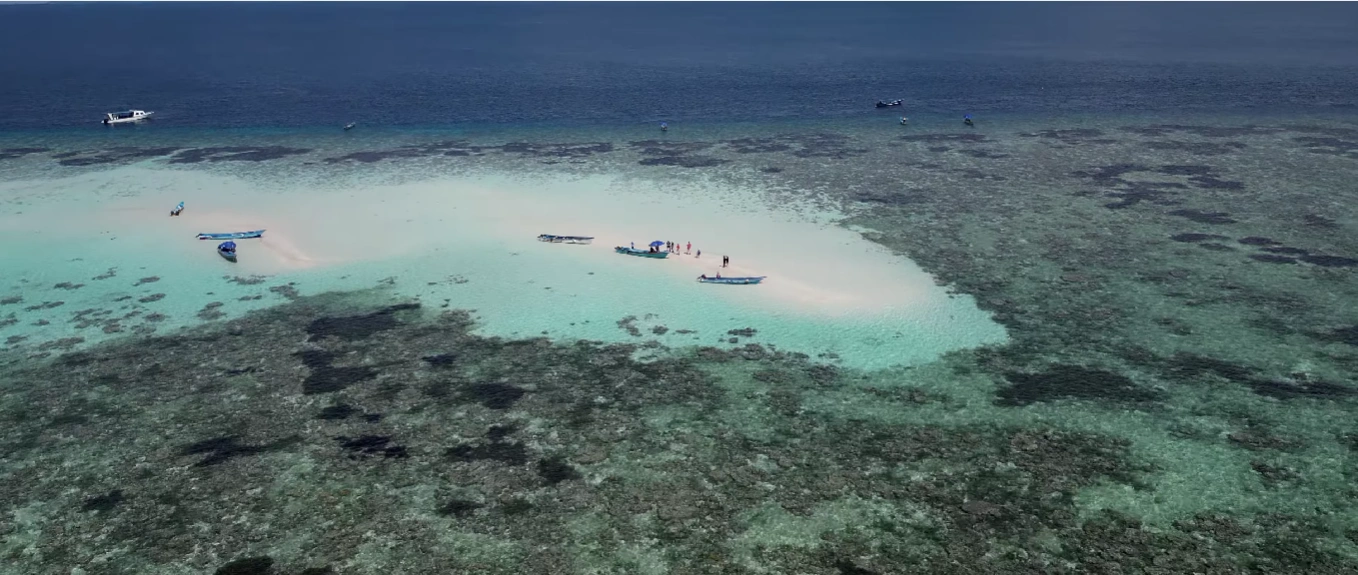
The Banggai Archipelago — 123 islands scattered in the Banda Sea east of Luwuk, Central Sulawesi — is most famous for one thing: the Banggai cardinalfish (Pterapogon kauderni), a black-and-silver-striped fish found wild only in this archipelago and reproduced in aquariums worldwide. Beyond the cardinalfish, the Banggai islands are quietly one of the least-visited cruise-grade marine areas in Indonesia, with healthy reefs, traditional Bajau communities, and a transit pattern that makes them harder to reach than the Togeans.
This is a short guide to visiting the Banggai Archipelago — how to get there, what to do, and whether the trip is right for your itinerary.
Getting to the Banggai
The standard route is via Luwuk in Central Sulawesi. Luwuk has daily Wings Air and Garuda flights from Makassar (90 min) and Manado (75 min). Fares €38–€67.
From Luwuk, the gateway to the archipelago is the port of Banggai (the main town, on Banggai Island itself), reached by daily ferry from Luwuk (4 hours, €2.50–€4) or by speedboat charter.
Inter-island transport within the archipelago is by public boat and chartered speedboat. Plan slowly; nothing is fast.
What to see and do
Bone Baru and the cardinalfish. The village of Bone Baru on Banggai Laut is the historical centre of the cardinalfish's habitat. Sea-grass beds near the village host the fish in their natural setting, sheltering among long-spine sea urchins. Snorkellers can observe them with a local guide; visit is €10.
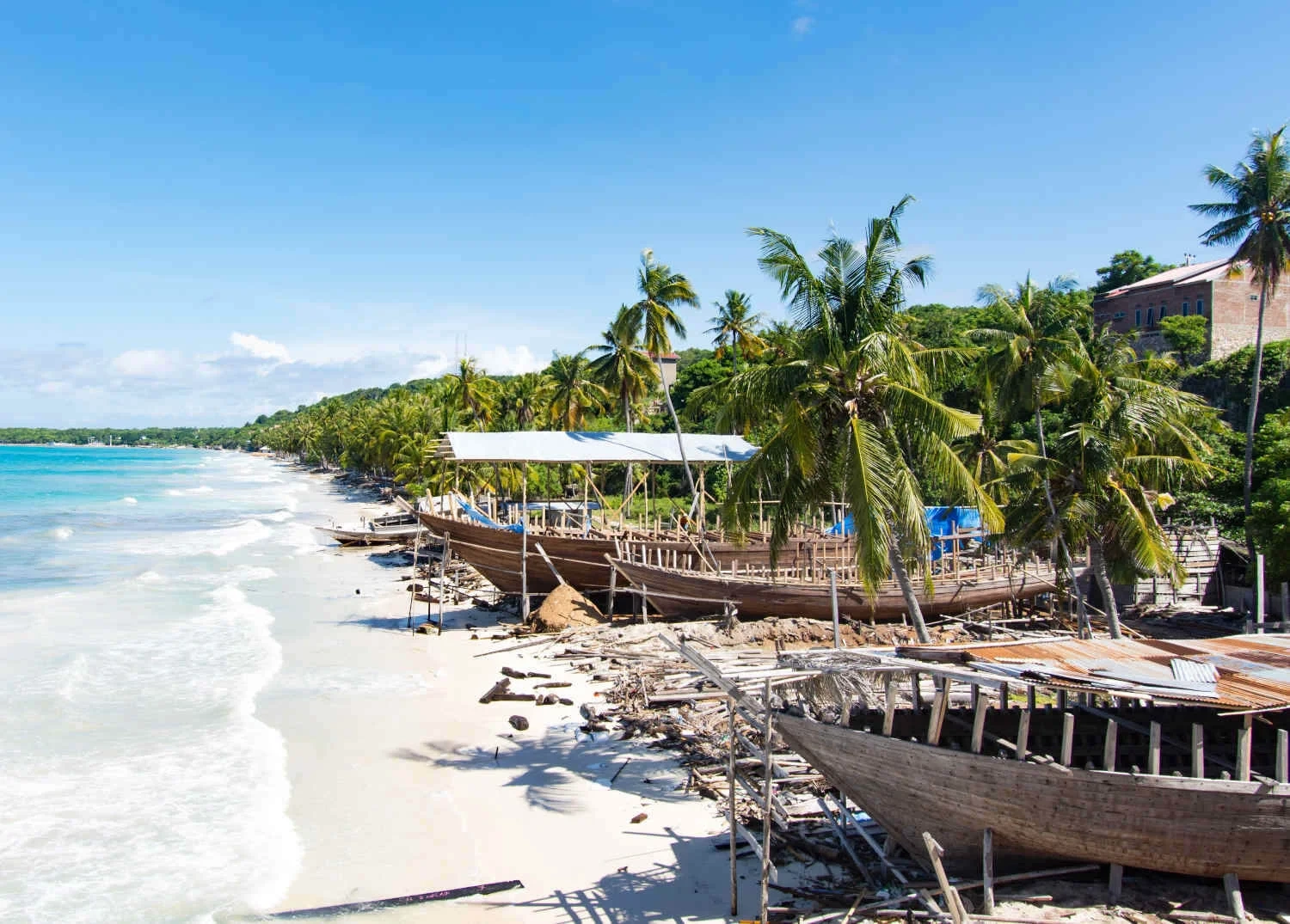
Banggai Town. A small, working port town. Pasar Banggai for fish and spices, the old sultan's palace (modest but historic), and the bay-front for a quiet evening.
Pulau Peleng. The largest island in the archipelago, with longer beaches, the village of Salakan, and some of the better diving. Two or three small homestays.
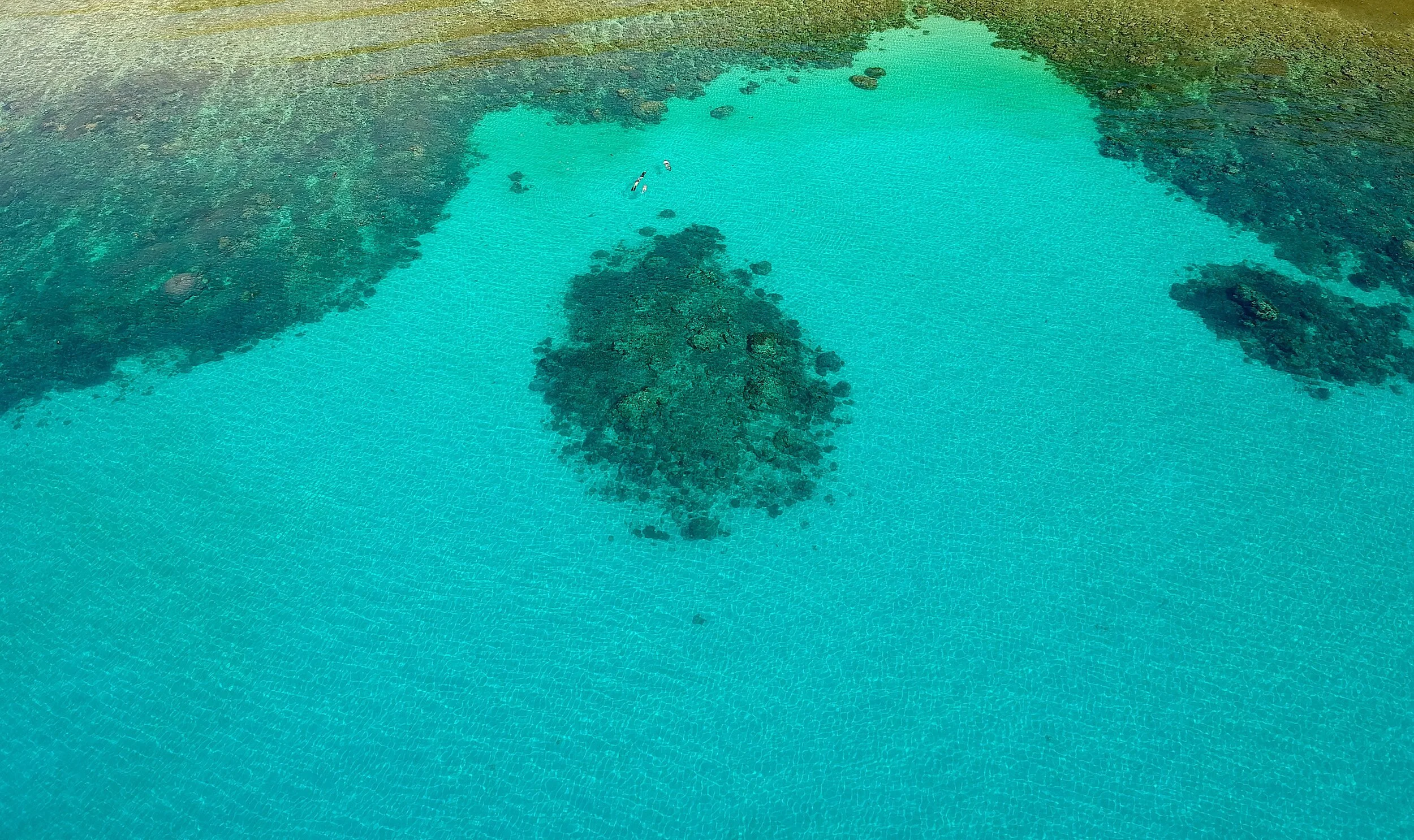
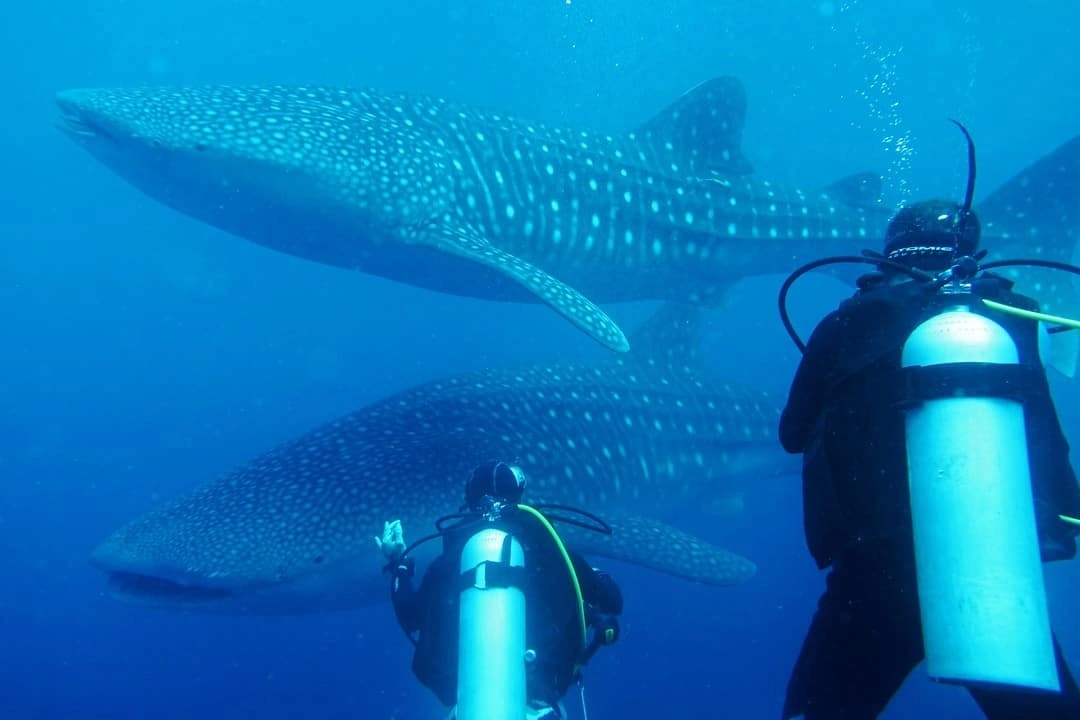
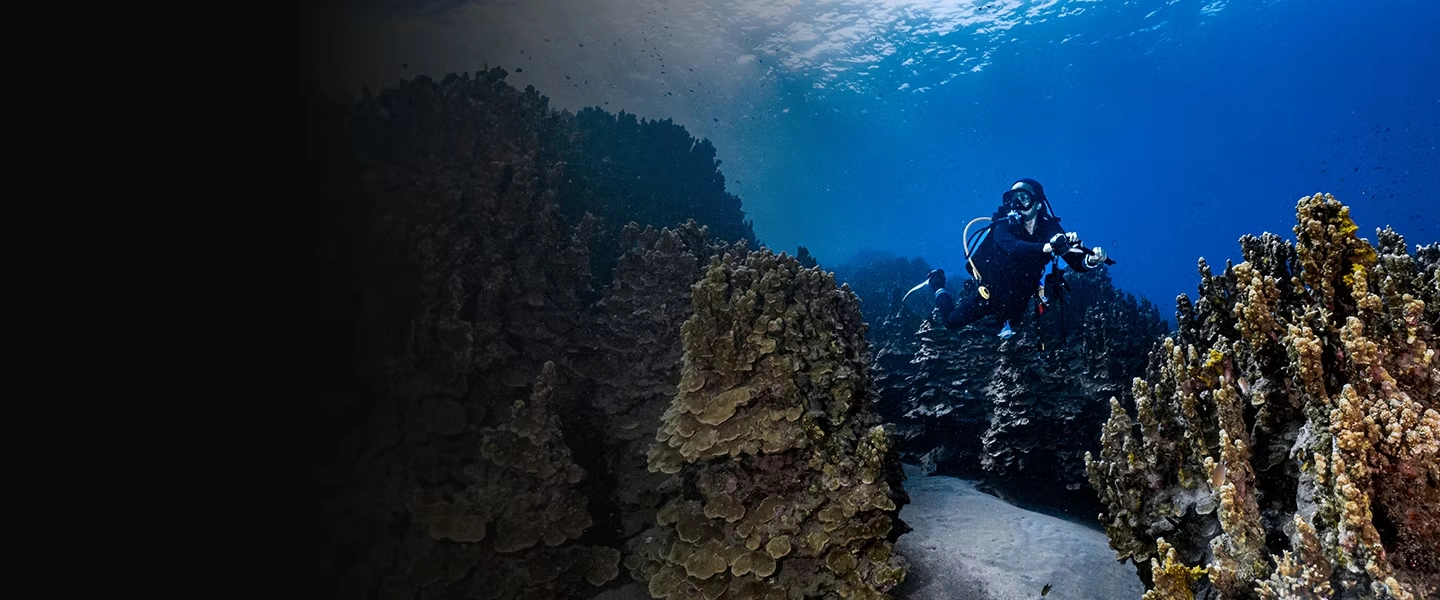
Pulau Banggai dive sites. Pristine fringing reefs with healthy coral and large schools of Lutjanus. Two small operators run from Banggai town; rates €33–€43 per dive.
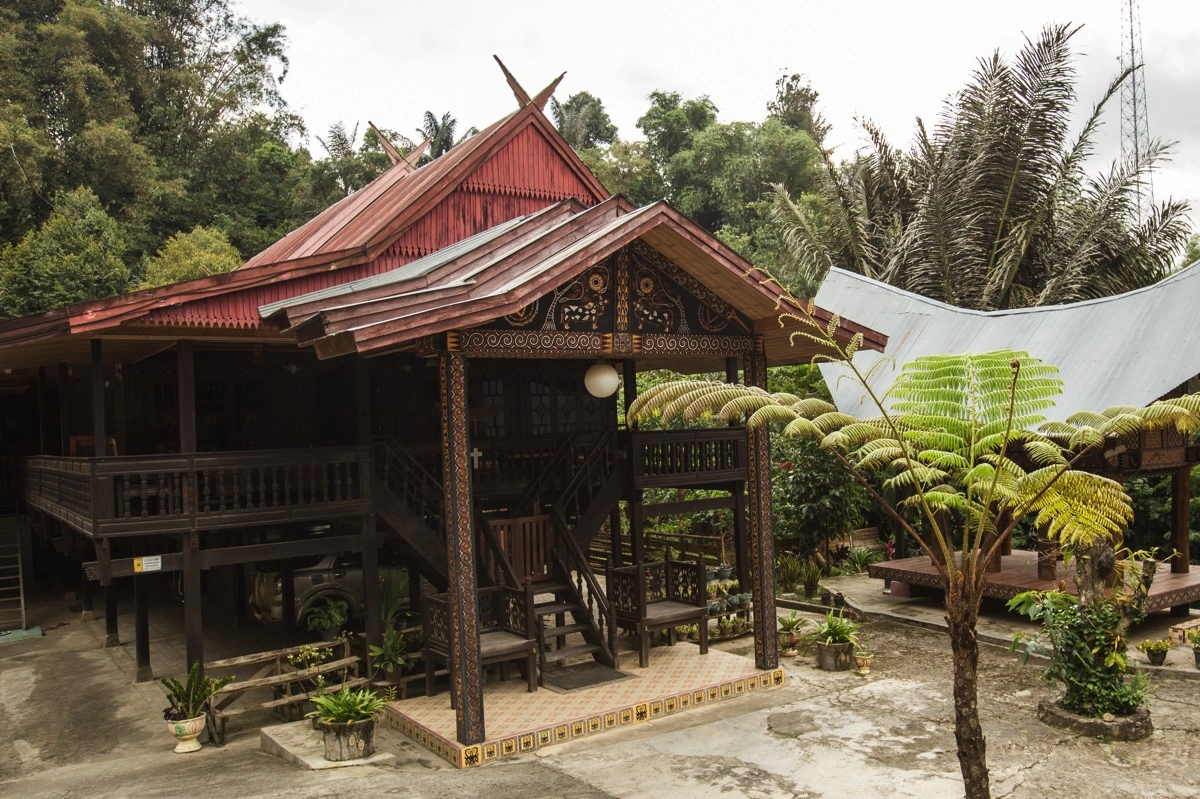
Bajau stilt villages. Communities scattered across the islands. Sea-nomad heritage, slow pace, careful welcome to respectful visitors.
Where to stay
Modest options across the archipelago:
- Banggai town. Small hotels and guesthouses, €14–€29.
- Bone Baru. Basic village homestay, €7–€14.
- Peleng (Salakan). Two small guesthouses, €10–€19.
No resorts. No luxury options. Cash only across most of the archipelago — pull from the BRI ATM in Luwuk before crossing.
What to eat
Banggai food is recognisably Buginese and Bajau-influenced. Heavy on fish, sago in the older households, and the local kima (giant clam) when it is available legally.
When to visit
April–November is the dry season window. Sea conditions deteriorate seriously in the wet season; inter-island transport becomes unreliable from December to March.
Banggai vs Togean
Both are remote Sulawesi archipelagos with strong reef ecosystems. The differences:
- Access. Both require a flight to a small airport (Luwuk for Banggai, Luwuk or Gorontalo for Togeans) plus ferries.
- Crowding. The Banggais are even quieter than the Togeans, which is saying something.
- Diving. Togean has more reef-type variety (atoll, barrier, fringing); Banggai has stronger fish numbers and the cardinalfish endemic.
- Logistics. Banggai inter-island transport is harder.
Banggai is the right choice for travellers who have already done the Togeans and want even quieter water. For first-time visitors to remote Sulawesi archipelagos, the Togeans are easier.
What is the Banggai cardinalfish? Pterapogon kauderni is a small black-and-silver-striped fish endemic to the Banggai Archipelago in Central Sulawesi. In the wild it lives in sea-grass beds near villages like Bone Baru on Banggai Laut, sheltering among long-spine sea urchins. The species is reproduced in aquariums worldwide but found wild only in this small marine area.