
#wildlife
Bogani Nani Wartabone: North Sulawesi's Wild Frontier
Oleh M. Tandi12 Mar9 menit baca
A guide to Bogani Nani Wartabone — northern Sulawesi's largest park, the Tambun Maleo nesting site, and one of the most ecologically important protected areas in Indonesia.
Bogani Nani Wartabone is the largest national park in North Sulawesi — about 287,000 hectares of forest spanning the border between North Sulawesi and Gorontalo provinces. It is older than the standard tourist-circuit parks at Tangkoko and Lore Lindu, less visited, less developed for visitors, and considered by serious wildlife biologists to be one of the most ecologically important protected areas in Indonesia. The park holds significant populations of all the Sulawesi-endemic mammals — Anoa, Babirusa, tarsier, crested black macaque — plus the Maleo bird at the Tambun nesting site on the park's edge.
This is a short guide for travellers planning a Bogani Nani Wartabone visit — what's there, how to access it, and how it compares to the better-known parks.
Why the park matters
Three reasons:
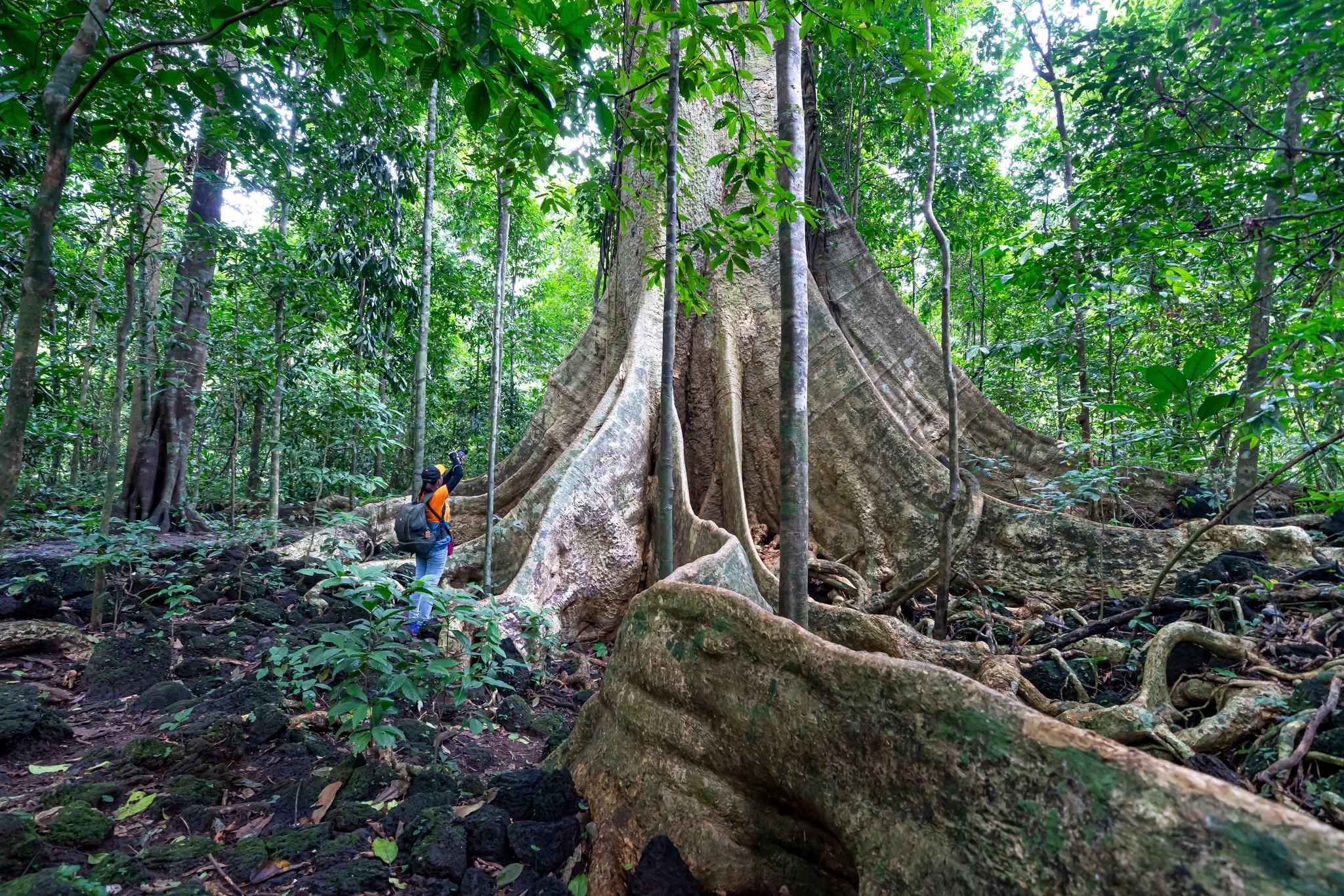
- Size and intactness. At 287,000 hectares, larger than Lore Lindu and substantially larger than Tangkoko. The deep forest interior holds populations that have been less affected by edge pressure than smaller parks.
- Species concentration. All the Sulawesi-endemic large mammals occur here, plus the full bird-endemic list.
- The Tambun Maleo site. One of the two best-managed Maleo nesting sites in Sulawesi, with a long-running community conservation program.
The trade-off: visitor infrastructure is modest, access requires effort, and the typical short-stay visitor will see less wildlife than at Tangkoko despite the park's higher overall density. Bogani Nani Wartabone rewards longer, more committed visits.
Getting there
The park spans the North Sulawesi / Gorontalo border, with two main access points:
- North Sulawesi (Doloduo, Bolaang Mongondow regency). 6 hours by road from Manado. The main visitor entry point.
- Gorontalo side. 4 hours by road from Gorontalo town. Less developed for visitors.
Most travellers come via Doloduo. The road from Manado runs through coastal villages and into a long forested stretch; the park entrance is at the village of Doloduo itself.
Where to base
Modest options:
- Doloduo homestays. Three or four basic homestays in the village, €10–€17 per night including meals.
- Tambun field station. Simple accommodation at the Maleo nesting site for visitors specifically on Maleo conservation trips. Arranged through the Maleo conservation programme.
No resorts. No mid-range hotels. The visit is rough by tourism-circuit standards.
What to do
Maleo viewing at Tambun. The flagship visit. See the dedicated Maleo Bird article. A half-day at the nesting site with rangers; arrange in advance through the conservation programme.
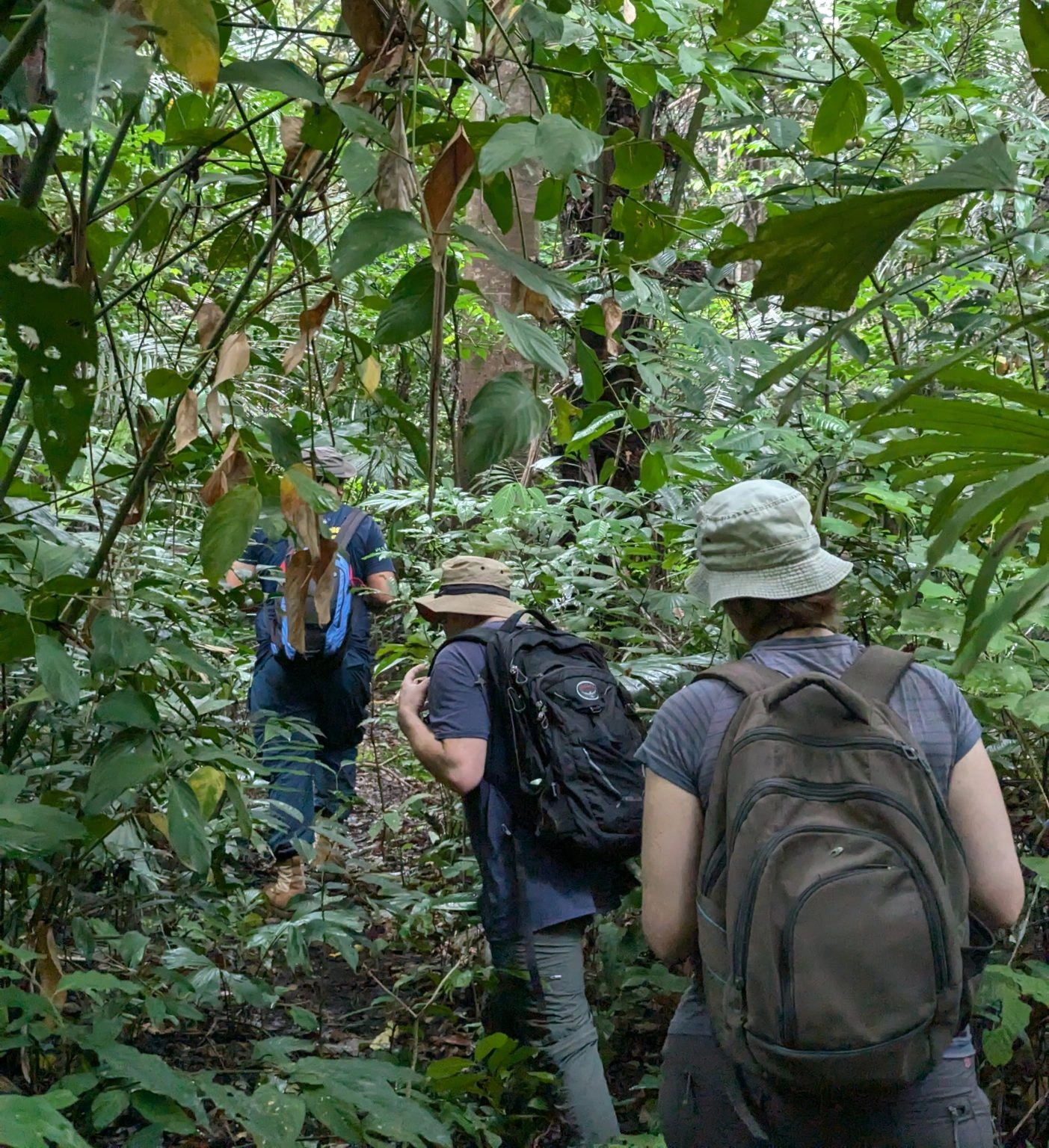
Bird walks. Several day-walk routes from Doloduo lead into the lower-elevation forest. Knobbed hornbill, Sulawesi pitta, several endemic kingfishers — typical morning sightings. Guide essential.
Multi-day trekking. For serious wildlife travellers, multi-day treks with rangers cover the higher-elevation forest and offer the (rare) chance of Anoa, Babirusa, and the harder bird endemics. 4–7 days. Logistics through the park office at Doloduo.
Tarsier viewing. Tarsiers exist in the park; sightings less reliable than at Tangkoko due to the larger and less-monitored ranger network. Possible with patience and a knowledgeable guide.
When to visit
May–October is the practical window. Wet season trips are possible but lose time to weather; the deeper forest trails become difficult.
The Maleo lays year-round but with peaks in the dry season. For Maleo-focused trips, time the visit to the May–September peak.
Bogani Nani Wartabone vs Tangkoko
For travellers choosing between the two:
- Tangkoko — easier access, more developed for visitors, more reliable tarsier and macaque sightings, less species depth.
- Bogani Nani Wartabone — harder access, fewer visitors, higher species potential, more rewarding for serious wildlife trips.
A traveller with two days for wildlife should pick Tangkoko. A traveller with a week should add Bogani Nani Wartabone, ideally including a Tambun Maleo visit.
How to combine with a wider trip
The natural pairings:
- Manado-based trip. Bunaken (4 nights) → Tangkoko (2 nights) → Bogani Nani Wartabone (3 nights) → Manado. 9–10 days.
- Cross-Sulawesi trip. Gorontalo (Nantu for Babirusa) → Bogani Nani Wartabone via the Gorontalo side → North Sulawesi.
Conservation context
The park name commemorates Bogani Nani Wartabone — a Minahasan independence-era resistance leader. The park itself was gazetted in 1991, expanding earlier protected areas, and has been continuously managed since with substantial NGO involvement (particularly around the Maleo conservation work).
The principal threats are illegal logging at the park edges, agricultural encroachment, and the bush-meat trade. The conservation outlook is cautiously positive — better than many Indonesian parks — but not secure. Visitor revenue, modest but real, contributes to the case for continued protection.
For travellers interested in wildlife conservation as a substantive part of their trip, a Bogani Nani Wartabone visit is one of the more directly impactful ways to spend tourist money in North Sulawesi.
What is Bogani Nani Wartabone National Park? Bogani Nani Wartabone is a 287,000-hectare national park spanning the North Sulawesi / Gorontalo border — the largest protected area in northern Sulawesi. It holds significant populations of Anoa, Babirusa, tarsier, and crested black macaque, plus the Maleo bird at the Tambun nesting site on the park's edge. Access is via Doloduo, 6 hours by road from Manado.