
#practical
Family Travel in Sulawesi: What Works, What Doesn't
Oleh A. Rahmawati06 Aug10 menit baca
A guide to family travel in Sulawesi — what works (Bunaken snorkelling, Tangkoko wildlife, Rammang-Rammang boats), what to skip (Bada Valley, Togean Islands, overnight buses).
Sulawesi is not the easiest Indonesian island for family travel. The distances are long, the activities are often physically demanding or culturally heavy, and the family-tourism infrastructure is thinner than in Bali or Lombok. That said, families with children of the right ages and the right interests can do exceptionally well in Sulawesi — particularly with the wildlife and beach destinations of the north. This guide is an honest sort of what works, what to skip, and how to plan around the constraints.
This is written for families with school-age and older children. Travelling Sulawesi with infants and toddlers is doable but adds significant logistical friction.
What works particularly well
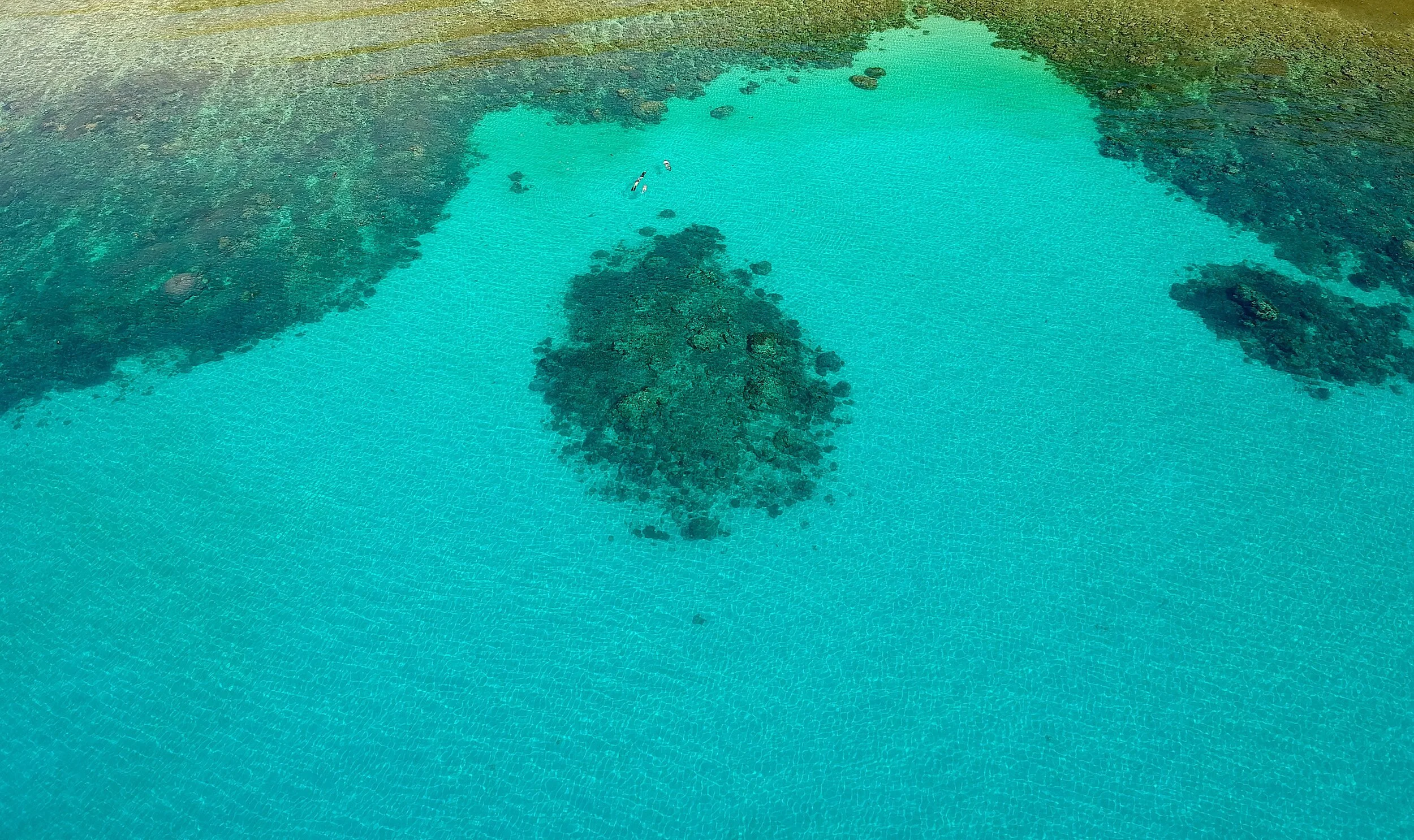
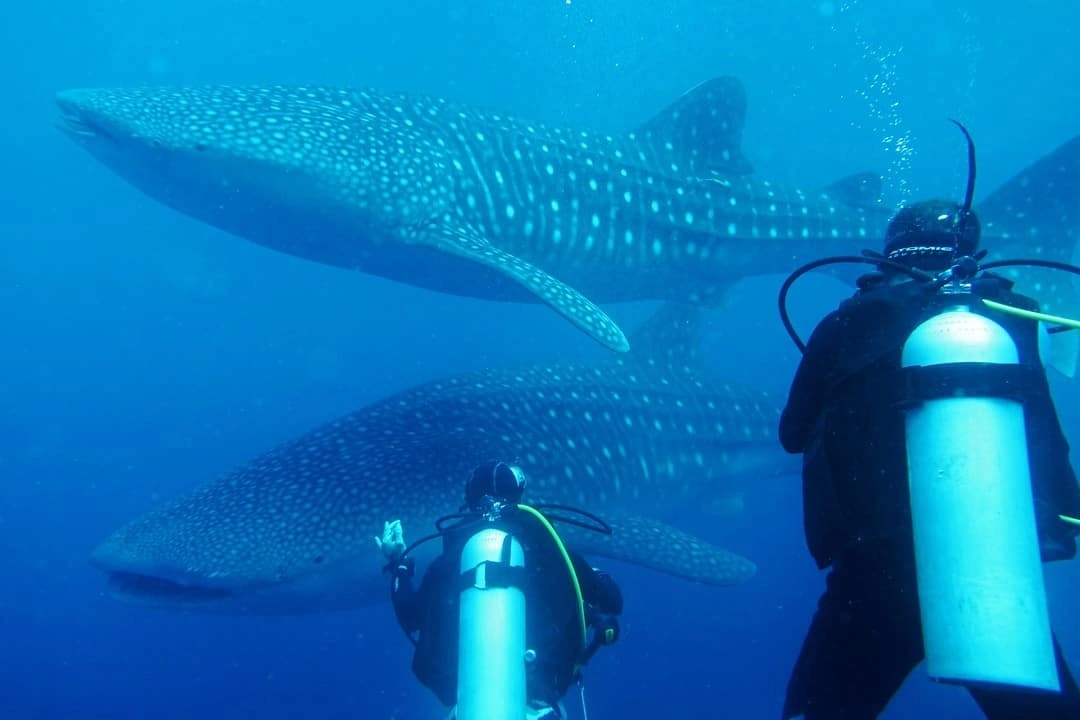
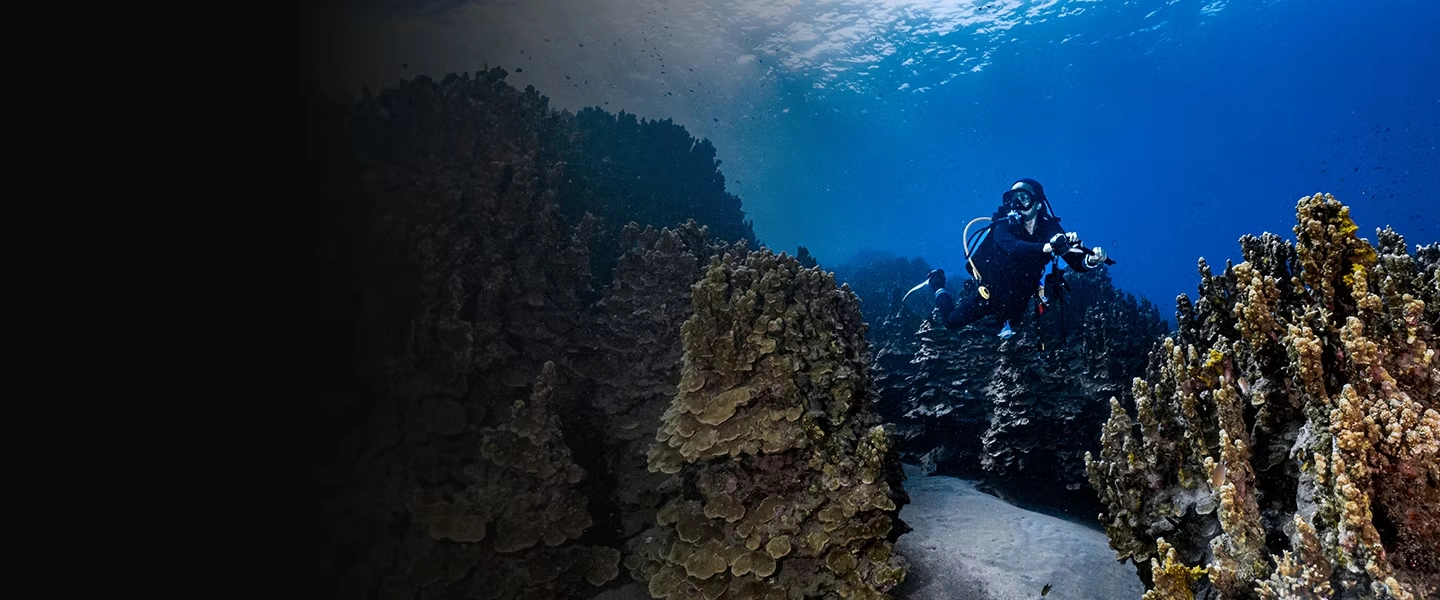
Bunaken and the diving circuit. Children old enough to snorkel (age 6+) have a strong time at Bunaken. The water is warm, calm, shallow at the reefs, and the marine life — turtles, schools of reef fish, the occasional dolphin — is visible without diving. PADI Bubblemaker and Junior Open Water Diver certifications work for children from age 8.
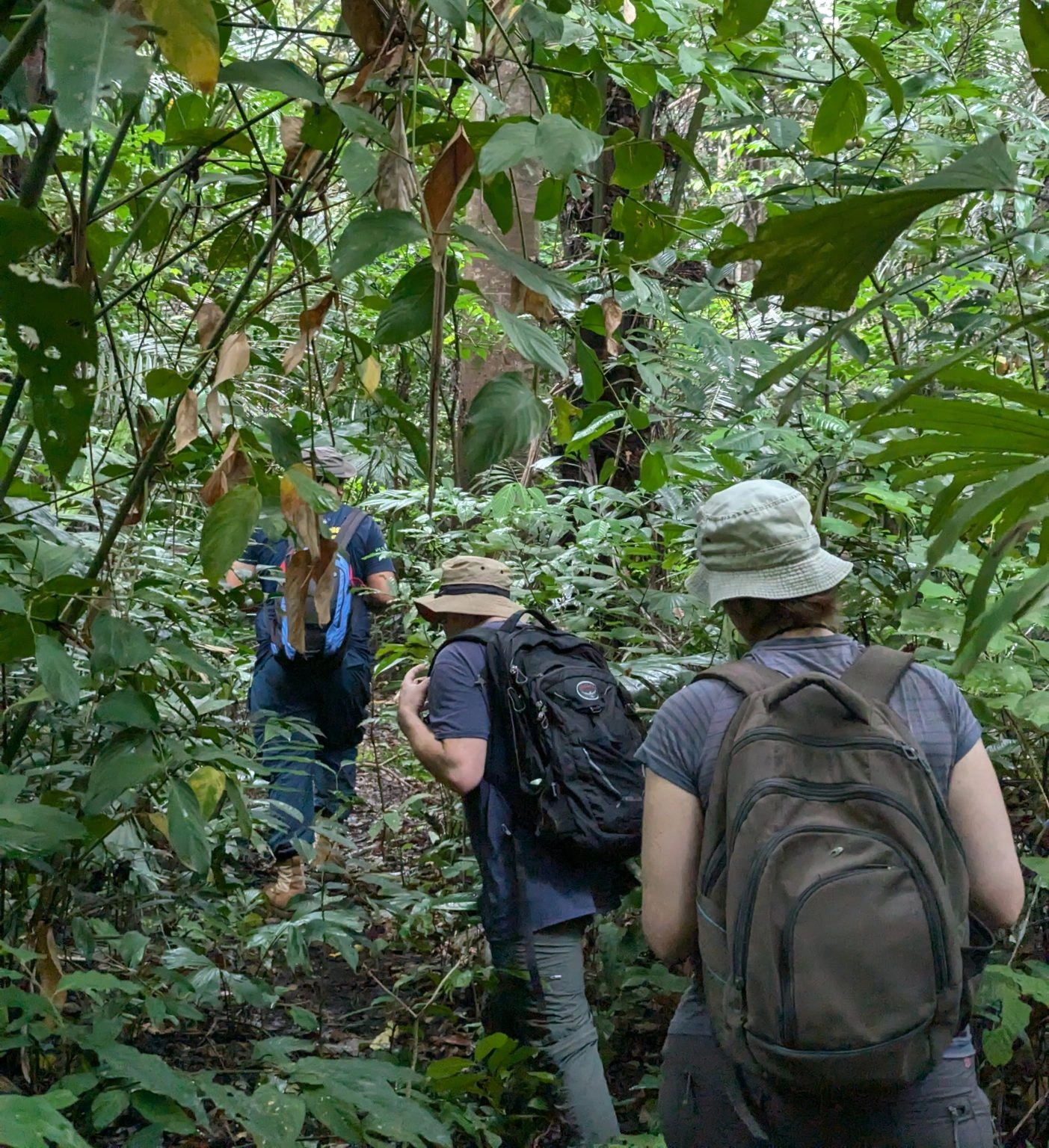
Tangkoko (tarsiers and macaques). Genuinely great for children old enough to keep quiet on the trail (age 7+). Both the morning macaque walks and the dusk tarsier visits work as family experiences. Rangers are good with kids.
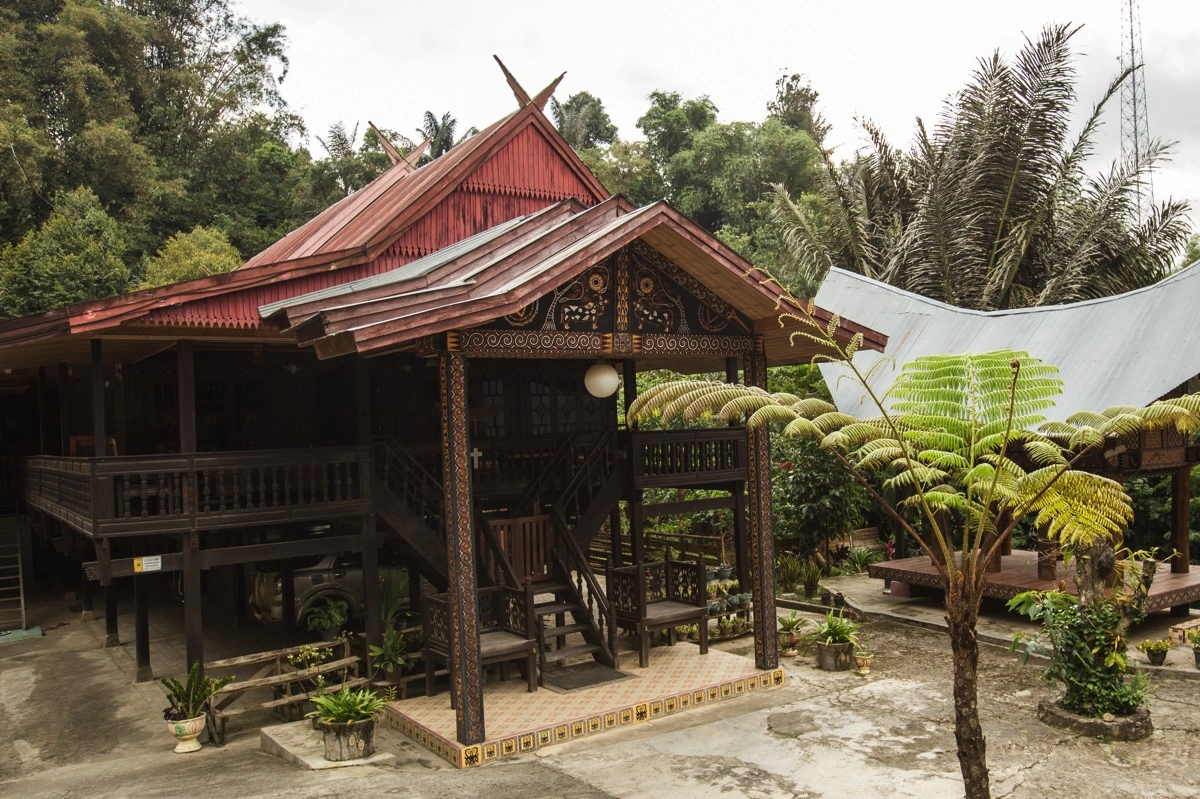
Tana Toraja (with the right framing). Children old enough to engage with cultural history (age 10+) often find Toraja genuinely interesting. The tongkonan architecture, the cliff burials, the funeral context — handled at the right level of detail — produce stronger family experiences than the generic beach trip. Younger children may struggle with the funeral aspects.
Lake Tempe floating villages. A 90-minute boat trip through Bugis floating villages is excellent for children of any age. Visual, engaging, low-physical-demand.
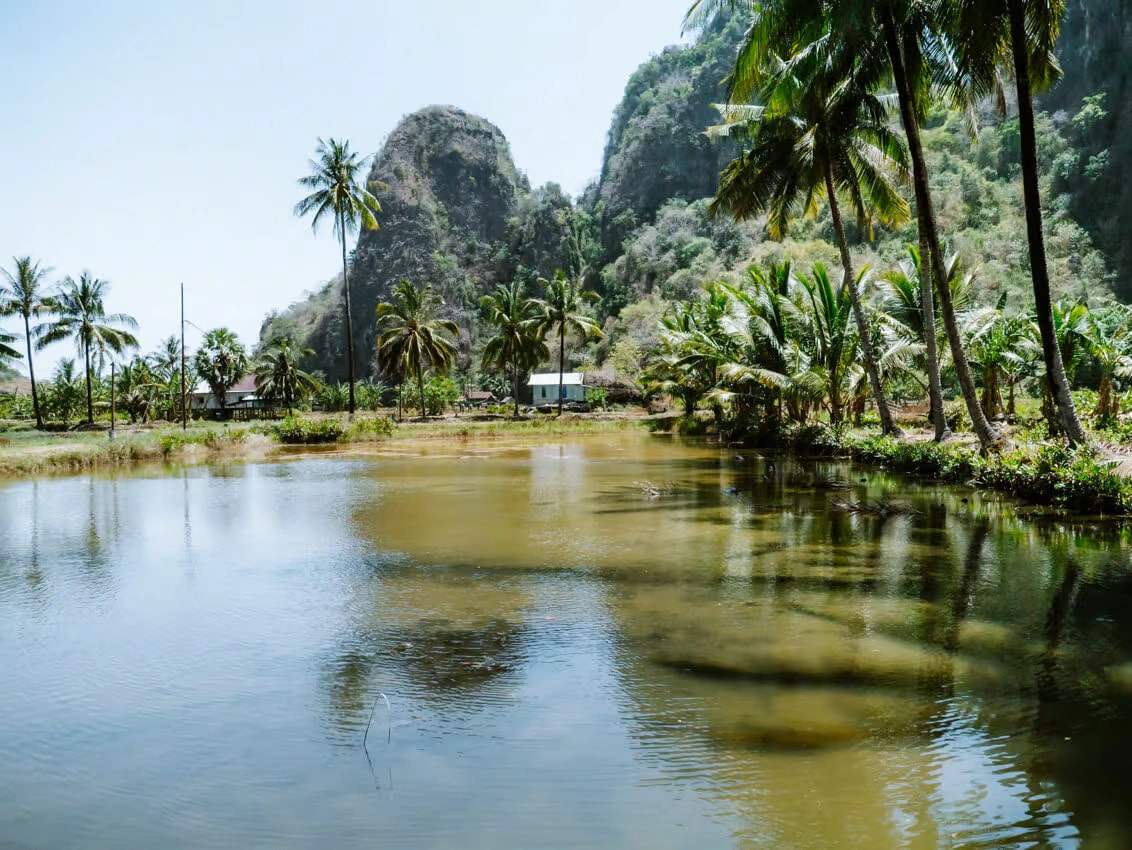
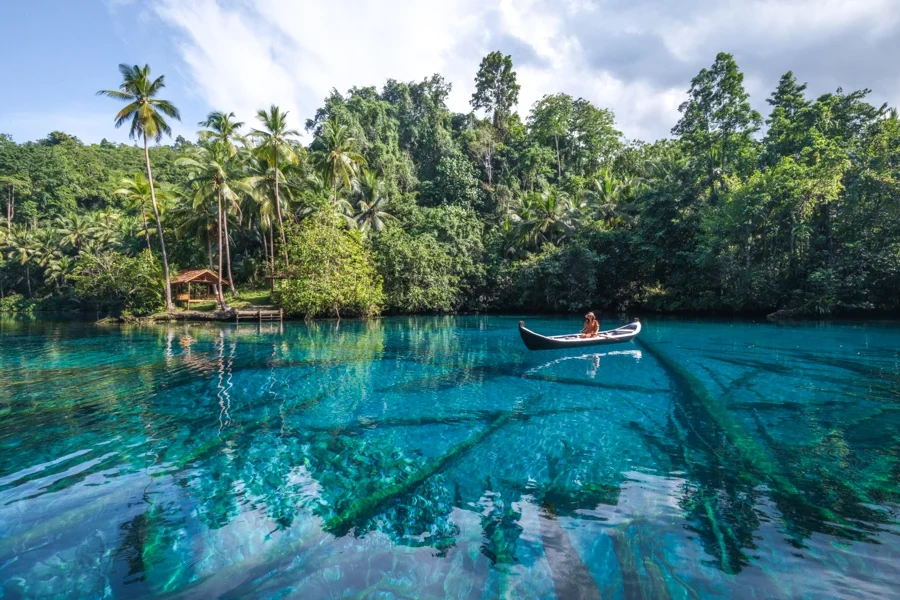
Rammang-Rammang karst boat trip. Same comments. Boats through limestone towers; works for all ages.
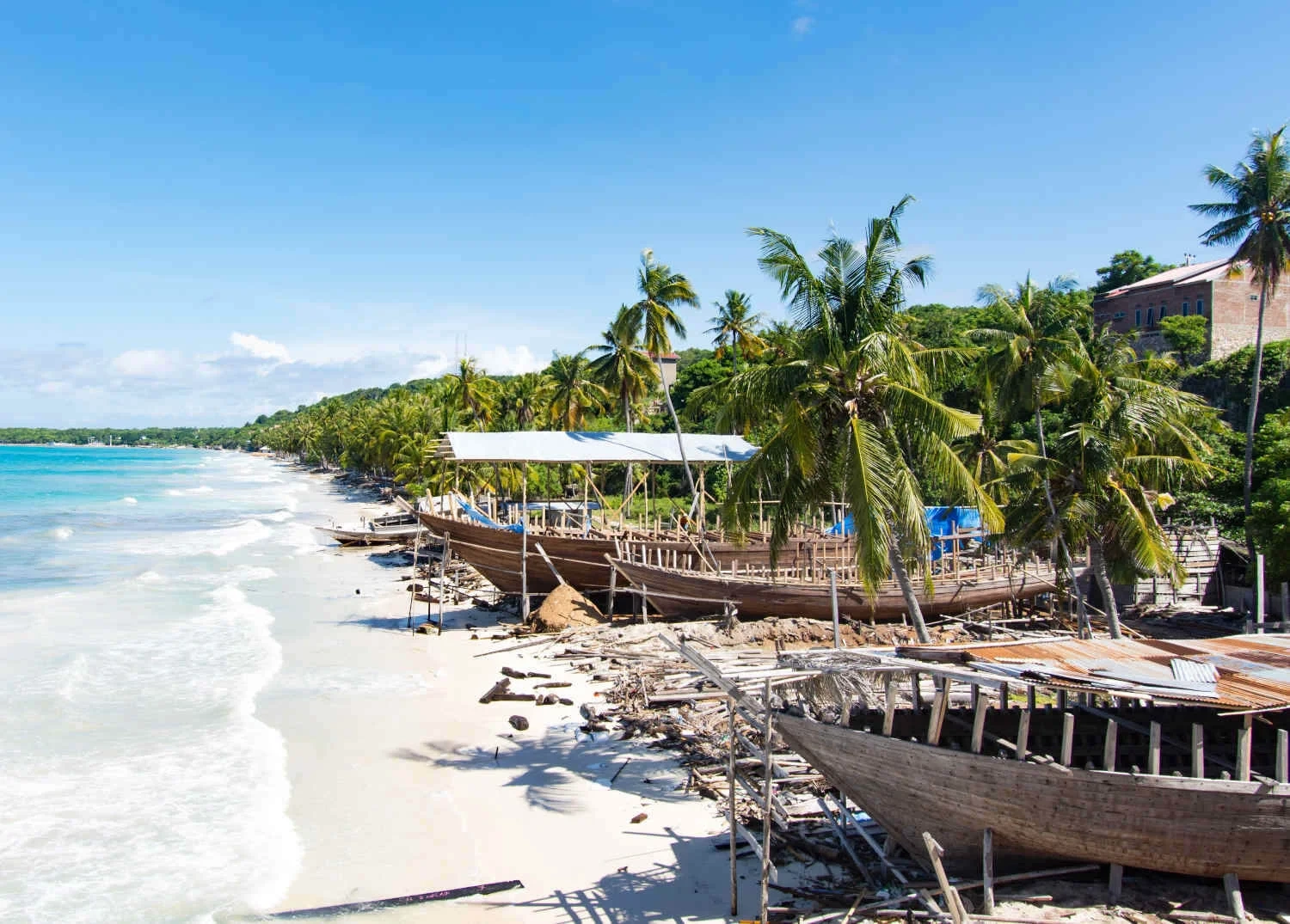
Bira beaches. Standard tropical beach, calm water, easy snorkelling. Works for children from age 3 upward.
What doesn't work well
Long overnight buses. The Makassar-Toraja overnight bus is rough for adults; rougher for kids. Take private cars or fly when possible.
Lore Lindu trekking. Multi-day birding treks are inappropriate for most children under teenage age. Single-day Lore Lindu visits work; the deeper park trips don't.
The Bada Valley megaliths. 12 hours of bad road each way to see stone figures. Adult-trip-only for most families.
The Togean Islands. The travel days alone (3+ in each direction) eat any reasonable family timeline. The disconnection that adults find rewarding can wear on children.
Wakatobi for non-diving families. If diving is the point, fine. If not, the long flights and limited non-diving infrastructure make Wakatobi a low-yield family destination.
Toraja funerals for young children. Buffalo sacrifices are difficult to watch and inappropriate for many children. Older children (12+) can handle it with preparation; younger children should be kept away.
A working 14-day family itinerary
For a family with school-age children (8–14) on a 14-day Sulawesi trip:
Days 1–2: Makassar.
- Fort Rotterdam (engaging cultural site, manageable scale).
- Rammang-Rammang boat trip.
- Pantai Losari sunset with pisang epe.
- Hotel: Aryaduta or Swiss-Belhotel Losari (kid-friendly, pool).
Days 3–5: Tana Toraja.
- Fly Pongtiku if running; otherwise overnight bus reluctantly or private car.
- Kete Kesu, Lemo, Pallawa — half-day each, framed as architectural/historical visits.
- Avoid funerals if children under 12.
- Hotel: Toraja Misiliana or one of the heritage-style mid-range options.
Days 6–7: Travel + Bunaken setup.
- Drive back to Makassar; fly to Manado.
- Resort transfer to Bunaken; ease into the dive resort.
Days 8–10: Bunaken.
- Half-day snorkelling at house reef.
- One Junior Open Water Diver day for older kids (age 10+).
- Down days for swimming and resort time.
Days 11–12: Tangkoko.
- Drive to Tangkoko (90 min).
- Dusk tarsier walk + morning macaque walk + birding.
- Stay at Batu Putih homestay or a small lodge.
Days 13–14: Manado + departure.
- Return to Manado.
- Day at Tomohon (highland market, lake) or beach time at Pulisan.
- Fly home.
A 14-day rhythm. Two flights internally, no overnight buses, two genuinely strong wildlife encounters, a real beach component, and one substantial cultural visit. Works.
Accommodation strategy
Resorts over homestays for families. Family-friendly Bunaken resorts (Living Colours, Two Fish) have kid pools, family rooms, and meal service that works for kids. Homestays don't.
Mid-range hotels in cities. International chains in Makassar and Manado have pools and reliable kitchens. Useful base for kids.
Heritage hotels in Rantepao. Toraja Misiliana and similar offer family rooms and a swimmable pool, important for kids after a hot day of village walking.
Avoid budget homestays for families with kids under 10. The savings don't justify the friction.
Food considerations
Sulawesi food is generally kid-friendly:
Easy for kids:
- Nasi goreng (fried rice).
- Mie goreng (fried noodles).
- Es jeruk (fresh orange juice).
- Pisang epe (grilled banana with palm sugar).
- Es pisang ijo (the cold dessert).
- Grilled fish with rice.
More challenging:
- Coto Makassar (offal-heavy).
- Lawa bale (raw fish).
- Spicy rica-rica.
- The bush meat at Pasar Tomohon.
A working strategy: order one familiar dish per kid plus one regional dish to share. Most warungs will accommodate spice-level requests.
Health and safety
Vaccinations. Standard kid vaccinations updated, plus Hepatitis A. Discuss with a paediatric travel doctor.
Sun. Sulawesi sun is strong. Mineral sunblock, long-sleeved swimwear for kids, hats, hydration.
Mosquitoes. Dengue is present. Use repellent with DEET (or picaridin for younger kids), avoid dusk exposure where possible.
Diarrhoea preparedness. A standard child-traveller medical kit (oral rehydration salts, paediatric Imodium, a paediatric antibiotic for serious cases prescribed by your doctor) is sensible.
Insurance. Standard travel insurance with paediatric coverage. Diving insurance separate for any junior diver activities.
Cultural moments to plan around
Two specific Toraja moments that benefit from advance preparation with children:
Buffalo sacrifice. If you choose to attend a Rambu Solo', prepare children in advance. Many families with children under 12 step away from the sacrifice itself and rejoin the ceremony afterwards.
Cliff effigies (tau-tau). Children can find the wooden effigies at Lemo unsettling. Frame in advance as "Toraja portraits of ancestors."
For families uncomfortable with these elements, skip them. The architecture-and-textile side of Toraja is rewarding without the burial/funeral components.
What to skip on a family trip
For families specifically:
- The Bada Valley.
- Lore Lindu interior treks.
- Wakatobi (unless diving is the focus).
- Togean Islands.
- Overnight buses.
- Most cooking-class experiences with very young children.
Save these for adult-only return trips.
Why Sulawesi for families anyway
The trade-off is real: Sulawesi requires more planning than Bali, and the family-tourism infrastructure is thinner. The reward: the wildlife encounters at Tangkoko and Bunaken are genuinely strong, the cultural depth of Tana Toraja is real, and the trip avoids the over-tourism of Indonesia's headline destinations.
For families with school-age children, some flexibility, and an interest in something other than the standard tropical-beach formula, Sulawesi works particularly well.
Is Sulawesi a good destination for family travel? Sulawesi works well for families with school-age children (8–14) focused on wildlife (Bunaken snorkelling, Tangkoko tarsiers and macaques) and selected cultural sites (Toraja, Rammang-Rammang karst). Skip the deeper destinations (Bada Valley, Togean Islands, Wakatobi without diving). The standard 14-day family itinerary covers Makassar, Toraja, Bunaken, and Tangkoko using flights and private cars rather than buses.