











A primer on Lawa Bale — the Bugis raw-fish dish of fresh diced skipjack tuna "cooked" in lime juice with grated coconut, shallot, chilli, and lemongrass.
Lawa bale is the Bugis raw-fish preparation — fresh skipjack or tuna, finely diced, "cooked" in lime juice and combined with grated coconut, shallot, chilli, and a sambal of small chillies and herbs. The Indonesian comparison is to gohu (the Manado raw-fish dish) and to ceviche broadly; the closer comparison is to the Pacific Islander poke and kelaguen traditions, since the Bugis sailing networks historically connected through to those regions. Lawa bale is the Bugis maritime culture in a bowl.
This is a short primer on lawa bale — what's in it, where to eat it, and whether to.
What's in the bowl
A standard lawa bale contains:
- Raw fish — typically cakalang (skipjack tuna) or tuna sirip kuning (yellowfin), very fresh, finely diced.
- Lime juice — for the chemical "cooking" (denaturing the proteins).
- Grated young coconut — the distinctive textural element.
- Shallot, garlic — finely chopped.
- Red chilli — sliced or chopped.
- Lemongrass, lime leaves — for aromatic depth.
- Salt and a small amount of palm sugar.
The dish is served at room temperature or slightly chilled, in a shallow bowl, sometimes wrapped in banana leaf for a sit-down meal. Eaten with white rice or jepa (sago crisp).
A portion runs €2–€4 at warungs.
Where to eat it
Lawa bale is concentrated in:
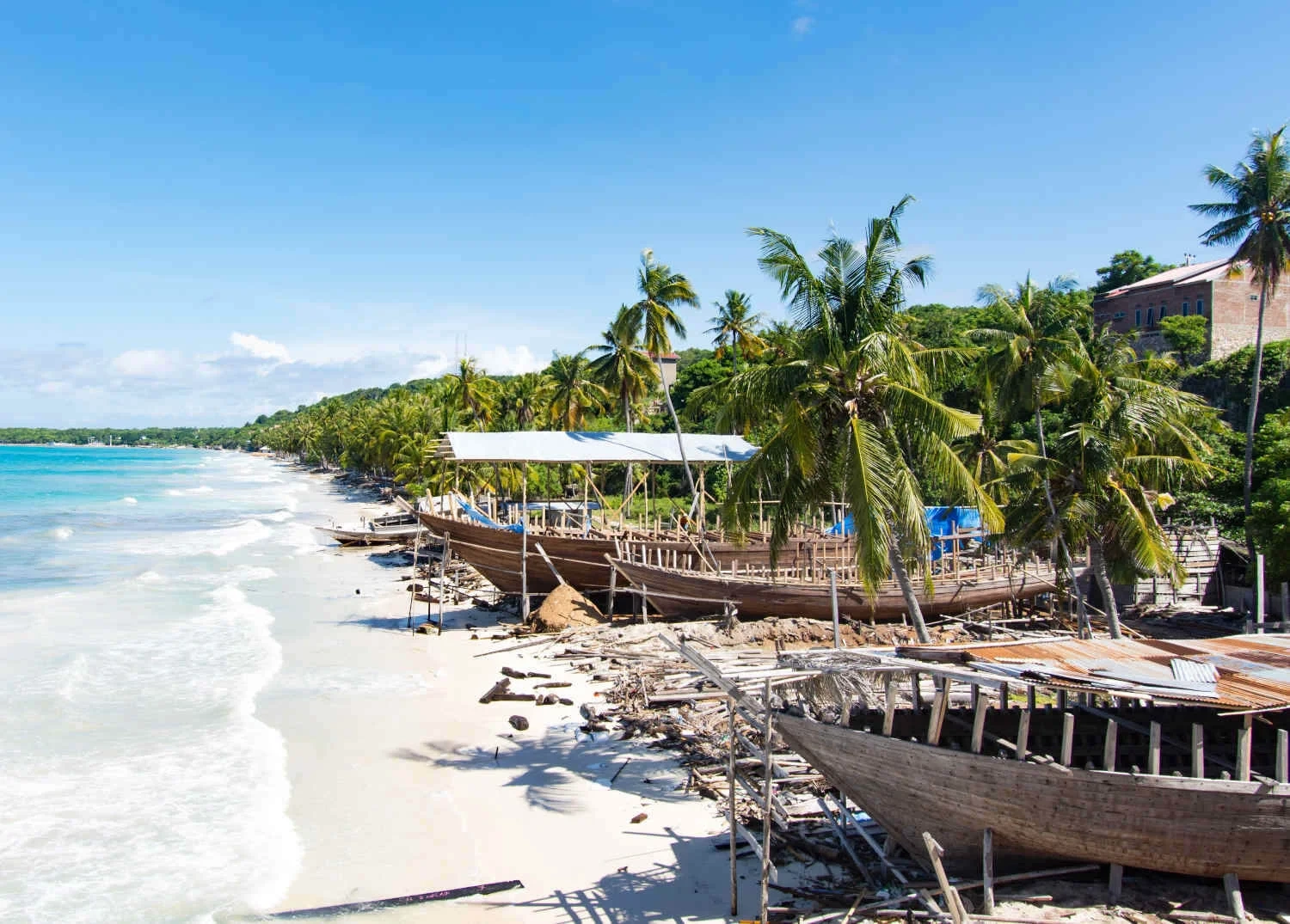
Coastal Bugis villages. The dish is more common in fishing villages than in the cities. Particularly strong in:
- Bira (South Sulawesi) — several warungs.
- Palopo and the Luwu coast — specifically the Bugis-speaking sections.
- Pare-Pare — at the harbour-side warungs.
- Mamuju and the West Sulawesi Mandar coast.
Makassar. A handful of Makassar restaurants serve lawa bale. Rumah Makan Lasinrang is reliable. Most Makassar tourists never encounter it; it requires specific looking.
Wedding ceremonies. Lawa bale is one of the ceremonial dishes at Bugis weddings. Visitors invited to a Bugis wedding will likely encounter it.
On the freshness question
Raw-fish dishes are only as safe as the fish. The Bugis lawa bale tradition operates on a same-day catch principle:
- Fishermen land the catch in the morning.
- The raw-fish dishes are prepared from same-day catch.
- The dish is served at the same warung that received the morning catch.
For visitors evaluating safety:
- Eat at warungs in fishing villages that you can see the boats from. The catch-to-table chain is direct.
- Eat at lunch, not at the end of the day. Morning catch is freshest at lunch service.
- Look at the colour of the fish. Cakalang and tuna should be deep red to dark pink, never grey or brown.
- Avoid urban restaurants that don't have a direct fishing-village supply chain. The fish has travelled further, and refrigeration in the Indonesian supply chain is often uneven.
For travellers with general concerns about raw fish in tropical conditions, lawa bale is reasonable to try at the right location but worth skipping at the wrong one. The right location is a Bugis coastal warung with visible morning catch.
Variations
Several regional variations:
Lawa bale cakalang — skipjack tuna, the classic.
Lawa bale tuna — yellowfin tuna, often slightly oilier and richer.
Lawa bale tongkol — bullet tuna, a smaller and slightly stronger-flavoured variant.
Lawa bale udang — a shrimp variation, less common, with the shrimp blanched briefly rather than served fully raw.
The cakalang version is the canonical lawa bale and what most warungs serve by default.
How to order
A few useful phrases:
- Lawa bale cakalang, satu porsi — one portion of skipjack lawa bale.
- Ikan hari ini? — fish from today?
- Tidak terlalu pedas — not too spicy.
A polite check on freshness (ikan hari ini?) is appropriate and unlikely to offend the warung owner. The answer should be confirmation; if it's vague, choose something else.
Other Bugis raw-fish dishes
Lawa bale sits within a wider Bugis seafood tradition that includes:
Ikan bakar Bugis — grilled fish, Bugis style, with a coconut-and-lime marinade. The cooked-fish counterpart to lawa bale.
Pallu mara — sour-spicy fish soup. Also Bugis, also fresh-fish-based, but fully cooked.
Bau peapi — Mandar-style fish in lemon broth (closely related, slightly further west).
For visitors who want the Bugis maritime food experience without committing to raw fish, pallu mara is the cooked equivalent and is widely available.
A note on cultural framing
Raw fish in Sulawesi is not framed in the Japanese sashimi-and-ritual register. It is everyday Bugis fishing-village food, eaten at warungs by the fishermen who caught the fish, and the framing is closer to West African suya than to Tokyo omakase. The dish should be approached as straightforward coastal cooking, not as a specialty restaurant experience.
For travellers willing to engage with the Bugis maritime tradition through food, lawa bale at a Bira or Pare-Pare warung after a morning at the harbour is one of the more memorable meals available in South Sulawesi.
What is lawa bale? Lawa bale is the Bugis raw-fish dish of South Sulawesi — fresh skipjack tuna (cakalang) or yellowfin tuna finely diced, "cooked" in lime juice, and combined with grated young coconut, shallot, chilli, and lemongrass. Served at room temperature with rice or jepa sago crisp. Found principally at Bugis coastal warungs in Bira, Palopo, Pare-Pare, and Mamuju. Eat only at warungs sourcing same-day catch.