#guide
Palu Travel Guide: Recovery and the Central Sulawesi Coast
Por F. Karuna22 Oct9 min de leitura
A short Palu travel guide — the post-2018 city, the memorial sites worth visiting, where to base for a night, and how to continue to Lore Lindu or the Togeans.
In September 2018 a magnitude 7.5 earthquake hit Donggala, 80 km north of Palu. The shaking liquefied entire neighbourhoods, and a tsunami pushed five-metre waves across Palu Bay. More than 4,300 people died; Petobo and Balaroa, two southern suburbs of the city, simply ceased to exist. Almost a decade later, parts of Palu have been rebuilt; others remain empty, marked by memorials and the absence of a street grid.
This is a short guide to visiting Palu now — what the city is, how to get there, what to expect from the post-disaster landscape, and why the city is still worth a stop on the way to Lore Lindu or the Togeans.
Getting to Palu
Palu Mutiara SIS Al-Jufri Airport (PLW) handles daily Garuda and Wings Air flights from Makassar (90 min), Balikpapan (60 min), and Jakarta (2 hr 40 min, sometimes routed through Makassar). Fares €43–€86 one way.
Overland from Manado is an 18-hour bus journey on the Trans-Sulawesi highway — not recommended unless the road is the point. From Poso, four hours by car.
Within Palu, Grab and Gojek operate but coverage is thin. A rented car with driver runs €29 a day; ojek for short hops is €1–€2.
What to see
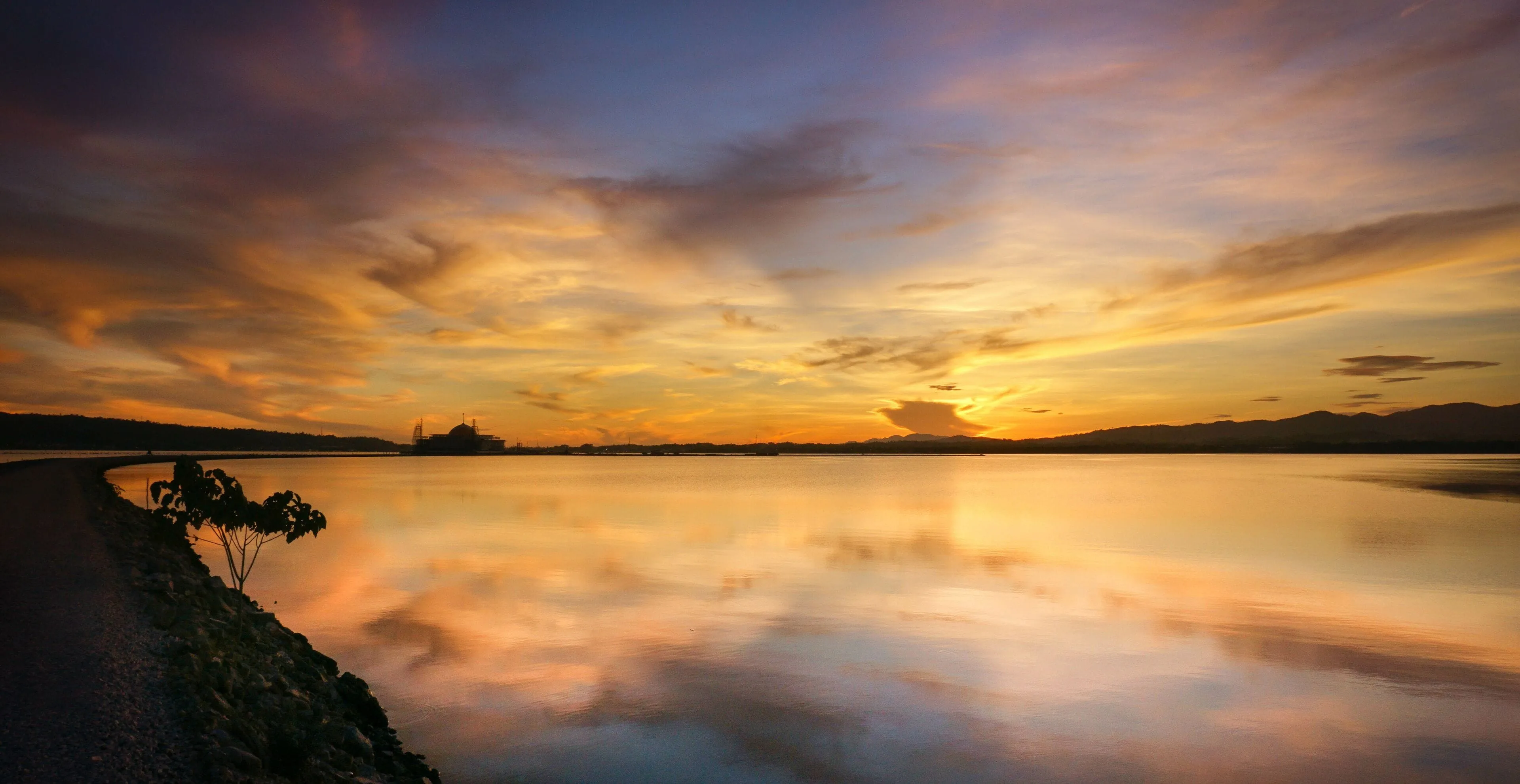
Tugu Nosarara Earthquake Memorial. Talise, on the western edge of the bay. A small monument and viewing platform looking across the water to the spot where the tsunami hit. Free, quiet, and the right starting point for understanding what happened here.
Petobo and Balaroa. The former southern neighbourhoods. The liquefaction sites have been kept as open ground; markers show where the houses stood. Visit with a local guide for context (€10 for a half day). The visit is sombre; treat it as a respectful walk, not a sightseeing stop.
Pasar Manonda. The main central market, fully rebuilt and busy. Good for spices, kopi Toraja from the wholesale stalls, and lunch.
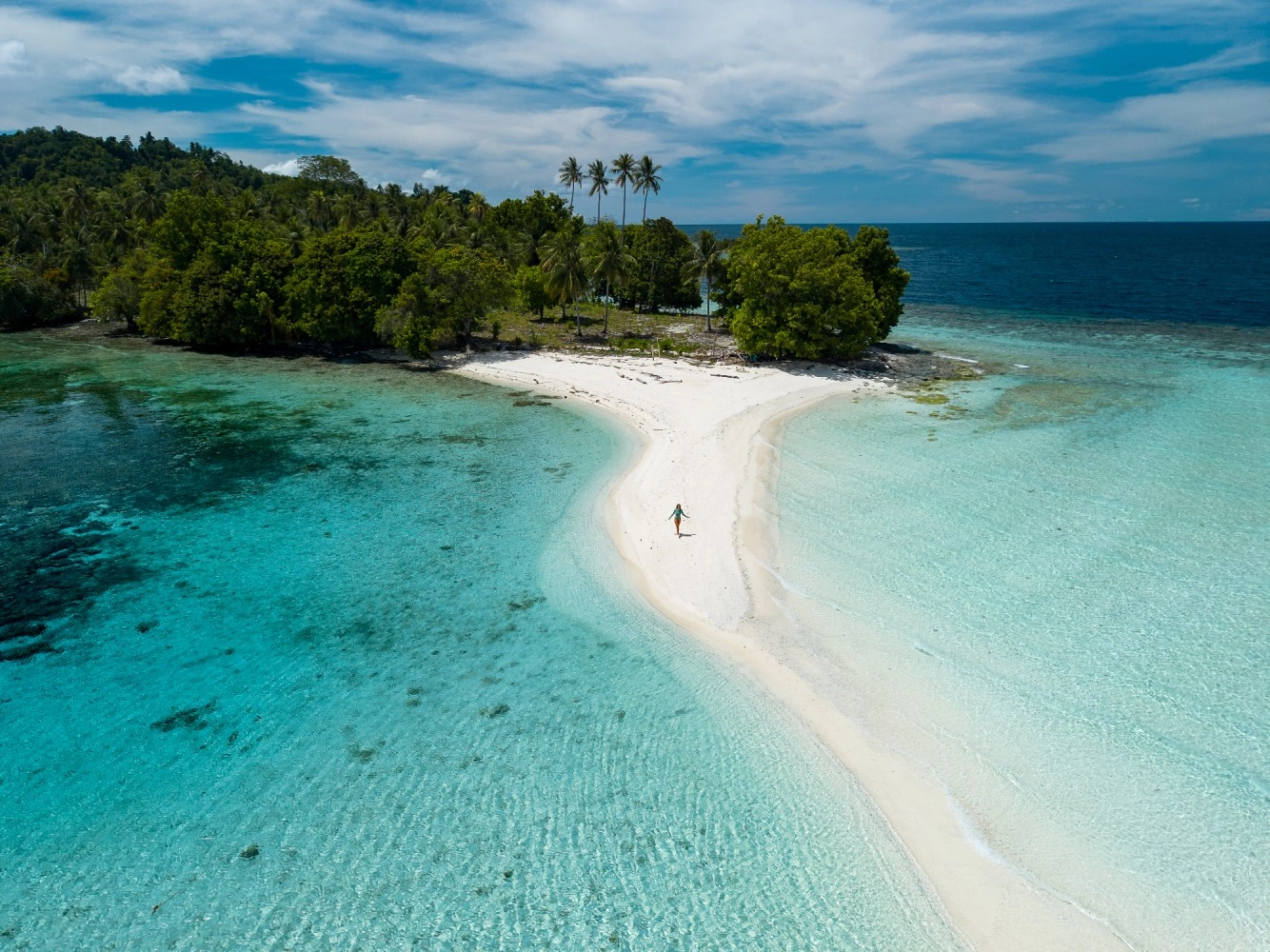
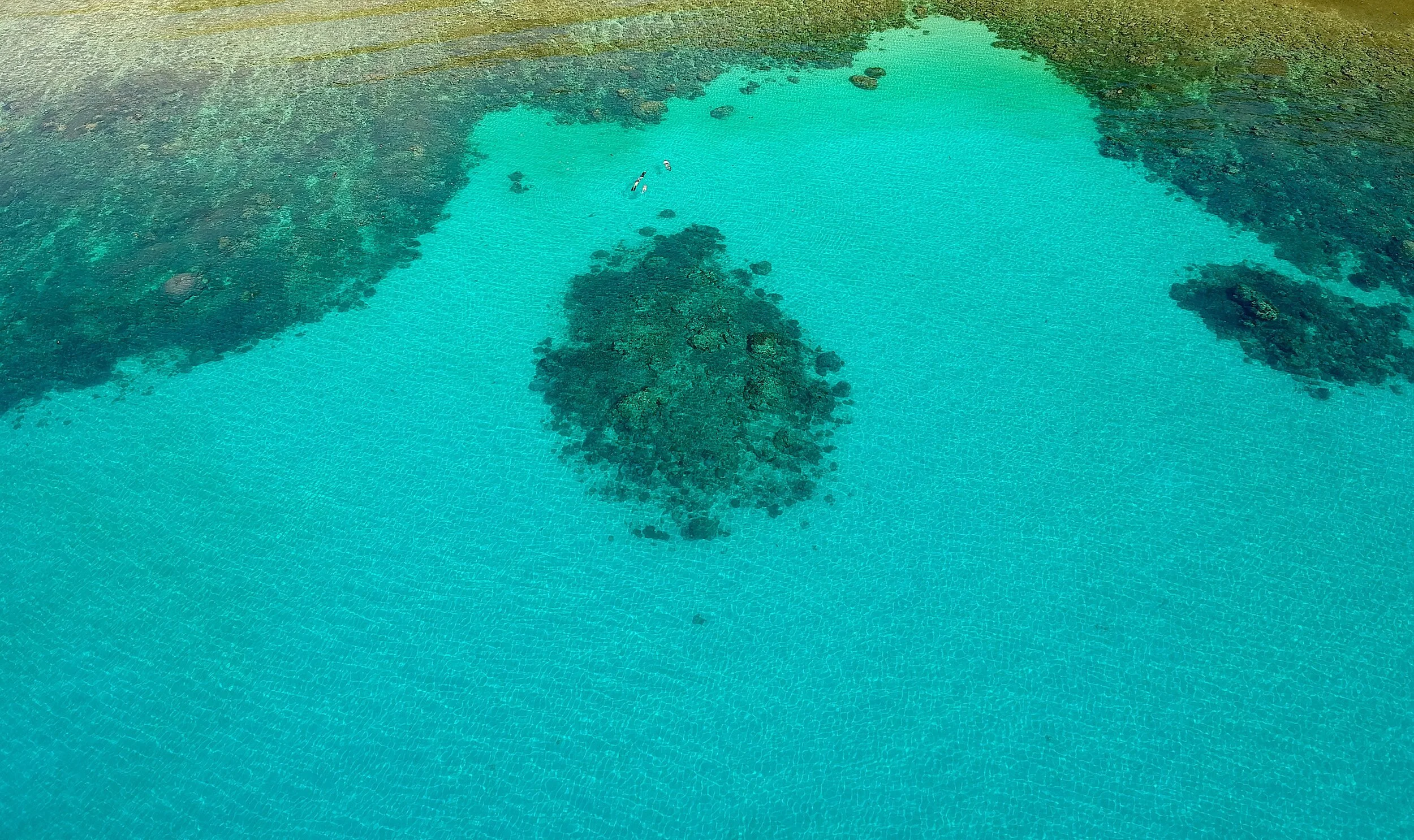
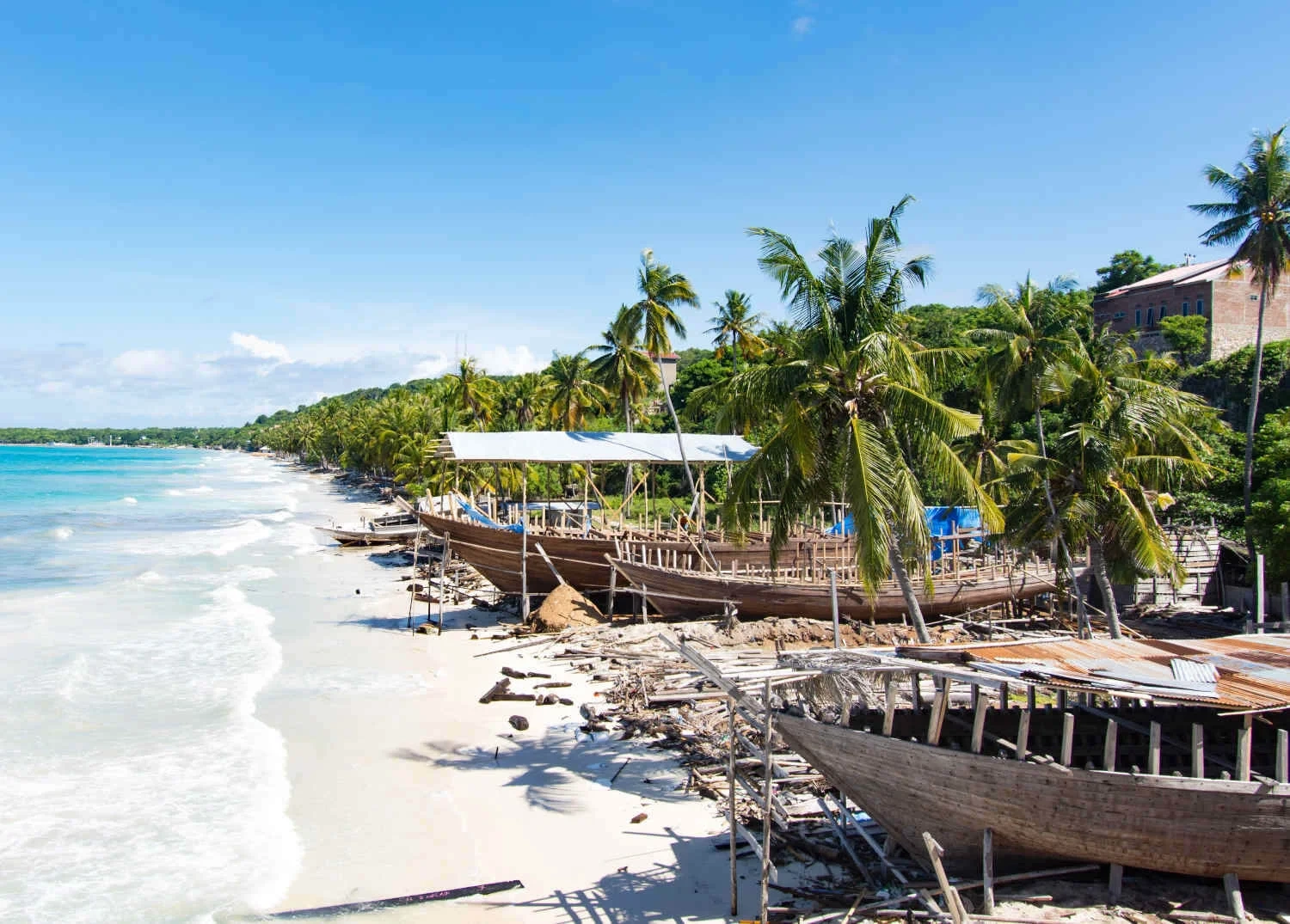
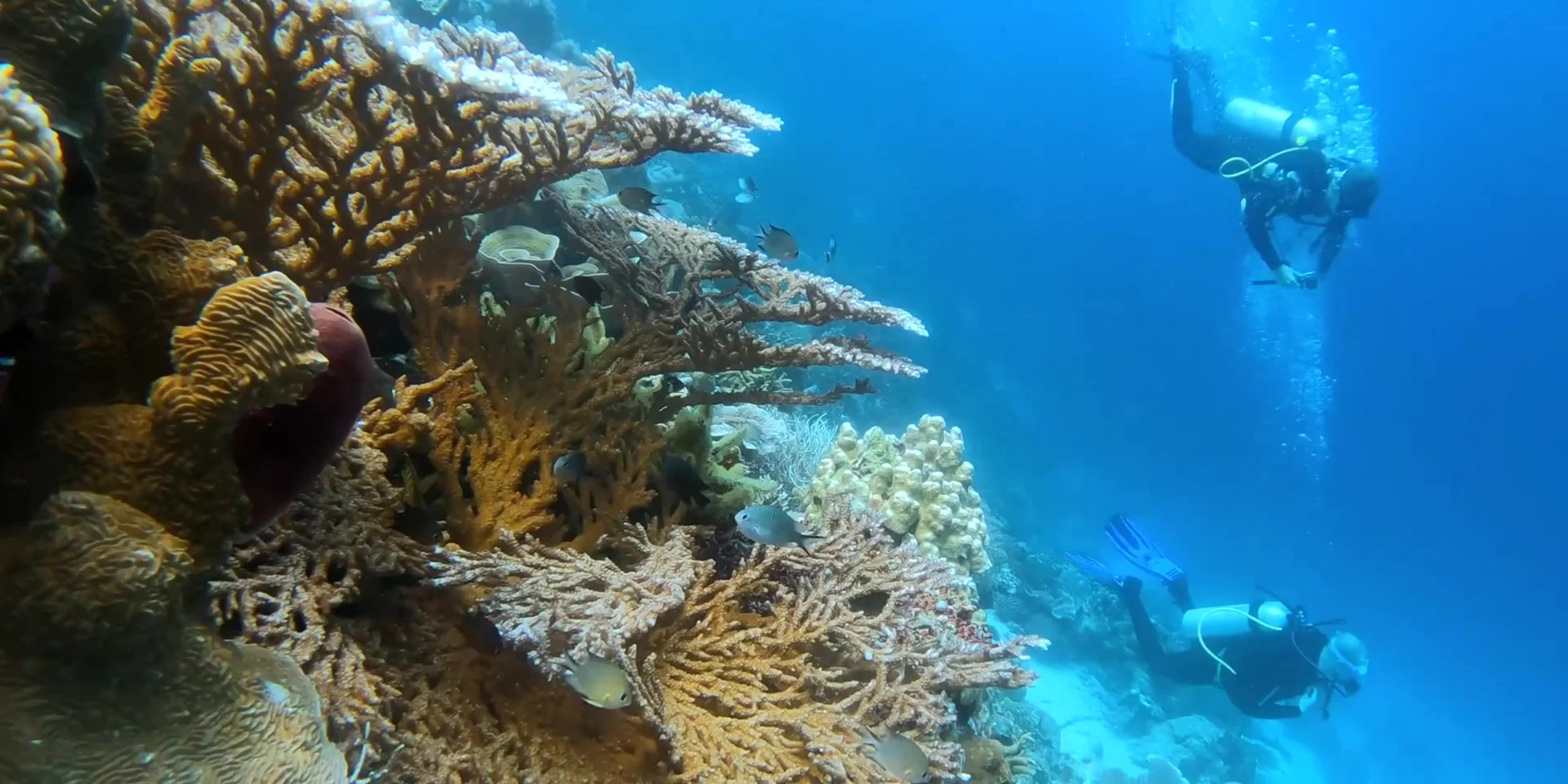
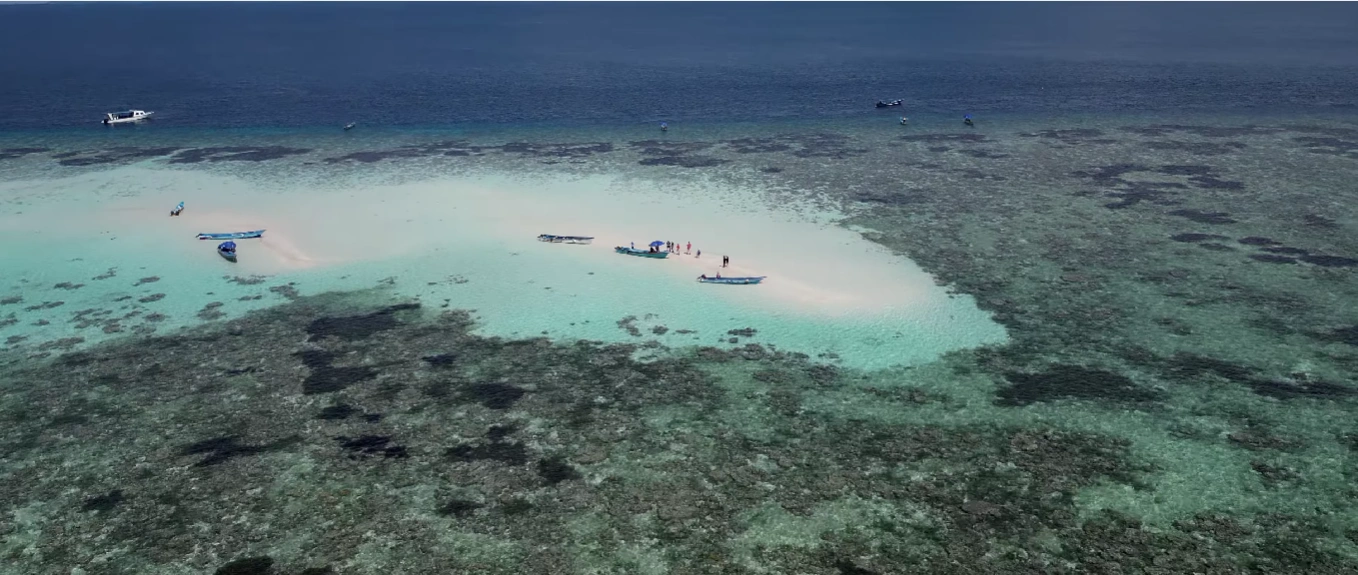
Donggala and Tanjung Karang. An hour north. White-sand beaches and clear water for a quieter half-day. The fringing reefs took damage from the tsunami; snorkelling is workable but unspectacular.
Where to stay
Three useful brackets:
- Mid-range. Best Western Plus Coco Palu and Swiss-Belhotel Silae, both modern, both on the bay front. €33–€57.
- Budget. Guesthouses around Jalan Imam Bonjol and Jalan Hasanuddin in the city centre. €12–€19.
- Donggala beach. A handful of small resorts north of the city for travellers who want the coast over the city. €29–€71.
When to visit
Year-round. The dry season (May–October) is more pleasant; the wet season brings warm rain but no flooding in the central city. Cyclonic weather is rare. The anniversary of the earthquake (28 September) is a quiet day; hotels are full of returning families and journalists.
Onward from Palu
Most travellers use Palu as a stepping stone, not a destination:
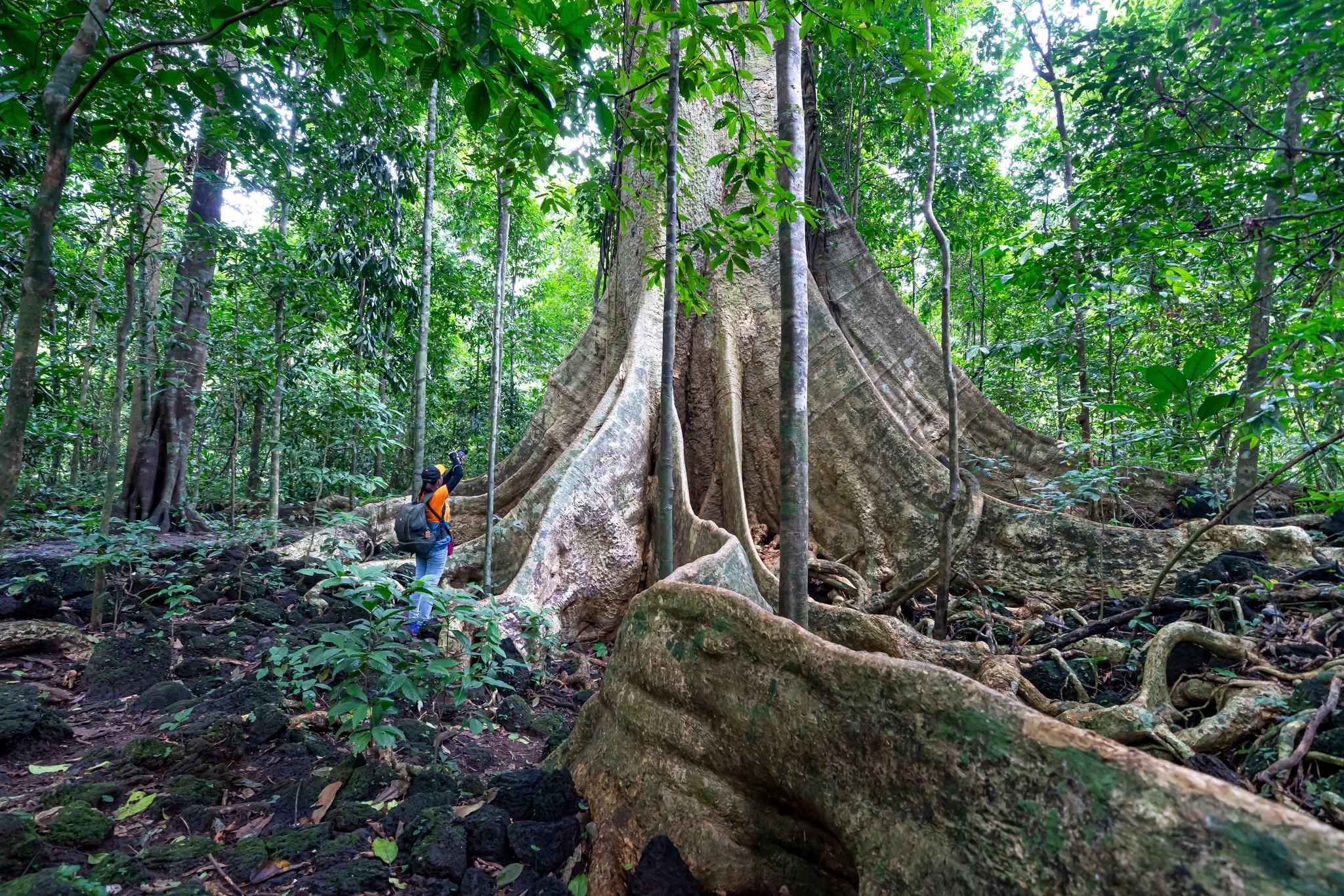
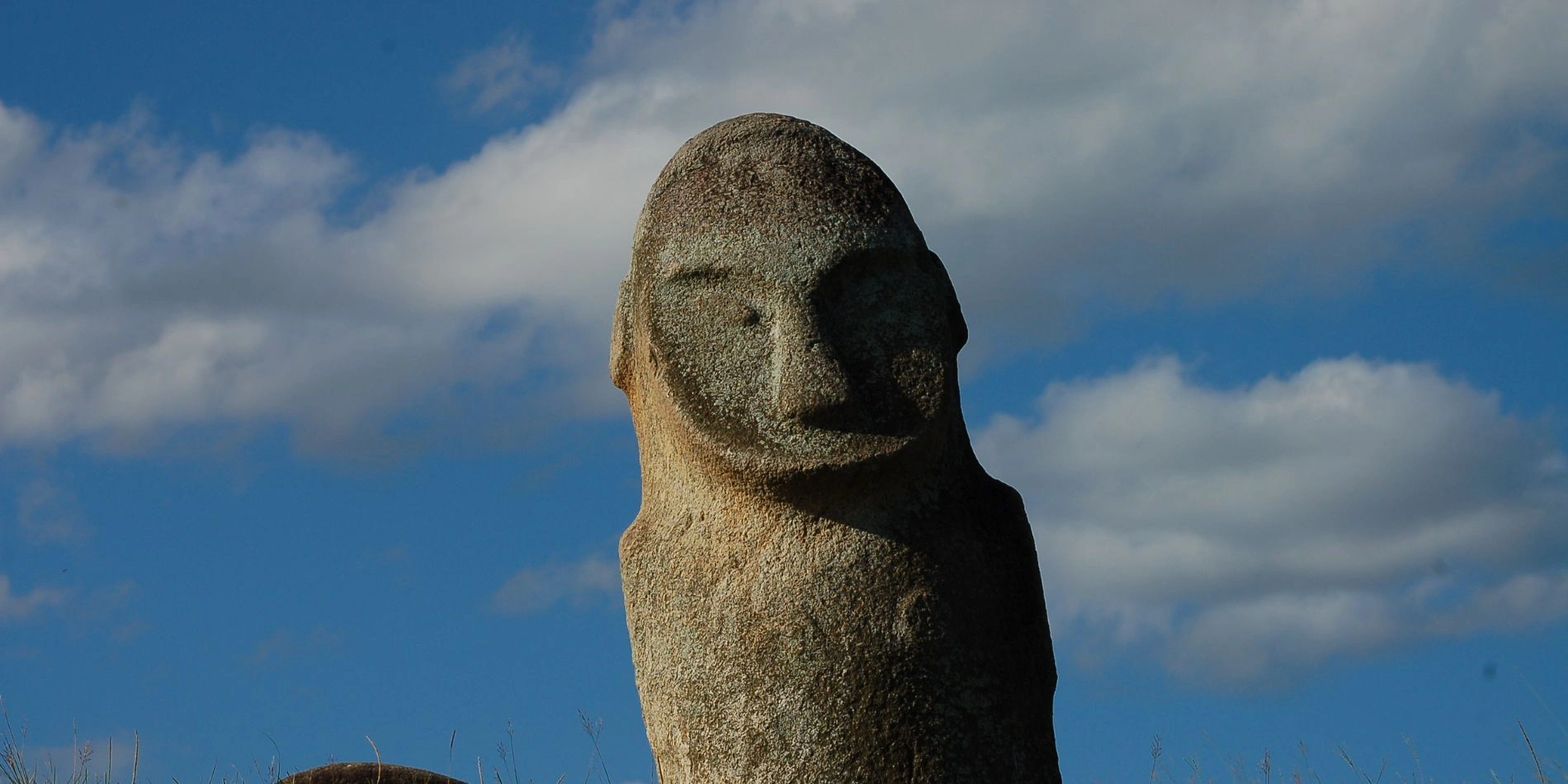
- Lore Lindu National Park — 60 km south, with the megalith fields of the Bada Valley and some of the best birding in Sulawesi. Two- to four-day trip.
- Donggala — quieter coastal base for the same hinterland.
- Poso and the Togeans — east, six hours by car to Tentena, then continue to Ampana for the Togean ferry.
Palu deserves more empathy than the average traveller's itinerary gives it. A night, a market morning, and a guided walk through the memorial sites is about right. The city is not a destination in the conventional sense; it is a working place still in recovery, and visitors who treat it that way will find Palu welcoming.
Is Palu safe to visit after the 2018 earthquake? Yes. The city has rebuilt its core infrastructure, hotels, and airport. The former liquefaction zones at Petobo and Balaroa remain as open memorial ground rather than rebuilt neighbourhoods. Most visitors stay one or two nights, see the Tugu Nosarara memorial and a local market, and continue to Lore Lindu National Park or the Togean Islands.