Six livable islands, four working ports, and a tide that decides half the day. Where to actually sleep, in what order, and how long for each.
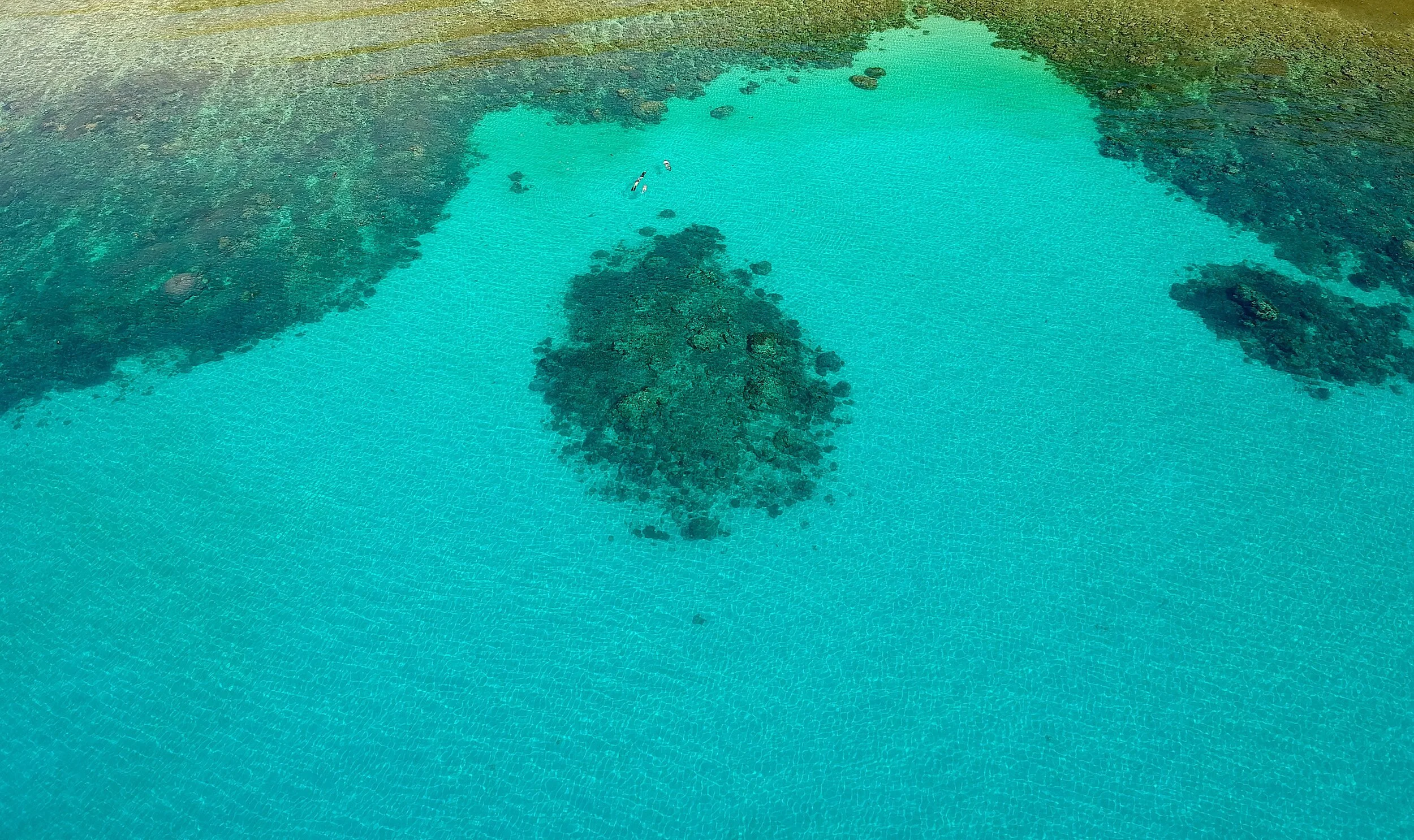
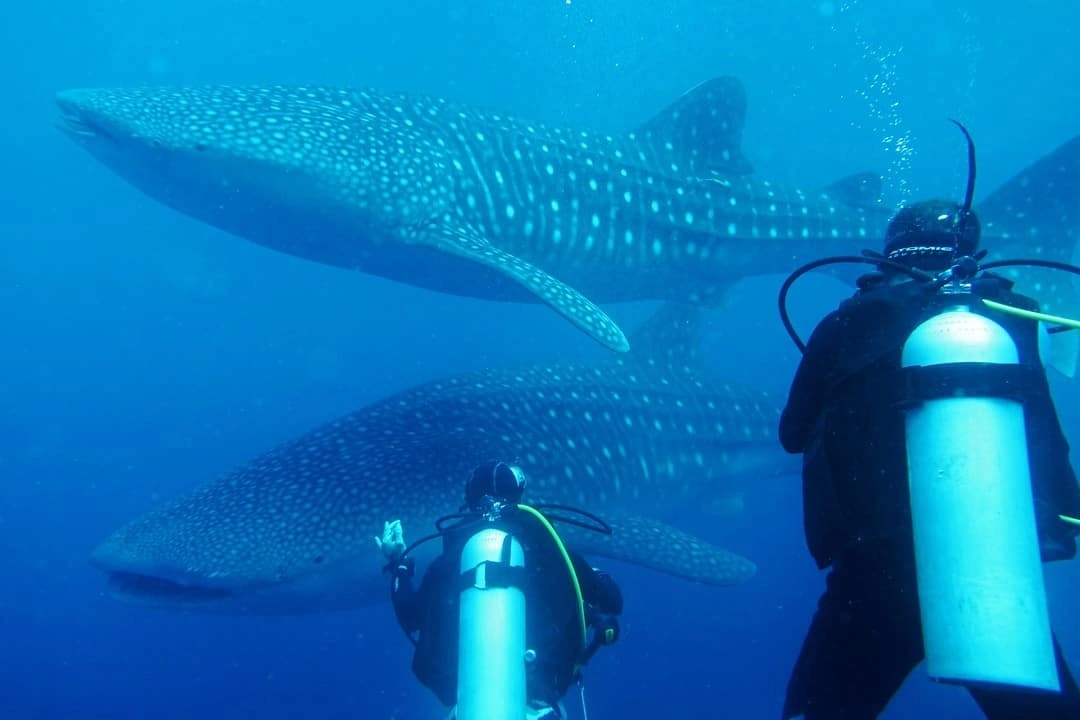
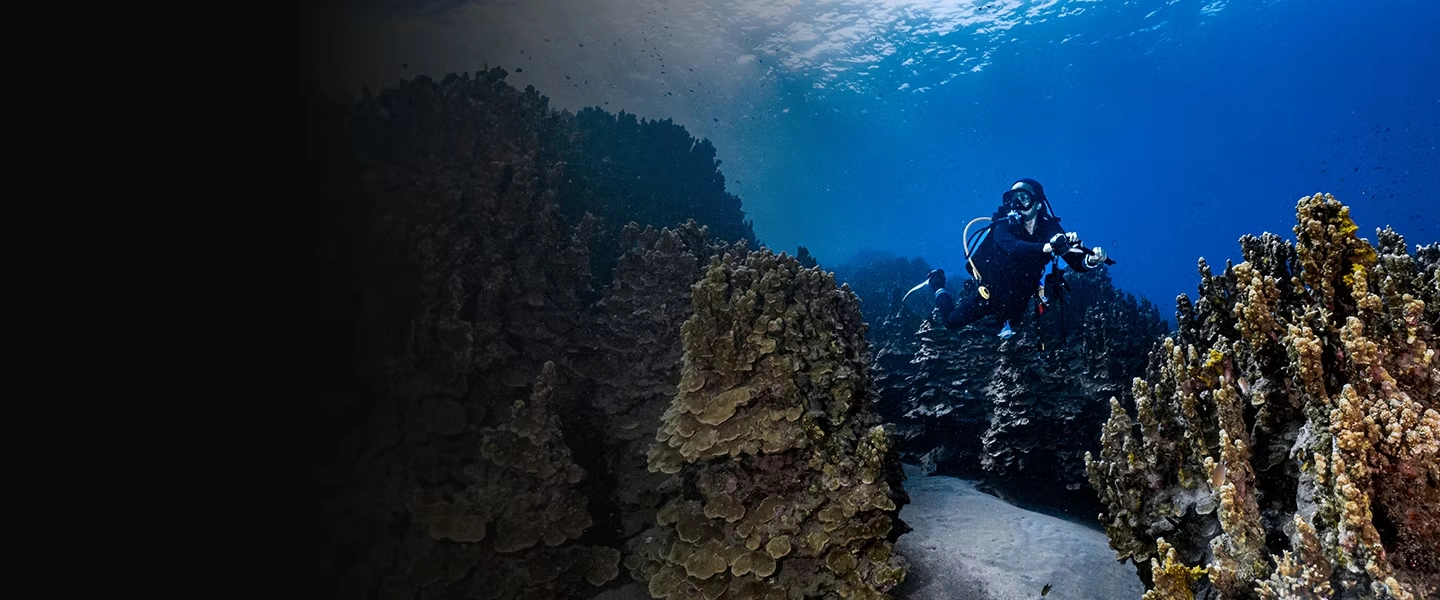
The Togean archipelago sits in the middle of Tomini Bay, four hundred kilometres east of Palu and a long ferry from anywhere on the main island. Six islands hold any kind of accommodation; three of those are worth sleeping more than a single night on. The ferry schedules pretend to be regular and aren't. What you decide to do on the water here matters less than which island you sleep on, because everything is a boat ride and the boats stop early in the afternoon. This is a practical, field-tested account of which Togean island fits which kind of traveller, in what order, and how long. The underwater part is settled — vis is good, reef is healthy, you'll see things. The planning is where weeks go wrong.
The shape of the archipelago
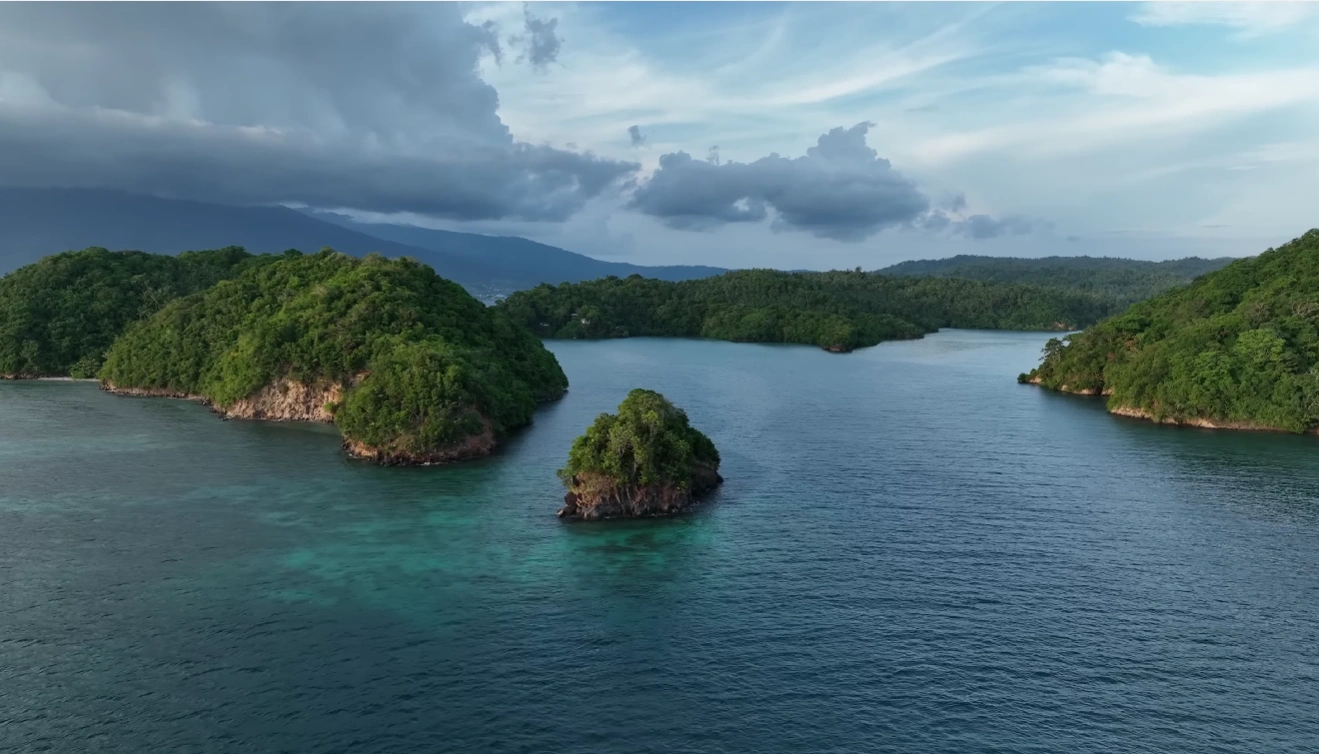
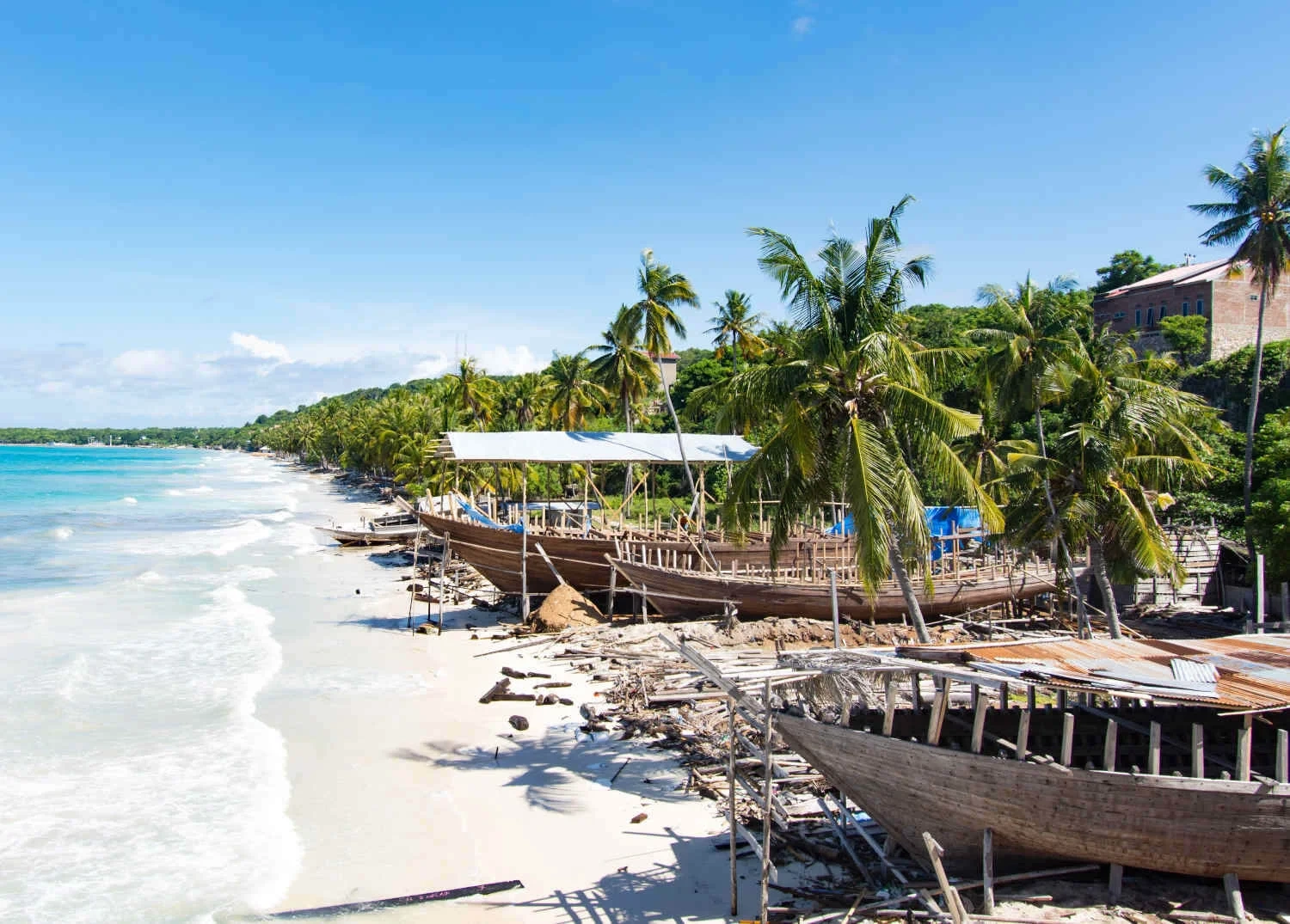
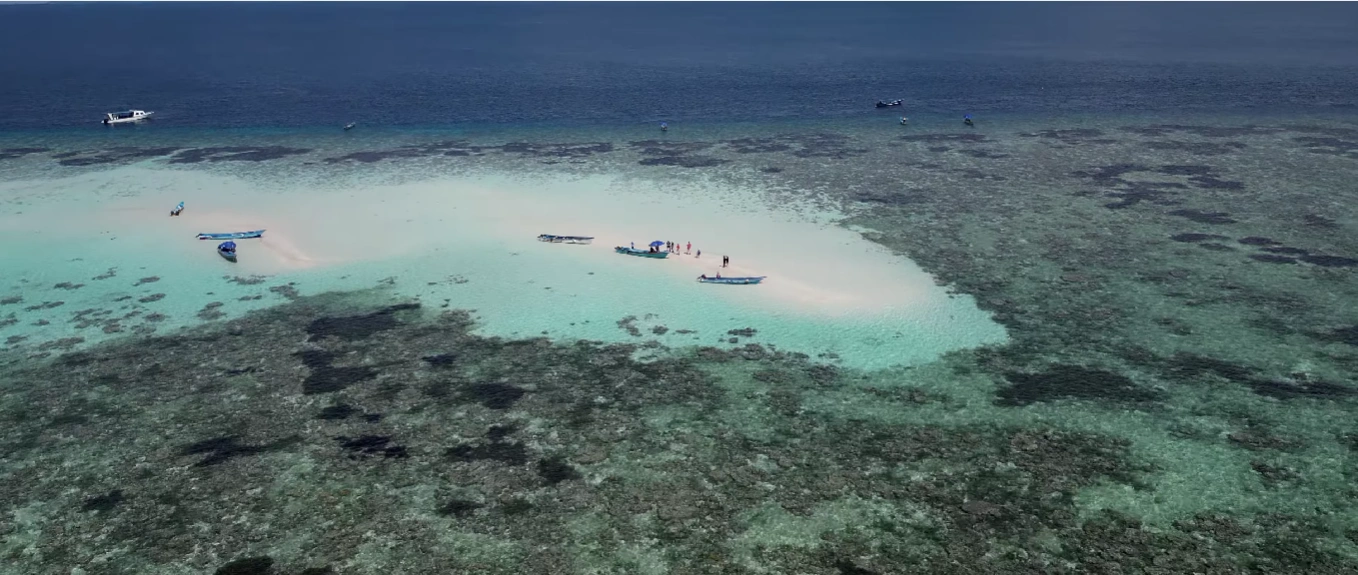
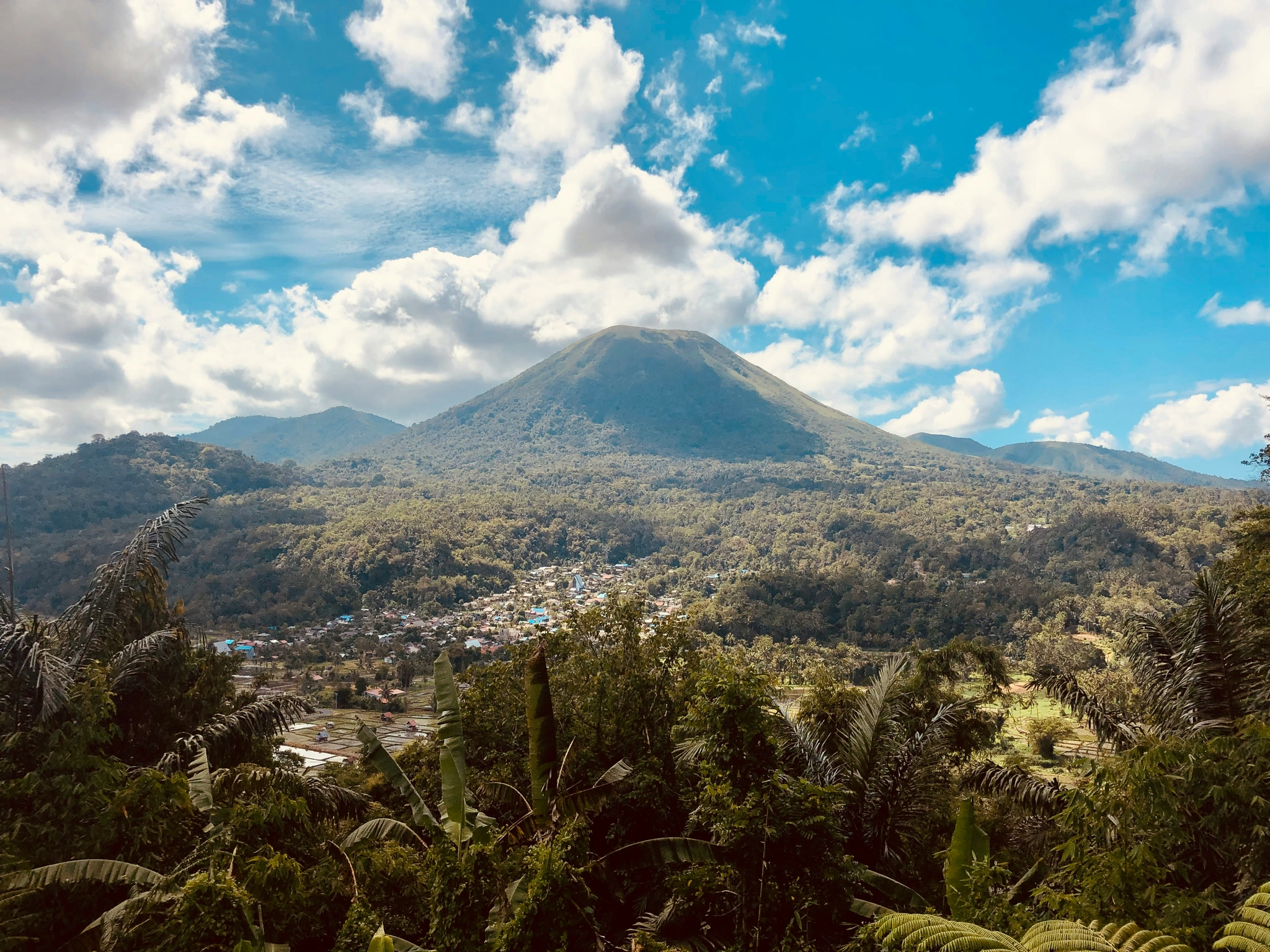
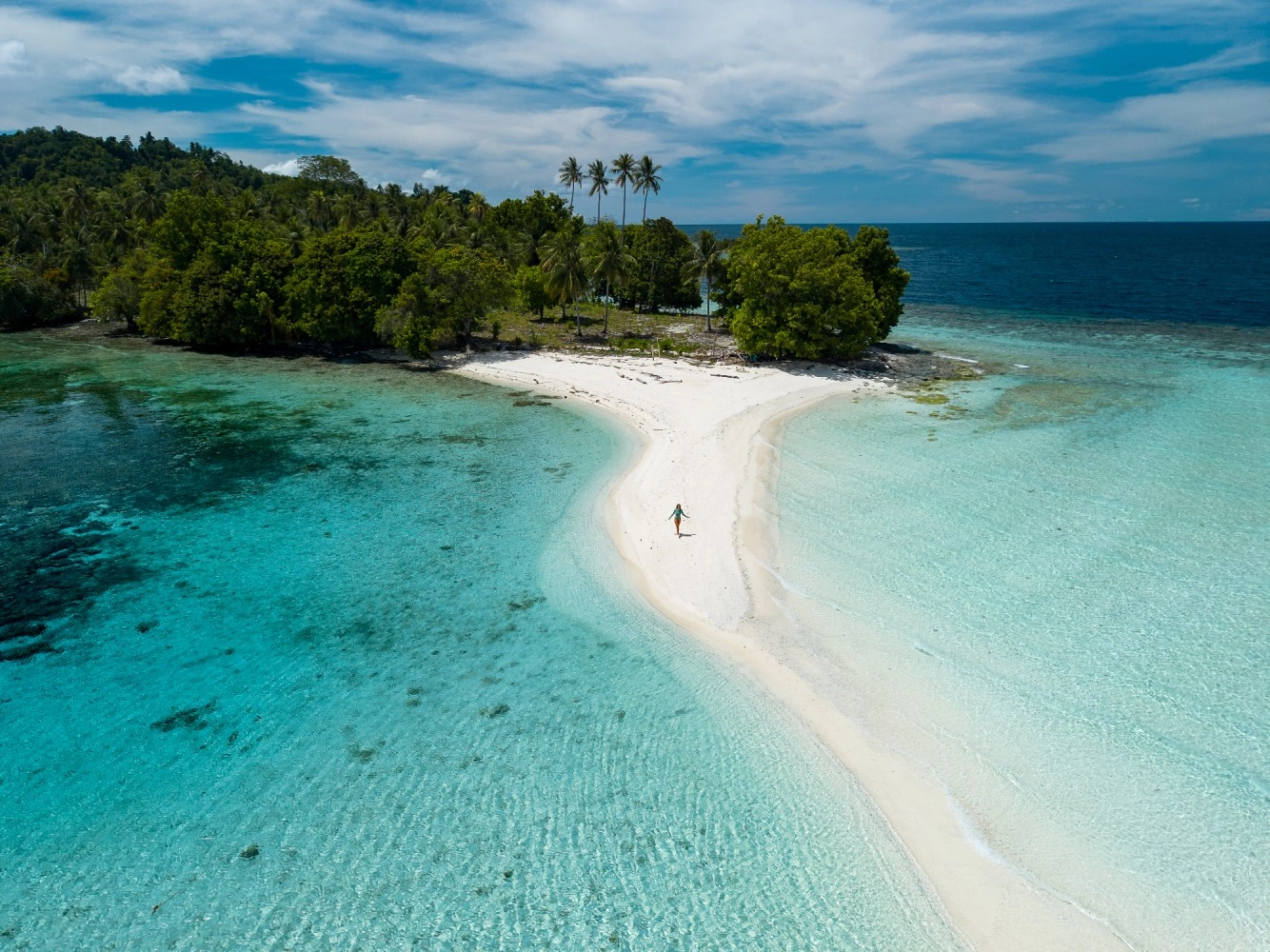
There are about fifty islands in the chain. Three carry the question: Kadidiri, Malenge, and Una Una. Bomba and Bolilanga round out the workable list. Wakai is the port town on Batudaka and has rooms but no reason to use them past a missed-ferry night. The names everyone has heard of — Pulau Anam, Pasir Putih — are sandbar day trips, not bedrooms.
Distances are deceptive on the map. Kadidiri is twenty minutes by boat from Wakai. Malenge is two hours from Kadidiri. Una Una, the volcano island, is three hours north of Wakai. Bomba is two hours west. Plan around the boat days, not the island days.
Where to sleep, by island
Kadidiri. The easy option and the one most travellers should pick if they have under four nights. Three resorts of similar mid-range standard, all with dive operations, all with bungalows on the beach. Black Marlin runs the longest and has the best dive boats. Lestari is quieter and the better kitchen. Pondok Lestari is the budget option, fan-only, family-run, fine for a couple of nights.
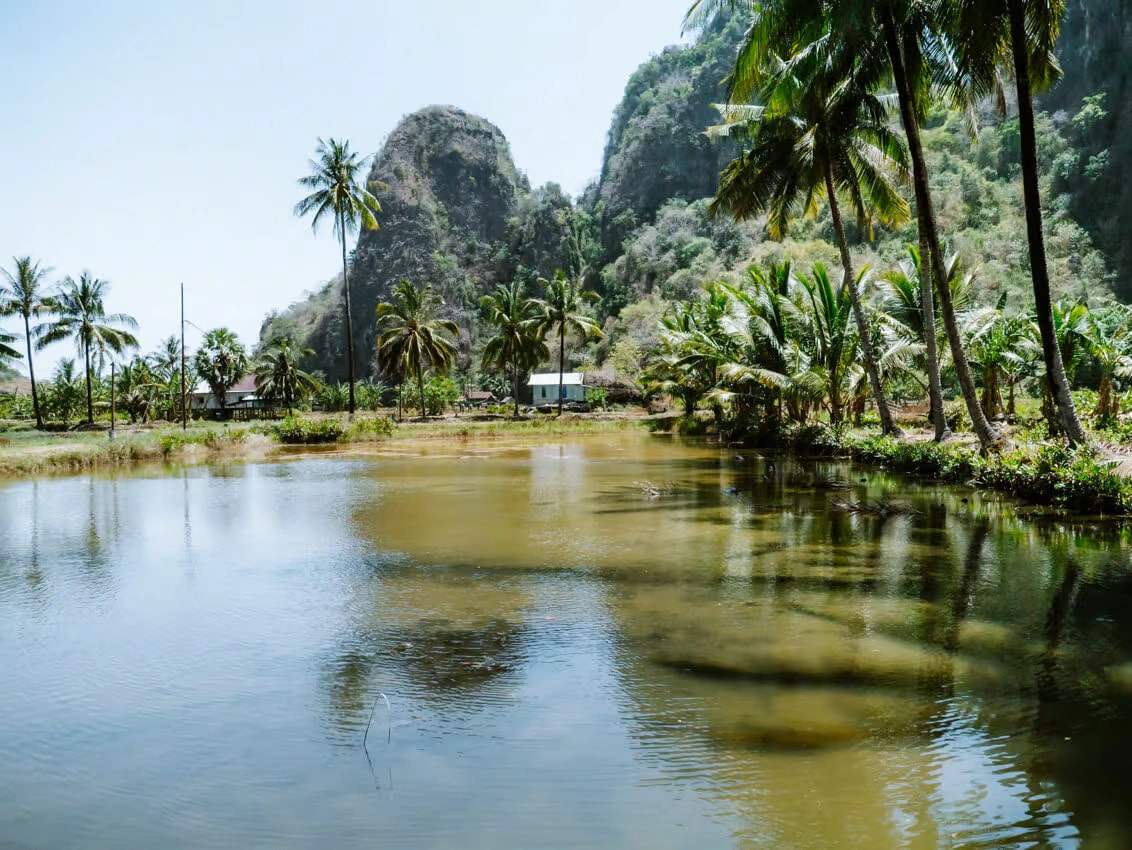
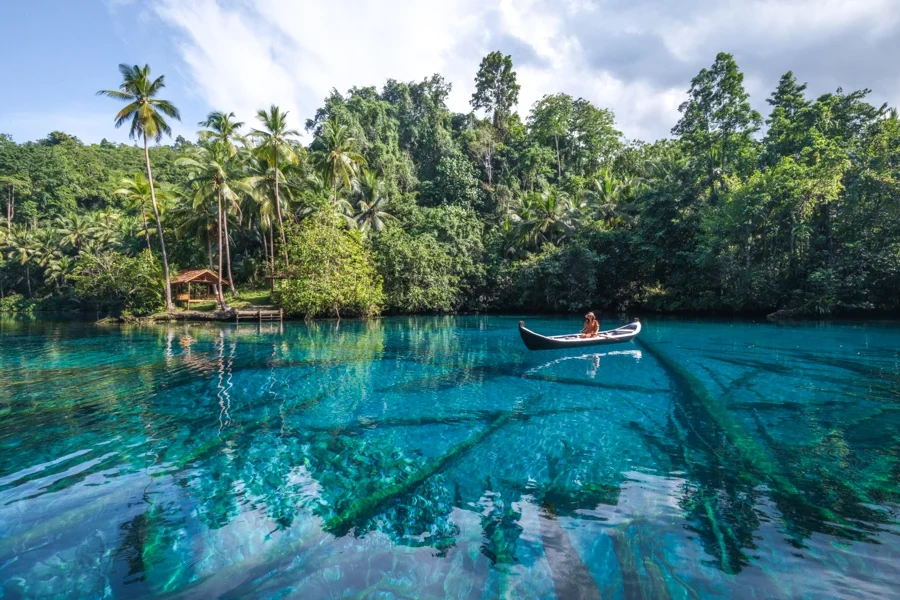
Malenge. The cultural and quiet option. One main guesthouse, Lestari Malenge, sits at the edge of a Bajau stilt village. The reef offshore is the strongest in the chain. If you came to Togean for the water and the people rather than the dive operation, this is the call. Three nights minimum or it's not worth the boat ride.
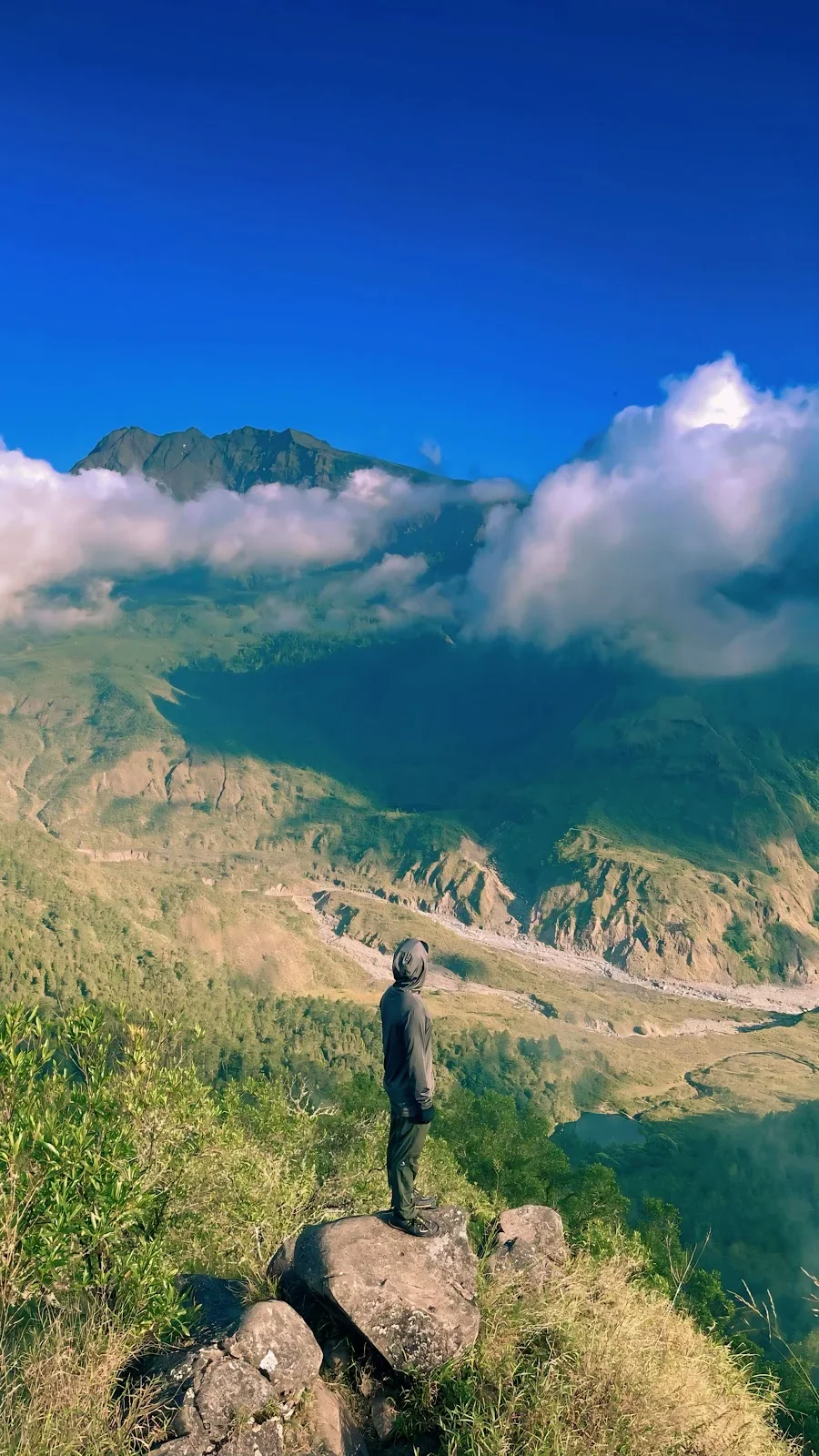
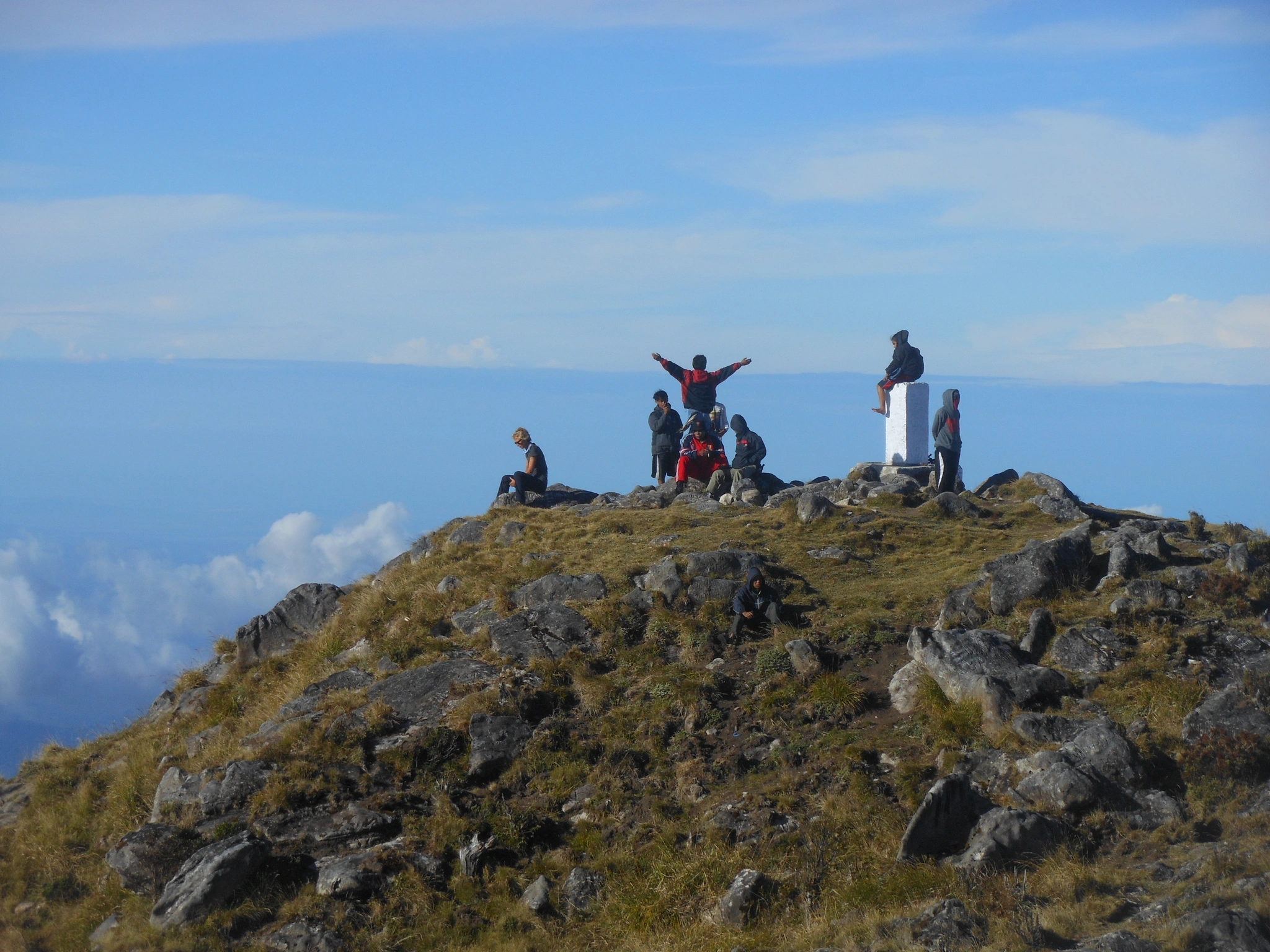
Una Una. The volcano. Sanctum dive resort sits on the south side, and the diving — particularly Apollo and the western pinnacles — is the best in the Togeans and arguably in central Indonesia. Only worth it for divers, and only worth it for divers with at least fifty logged dives. The crossing is rough most of the year.
Bomba. The Bomba guesthouse cluster is for travellers who want to write or read for a week without anyone organising anything around them. There's a quiet beach, two simple homestays, and a single dive operation that runs when there are enough takers. Stars overhead are the genuine reason to come.
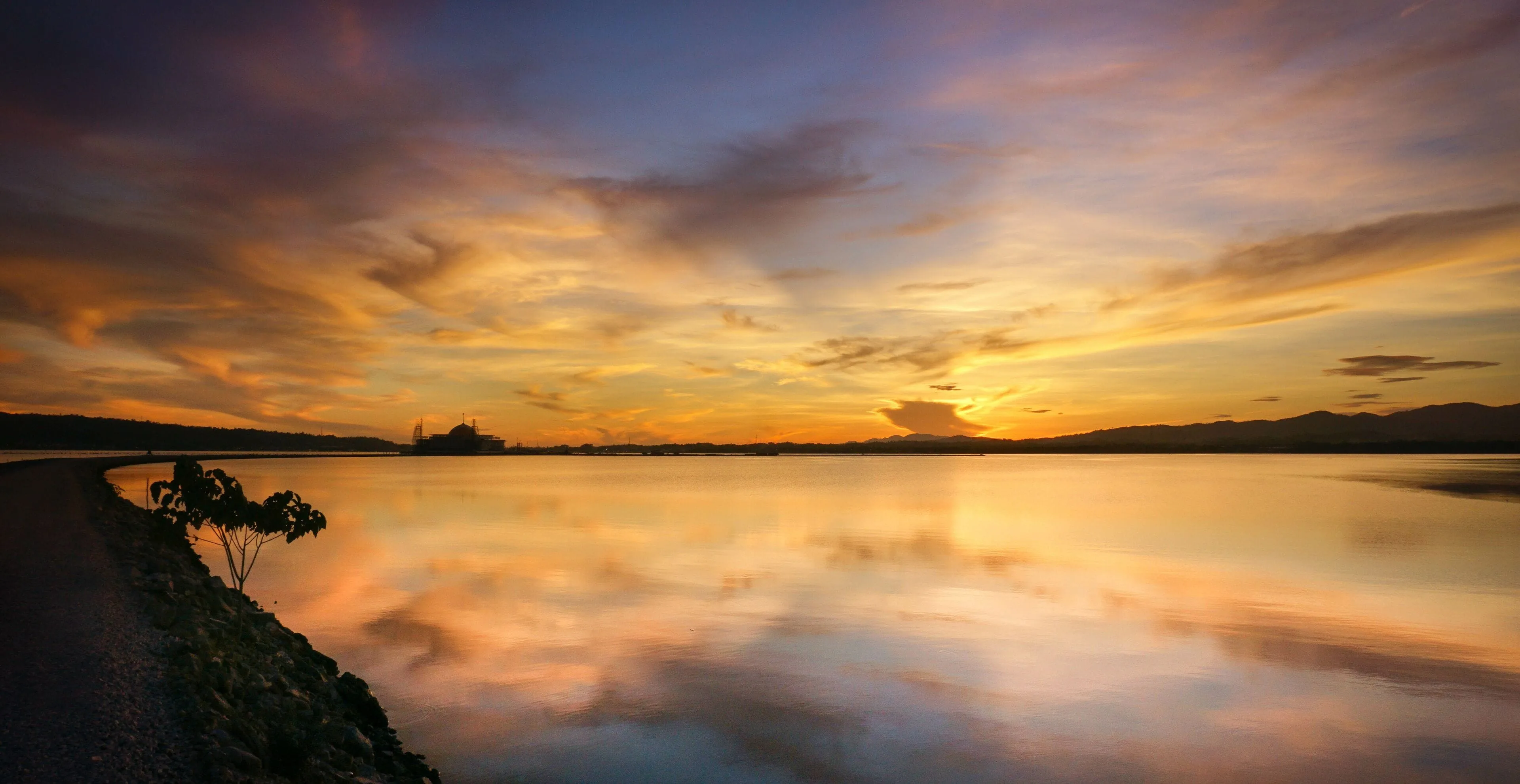
Bolilanga. One small resort, one small island. For couples celebrating something. Expensive for what it is, but the island truly empties at sunset.
Suggested orders
A working five-night trip from Ampana: ferry to Wakai, transfer to Kadidiri (3 nights), boat transfer to Malenge (2 nights), boat back to Wakai and out by morning ferry. This is the default and it works.
A working seven-night trip: same as above, plus a 2-night detour to Una Una in the middle if you dive. Sequence matters — Kadidiri → Una Una → Malenge → out, because the Una Una crossing is hardest from Malenge and easiest from Kadidiri.
A ten-night trip: add Bomba at the end. Three nights of nothing happening, finishing in Wakai via the slow direct boat.
Which Togean island should I stay on? Kadidiri suits divers and travellers who want comfort and easy boat access; Malenge suits anyone interested in Bajau villages or a quieter, reef-side base; Una Una is for experienced divers only; Bomba and Bolilanga reward travellers ready to do almost nothing for several days. Start with Kadidiri from Ampana, then add a second island.
Getting there
Two real entry points: Ampana and Gorontalo. Ampana sits on the south coast of the gulf, ferry to Wakai about three hours, daily in dry season, every other day in the rains. Gorontalo runs the overnight Tuna Tomini ferry to Wakai roughly twice a week, twelve to fourteen hours, mostly used by travellers coming overland through North Sulawesi.
Ampana is the easier connection. Bus or flight to Palu, car onward four to five hours along the coast. The road is paved the whole way now and the drive is pleasant, but leave Palu by 06:00 if you want the morning ferry.
Confirm the boat the day before. The Ampana harbour office tells the truth; resort WhatsApp messages reach you a day too late.
When to go
April to October is dry season and the only window worth booking against. November and December bring crosswinds and choppy crossings; January and February see the chain effectively closed for the worst of it. March is a coin flip — the resorts are reopening, the boats are running, but a bad week of squalls can still cancel two days in a row.
A practical detail: the Una Una crossing is the first thing the operators cancel when weather turns. Don't book a tight outbound flight from Palu if Una Una is on your route.