#guide
Hidden Mamasa: The Less-Visited Cousin of Toraja
Por A. Rahmawati19 Mar9 min de lectura
A guide to Mamasa — the less-visited West Sulawesi Toraja regency, culturally continuous with Tana Toraja but with about 5% of the visitor traffic. A quiet 3-day extension.
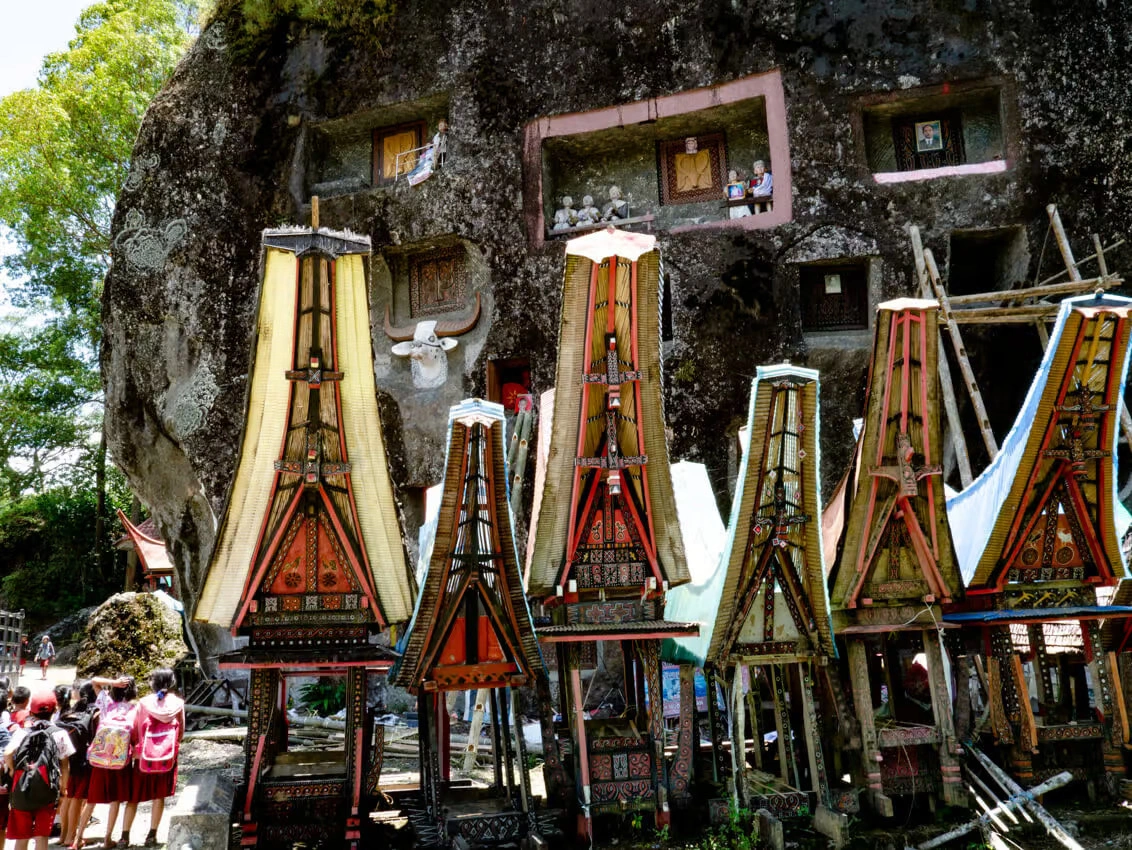
Mamasa sits in the highlands of West Sulawesi, just west of Tana Toraja and culturally continuous with it — the Mamasa Toraja people speak a Toraja-language variant, build similar tongkonan, and share much of the Aluk To Dolo religious heritage. Despite the proximity and the shared culture, Mamasa receives roughly 5% of the visitor traffic that Tana Toraja gets. The under-visit creates the opportunity: a quieter Toraja-style experience without the August crowds, the funeral-spectacle pressure, or the tour-bus infrastructure that increasingly defines Rantepao.
This is a guide for travellers willing to make the extra effort.
Where Mamasa is
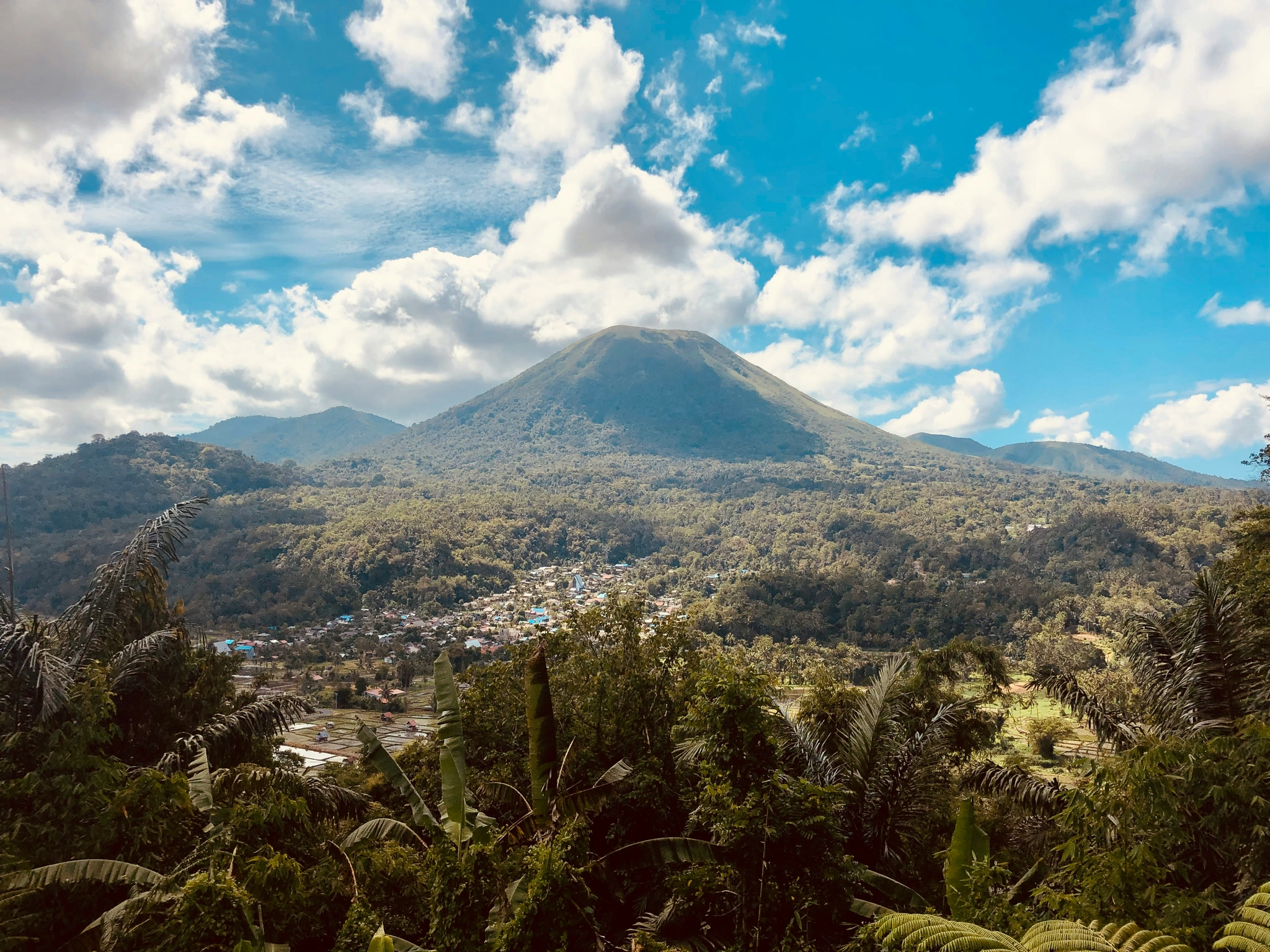
Mamasa town is the administrative centre of Mamasa Regency in West Sulawesi province. It sits at about 1,200 metres elevation in a high valley surrounded by mountains. The drive from Rantepao (Tana Toraja) is 3–4 hours over a mountain road; the drive from Polewali (the West Sulawesi coast) is 5–6 hours up the same range from the other side.
The valley contains the town and dozens of surrounding villages, most of which are spread along the valley floor and the lower hillsides. The population is roughly 130,000 in the wider regency.
How Mamasa differs from Tana Toraja
The two are closely related but distinct:
Language. Both speak Toraja-family languages, but Mamasa Toraja (or Pitu Ulunna Salu, "the seven heads of the streams") is mutually intelligible only partially with Tana Toraja Toraja.
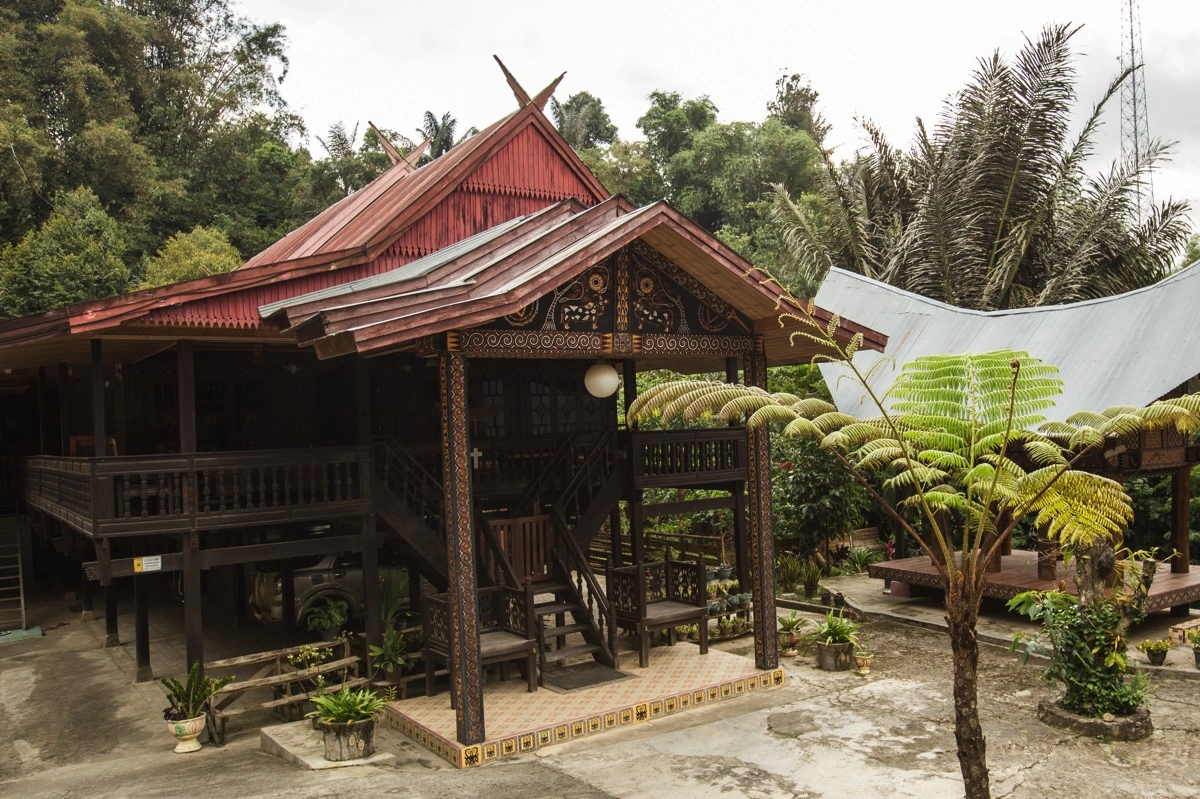
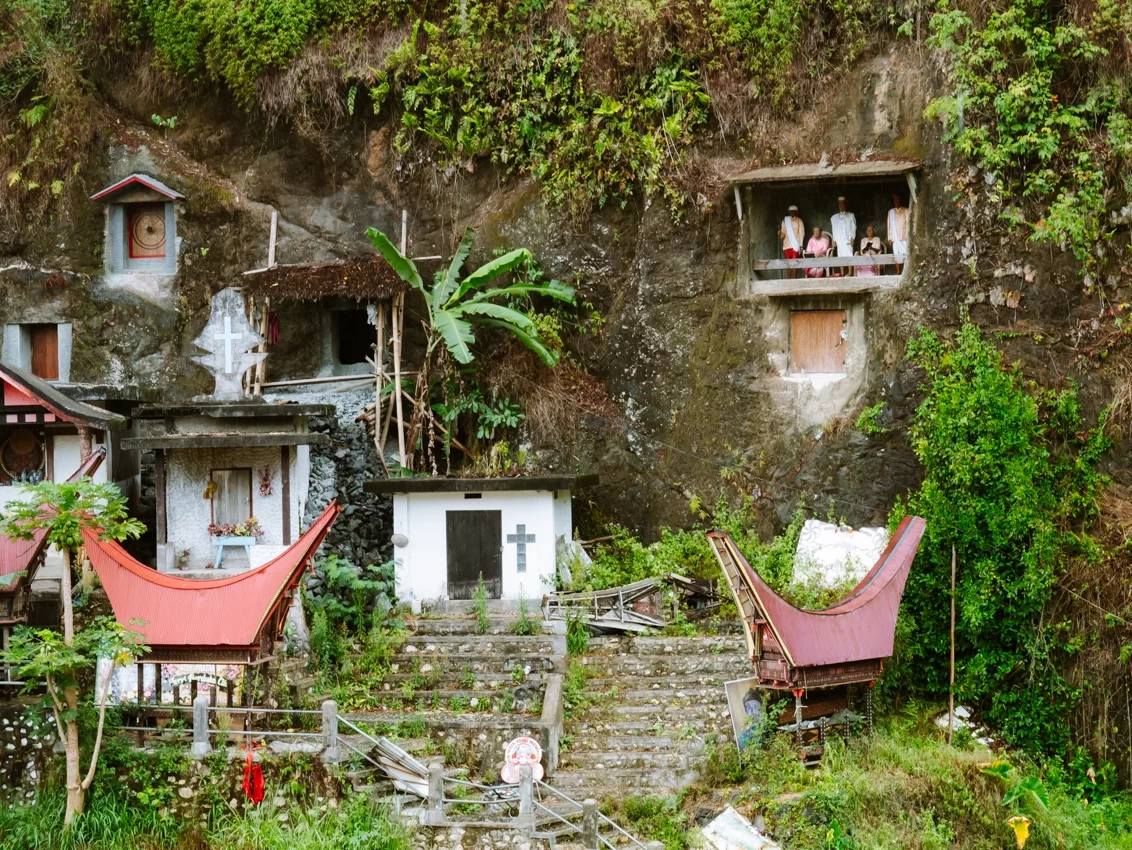
Tongkonan. Similar in form but with different decorative motifs and slightly different proportions. The Mamasa tongkonan often have a steeper roof pitch.
Religion. Both are majority Christian today (with some Aluk To Dolo persistence), but the Christianisation came at different times and through different missions, producing visible differences in how the syncretism works.
Funerals. Mamasa has its own Rambu Solo' tradition, smaller in scale than the Tana Toraja version but structurally similar. Buffalo sacrifices on a more modest scale.
Visitor culture. Mamasa has almost no tourist infrastructure. The visiting experience is closer to "guest in a village" than "tourist at a destination."
A 3-day Mamasa itinerary
For travellers extending a Tana Toraja trip:
Day 1: Rantepao to Mamasa.
- Drive 3.5 hours over the mountain road.
- Arrive Mamasa town mid-afternoon.
- Walk through Pasar Mamasa (the central market).
- Quiet evening at one of the small Mamasa guesthouses.
Day 2: Tongkonan villages and surrounding country.
- With a local guide, visit two or three Mamasa villages with traditional tongkonan compounds.
- Lunch at a village home if the guide can arrange.
- Afternoon walk through the highland trails.
- Evening at the guesthouse.
Day 3: Mamasa back to Rantepao or to Polewali.
- Either return to Rantepao via the same mountain road (3.5 hours).
- Or continue west to Polewali on the West Sulawesi coast (5–6 hours), then south to Makassar.
The longer route (Rantepao → Mamasa → Polewali → Makassar) makes a coherent Sulawesi loop covering both highlands and the Mandar coast.
Where to stay
Limited but workable:
- Mantana Lodge. Small guesthouse with restored Mamasa tongkonan-style buildings. €19–€29.
- Hotel Marante. Standard provincial Indonesian hotel. €12–€19.
- Village homestays. A handful of villages in the regency have begun accepting homestay guests. €10–€17.
For a 2-night Mamasa visit, Mantana Lodge or the village homestays are the more rewarding choices.
What to eat
Mamasa food is recognisably highland-Toraja with West Sulawesi accents:
- Pa'piong (bamboo-cooked meat), similar to the Tana Toraja version.
- Highland pork dishes.
- Lake-fish and freshwater carp.
- Mountain greens (kelor, paku ferns).
Less restaurant infrastructure than Rantepao. Most meals at the guesthouse or village home.
Why visit
Honest reasons:
Quiet. Mamasa has not been over-photographed and the daily rhythm is genuinely uninterrupted by tourism.
Deeper Toraja-family understanding. Visiting both Tana Toraja and Mamasa gives a much fuller picture of what "Toraja" means as a cultural family rather than as a single tourist destination.
The drive. The mountain road between Rantepao and Mamasa is one of the more dramatic scenic drives in South Sulawesi.
No funeral pressure. Outside funeral season, Mamasa offers tongkonan visiting without the cultural intensity of Tana Toraja's Rambu Solo' season.
When to go
May–October dry season is the practical window. The mountain road becomes much harder in the wet season; landslides are not uncommon.
Mamasa is at higher elevation than Rantepao; evenings are cool year-round. Pack a fleece.
Who this trip is for
Filters:
Works for:
- Travellers who've already done a Tana Toraja trip.
- Travellers with strong cultural interest.
- Travellers comfortable with limited infrastructure.
- Travellers who liked Rantepao but felt it was too touristy.
Doesn't work for:
- First-time Toraja visitors (start with Tana Toraja proper).
- Travellers wanting modern accommodation.
- Tight-schedule travellers.
How to combine into a wider trip
Three useful structures:
Rantepao + Mamasa loop (10–14 days). Standard Tana Toraja visit + 3 days in Mamasa, returning the same way.
Trans-highland route (12–14 days). Makassar → Rantepao → Mamasa → Polewali → Mamuju → Makassar. Combines the highland Toraja experience with the West Sulawesi coast and Mandar culture.
Coffee trail extension. Add Mamasa estate visits to the broader South Sulawesi coffee trail.
For travellers serious about Toraja culture, Mamasa is the natural extension of a Tana Toraja visit.
Is Mamasa worth visiting? Mamasa is the less-visited Toraja highland regency in West Sulawesi, culturally continuous with Tana Toraja but with about 5% of the visitor traffic. Reached on a 3.5-hour mountain drive from Rantepao. Worth visiting for travellers who want a quieter Toraja-style experience — similar tongkonan architecture, similar funeral tradition, much less tourism. A 3-day extension from Tana Toraja is the standard structure.