#practical
Solo Female Travel in Sulawesi: Honest Notes
Por A. Rahmawati13 Aug10 min de lectura
An honest guide for solo female travellers in Sulawesi — where it works particularly well (Toraja, Manado, Bunaken village), what to wear, and where to stay alert.
Sulawesi is, by Indonesian standards, a comfortable destination for solo female travellers. The Muslim-majority south is generally conservative but courteous; the Christian-majority north is more openly mixed; the dive-tourist circuit on Bunaken and Wakatobi has a long-established solo-traveller infrastructure. None of this means a Sulawesi solo trip is without considerations. This guide covers the honest version — what to expect, what to wear, where to stay alert, and which parts of the island work particularly well for solo women.
This is written from the perspective of a foreign solo female visitor; the experience for Indonesian solo women may differ.
The general picture
Indonesia broadly, and Sulawesi specifically, is a low-violence travel destination by global standards. Violent crime against tourists is rare; harassment is moderate by Asian standards, more common in the cities than rural areas, and largely verbal rather than physical. Most solo female travellers complete Sulawesi trips without significant incidents.
That said, the cultural register is different from Western norms, and a few patterns are worth knowing about:
Persistent attention. Foreign women — particularly white and East Asian women — attract attention in markets, transport hubs, and tourist areas. Most is curious rather than threatening: requests for photographs, questions about marital status, friendly conversation that runs longer than expected. Less commonly, it shades into uncomfortable persistence.
Marital status questions. "Sudah menikah?" (Are you married?) is a routine conversational question in Indonesia and not necessarily an opening line. A simple "Sudah" (Yes) closes the topic; "Belum" (Not yet) often opens further questions. Many solo female travellers default to claiming a husband or fiancé back home as the simplest deflection.
Tourist-area touts. Some areas (Pantai Losari in Makassar, the Bunaken village waterfront) have low-level tout culture targeting foreign women specifically. Polite firm refusal is generally enough.
Where it works particularly well
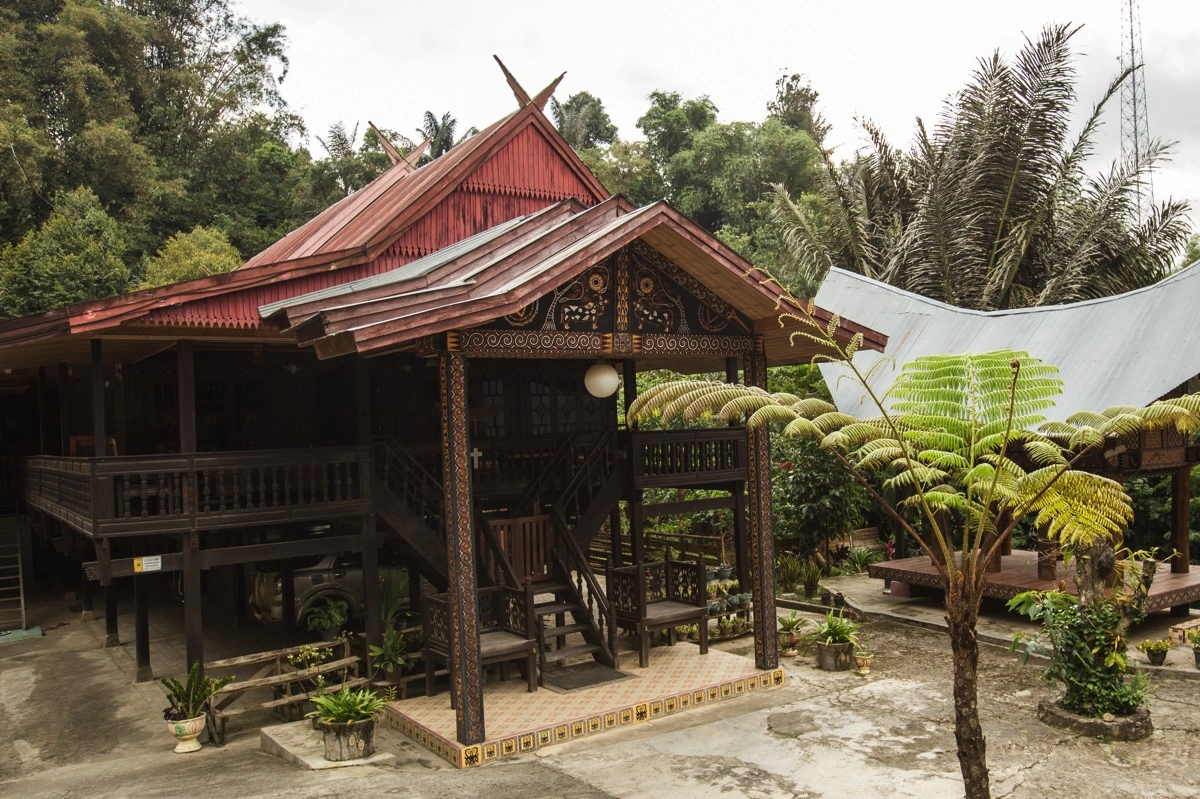
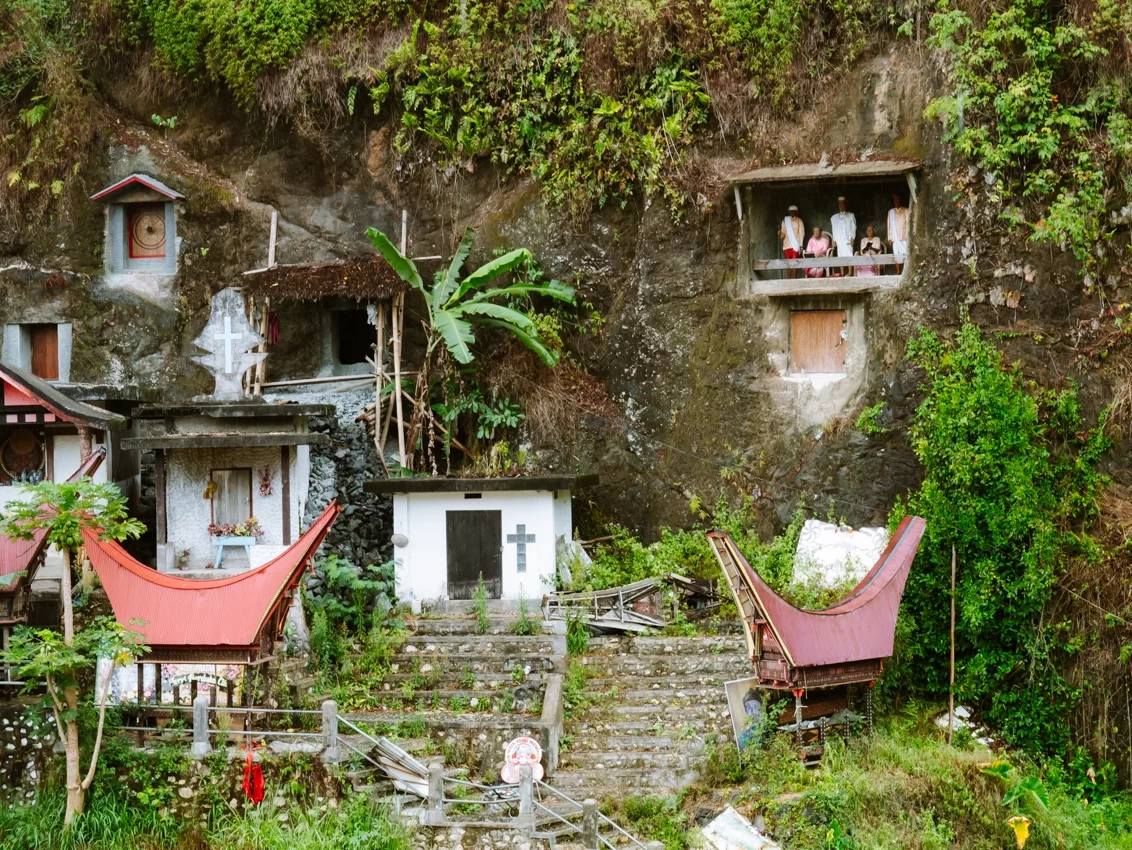
Tana Toraja. Comfortable. The cultural register is more relaxed than in the Bugis-Muslim south; tourist infrastructure is established; many solo female travellers report Toraja as their favourite Sulawesi stop. Guides can be female (ask specifically when booking).
Manado and the North. Mixed-religion city, mixed-gender public space, Christian-majority culture closer to Western norms. Comfortable for solo women.
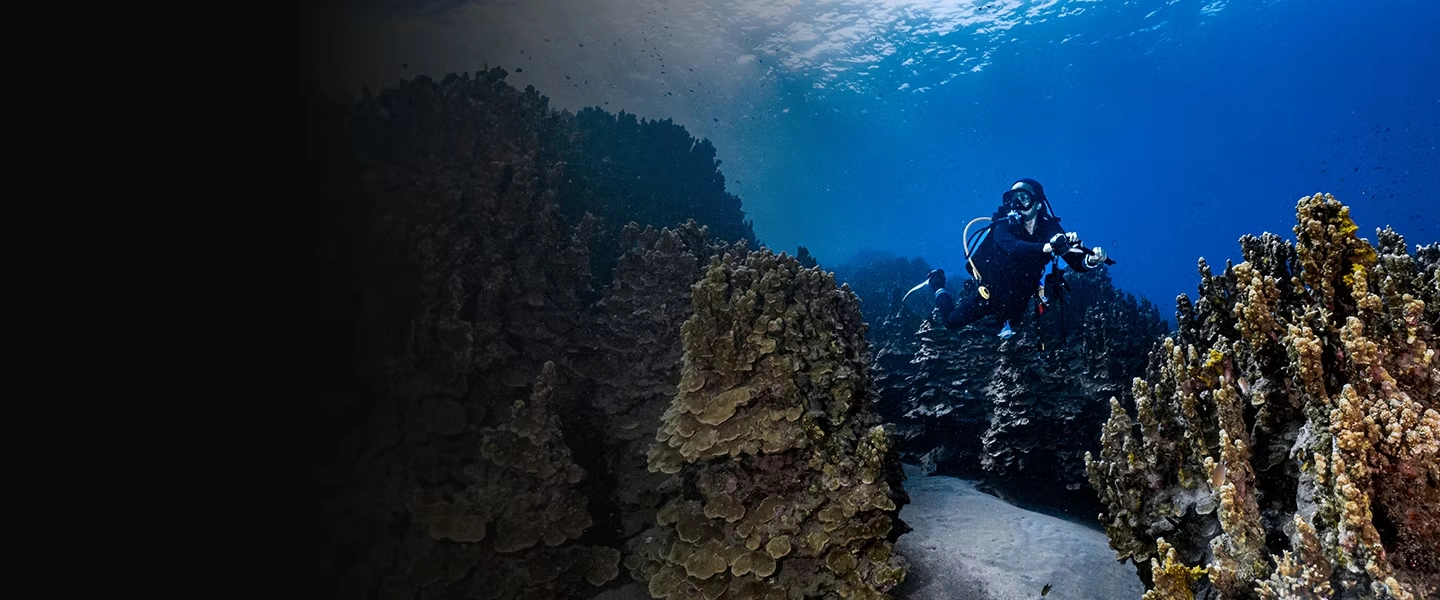
Wakatobi (the resort circuit). International-tourist environment, plenty of solo travellers, no specific concerns.
Bunaken village homestays. Most homestays are family-run with established histories of hosting solo female travellers. Lorenso's and Daniel's are widely cited as comfortable.
Where to be more careful
Pantai Losari area at night. The bay-front strip is fine until about 22:00; later, it can feel sketchier as the food vendors pack up and the area thins. Walk back to your hotel before then or take Grab.
Outer Bugis villages without a host network. The Mandar and Bugis fishing villages are welcoming during the day but get harder to navigate as a solo female after dark. Pre-arrange accommodation and avoid arriving in unfamiliar villages in the evening.
Long overland transport. Overnight buses to Toraja are workable but expect some attention. Book the upper-deck seats where possible (more privacy) and dress conservatively.
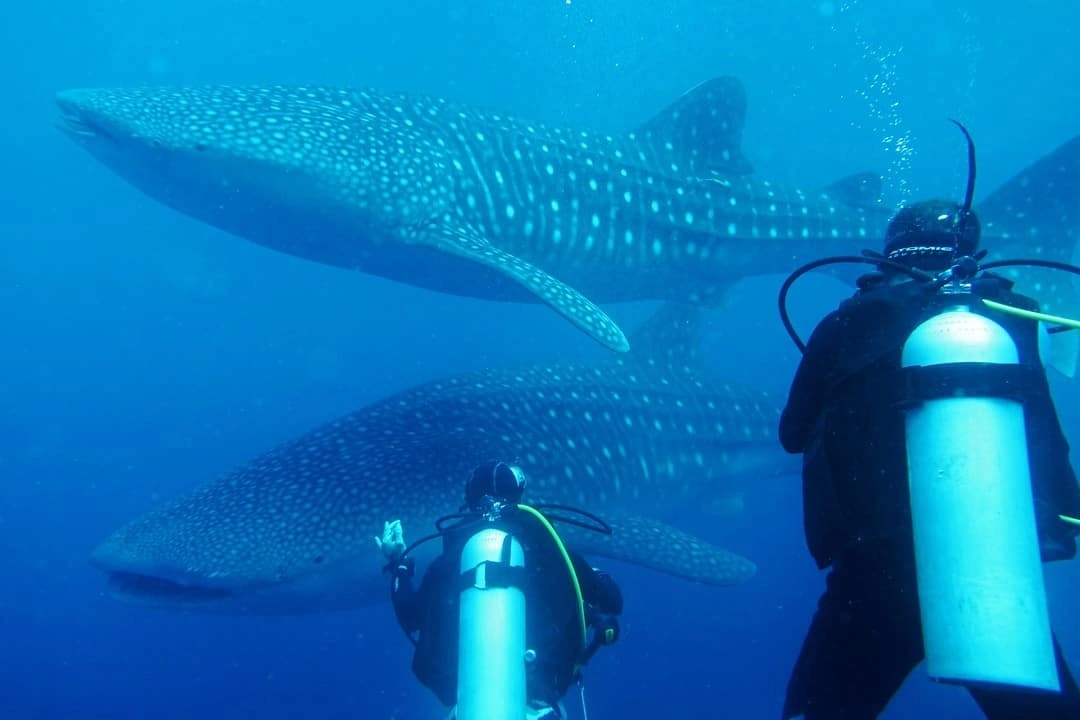
Diving with male-only groups. A small number of dive operators run informal trips that end up overwhelmingly male; if this matters for your comfort, ask in advance about the group composition. The major Bunaken and Wakatobi resorts have mixed groups.
What to wear
Indonesia is broadly modest by Western standards. Practical guidelines:
Cities (Makassar, Manado). Standard Western casual is fine. Long shorts, t-shirts, modest dresses. Bare shoulders and legs above the knee draw attention but aren't problematic in tourist areas.
Rural areas and villages. Cover shoulders, knees, and ideally the hips. Light long pants or below-knee skirts, t-shirts or short-sleeve shirts. A scarf for occasional use.
Mosques and Muslim ceremonies. Headscarf required. Carry a light scarf in your day bag.
Toraja funerals. Dark colours (black or dark blue), modest cut, covered shoulders. Avoid bright colours.
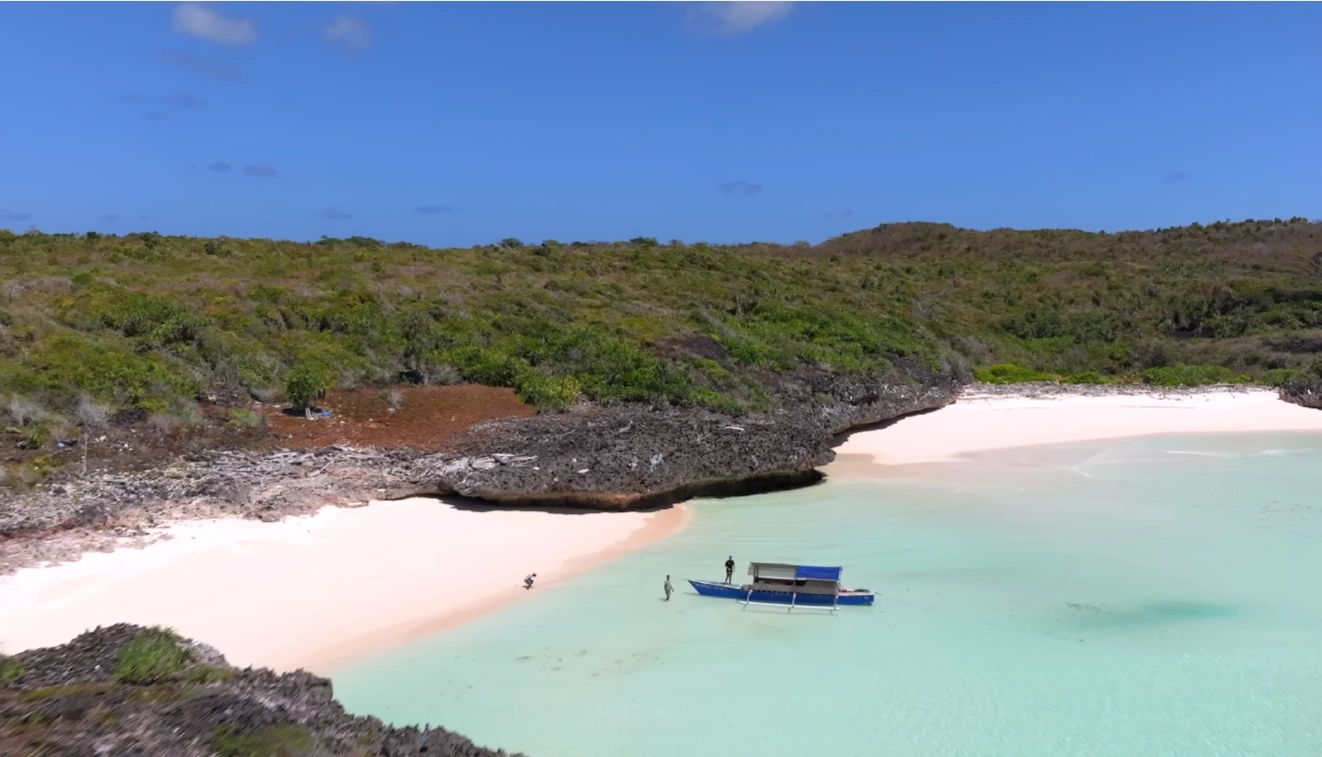
Beaches and diving. Swimsuits at the actual beach are fine. Cover up walking between hotel and beach. Diving in a wetsuit or rashguard is the norm; full-bikini diving works but is less common.
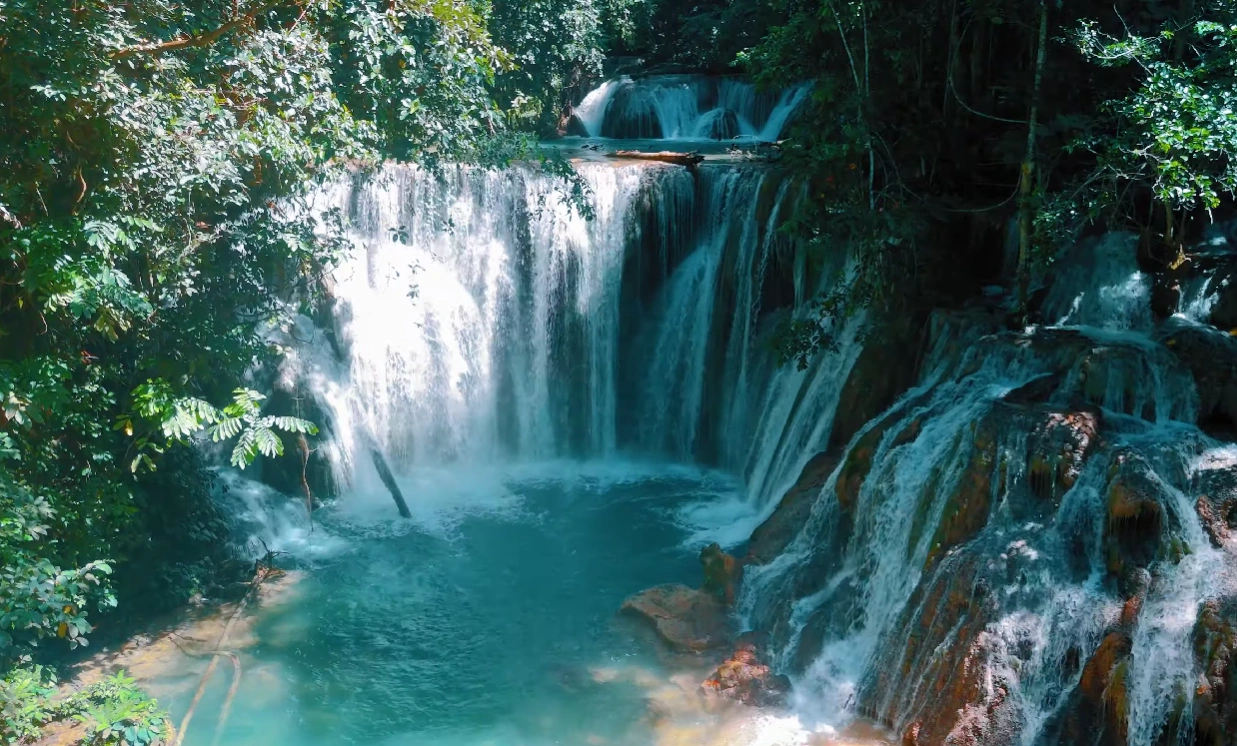
Hot springs and waterfalls. Most Indonesian women bathe fully clothed (a t-shirt and shorts). A modest swimsuit with cover-up works for foreign visitors.
Practical safety habits
A few standard practices:
Share your itinerary. Send a brief plan to someone outside the trip; check in at key transitions.
Carry the hotel name and address written in Indonesian. Useful for taxi drivers and emergencies.
Avoid empty taxis at night. Use Grab or Gojek which has accountability built in. The driver, vehicle, and route are tracked.
Keep cash in two places. A working amount in one pocket, larger amount in another. Don't open a fat wallet in public.
Trust your instincts. If a situation feels off — walk away. Indonesians are generally non-confrontational; a firm departure rarely escalates.
Photo requests. "Boleh foto?" (Can I take a photo?) is common. You can say yes (one photo with one person), say no, or set a time limit. Group photo requests can get long; "satu saja" (just one) sets the boundary.
Accommodation tips
Some choices reduce solo-female friction:
Female-friendly homestays. Several Toraja and Bira homestays specifically welcome solo female travellers and have established histories. Salassa Guesthouse in Bira, Pia's Poppies in Rantepao are reliable.
Hotel over guesthouse for first-night arrivals. A larger hotel with reception staff is easier on a tired arrival than a remote guesthouse. Book the first night at a mid-range hotel and move to budget accommodation the next day.
Avoid ground-floor rooms in budget accommodations. Standard travel-safety practice; relevant in some Indonesian budget accommodations with weaker door security.
Health and hygiene specifics
Menstrual supplies. Standard pads available in most Sulawesi cities. Tampons are harder to find outside Makassar and Manado; bring a supply. Menstrual cups work and are easier than relying on local supplies.
Bathroom availability. Indonesian public bathrooms range from basic to non-existent. Female travellers should carry tissues and hand sanitiser; the wider availability of warung bathrooms with a tip can supplement the formal options.
Sanitary disposal. Many Indonesian bathrooms don't have bins in the stalls. Wrap and dispose in the general bathroom bin.
A few useful phrases
For solo female travellers:
- Maaf, saya buru-buru — sorry, I'm in a hurry. Good deflection.
- Saya menunggu suami saya — I'm waiting for my husband. Even if not true.
- Saya tidak tertarik, terima kasih — I'm not interested, thank you.
- Tolong — please / help.
What solo female travellers say
A recurring point from solo women who've travelled Sulawesi:
"It's not Bali. The infrastructure for solo travel is thinner. But the people are genuinely warm, the food is good, the destinations are real, and the trip is rewarding in a way that the more touristy Indonesian islands are not."
The trade-off is real. For solo female travellers with some Indonesia experience or general comfort with off-the-tourist-trail travel, Sulawesi is one of the more rewarding parts of the country. For first-time Indonesia visitors who need maximum infrastructure, Bali or the Yogya circuit may be easier starting points.
Is Sulawesi safe for solo female travellers? Sulawesi is broadly safe for solo female travellers by international standards — low violent crime, moderate verbal harassment, and an established tourist infrastructure on the main circuit (Makassar, Toraja, Bira, Bunaken, Wakatobi). Tana Toraja, Manado, and the Bunaken dive village are particularly comfortable. Dress modestly outside the main cities, avoid Pantai Losari after 22:00, and use Grab over hailed taxis at night.