#guide
The Spice and Sea Route: Manado to Ternate via Sulawesi
Por F. Karuna14 May12 min de lectura
A 14-day trip from Manado through Bitung to Ternate and Tidore in North Maluku — retracing fragments of the historical Moluccan spice trade routes by Pelni ferry.
The historical spice trade routes ran from the small clove and nutmeg islands of the Moluccas (Maluku) through eastern Indonesia to the wider Asian and European markets. For travellers interested in the longer history of how globalisation actually worked, a contemporary trip from Manado in North Sulawesi to Ternate in North Maluku — by Pelni ferry, with stops along the way — retraces a fragment of those routes and produces one of the more rewarding multi-region eastern Indonesian trips available.
This is a 14-day itinerary linking Manado to Ternate via the historically connected ports, with the cultural and historical context that justifies the journey.
The historical premise
Two reminders of why this geography matters:
The Moluccas were once the world's exclusive source of clove and nutmeg. Until the early nineteenth century, when the Dutch monopoly was broken and seedlings were transplanted elsewhere, the entire global supply of these spices came from a handful of small islands in what is now North Maluku.
Ternate and Tidore were the principal trading hubs. Two small volcanic islands near the spice-producing area, each with its own Sultanate, fought and traded with Portuguese, Spanish, and Dutch interests across the sixteenth and seventeenth centuries.
Manado, Bitung, and the broader Sulawesi coast served as way stations on the routes connecting the Moluccas to the wider trade networks. The connections continued — and to some extent continue — through Pelni ferries on routes that broadly retrace the old spice paths.
A traveller making this journey today does so within the contemporary ferry system, but the geographic logic is the historical one.
The 14-day route
Days 1–2: Manado.
- Standard Manado orientation. Pasar Bersehati for the spice section. Bukit Kasih interfaith monument. Tinoor highland dinner.
Days 3–4: Bitung and the Banda Sea connection.
- Drive to Bitung (90 min).
- Bitung is the historical Pelni ferry port and the contemporary commercial harbour.
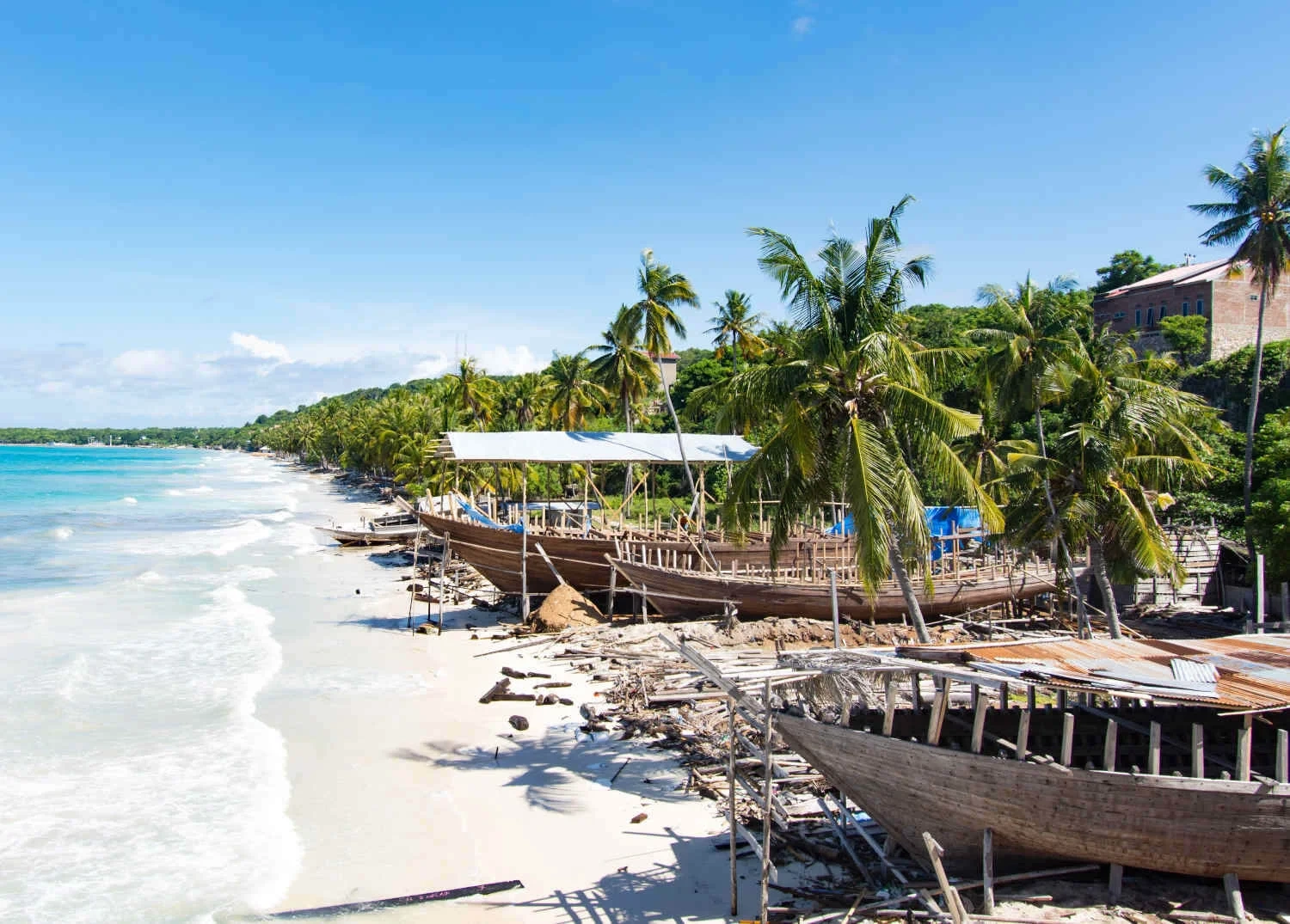
- A day to walk the harbour, see the working pinisi, and prepare for the ferry.
Day 5: Ferry to Ternate (Pelni overnight).
- Pelni KM Lambelu or similar on the Bitung–Ternate route.
- Overnight crossing, roughly 14 hours.
- Cabin class €17–€26.
Days 6–8: Ternate.
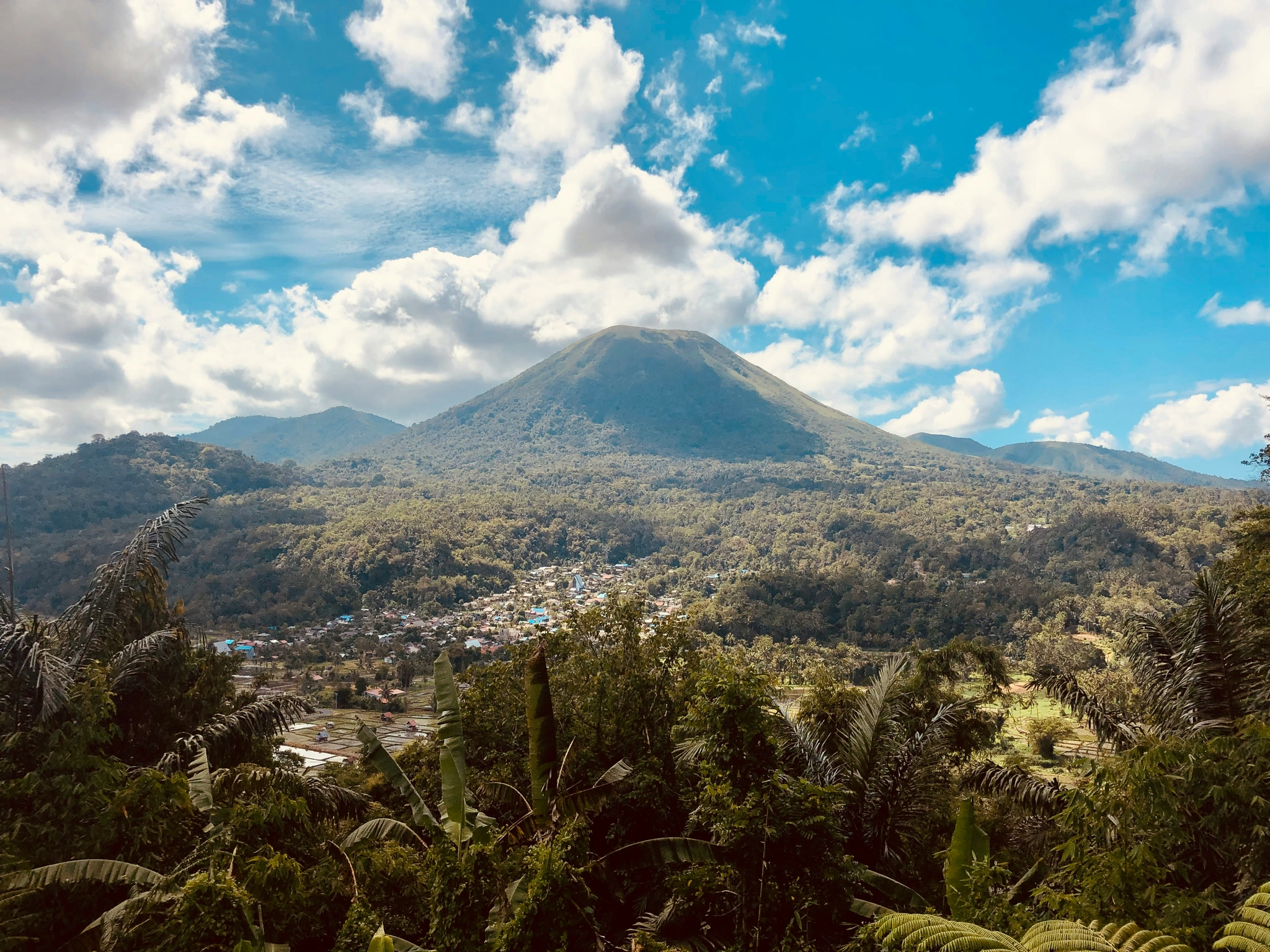
- The fortress town built around Mount Gamalama volcano.
- Three Portuguese / Dutch / Sultanate-era forts (Tolukko, Oranje, Kalamata) — all visitable.
- Sultan's palace museum.
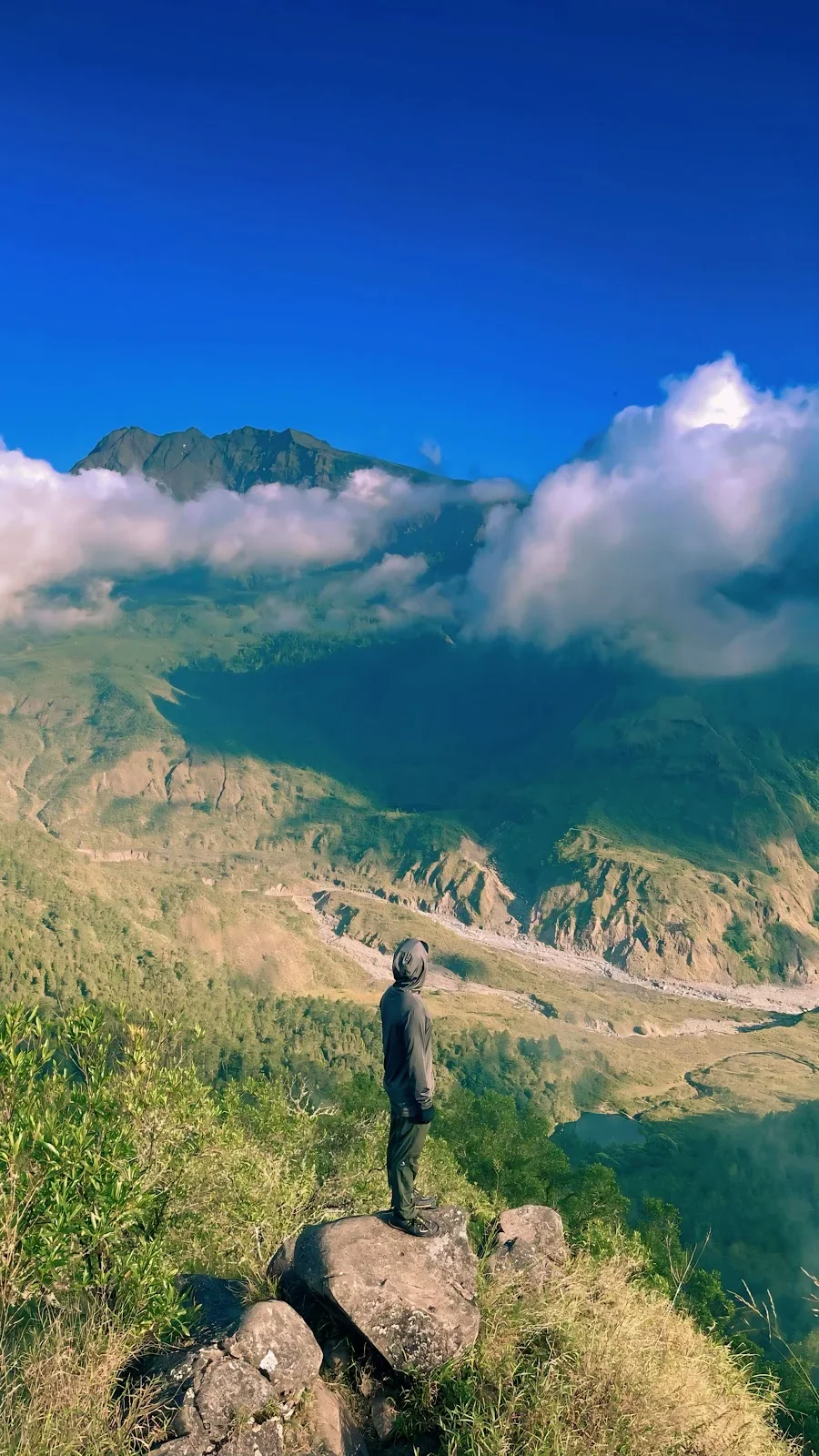
- Mount Gamalama climb (active volcano, 1,715m).
- The local spice plantations.
Day 9: Ternate to Tidore.
- Short boat across to Tidore island (30 min, €1).
- Day-trip or overnight.
- Tidore Sultan's palace, the older surviving sultanate.
Days 10–11: Halmahera (optional extension).
- Ferry to nearby Halmahera, the largest island in North Maluku.
- Endemic bird life — Halmahera has Wallace's Standardwing bird-of-paradise.
- One or two nights at Sofifi or Tobelo.
Days 12–13: Return to Manado.
- Ferry Ternate → Bitung overnight.
- Manado last day.
Day 14: Departure.
What the trip covers
Geographically: Manado → Bitung → Ternate → Tidore → optional Halmahera → return.
Culturally:
- North Sulawesi Minahasan culture (Manado).
- The Pelni inter-island ferry experience.
- North Maluku Sultanate culture (Ternate, Tidore).
- Spice trade history.
- Active volcano landscape (Gamalama).
- Endemic wildlife (Halmahera birds, if extending).
Pelni ferry detail
The Pelni state-owned ferry network connects the eastern Indonesian islands. For this trip:
KM Lambelu, KM Sangiang, KM Kelimutu — various ships on Bitung–Ternate routes. Schedules vary; check pelni.co.id for current.
Classes:
- Deck (ekonomi): €10–€14. Open deck, no bed. Rough.
- Cabin (kelas IV): €17–€24. Shared cabin, bunk bed.
- Suite (kelas I or VIP): €33–€71. Private cabin.
For most travellers, cabin class is the right choice. Bring a sleeping bag liner regardless of class.
Booking. Pelni offices at the harbour or online via the Pelni website. Book 2–3 days ahead in season.
Schedule reliability. Pelni ships generally run, but with occasional delays. Build buffer days into the trip.
Ternate specifics
The volcanic town deserves its own short orientation:
Mount Gamalama. The active volcano that dominates the island. Climbable on a guided day-trip, about 6 hours up and back. Active enough that climbing is occasionally suspended; check current PVMBG status.
Three forts. Fort Tolukko (Portuguese, 1540), Fort Oranje (Dutch, 1607), Fort Kalamata (Portuguese reconstructed). All visitable in a half-day.
The Sultan's palace. Built 1813 by Sultan Muhammad Ali. Houses royal regalia and manuscript collections.
The spice plantations. Small cultivations of clove and nutmeg, visitable with a guide.
Food. Ternate has its own North Maluku cuisine — gohu ikan (raw fish similar to lawa bale), papeda (sago porridge), kaledo (beef-bone soup), strong influence of Moluccan spice traditions.
Tidore specifics
Smaller, quieter, with a longer pre-colonial Sultanate history than Ternate:
- The Sultan's palace at Soa Sio.
- The seventeenth-century Spanish fort.
- A more peaceful contemporary feel than Ternate.
A day-trip or overnight from Ternate works. The boat from Ternate runs frequently and inexpensively.
Halmahera extension
For travellers extending to Halmahera:
- Sofifi: The administrative capital. Modest infrastructure.
- Tobelo: Larger town on the north-eastern coast.
- Birdwatching: Wallace's Standardwing bird-of-paradise and several other Halmahera endemics; requires a specialist guide.
- Loloda Lake: A volcanic lake.
Adding Halmahera makes the trip 16–18 days instead of 14.
Costs
For one traveller, 14 days at mid-range:
- Accommodation: €286.
- Food: €95.
- Pelni ferry cabin (twice): €48.
- Local transport: €71.
- Activities (forts, climbs, palaces): €71.
Total: €571–€667. One of the cheaper multi-region eastern Indonesian trips.
When to go
April–November is the practical window. The Banda Sea gets serious weather November–March; ferry cancellations are real.
The sweet spots are May–June and September–October.
Who this trip is for
This trip works for:
- Travellers interested in early-modern colonial and spice trade history.
- Travellers comfortable with overnight ferries.
- Birders (with the Halmahera extension).
- Anyone who has done the standard Sulawesi loop and wants to extend east.
It doesn't work for:
- Tight-schedule travellers.
- First-time Indonesia visitors.
- Travellers requiring resort-grade accommodation.
What this trip leaves
The eastern Indonesia region — North Maluku, Maluku proper, West Papua — is much larger than this 14-day trip can cover. Successful completion is an invitation to:
- A future Banda Islands trip (the historical centre of the nutmeg trade).
- A West Papua or Raja Ampat trip.
- A Sulawesi-Maluku full-loop trip.
For travellers building a long-term engagement with eastern Indonesia, the Manado–Ternate route is a useful early piece.
Can you travel from Manado to Ternate by ferry? Yes. The Pelni national ferry network runs scheduled overnight services between Bitung (next to Manado) and Ternate in North Maluku — roughly 14 hours, cabin class €17–€24. A 14-day spice and sea route covers Manado, Bitung, Ternate, and Tidore, retracing fragments of the historical Moluccan spice trade routes. Best months April–November.