






#culture
Sulawesi Textiles: Sutera Bugis, Lipa' Sa'be, and the Island's Weaving Traditions
Por A. Rahmawati21 May10 min de lectura
A field guide to Sulawesi textiles — Sutera Bugis silk from Sengkang, Lipa Sa be from Pangkep, Toraja Pa lonjong from Sa dan, plus Mandar and Donggala traditions.
Sulawesi has four major textile traditions, one for each of the principal ethnic groups, plus several smaller regional practices. The Bugis weave Sutera Bugis silk on hand looms in the Wajo highland villages around Sengkang. The Makassar maintain Lipa' Sa'be (the Makassar handwoven sarong) on the South Sulawesi coast. The Toraja produce Pa'lonjong cotton with distinctive geometric patterns, and the Mandar weave silk and cotton with motifs that echo the sandeq sailing tradition. None of these has the international recognition of, say, Balinese or Sumbanese ikat, but the traditions are alive, the workshops are visitable, and the textiles repay close attention.
This is a short field guide to Sulawesi textiles — what each tradition looks like, where to see weavers at work, and what to buy.
Sutera Bugis
The most commercially significant Sulawesi textile tradition. Sutera Bugis is silk woven on hand looms in the Wajo and Soppeng regencies of South Sulawesi, principally in and around Sengkang. The silk is produced locally — Wajo has a long-standing silkworm cultivation tradition — and woven into sarongs, scarves, and ceremonial pieces using floor looms.
The patterns are typically geometric, with checks, stripes, and small repeating motifs in colours that range from quiet (cream, indigo, brown) to vivid (gold, magenta, deep green). The weaving uses a supplementary-weft technique that produces a slight raised pattern on the fabric.
Where to see it. The Sengkang central market has stalls selling finished pieces. For working workshops, visit Bumi Sutra Sengkang or the smaller home-based weavers off Jalan Datu Pammasa. A simple silk scarf runs €12; a ceremonial sarong €38–€120 depending on the work.
Lipa' Sa'be
Lipa' Sa'be is the Makassarese handwoven sarong. The technique is similar to Sutera Bugis but the patterns and colour conventions differ, with bolder geometric designs and a wider use of metallic threads. Lipa' Sa'be is traditionally worn at formal occasions in Makassarese culture, particularly weddings and aqiqah (Islamic infant ceremonies).
Where to see it. The Pasar Sentral in Makassar has Lipa' Sa'be vendors, but the better-quality pieces come from small workshops in the Pangkep regency north of the city. Sentra Tenun Pangkep is a recognised cooperative; the Makassar tourism office can arrange introductions.
Toraja Pa'lonjong and other cotton
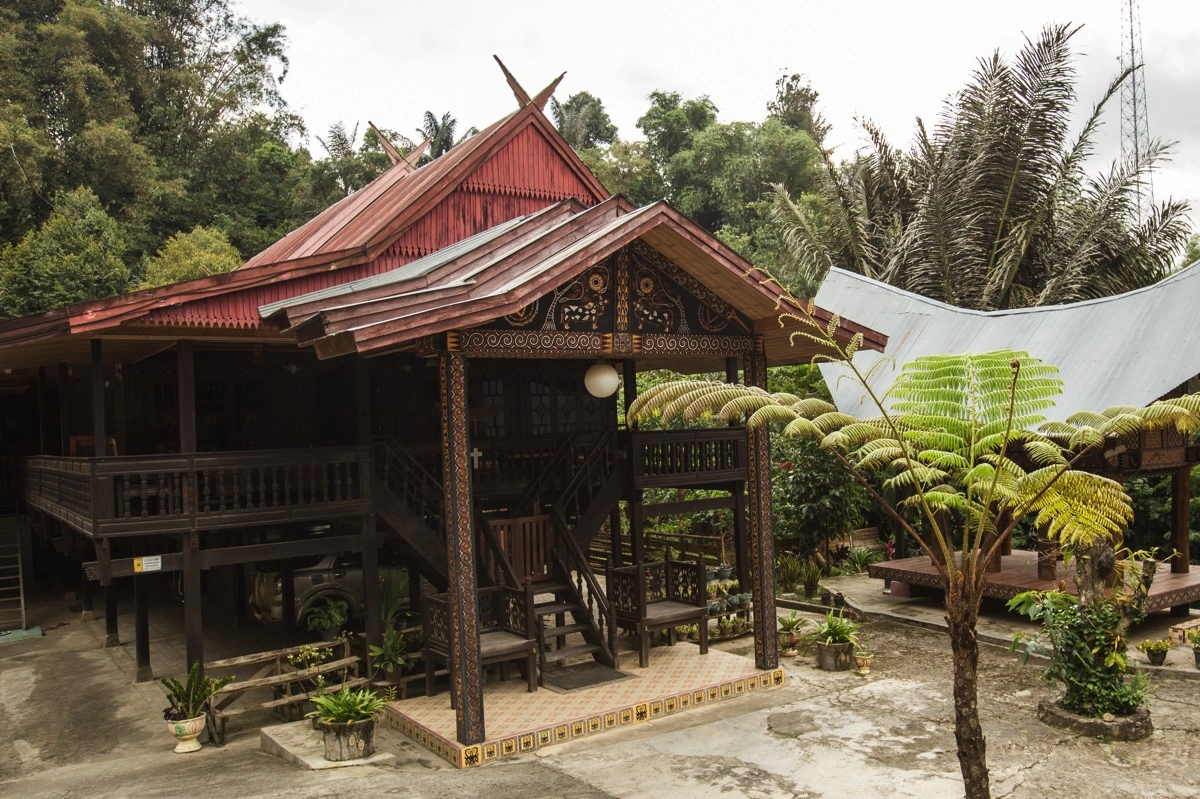
The Toraja produce cotton textiles with their own design vocabulary, distinct from Bugis and Makassar work. Pa'lonjong is the standard term for Toraja-woven cotton; pieces include sarongs, shoulder cloths, and ceremonial blankets. Patterns draw from the same motif families as tongkonan carvings — pa'tedong (buffalo), pa'doti (diamond grid), pa'manuk (rooster) — rendered in woven form.
Where to see it. The village of Sa'dan, north of Rantepao, is the textile centre; workshops are visitable any morning. Quality varies; the better workshops produce pieces using natural dyes (indigo, soga brown, lac red) at considerably higher prices than the chemically-dyed mass-market pieces sold at the Rantepao tourist stalls.
A natural-dye Pa'lonjong sarong runs €29–€70; chemical-dye equivalents €10–€19.
Mandar textiles
The Mandar maintain a less-codified weaving tradition that combines silk and cotton, often with maritime motifs (waves, stars, sandeq sail outlines). Workshops are concentrated in the villages of Tinambung and Majene on the West Sulawesi coast. Pieces are harder to find outside the immediate region; the Majene cultural museum has a small display and can point visitors to active workshops.
Smaller regional traditions
- Donggala ikat (Kaili). Cotton ikat from the village of Donggala in Central Sulawesi, with strong colour palette and royal-court motifs. The traditional Kaili ceremonial textile.
- Toraja Mamasa textiles. The Mamasa Toraja in the highlands of West Sulawesi produce textiles related to but distinct from Tana Toraja work.
- Buton sarongs. From the Buton Sultanate area in Southeast Sulawesi. Cotton sarongs with distinctive striped patterns.
What to look for
Three useful questions when buying a Sulawesi textile:
- Is it hand-woven? Hand-woven pieces have slight irregularities in the weave; machine pieces are uniform. The hand-woven label commands a real premium.
- What is the dye? Natural dyes — indigo for blue, soga bark for brown, lac insect for red — are more expensive and more resistant to fading than chemical dyes.
- What is the silk content? Pure silk Sutera Bugis commands a premium over silk-cotton blends. The merchant should be willing to explain.
What not to buy
Be cautious of:
- Mass-produced pieces labelled as "traditional" at the major tourist stalls in Rantepao and Makassar — often machine-woven imports from Java with Sulawesi-style printing.
- "Antique" pieces sold without provenance — the antique textile market in Indonesia includes a significant volume of recently-made pieces aged with tea and smoke.
Where to learn more
The Pusat Pengembangan Pemberdayaan Industri Tenun (silk and weaving development centres) in Sengkang and Pangkep welcome visitors and provide context. The Museum La Galigo at Fort Rotterdam has a textile gallery showing royal-court pieces in their original ceremonial context.
For serious collectors, the annual Festival Sutra Sengkang in October brings together weavers from across the Wajo region and is the best single event for understanding the tradition in depth.
What are the main Sulawesi textile traditions? Sulawesi has four major textile traditions: Sutera Bugis (silk from Wajo regency, centred on Sengkang), Lipa' Sa'be (Makassarese handwoven sarongs from Pangkep), Pa'lonjong (Toraja cotton from Sa'dan village), and Mandar silk-and-cotton from Tinambung and Majene. Donggala ikat (Kaili, Central Sulawesi) is the most significant smaller tradition.