

#guide
Watampone Travel Guide: The Old Bugis Kingdom Capital
Por A. Rahmawati06 Aug8 min de lectura
A Watampone travel guide — the Bone Sultanate palace museum, the legendary Goa Mampu cave, and a quietly dignified Bugis town that gets almost no visitors.
Watampone — the administrative name is Bone Regency, but the city is universally called Watampone — was the capital of one of the most powerful pre-colonial kingdoms in eastern Indonesia. The Bone Sultanate ruled much of the South Sulawesi peninsula from the fourteenth to the early twentieth century, and the city still carries the memory: the palace museum is the most substantial Bugis cultural collection in South Sulawesi, and the town has a slow, dignified feel that distinguishes it from the busier Buginese centres like Pare-Pare.
This is a short guide to visiting Watampone — what to see, where to stay, and how to fit it into a South Sulawesi loop.
Getting to Watampone
By road from Makassar: 4–5 hours, 175 km, via the Trans-Sulawesi highway and the road through Maros. Damri bus €4; private car €38.
By road from Rantepao: 7–8 hours via Pare-Pare and the southern road. Long but doable.
Watampone has no commercial airport. The nearest is Makassar.
By sea: a ferry from Bajoe (the Watampone port, 10 km east of the city) crosses to Kolaka in Southeast Sulawesi (8–10 hours, deck or cabin tickets €4–€12). Useful for travellers continuing east to Kendari and Wakatobi.
What to see
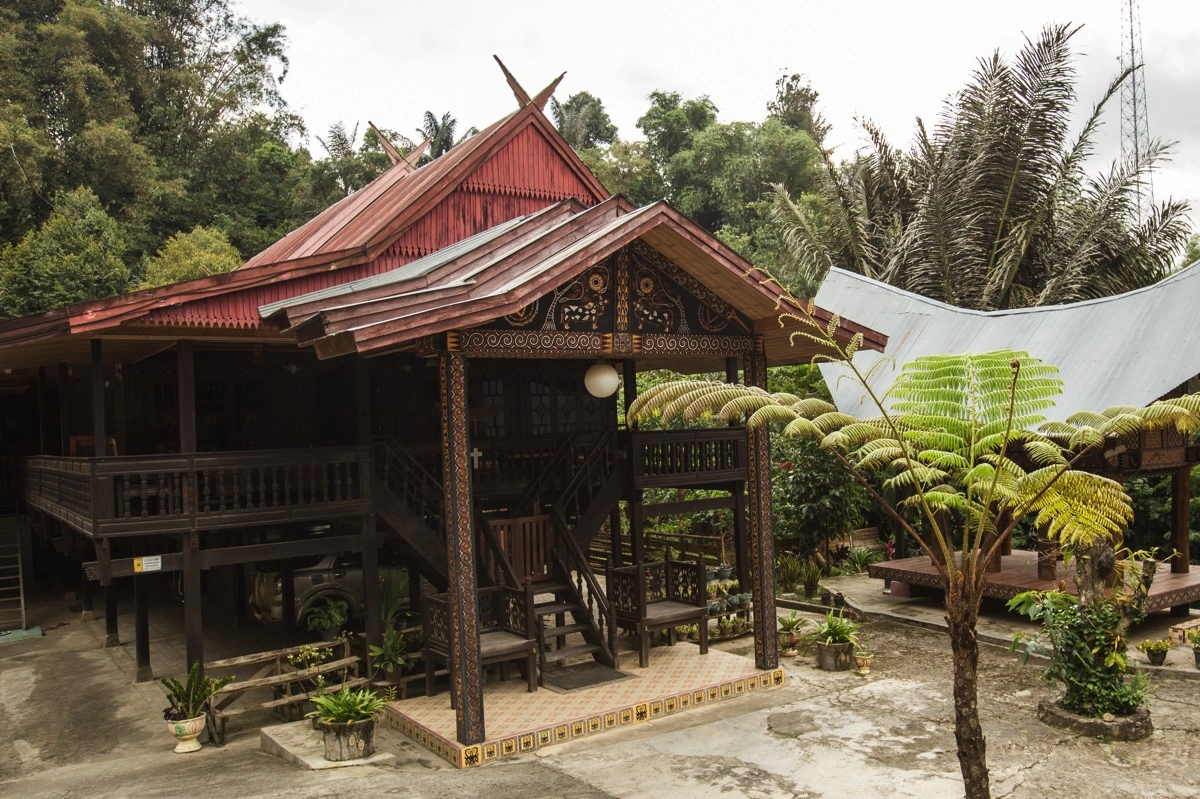
Museum Lapawawoi Karaeng Sigeri. The Bone palace museum, housed in the restored palace of the last ruling Sultan. Bugis royal regalia, manuscripts, weapons, ceremonial textiles, and the La Galigo references that link the Bone court to the wider Bugis epic tradition. €0.50 entry. Allow two hours.
Goa Mampu. The legendary cave 50 km north of Watampone, said in Bugis tradition to be the site of an entire village turned to stone by a curse. Limestone formations and informal guides; €10 for a half-day with a driver and guide.
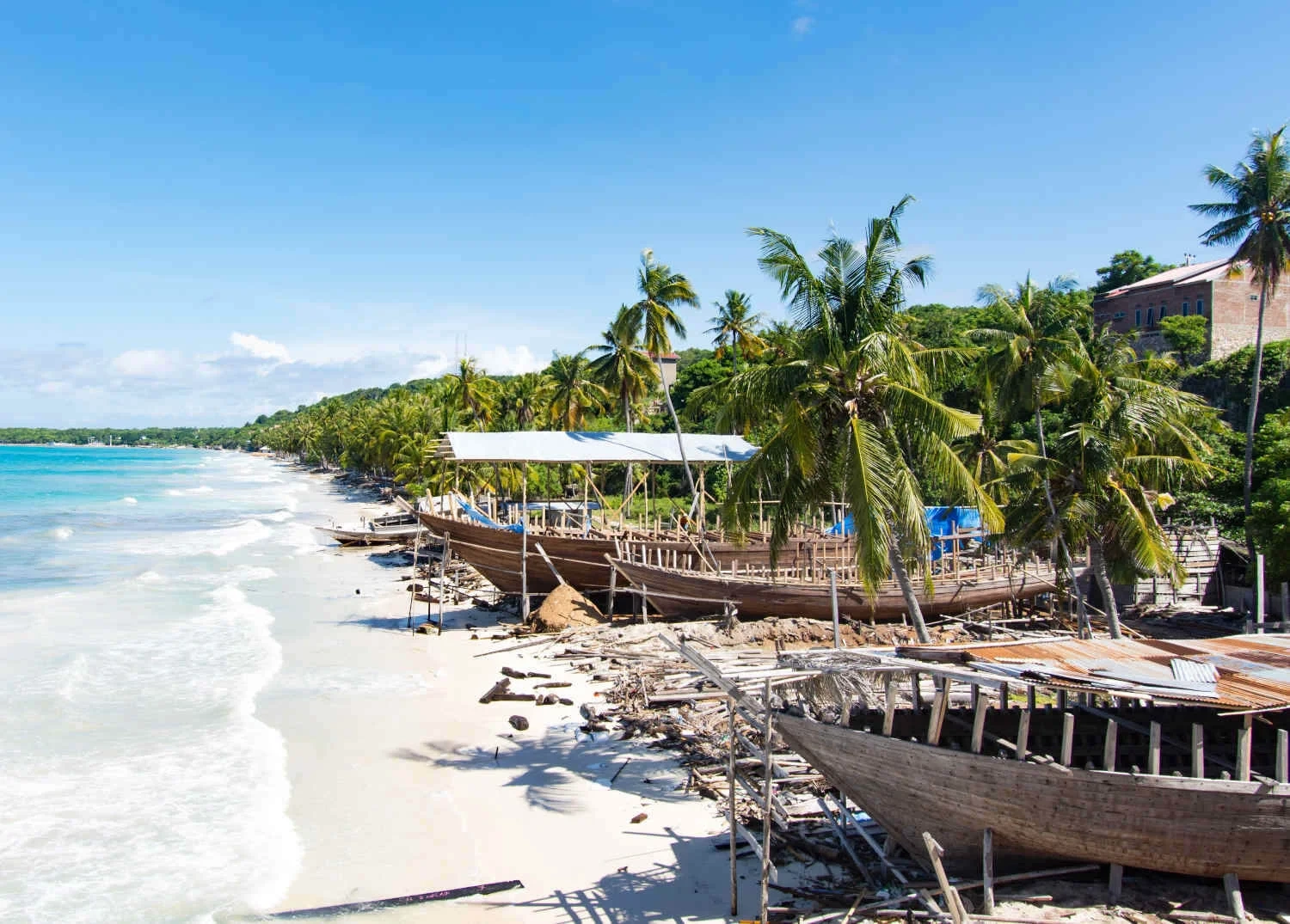
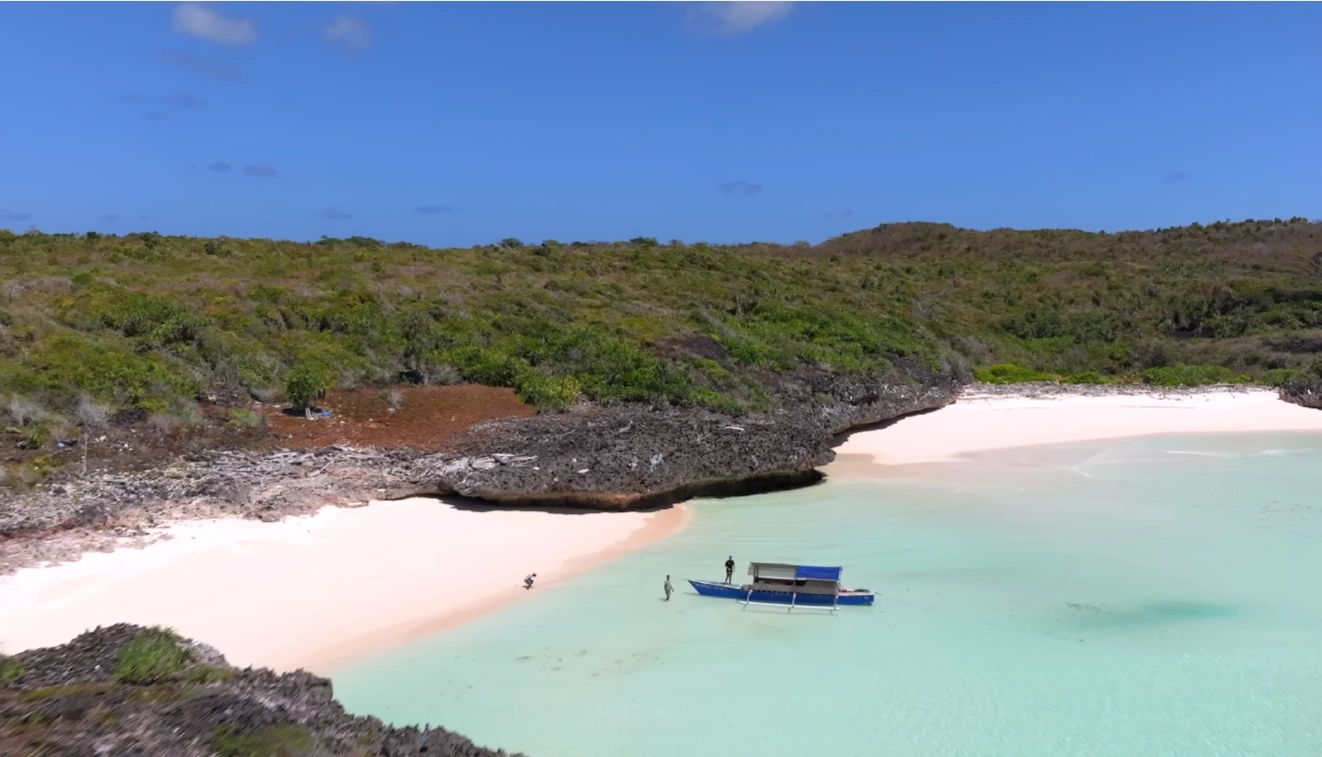
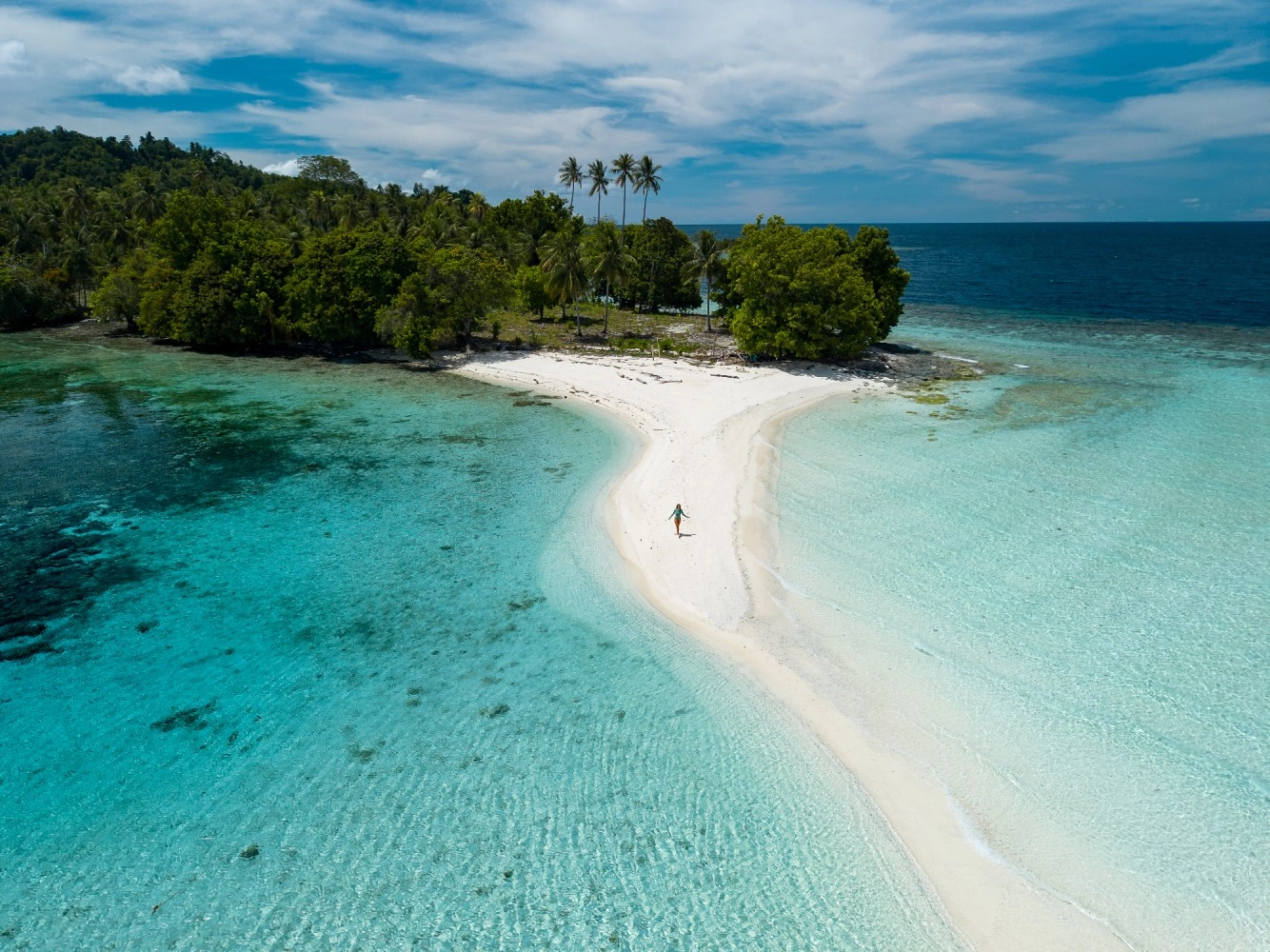
Pantai Bone Lampe. A long-beach strip 30 minutes east of the city. Quieter than the South Sulawesi headline beaches; good for an afternoon walk.
Pasar Sentral. The central market. Buginese textiles, fresh produce, the local jepa (sago crisp). A useful morning walk.
Where to stay
A small but workable set of hotels:
- Mid-range. Hotel Helios and Wisata Bone, both central and clean. €17–€29.
- Budget. Smaller wisma on the side streets. €10–€14.
For a one-night cultural stop, the mid-range hotels are sufficient.
What to eat
Bone food is the Buginese mainstream with some local accents:
- Konro — yes, also here, served at warungs near the bus station.
- Coto Bone — a thinner local variant of coto, less famous than the Makassar version, made with beef rather than buffalo.
- Barobbo — corn-and-vegetable porridge, breakfast staple.
- Sokko sokko — sticky rice with grated coconut, sold from baskets at the market.
When to visit
Year-round. The dry season (May–October) is more comfortable for walking the town. The Bone-sponsored Mappadendang harvest festival in late winter brings traditional Bugis music and dance to the city; worth coinciding with if dates align.
How long to stay
One or two nights is the right scope for most visitors. An afternoon and a morning cover the palace museum, the market, and a relaxed evening walk. Add a second night if you want to add Goa Mampu or use Watampone as a Bajoe ferry embarkation point for Kendari.
Watampone in a wider trip
Watampone is the natural cultural stop for travellers interested in pre-colonial Indonesian history, particularly the Bugis maritime kingdoms. It pairs well with Makassar (Fort Rotterdam and the La Galigo Museum) and Pare-Pare. For a South Sulawesi cultural loop: Makassar → Pare-Pare → Watampone → Sengkang (Lake Tempe) → back to Makassar, five or six nights.
Is Watampone worth visiting? Yes, for travellers interested in pre-colonial Bugis culture and the Bone Sultanate. The palace museum, Museum Lapawawoi Karaeng Sigeri, is the most substantial single Bugis royal collection in South Sulawesi, housed in the restored sultan's palace. The town is small, quiet, and well-suited to a one- or two-night stop on a wider South Sulawesi cultural loop.