
A cultural primer on the Bajau — the Sama-Bajau communities of Wakatobi, the Togeans, the Banggai, and the Tomini Gulf — and why the 'sea nomad' label distorts the contemporary reality.
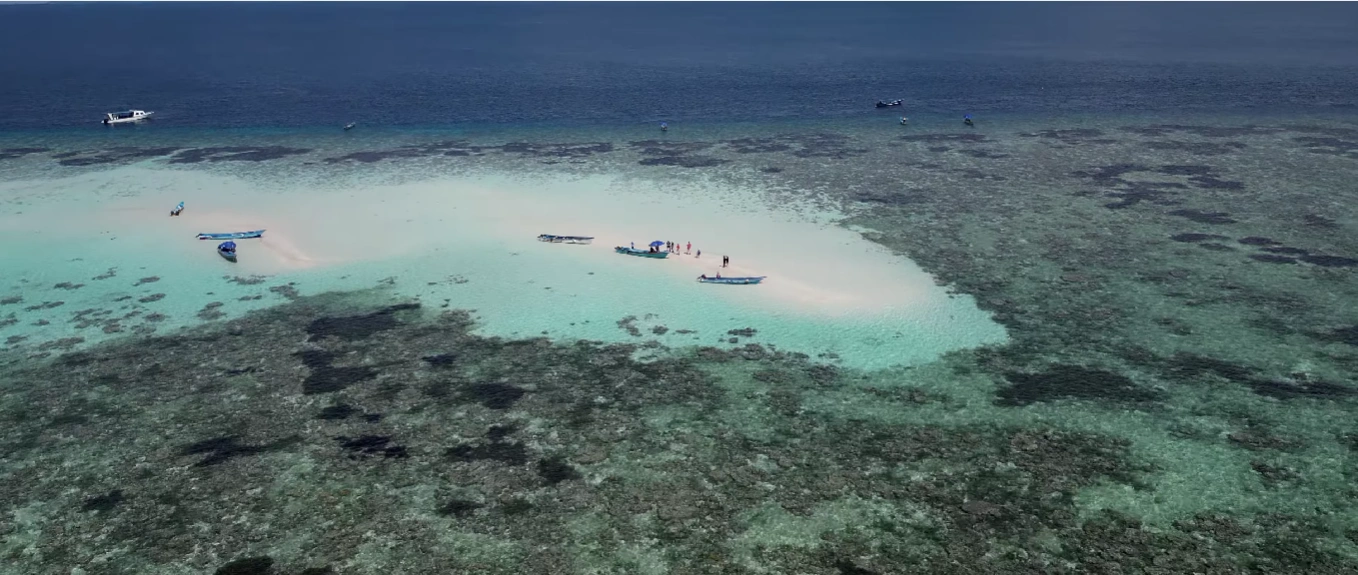
The Bajau — sometimes called Bajo, sometimes Sama, sometimes by the unhelpful catch-all "sea nomads" — are an Austronesian people scattered across the coastal waters of eastern Indonesia, the Philippines, and Malaysia. About a million live across the wider region; the eastern Sulawesi communities at Wakatobi, the Togeans, the Banggai Archipelago, and along the Tomini Gulf number perhaps 100,000. They have historically lived a substantially water-based life, with stilt villages built over shallow reef and lepa-lepa houseboats that allowed nomadic movement across the maritime trade zones. The contemporary picture is more complex: most Sulawesi Bajau now live in permanent stilt villages, the houseboat tradition is largely gone, and the "nomad" label distorts a community that has been sedentary for generations.
This is a short cultural primer on the Bajau of eastern Sulawesi — who they are, where to visit respectfully, and what the contemporary reality looks like.
The "sea nomad" framing
The standard tourism image of the Bajau — wholly nomadic boat-dwelling people who never set foot on land — is largely false in eastern Sulawesi today and has been false at scale for at least a century. Some Filipino Bajau communities maintain stronger houseboat traditions; the Indonesian Bajau communities have, for the most part, settled into stilt villages that may have been continuously occupied for over a hundred years.
The framing matters because it shapes how visitors approach Bajau communities. Visiting a "village of sea nomads" creates the wrong expectations and tends to lead to extractive interactions. Visiting a working Bajau fishing village with a substantial settled history is closer to the actual situation and produces better encounters.
Geography
The principal Sulawesi Bajau communities for travellers:
- Mola Selatan and Mola Utara, Wakatobi — large twin stilt villages on the western edge of Wangi-Wangi Island. The most-visited Bajau communities in Sulawesi.
- Sampela, near Hoga (Wakatobi) — a smaller, more remote stilt village in the same regency.
- Pulau Papan, Togean Islands — a famous stilt village connected to its neighbour by a long wooden walkway built so children can walk to school.
- Bone Baru, Banggai Archipelago — the eponymous Bajau village in the cardinalfish habitat.
- Torosiaje, Tomini Gulf — a stilt village in Gorontalo waters.
These villages range from a few dozen to several thousand residents.
Language
The Bajau speak a cluster of Sama-Bajau languages within the Austronesian family. Several dialects are mutually unintelligible at distance; coastal contact languages bridge the gaps. Most Indonesian Bajau are also fluent in Bahasa Indonesia and in the regional languages of their host area (Wakatobi Bajau speak Cia-Cia and Bugis variants; Togean Bajau speak Bahasa Indonesia and some of the local Tialo).
Religion
Sulawesi Bajau are predominantly Muslim, with the conversion to Islam dating in most cases to the seventeenth and eighteenth centuries through Bugis and Makassar maritime contact. A small minority maintain older animist beliefs alongside Islamic practice, particularly around the sea and its spirits.
Daily life
The contemporary Sulawesi Bajau village runs on fishing, sea cucumber and shell collection, increasingly on small-scale tourism and on the cash remittances of family members working in regional towns and overseas. Houses are built on stilts over shallow reef, with raised wooden walkways linking the residential clusters; daily life happens on the platforms, in the boats moored beneath them, and on the reef flats at low tide.
A few children grow up never having walked on land for any significant period. Most learn to swim before they learn to walk. The famous Bajau breath-holding adaptation — a genuine biological feature, including documented enlarged spleens that help with oxygen storage during dives — is real and reflects the diving culture that still defines economic life in many villages.
Visiting respectfully
Three practical notes:
- Visit with a local guide from your homestay or resort. The guide will introduce you to village elders and explain protocol. Walking into a Bajau village unannounced is rude.
- Bring a small gift for the community. Cash to the village head (€5–€14), or specific gifts that make sense (school supplies for the village school, rice, cooking oil) are appropriate. Your guide will calibrate the right scale and form.
- Don't photograph children without permission from parents. The casual tourist photo of Bajau children jumping off platforms has become a problematic genre. Ask.
On the Wakatobi Bajau specifically
The Mola Selatan and Mola Utara villages on Wangi-Wangi face genuine pressure: rising sea levels, declining reef productivity, plastic pollution from regional currents, and the rapid growth of small-scale tourism that has not, on balance, benefited the community in proportion to its visibility. Visitors who come to "see the Bajau" should pay attention to what the community is actually saying about its conditions, not what tour-guide framings suggest.
What the term means now
The Bajau have been called sea nomads for a century. The term, originally an outsider description, has been variously embraced, rejected, and partially reclaimed by Bajau communities depending on context. In Indonesian academic and policy discourse the preferred term is now Sama-Bajau or simply Sama. Foreign visitors who want to avoid the worst of the framing problem should use these terms in writing about the community and follow local lead in speech.
The Bajau exist in the present tense, with a contemporary economic life, contemporary problems, and contemporary aspirations. The "nomad" frame is a history that ended generations ago.
Who are the Bajau sea nomads? The Bajau (also Bajo, Sama, or Sama-Bajau) are an Austronesian people across coastal eastern Indonesia, the Philippines, and Malaysia — about a million people total. In eastern Sulawesi they live primarily in settled stilt villages at Wakatobi (Mola Selatan, Sampela), the Togeans (Pulau Papan), the Banggai (Bone Baru), and Tomini Gulf (Torosiaje). The "sea nomad" label distorts the contemporary settled reality.