#wildlife
Mount Klabat, Soputan, and Lokon: North Sulawesi's Volcanoes
Par F. Karuna15 Jan10 min de lecture
A guide to climbing North Sulawesi's three active volcanoes — Klabat (dormant, 1,995m), Lokon (active, 1,580m), and Soputan (highly active, 1,785m) — and how to check the PVMBG alert level.
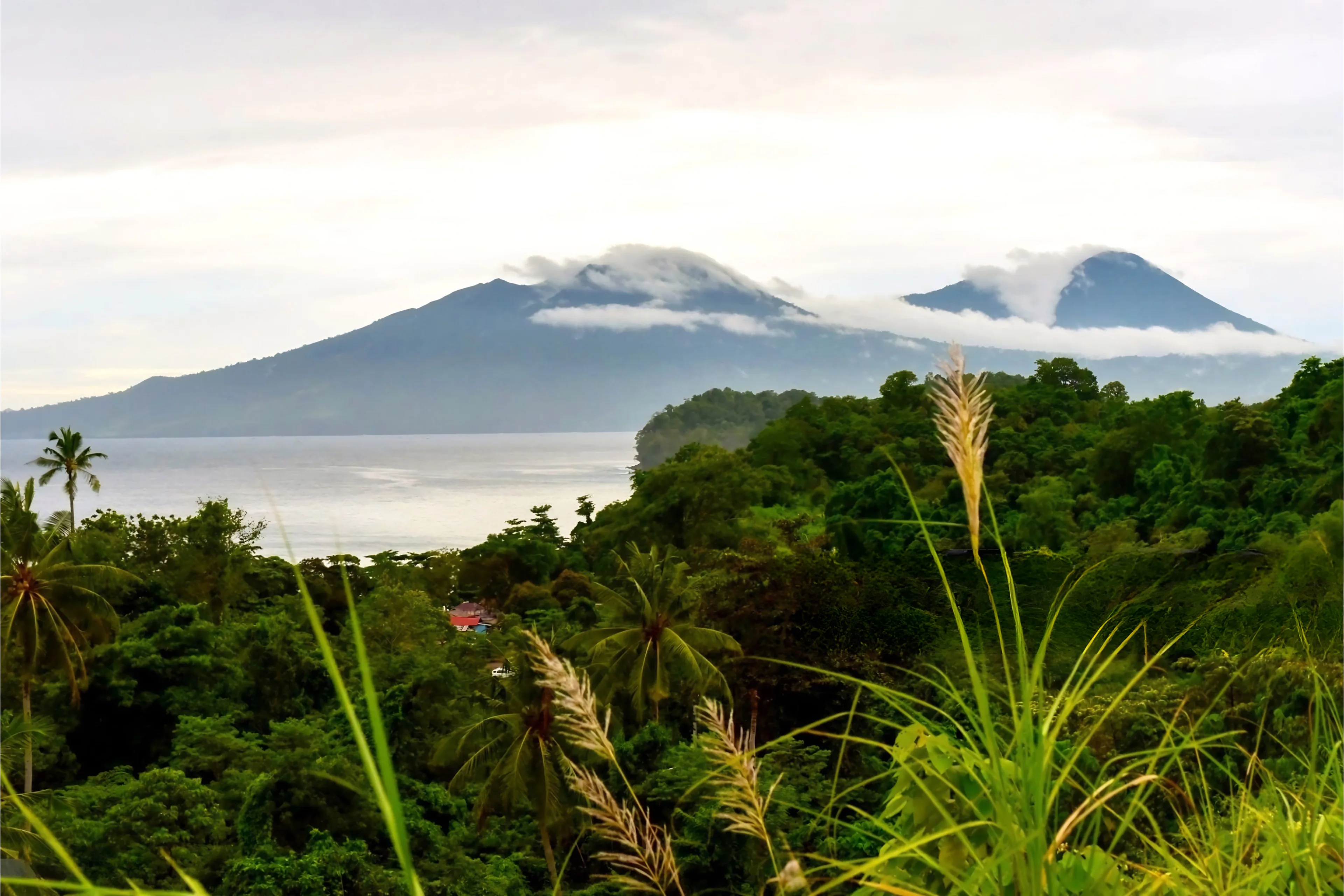
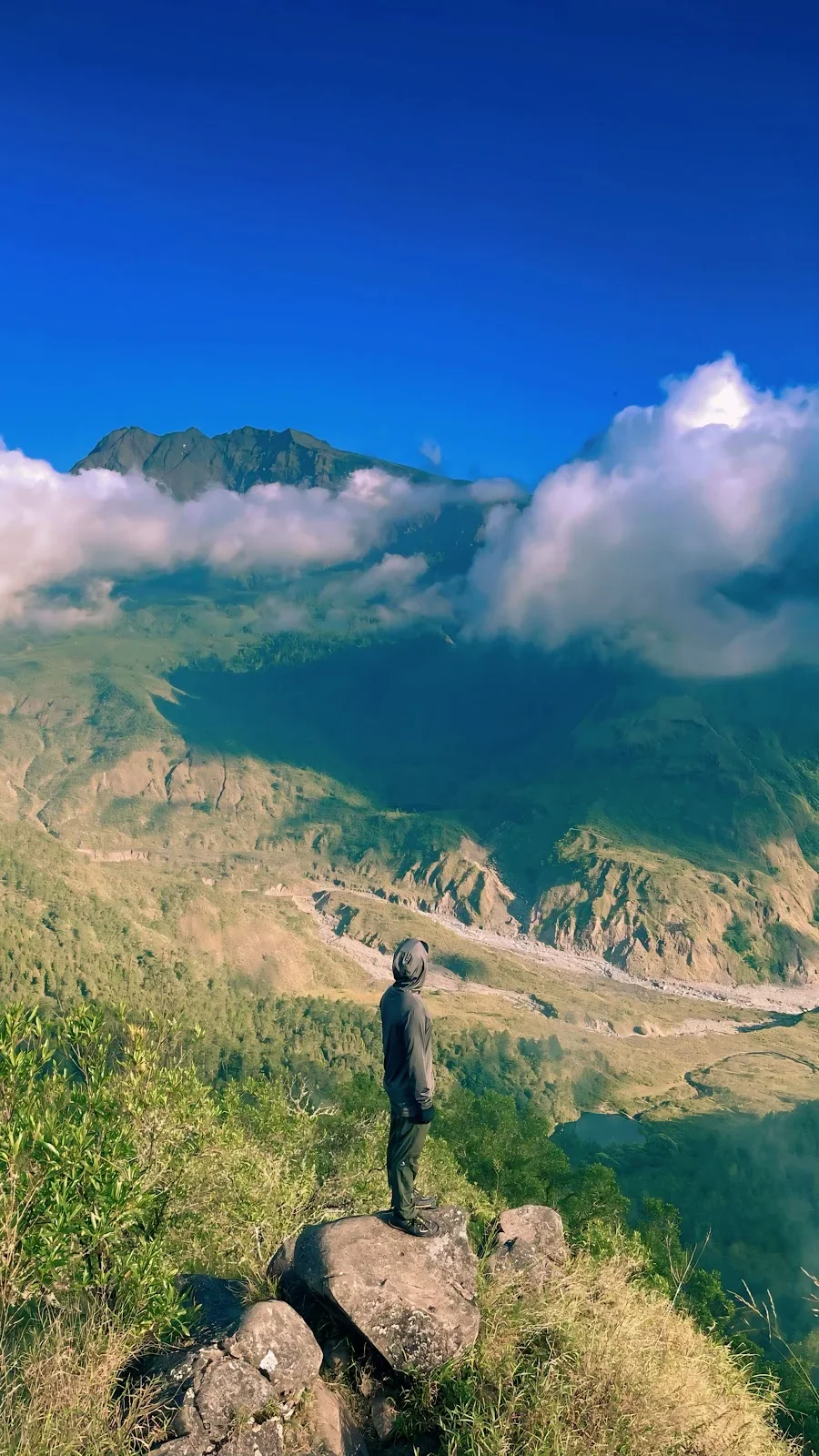
North Sulawesi has the most volcanically active landscape in Sulawesi. The Minahasa peninsula sits on the eastern edge of the Sangihe arc, where the Molucca Sea plate subducts under the Sulawesi crust, and the resulting volcanism produces a chain of cones running from Mount Klabat at the eastern tip through Mount Lokon and Mount Empung above Tomohon, Mount Mahawu, and Mount Soputan to the south. Three of these — Klabat, Lokon, and Soputan — are climbable, all are visible from Manado on a clear day, and all are worth knowing about for travellers in the area.
This is a short guide to the climbable North Sulawesi volcanoes — what each is like, how to climb, and the safety considerations.
Mount Klabat (1,995m)
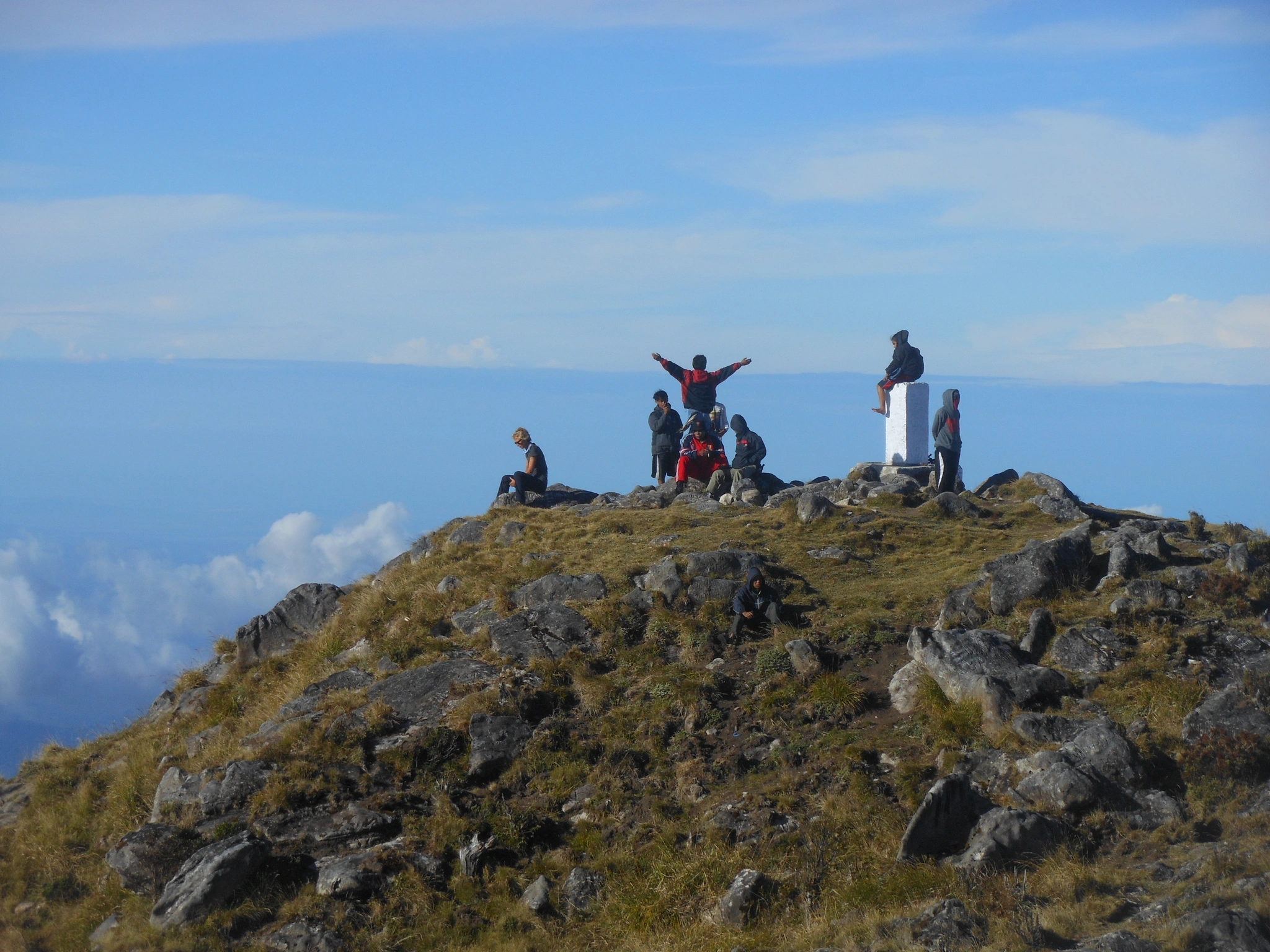
The tallest and easternmost of the North Sulawesi volcanoes. Klabat is a long-dormant stratovolcano with a crater lake at the summit — the only one of the three with active water at the top. The summit is reached on a one-day climb (no overnight required) from the village of Airmadidi, about 90 minutes northeast of Manado.
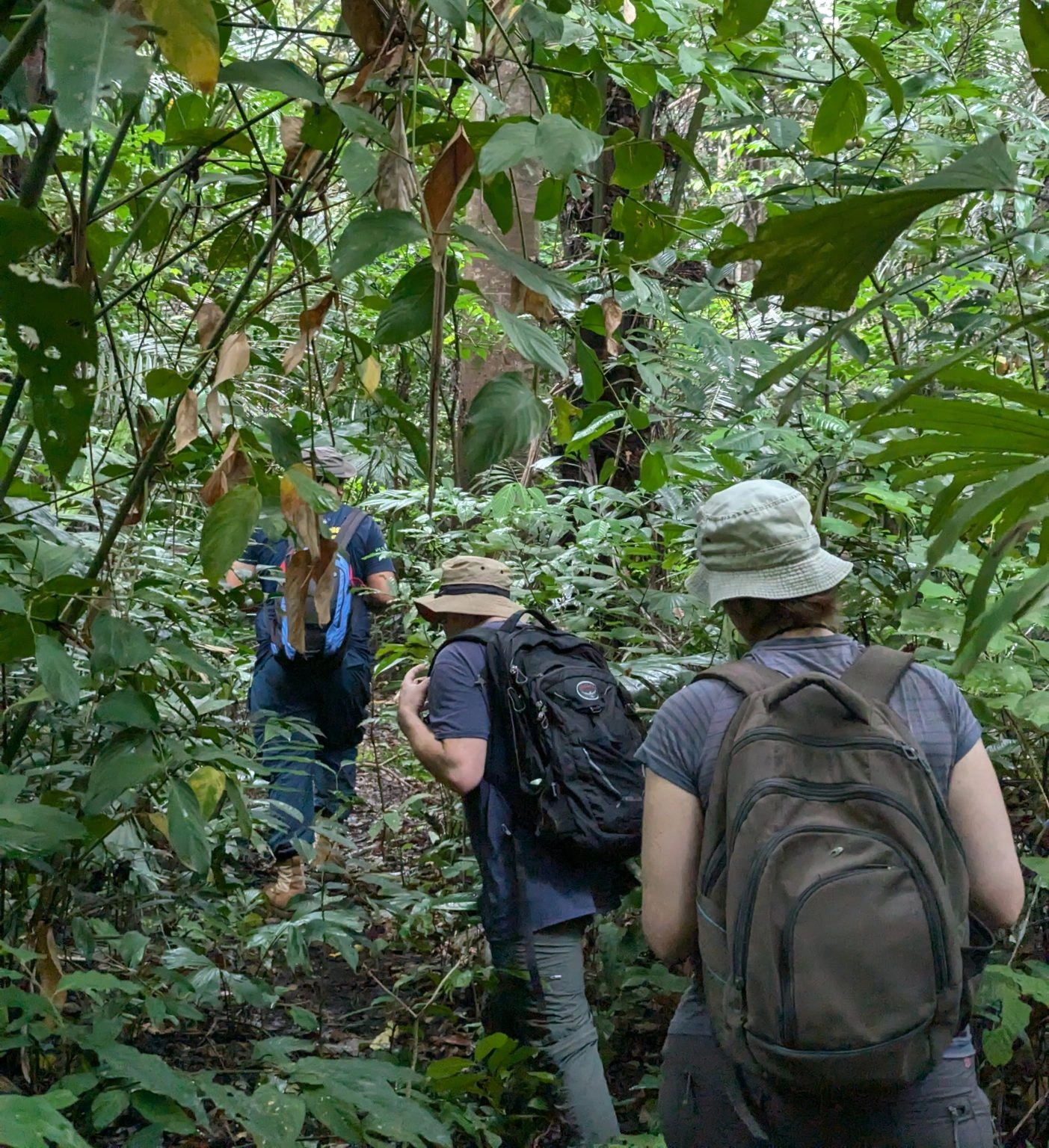
The climb. Standard route from Airmadidi: 5–6 hours up, 3–4 hours down. The trail is forested most of the way with the upper section opening into dwarf vegetation. Reasonable fitness required; technical demands modest.
Best month. May–September dry season.
Guide. Local guides from Airmadidi run climbs for €14–€24 per group.
Combine with. A Tangkoko visit pairs well — climb Klabat one day, transfer to Tangkoko the next. Or as a day-trip from Manado.
Mount Lokon (1,580m)
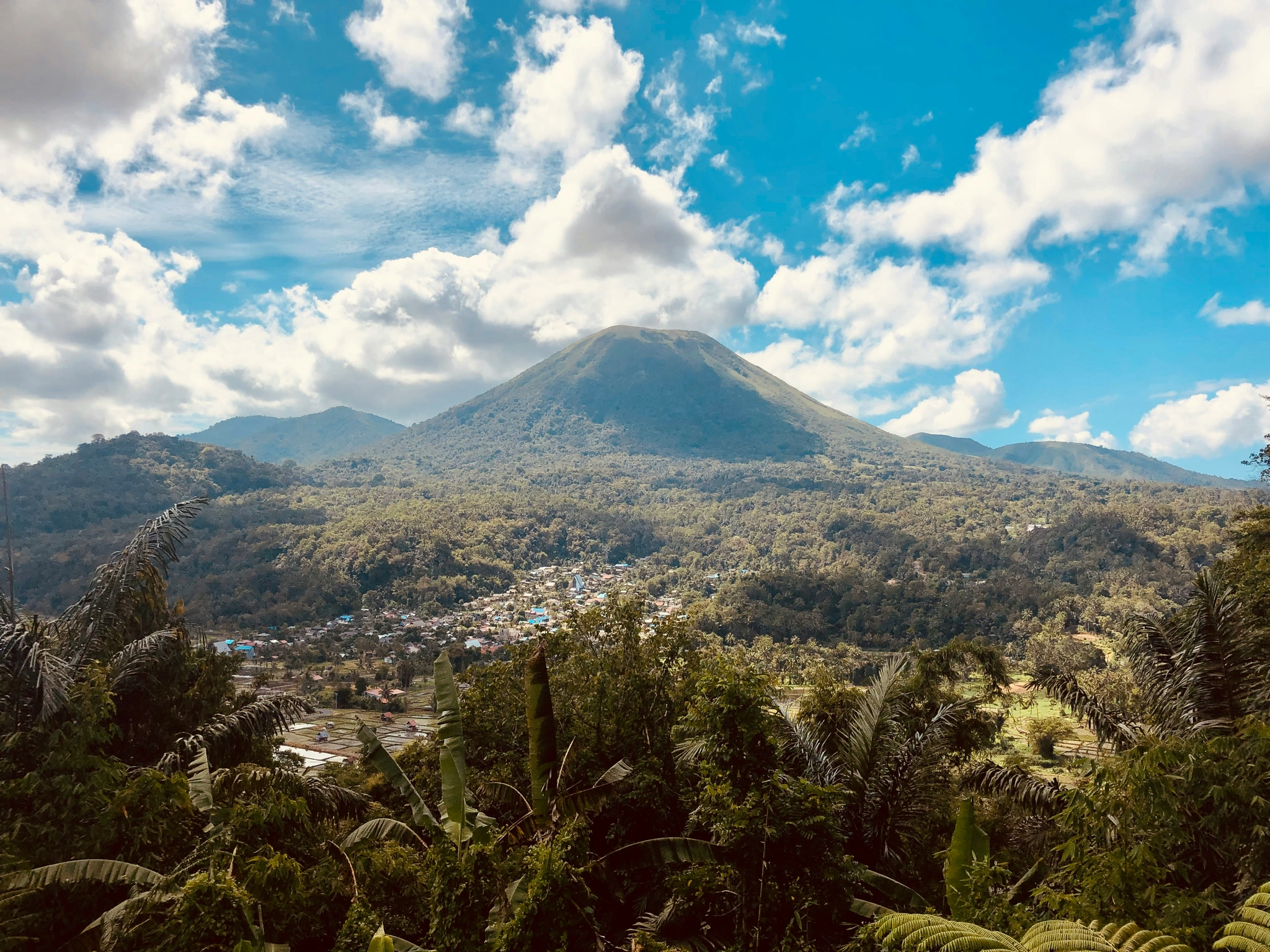
Active and the most recently erupting of the three. Lokon sits directly above Tomohon, with its twin cone Mount Empung. Lokon has erupted multiple times in the twenty-first century — significant 2011, 2012, 2015 events — and remains classified as active by the Indonesian volcanology service (PVMBG). Climbing access shifts with the activity status.
The climb. When permitted, climbs run from the village of Kakaskasen on the southern side. 3–4 hours up, 2–3 hours down. The route passes through forest and farmland into the volcanic soil zone before reaching the crater rim. A normal-fitness day hike when access is open.
Status. Check the PVMBG bulletin before planning. Lokon is one of Indonesia's more reliably active volcanoes, and climbing is suspended when the alert level rises above normal. Suspension can last weeks to months.
Best month. May–September dry season, subject to volcanic activity status.
Combine with. A Tomohon-area cultural visit (Pasar Tomohon, Bukit Doa, Tinoor restaurants) pairs naturally with a Lokon climb. The climb works as a half-day add-on to a longer Tomohon visit.
Mount Soputan (1,785m)
The third climbable cone, southeast of Tondano. Soputan is highly active — among the most reliably erupting volcanoes in Indonesia, with significant eruptions every few years and small ash plumes a regular occurrence. Climbing is permitted at low alert levels and routinely suspended.
The climb. From the village of Silian. 5–6 hours up, 3–4 hours down. The route is more demanding than Klabat or Lokon, with stretches of loose volcanic sand and rock that require careful footing.
Status. PVMBG actively monitors Soputan. Check the bulletin before planning; the volcano runs at Level II (caution) or Level III (warning) more often than Level I (normal).
Best month. May–September, subject to status.
Smaller cones
Mount Mahawu (1,331m) above Tomohon is climbable in 90 minutes from a roadhead and offers a green crater lake view; it is the easiest of the North Sulawesi volcanoes for casual visitors. Mount Empung (1,340m) is climbed alongside Lokon. Mount Tumpa (610m) and the small cones along the eastern coast are walking-grade rather than mountain climbs.
For travellers wanting volcano exposure with minimal effort, Mahawu is the right answer — drive most of the way up, walk twenty minutes on a paved path, peer into a green crater lake, drive back. Half a day from Manado.
Practical considerations
Acclimatisation. None of the climbs reach altitude where acclimatisation matters significantly (all under 2,000m). Standard fitness levels handle the climbs.
Weather. All three climbs lose visibility quickly in cloud. Plan an early start to reach the summit before mid-morning cloud builds up. Bring rain gear regardless of season.
Equipment. Standard hiking kit — boots, water (2L minimum), trail food, headlamp for early starts, warm layer for the summit. No technical climbing equipment required.
Insurance. Volcanic activity-related accidents are usually excluded from standard travel insurance. Check your policy before climbing active cones.
Volcanic activity and safety
Lokon and Soputan are genuinely active volcanoes. Climbing should be approached with respect for the activity status:
- PVMBG bulletin. The Indonesian volcanology service issues regular bulletins on each volcano's alert level. Check before planning.
- Local guide judgment. Experienced local guides understand the warning signs of imminent activity and will refuse climbs when conditions warrant. Trust their judgment.
- Avoid recent ash zones. Even at low alert levels, recently active areas may have unstable ground, residual gas pockets, and unpredictable cooling magma. Stay on established routes.
The volcanoes are part of the appeal of the Minahasa landscape, but they are not domesticated — climbing them is a real activity, not a curated tourist experience.
How to combine with a wider trip
Mahawu as a half-day from Manado pairs with almost any North Sulawesi itinerary. Klabat as a one-day climb adds an active day to a Tangkoko trip. Lokon or Soputan as a one-day climb adds a serious mountain to a Manado-Tomohon stay. For travellers focused on Sulawesi mountains specifically, a North Sulawesi volcanic week (Mahawu + Klabat + Lokon or Soputan) is a coherent trip in its own right.
Which volcanoes can you climb in North Sulawesi? Three main volcanoes are climbable: Mount Klabat (1,995m, dormant with crater lake, day climb from Airmadidi), Mount Lokon (1,580m, active, climb from Kakaskasen when alert level permits), and Mount Soputan (1,785m, highly active, climb from Silian). Mount Mahawu (1,331m) is an easier crater-rim walk above Tomohon. Check the PVMBG bulletin before planning climbs on Lokon or Soputan.