#wildlife
Manta Point and Other Top Dive Sites of Sulawesi
Par D. Manangkasi19 Feb10 min de lecture
A tour of the headline Sulawesi dive sites — Lekuan and Sachiko at Bunaken, Hairball at Lembeh, Sahaung at Bangka, Olele in Gorontalo, Roma at Tomia, Apollo at Takabonerate.
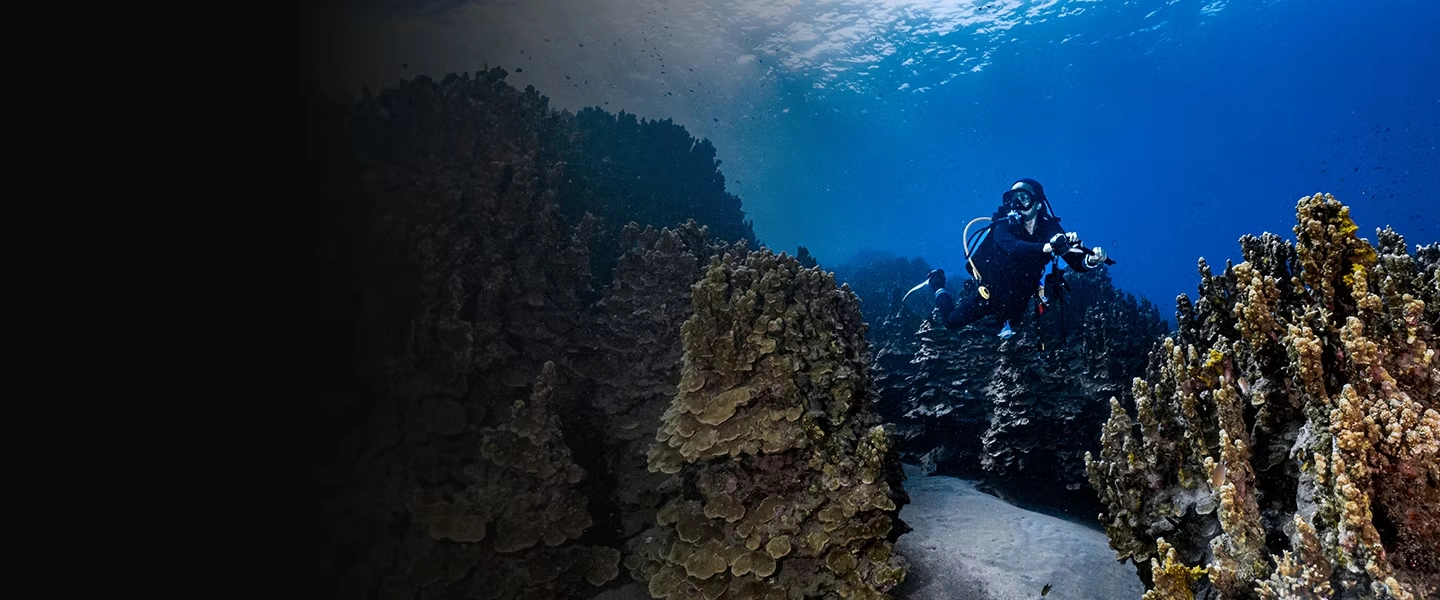
Sulawesi has more high-grade dive sites than any other Indonesian island except Raja Ampat. The reef walls of Bunaken, the muck slopes of Lembeh, the soft-coral seamounts of Bangka, the Wakatobi atoll-edge sites, the Selayar-Takabonerate Coral Triangle reefs, and the Pulisan and Gorontalo walls — collectively, they cover essentially every Indonesian dive style. Among these, a few specific sites earn the "top" designation by consensus across operators and dive publications.
This is a short tour of the highest-rated Sulawesi dive sites, organised by region, with notes on what each is known for and when to dive it.
North Sulawesi
Lekuan II (Bunaken). The textbook Bunaken wall. Soft corals, fans, turtles on most dives, gentle current. Easy diving. Best March–November.
Sachiko's Point (Manado Tua). Wall + corner site with strong currents and large pelagic action. Dolphins on a good morning; reef sharks in the right months. Advanced-only when the current is up.
Fukui Point (Bunaken). Dawn dive site for bumphead parrotfish schools. Sand-and-coral slope rather than wall. Easy diving.
Hairball II (Lembeh). The classic Lembeh muck site. Black sand, dense critter life, mandarin fish at sunset. See dedicated Lembeh Critters article.
Sahaung (Bangka). Soft-coral seamount rising from 40m to 10m in dense schooling fish. Currents can be strong; the right conditions make it one of the most dramatic Indonesian dives.
Olele Wall (Gorontalo). The Salvador Dali sponge site. Wall with the endemic Petrosia lignosa growing as twisted painted columns. Unique to Gorontalo. Best April–October.
Wakatobi
Mari Mabuk (Hoga). Drift wall with dense soft corals, schools of Lutjanus, regular turtle sightings. The Hoga signature dive.
Roma (Tomia). Sloping reef outside the Wakatobi resort's reserved area. Large schools of jacks, cleaning-station activity.
Cornucopia (Tomia). Deep wall, occasional hammerheads in the right months. Advanced diving.
Pinnacle 1 and Pinnacle 2 (Hoga). Twin seamounts rising from 30m to within 8m of the surface. Dense soft coral; the classic Wakatobi photo subject.
Selayar and Takabonerate
Apollo Reef (Takabonerate). Coral Triangle reef edge with strong fish density and pelagic encounters. Requires a multi-day boat trip from Selayar.
Selayar South (various sites). Less-documented wall and reef diving on the southern Selayar coast. Several Selayar dive operators run weekly trips; the sites change with conditions.
Manta Point — where to look
The original "Manta Point" of Indonesian dive lore is in Komodo, not Sulawesi. Sulawesi has manta sightings but no single site has earned the Manta Point name as reliably as Komodo's. The most reliable Sulawesi manta encounters are:
- Sangalaki-area sites (East Kalimantan, not Sulawesi but often visited from the same regional trip) — for serious manta diving, this is the regional answer.
- Tomia outer reef — occasional manta sightings in the right months.
- Selayar west coast — seasonal manta passage; check with local operators.
For travellers specifically targeting mantas, Komodo via Labuan Bajo is the better Indonesian destination. Sulawesi's diving strengths are walls, muck, soft coral, and reef-fish density rather than reliable large-pelagic encounters.
Pulisan and the quieter alternatives
For travellers who want strong North Sulawesi diving without Bunaken's crowds, the Pulisan Peninsula dive sites (see dedicated Pulisan Peninsula article) are increasingly the answer. Fringing reefs and walls with healthy coral cover and a fraction of the day-boat traffic.
What to bring
Standard Indonesian Coral Triangle dive kit. Most resorts provide weights and tanks; a personal-fit dive computer, mask, and the option of bringing a wetsuit (water is 27–29°C, 3mm shorty adequate for most divers) is the standard kit list.
For muck diving at Lembeh specifically, a focus light and a critter pointer make the dives significantly better. Bring or rent on arrival.
Liveaboard vs land-based
The standard Sulawesi diving structure is land-based — stay at a resort or homestay and run day-boats to the local sites. Liveaboard diving is rarer and limited to a few specific routes (Komodo combined with eastern Sulawesi reefs, occasional Banda Sea routes that include Sulawesi sites).
For the standard Sulawesi diving trip, land-based wins — more flexibility, lower cost, and access to the cultural and food side of the trip on non-diving days. See the dedicated Liveaboard vs Land-Based article.
A serious 14-day Sulawesi dive trip
A representative comprehensive itinerary:
- Days 1–4: Bunaken (4 nights at a resort, 9–12 dives across the main sites)
- Days 5–8: Lembeh (4 nights at a resort, 12–14 dives across muck and reef sites)
- Day 9: Transit to Wakatobi via Manado-Makassar-Wangi-Wangi
- Days 10–13: Wakatobi (4 nights split between Hoga and Tomia, 9–12 dives)
- Day 14: Return.
Total cost (excluding international flights): roughly €3,080–€4,840 per person depending on accommodation level. This is the standard high-end Sulawesi dive trip and represents one of the densest dive itineraries available anywhere in Indonesia.
What are the top dive sites of Sulawesi? The headline Sulawesi dive sites are Lekuan II and Sachiko's Point (Bunaken walls), Hairball II (Lembeh muck), Sahaung (Bangka seamount), Olele Wall (Gorontalo's Salvador Dali sponges), Roma and Cornucopia (Wakatobi-Tomia), and Apollo Reef (Takabonerate atoll). A comprehensive Sulawesi dive trip pairs Bunaken with Lembeh and Wakatobi over 12–14 days.