




A primer on the Bugis maritime trading diaspora — Sumatra, Riau, the Malay peninsula, Singapore (Bugis Street), East Kalimantan, the Philippines, and the trepang trade with Aboriginal Australia until 1907.
The Bugis are one of the great maritime trading peoples of Southeast Asia. From the early seventeenth century onward, Bugis sailors and traders from South Sulawesi established communities across the western Indonesian archipelago, the Malay peninsula, the Philippines, and as far south as the northern coast of Australia. The Bugis diaspora is one of the largest pre-colonial Indigenous Asian migrations in history, and contemporary Bugis communities — large and small — exist across maritime Southeast Asia today. The English word "bogeyman" likely derives, contested but plausibly, from the seventeenth-century European fear of Bugis sea-raiders.
This is a short historical primer on the Bugis diaspora — why it happened, where the communities are today, and what it means for understanding the wider region.
The South Sulawesi origin
The Bugis homeland is the southern peninsula of Sulawesi, particularly the regencies of Bone, Wajo, Soppeng, and the area around Sengkang. By the late sixteenth century, Bugis kingdoms had developed:
- A literate culture with the Lontara' script (still in use today).
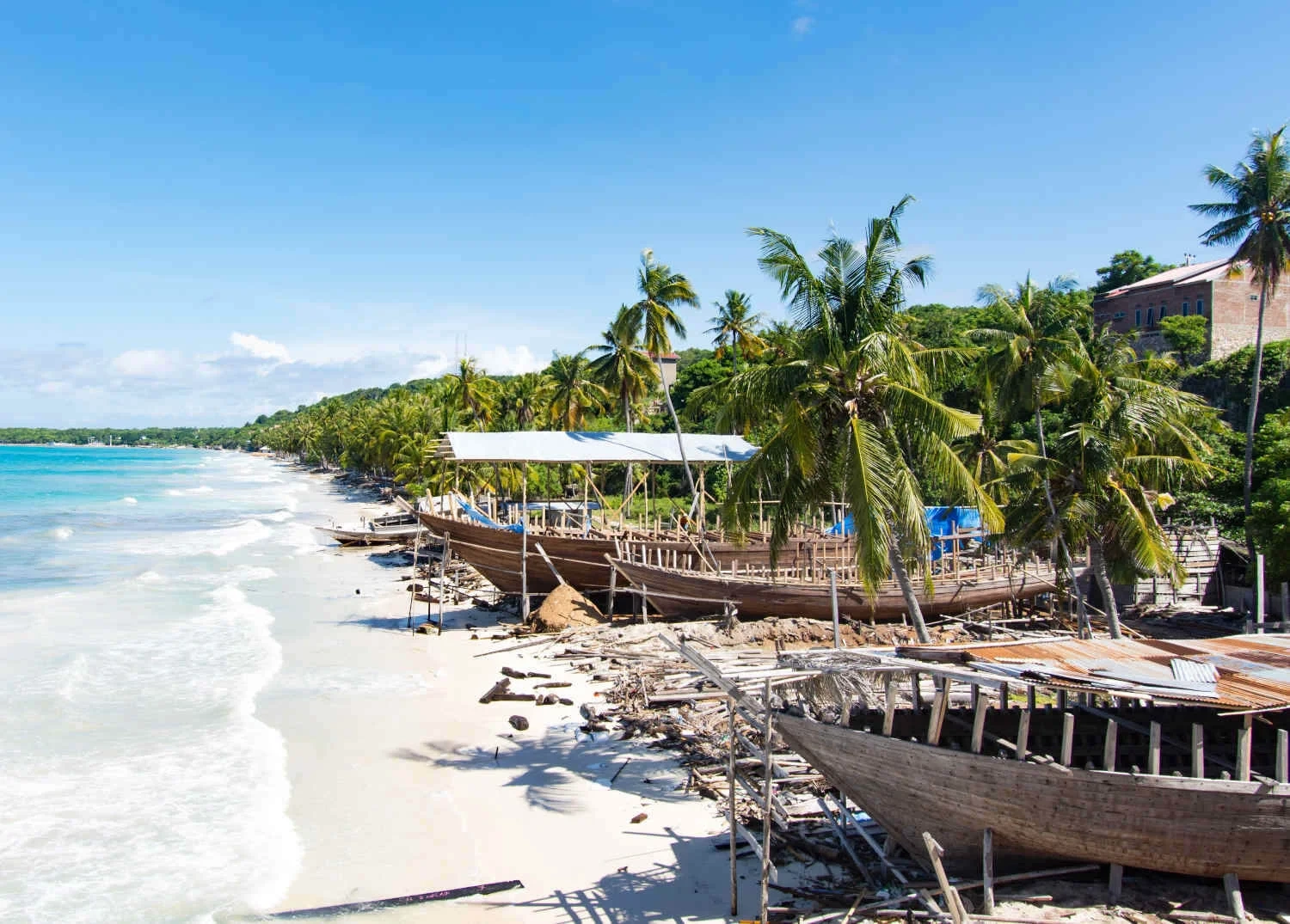
- A sophisticated maritime tradition centred on the pinisi schooner and earlier hull designs.
- A trading network extending across the western archipelago.
- A complex social and gender structure including the five-gender system (see related article).
- The La Galigo epic — the foundational cultural text.
The kingdoms competed and traded with the larger Makassarese kingdom of Gowa, which controlled the trade hub at modern Makassar.
What pushed the diaspora
Three principal forces drove Bugis migration:
The Makassar war (1666–1669). The Dutch East India Company allied with the Bugis kingdom of Bone to defeat Gowa, the dominant Makassarese power. Many Bugis from defeated factions and refugees fled south Sulawesi in the aftermath. This produced the first major diaspora wave.
The continuing maritime trade. Bugis sailors had been moving across the archipelago for centuries; the war intensified rather than initiated the pattern.
Dutch trade restrictions. Eighteenth and nineteenth-century Dutch monopolies on spice trade pushed Bugis traders into less-regulated routes, including the long-distance routes to Australia.
The combination produced a sustained pattern of Bugis emigration that continued for several centuries.
Where the diaspora settled
Eastern Sumatra and the Riau Islands. Substantial Bugis populations in Riau and on Bintan. Bugis political families played major roles in regional sultanates.
The Malay peninsula. Bugis communities in Johor, Selangor, and what is now Singapore. The Selangor royal family of Malaysia is of Bugis origin. Bugis Street in Singapore is named for the historical Bugis trading community there.
East Kalimantan. Major Bugis communities in Samarinda, Balikpapan, and the Berau coast.
The Philippines. Smaller Bugis communities in southern Mindanao and the Sulu archipelago.
Northern Australia. Bugis trepang fishermen (collecting sea cucumber for the Chinese market) regularly visited the Arnhem Land coast of northern Australia from at least the 1700s. The interactions with Aboriginal Australian communities are documented in rock art and oral history; some Bugis loanwords entered Yolŋu languages. The trade continued until Australian colonial authorities banned it in 1907.
The Australian connection in detail
This is the most surprising part of the Bugis story for many travellers:
For roughly two centuries, Bugis sailors from Makassar made annual voyages to the northern Australian coast, primarily to collect trepang (sea cucumber) for the Chinese market. The fishing fleets — sometimes 60 boats at a time — would arrive in northwest monsoon season, work the coast through January–April, and return to Makassar with the dried trepang for the China trade.
The interactions with Indigenous Australians produced:
- Trade relationships — Bugis tools and cloth in exchange for trepang access.
- Linguistic exchange — Bugis loanwords in Yolŋu Matha and other Indigenous languages.
- Cultural exchange — Bugis songs and dance influences in Indigenous Australian ceremonial repertoires.
- Some genetic exchange — small but documented genetic contributions from Bugis ancestors in some Yolŋu populations.
The trade ended in 1907 when the Western Australian government, citing customs and immigration concerns, prohibited the Bugis voyages. A several-century maritime trading relationship was administratively closed.
For contemporary visitors to either Sulawesi or northern Australia, the Bugis-Australian connection is one of the more remarkable pre-colonial cross-cultural histories in the region.
The Singapore connection
The Bugis presence in Singapore dates to the early nineteenth century. Following the establishment of British Singapore in 1819, Bugis traders moved their commercial operations to the new port. The Kampong Bugis district grew up around what is now Bugis Street and the Kampong Glam area.
Contemporary Singapore has minimal visible Bugis presence — the community largely assimilated into broader Malay-Singaporean identity over the twentieth century — but the place names and some historical buildings preserve the connection.
Why this matters for travellers today
A few practical implications for Sulawesi visitors:
Understanding the pinisi tradition. The Bugis schooners at Tana Beru are the same vessel design that sailed to Australia. Visiting the boatyards connects directly to this trade history.
Bugis cultural identity is regional, not just local. Bugis communities outside Sulawesi maintain connections to the homeland; some visitors to Sulawesi are Bugis-Singaporean or Bugis-Malaysian travellers returning to ancestral villages.
The cultural confidence of Sulawesi Bugis comes partly from a sense of having shaped maritime Southeast Asia rather than just having lived in one corner of it. This shapes the contemporary feel of Bugis identity in ways that visitors notice.
The contemporary diaspora persists. Bugis traders, fishermen, and migrants continue to move across maritime Southeast Asia. The framework hasn't ended.
Visiting Bugis sites today
For travellers interested in Bugis history:
- Watampone (Bone) palace museum. The Sultanate of Bone royal collection.
- Sengkang and the Wajo regency. The historic heartland.
- Tana Beru boatyards. Where pinisi are still built using the traditional methods.
- The La Galigo Museum at Fort Rotterdam, Makassar. Manuscript and royal regalia.
- Bugis Street, Singapore. Heritage-only; little Bugis-specific content remains.
- The Yirrkala Bark Petitions in Yolŋu country, Northern Territory, Australia. Indigenous Australian documents that include references to the historical Bugis presence.
A reading recommendation
For travellers wanting more depth, Anthony Reid's Charting the Course of Early Modern Southeast Asia and the Macknight history of the Bugis-Macassan Australian trade (The Voyage to Marege, 1976) are the standard references. The Macknight book is one of the more readable academic histories of a pre-colonial Indonesian trading network.
The framing
The Bugis story is, broadly, a story of Indigenous Asian agency in the early modern period — a non-European maritime trading culture that shaped the western Indonesian archipelago, the Malay peninsula, and parts of northern Australia in ways that European colonial histories have tended to underplay. For visitors to Sulawesi who want to understand the wider region, the Bugis framework is one of the most useful conceptual tools available.
Where did the Bugis diaspora spread? From their South Sulawesi homeland, Bugis sailors and traders established communities across eastern Sumatra, the Riau Islands, the Malay peninsula (including what is now Singapore), East Kalimantan, the southern Philippines, and as far south as the northern coast of Australia, where they collected trepang (sea cucumber) for the Chinese market until the trade was banned by Australian authorities in 1907. The Bugis Street area of Singapore is named for the historical community.