#wildlife
Lore Lindu National Park: Rainforest in the Heart of the Island
執筆者 M. Tandi19 Mar10分で読めます
A guide to Lore Lindu — Central Sulawesi's 217,000-hectare park, the strongest concentration of endemic birds and mammals, and the Bada Valley megaliths in its southern section.
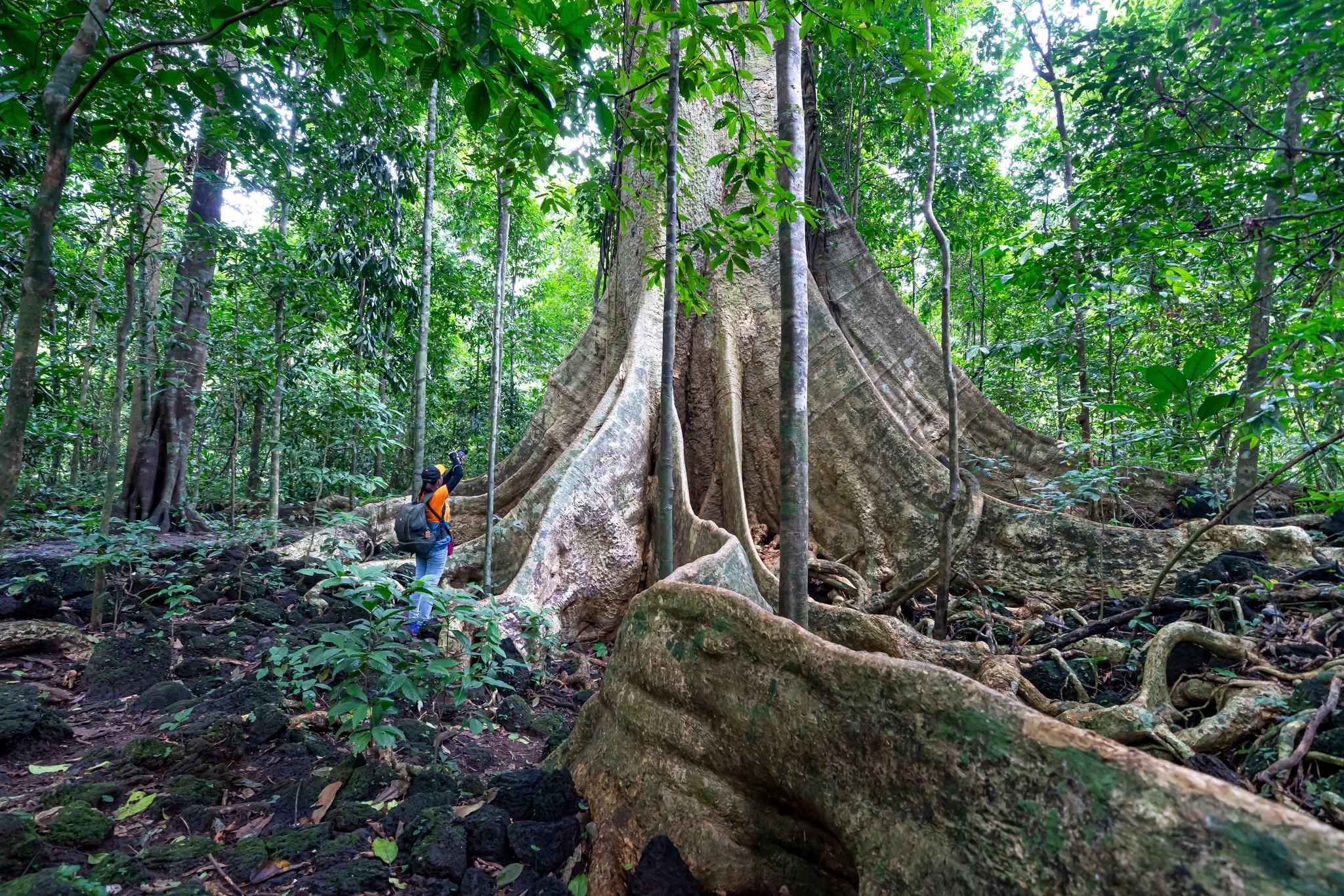
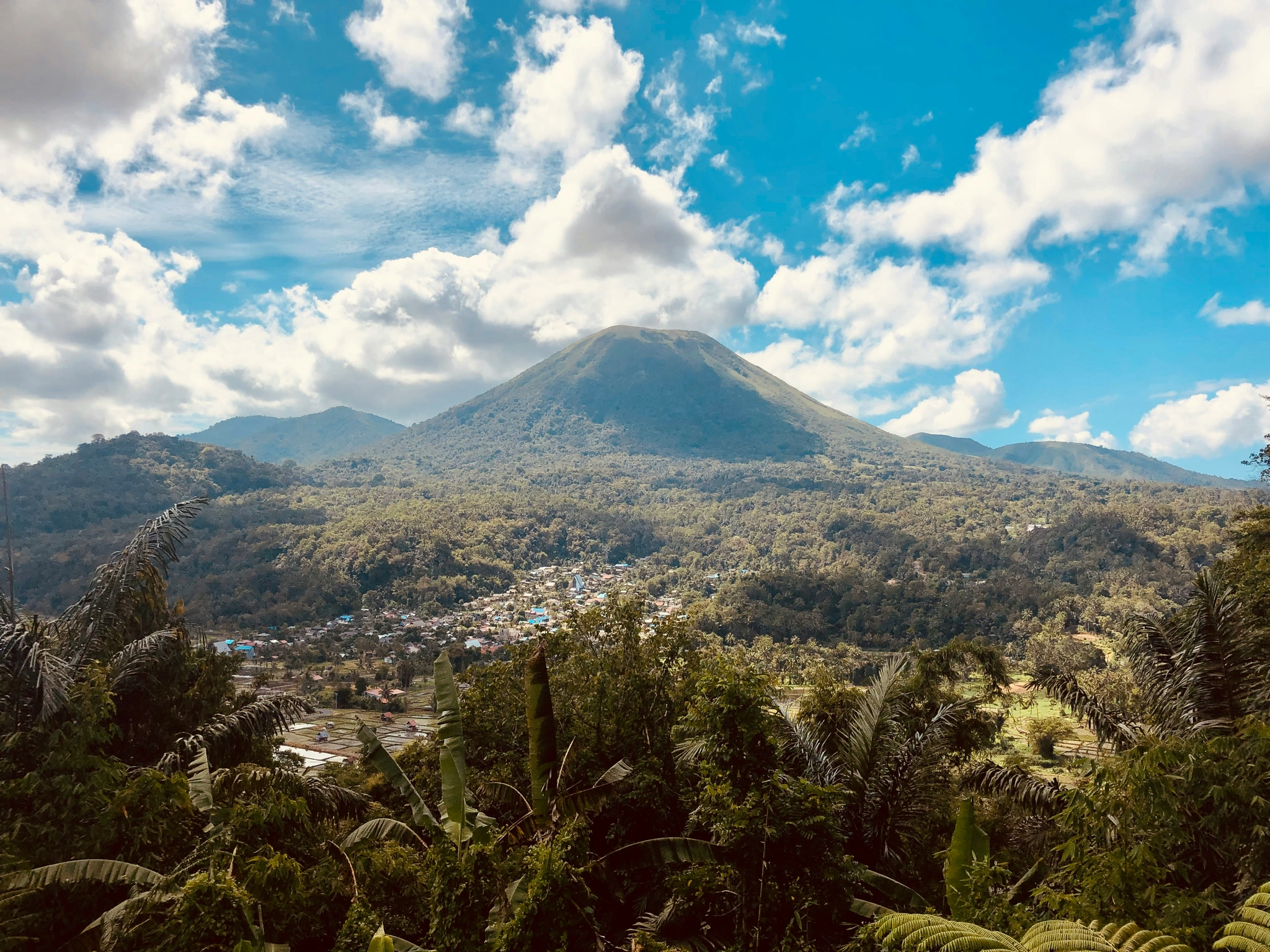
Lore Lindu is the largest protected area in Central Sulawesi — 217,000 hectares of montane and lowland rainforest spanning the headwaters of the Palu river and several of its tributaries. The park holds the best-preserved Sulawesi forest, the strongest concentration of endemic birds and mammals on the island, the Bada Valley megaliths in its southern section, and a network of small communities that have lived inside the park boundary for generations. For wildlife travellers and serious cultural visitors, Lore Lindu is the single most rewarding destination in Central Sulawesi.
This is a short guide for travellers planning a multi-day Lore Lindu visit — what's there, how to get in, where to base, and how to combine the wildlife and cultural sides of the park.
What's in the park
Lore Lindu contains:
- Two distinct elevation zones. Montane forest above about 1,200 metres (cooler, mossy, with the harder-to-see montane endemics), and lowland-to-mid forest below 1,000 metres (hot, dense, with the more accessible species).
- Major wildlife sites. Endemic birds (the strongest concentration in Sulawesi), Anoa, Babirusa, tarsiers, and crested black macaques.
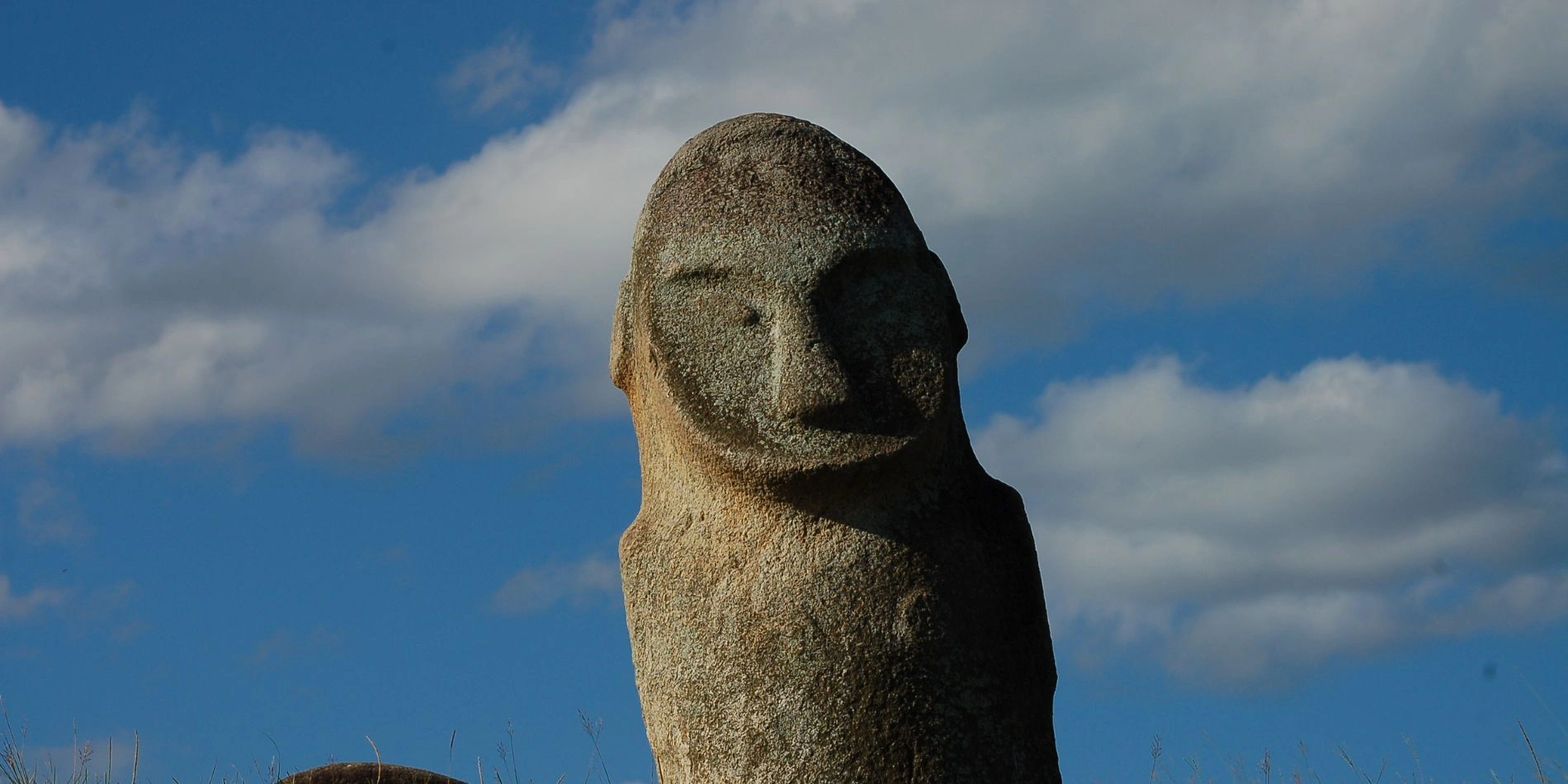
- The Bada Valley megaliths. Over 400 carved stone figures dating to 1,000 BCE–1,000 CE, in the park's southern section.
- Lake Lindu. A large lake at the centre of the park, with the floating villages of Tomado and Anca on its shore.
- Local communities. Several Bada, Behoa, and Napu villages within or adjacent to the park.
The full park is too large for a single trip; most visitors focus on one or two sections.
Getting there
The park is reached by road from Palu.
- Northern entrance (Wuasa). 3 hours from Palu by car. The base for montane forest birding and trekking.
- Southern entrance (Bada Valley). 12+ hours from Palu (via Tentena), the harder approach. Reached via Tentena and then a slow mountain road.
- Western entrance (Kulawi). 90 minutes from Palu. The most accessible entry point but less developed for visitors.
A 4WD vehicle with an experienced driver is essential for the southern routes. The western and northern routes are workable in a normal car in dry season.
Where to base
Three useful options:
- Wuasa (Napu Valley, northern park). The standard birding base. Several small homestays at €12–€19 per night including meals. Local guides arranged through the village; the rangers' office is here.
- Doda or Bomba (Bada Valley, southern park). Basic homestays at €10–€14 per night. The base for megalith visits.
- Kulawi (western park). Small guesthouses at €12–€19. Convenient for short Lore Lindu visits from Palu.
For serious birding, Wuasa is the right answer. For megalith-focused trips, Doda. For first-time exposure with limited time, Kulawi.
What to do
Birding — see the dedicated Endemic Birds of Sulawesi article. The standard targets at Lore Lindu include Geomalia, hylocitrea, satanic nightjar, purple-bearded bee-eater, snoring rail, plus a long list of more accessible endemics.
Megalith visits — see the dedicated Bada Valley Megaliths article. Multi-day from Doda.
Lake Lindu — accessible by boat from Tomado village; floating houses, fishing communities, decent swimming.
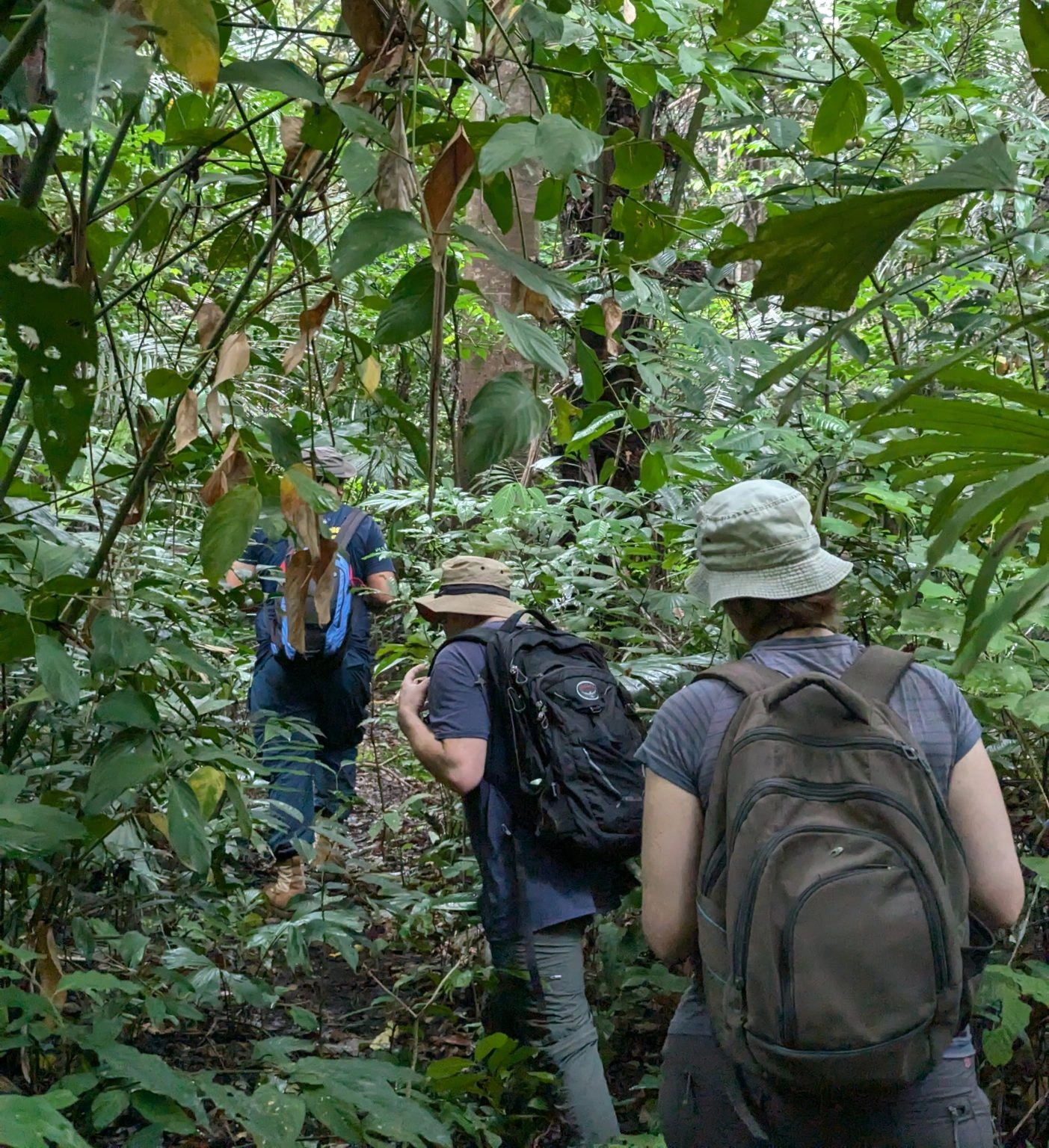
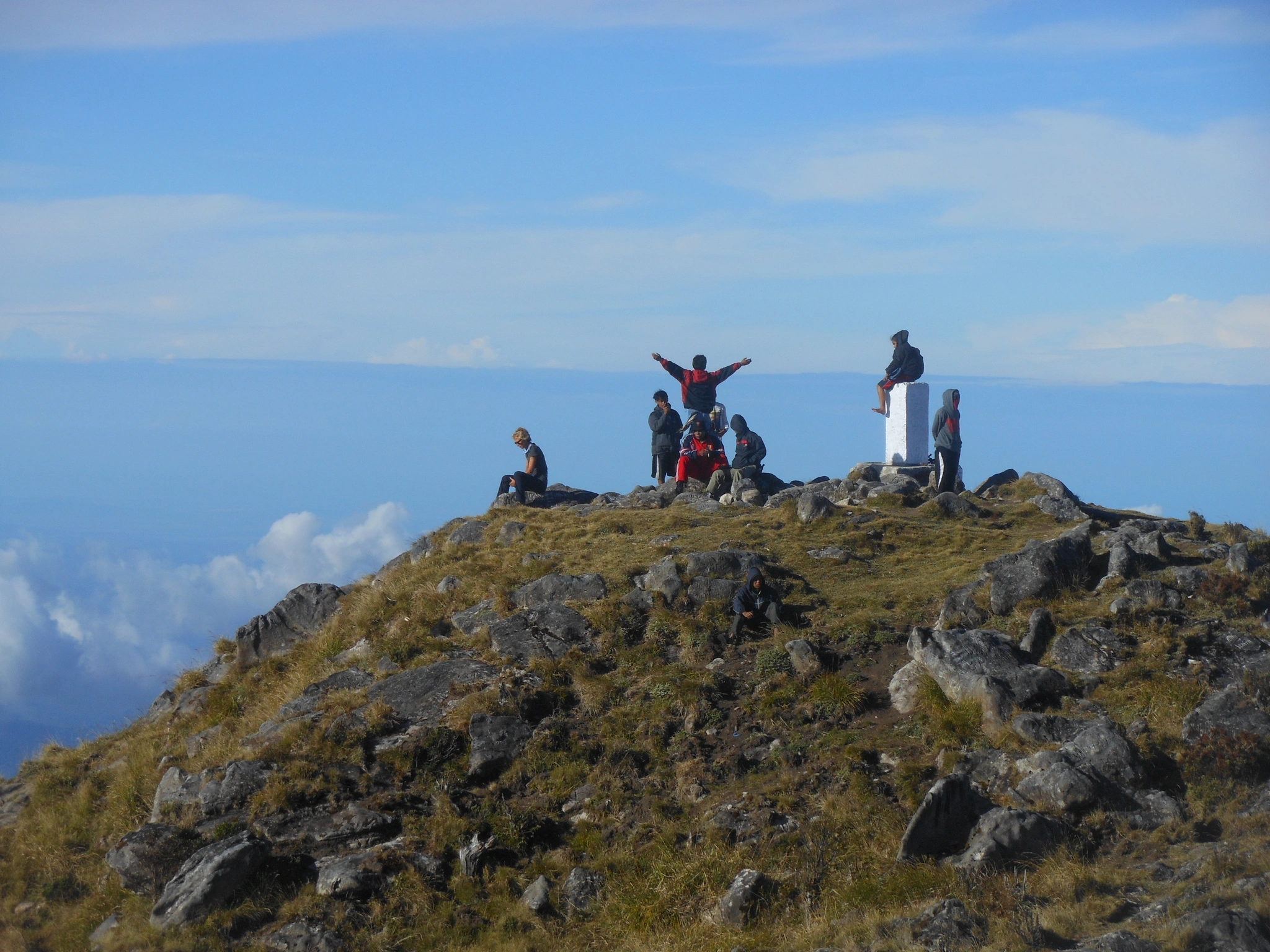
Trekking — multi-day treks across the park are possible with rangers; the Saluki route (Wuasa to Bada Valley, 5–7 days) is the long traverse.
Cultural visits — the Bada, Behoa, and Napu villages welcome visitors with advance arrangement through local guides.
When to visit
May–October dry season is the practical window. The roads to the Bada Valley become impassable for stretches in heavy rain, and birding trails get slick. November–March wet season trips are possible but lose days.
How long to stay
- Minimum coherent visit. 3 nights at Wuasa for birding + 1 day at Lake Lindu.
- Standard birding trip. 7 nights split between Wuasa and a lower-elevation camp.
- Comprehensive trip. 14 nights covering birding, Bada Valley megaliths, Lake Lindu, and cultural visits to Napu / Behoa villages.
Guides and logistics
Lore Lindu is not a self-guided park. Engage:
- A specialist birding guide (for wildlife trips) or
- A cultural guide (for megalith and village trips) plus
- A 4WD vehicle with driver for the longer transfers
Through Palu-based operators or through the Yayasan Konservasi Lore Lindu (Lore Lindu Conservation Foundation). Expect total day-rates of €71–€119 for vehicle + guide + driver.
Combining with a wider trip
A Lore Lindu visit pairs naturally with:
- Palu (entry point, one night).
- Lake Poso and the Togean Islands (continue east after Lore Lindu).
- Nantu Wildlife Reserve / Gorontalo (for Babirusa and the northern transit).
A 14-day Central Sulawesi loop covering all four of these is the standard serious-wildlife traveller's trip to the region.
What to expect from the experience
Lore Lindu is not Tangkoko. The trails are harder, the wildlife less reliably visible from a standard ranger walk, the accommodation more basic, the food simpler. The reward is access to a forest ecosystem that holds far more species than Tangkoko at far lower visitor density.
For first-time Sulawesi wildlife visitors, Tangkoko is the easier starting point. For repeat visitors, or for travellers with serious birding or wilder-forest preferences, Lore Lindu is where the deeper trip begins.
What is Lore Lindu National Park? Lore Lindu is a 217,000-hectare montane and lowland rainforest national park in Central Sulawesi, the most species-rich protected area in Sulawesi. It holds the highest concentration of Sulawesi-endemic birds, the Bada Valley megaliths, Lake Lindu, and several traditional villages. The standard birding base is Wuasa (3 hours from Palu); a comprehensive visit takes 7–14 days.