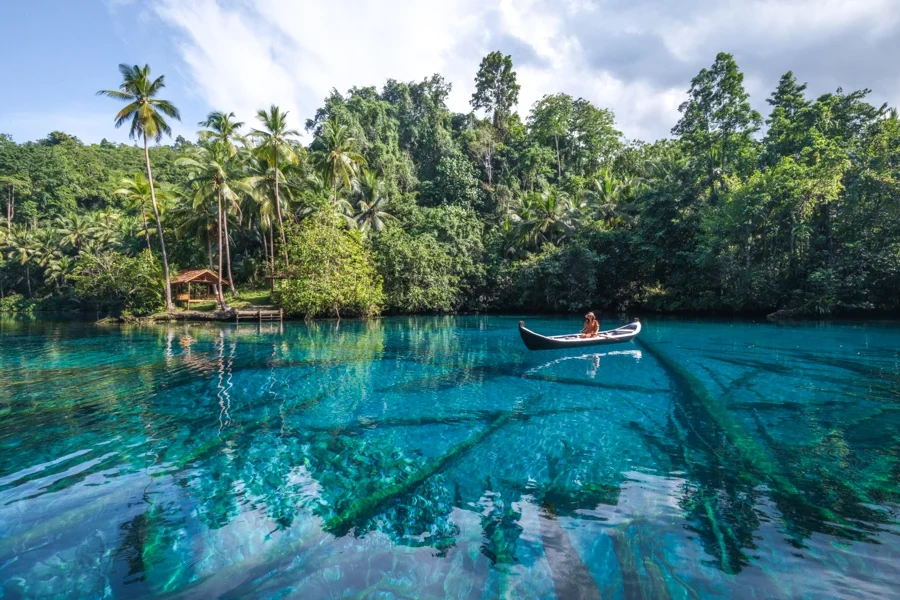
A guide to the Togean Islands — how to reach them, where to stay across Kadidiri, Bomba, and Malenge, and why three transit days are part of the trip.
The Togean Islands take a full day to reach from anywhere. Wakai, the small port that anchors the archipelago, is a six-hour ferry ride from Ampana on the Sulawesi mainland, and Ampana is a six-hour drive from the nearest airport at Luwuk. There is no shortcut. That is the point. Travellers who get to the Togeans are filtered by the journey, and the islands stay quieter than they would otherwise be.
This is a guide to visiting the Togean Islands — 56 limestone outcrops in the Gulf of Tomini, Central Sulawesi — including how to get there, where to stay, what to do, and the seasonal windows that decide whether the trip is easy or impossible.
Getting to the Togeans
Two routes work. Neither is fast.
The eastern route (from Luwuk). Fly to Luwuk on a daily Wings Air or Garuda flight from Makassar (about 90 minutes). Overland by car to Ampana (six to seven hours, €38 for a shared car). Overnight in Ampana. Take the morning ferry to Wakai (departs around 10:00, six hours, €5). This is the cleaner route in dry season.
The northern route (from Gorontalo). Fly to Gorontalo from Manado or Makassar. Overnight ferry from Gorontalo to Wakai (Tuesday and Friday departures only, around 16:00, twelve hours, deck or cabin tickets €7–€24). This is the rainy-season route — Gorontalo's overnight ferry is bigger and runs in weather that grounds the Ampana boat.
From Wakai, a chartered speedboat reaches the homestays on Kadidiri, Bomba, or Malenge in 30–90 minutes depending on the island. The boat is included with most homestay bookings; transfer fees run €10–€24 per person otherwise.
Plan three days minimum just for getting in and out — two days of travel, plus a buffer day in case the ferry doesn't run.
When to go
April through October is the dry season and the practical window for a Togean trip. Seas are calmer, ferries run more reliably, snorkelling visibility is at its best.
November through March brings the northwest monsoon. The Ampana ferry is regularly cancelled for one or two days at a stretch; afternoon thunderstorms become routine; visibility in the water drops. The trip is still doable — homestays stay open year round — but the chance of losing a day to weather is high.
The sweet spot is May and September: dry, low wind, no crowds.
Where to stay
Three island clusters are set up for visitors. They differ in scale, atmosphere, and how easy it is to do nothing.
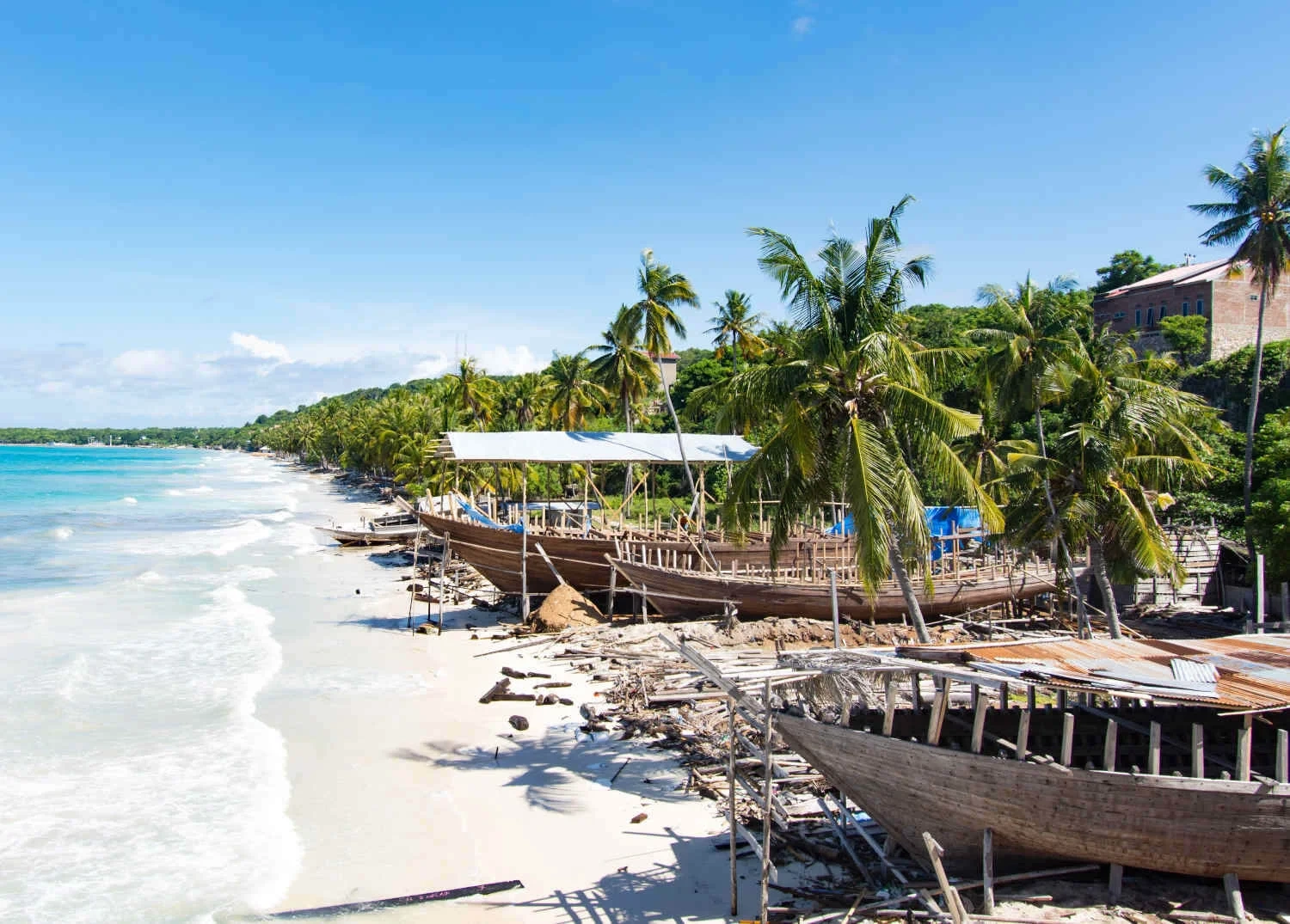
- Kadidiri. The most-visited cluster, with three or four established homestays (Kadidiri Paradise, Black Marlin, Lestari). House reef on the doorstep, easy snorkelling, organised dive operations on two of the three. Mid-range pricing — €19–€33 per night, all meals included.
- Bomba. Quieter, smaller, on the south side of Batudaka. Two homestays (Poya Lisa, Pristine Paradise). Better diving access to the deeper sites near Una Una. Slightly more expensive — €24–€38.
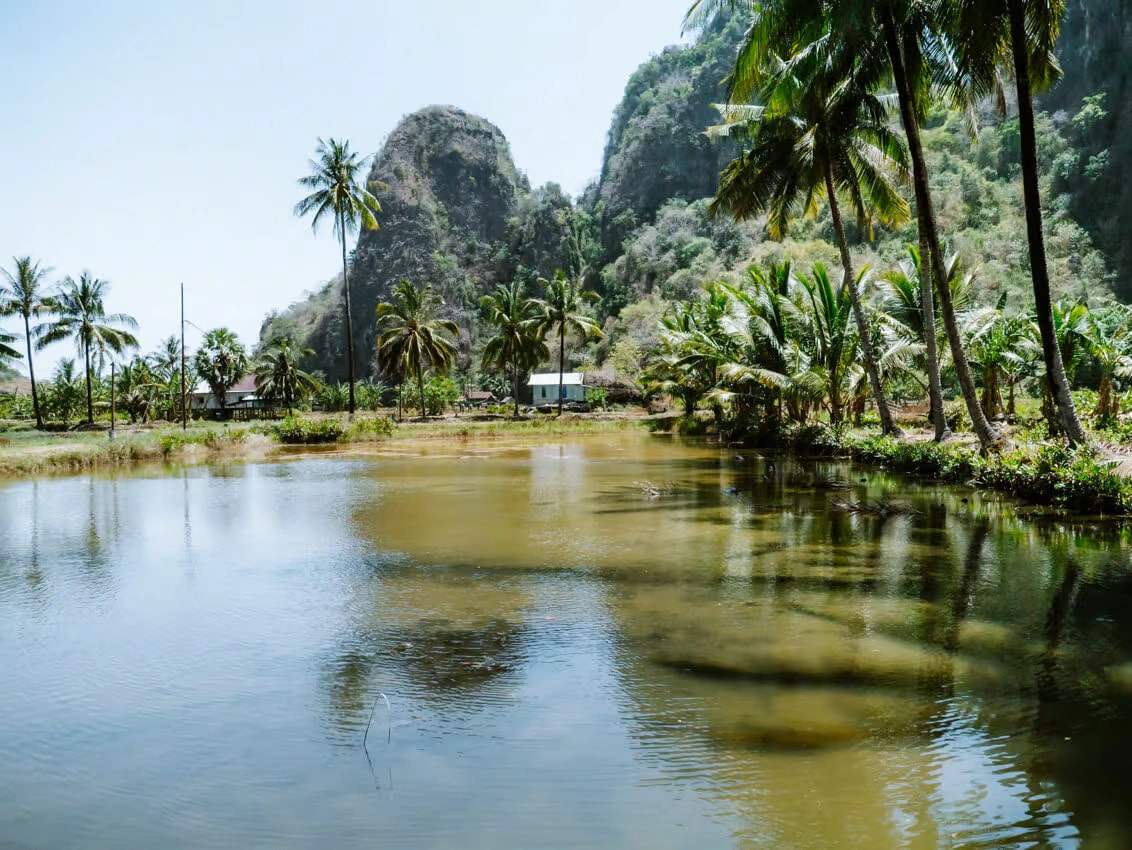
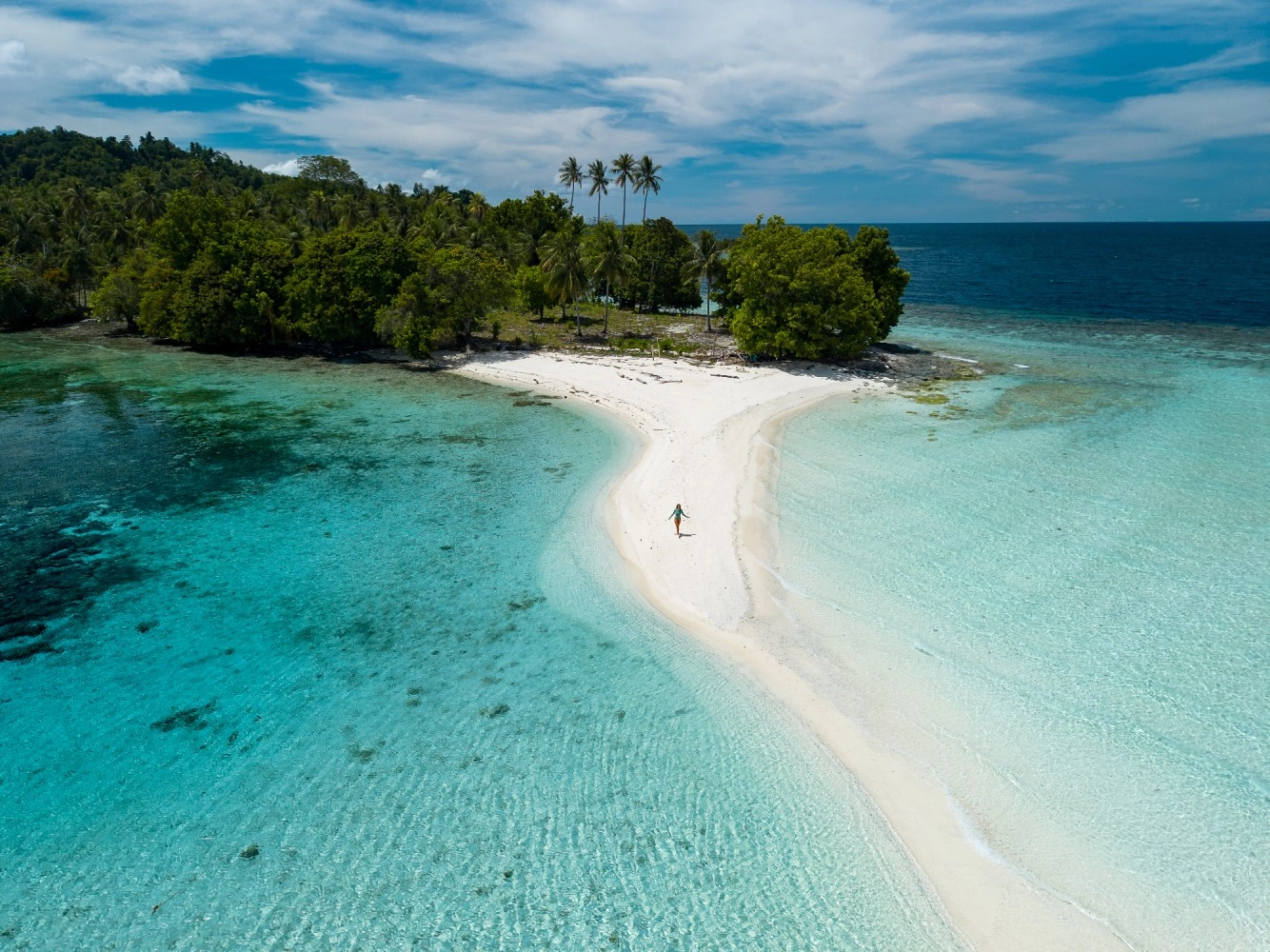
- Malenge. The eastern edge of the archipelago, an hour or more by boat from Wakai. The Bajau stilt-village of Sauma is here; Pulau Papan with its long sea-walkway is the photo. Two homestays. Quieter still.
Most travellers spend three or four nights on Kadidiri or Bomba and call it a trip. A second island add-on is worth the extra transfer for visitors with more than a week.
What to do
Three categories, roughly:
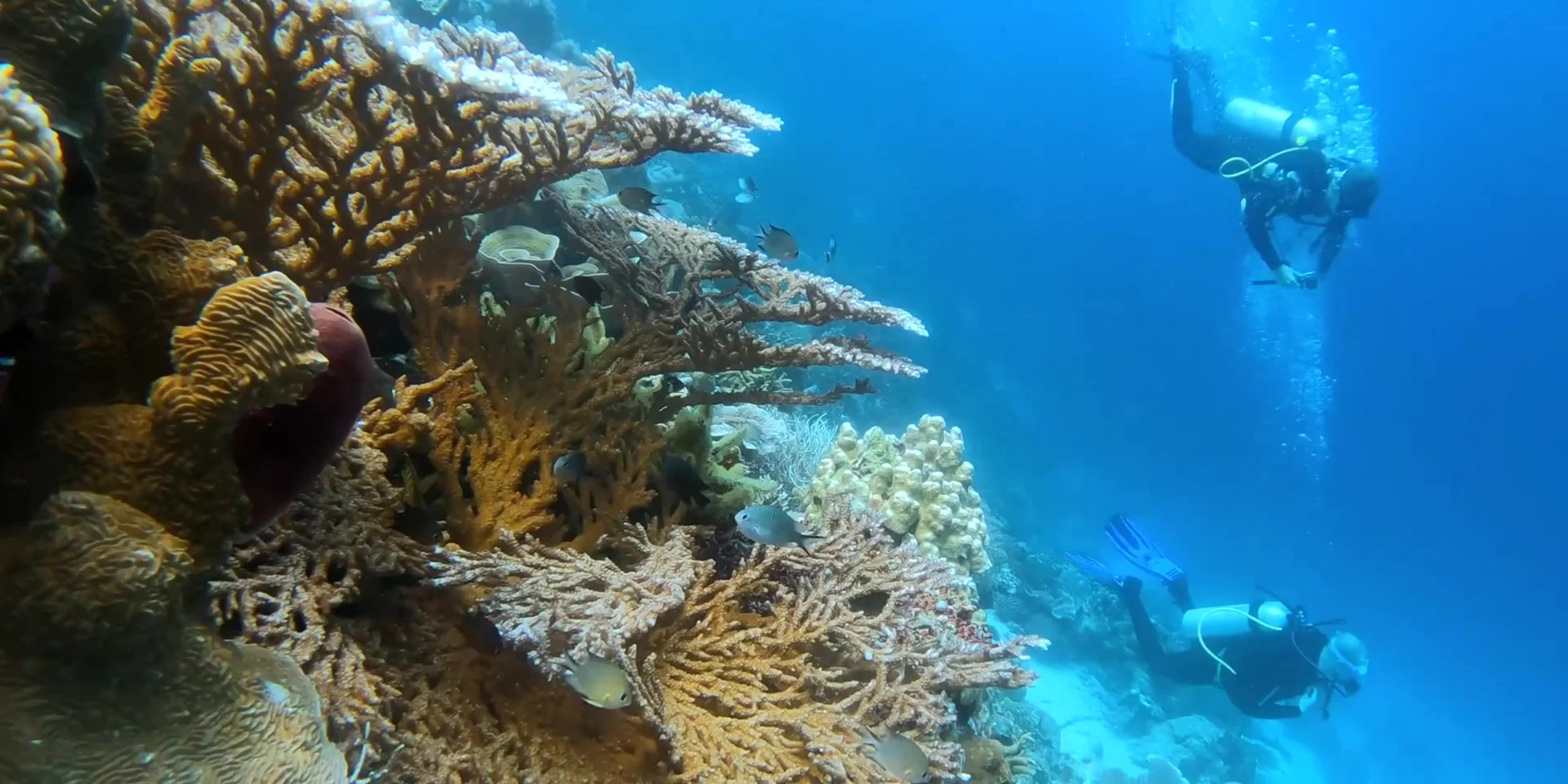
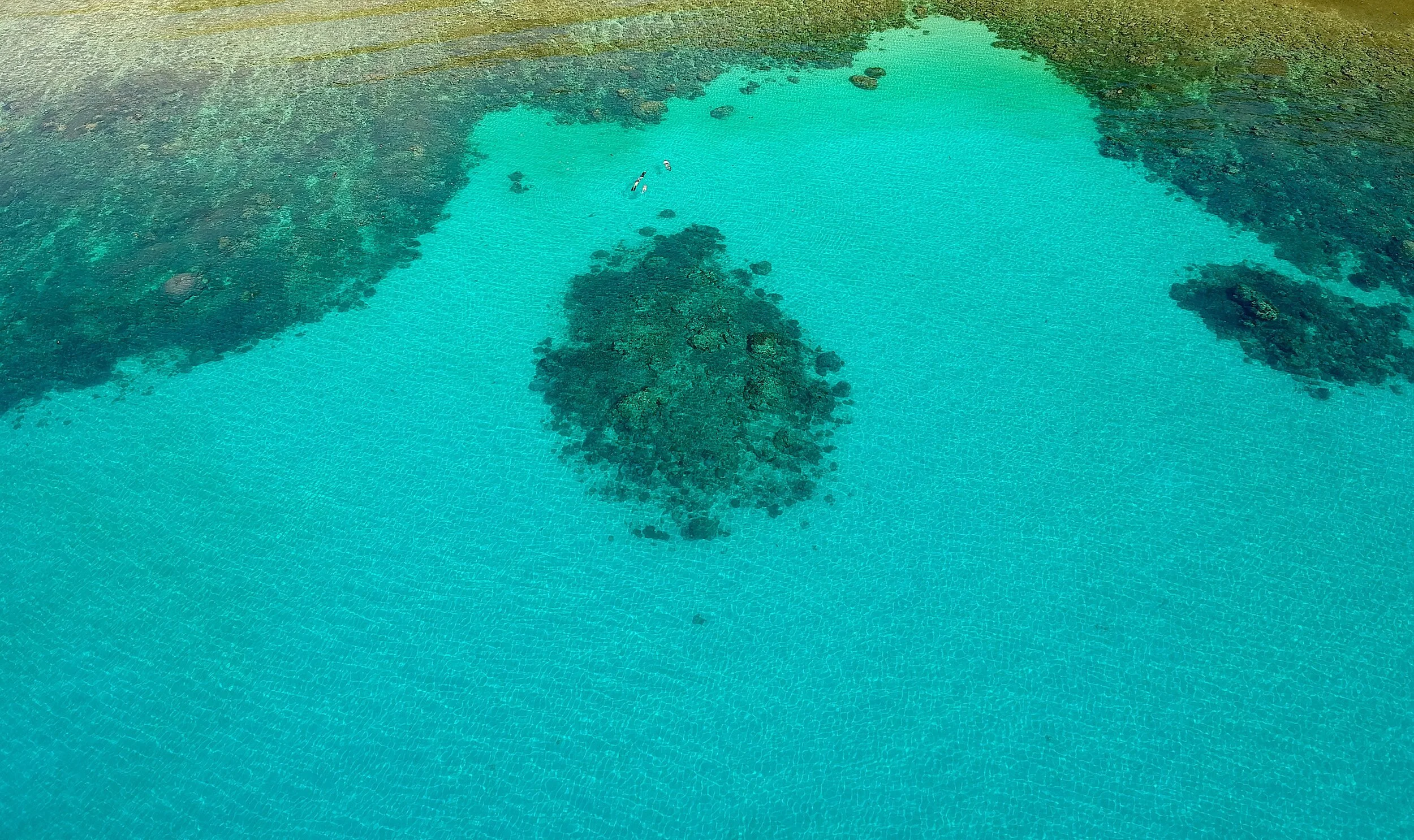
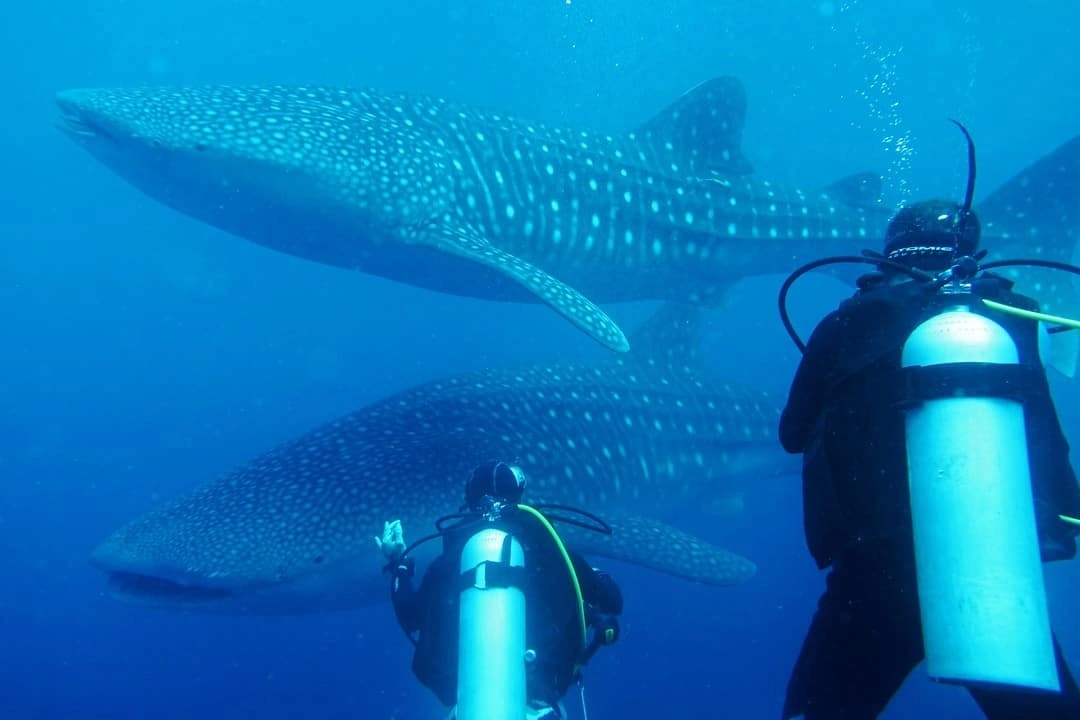
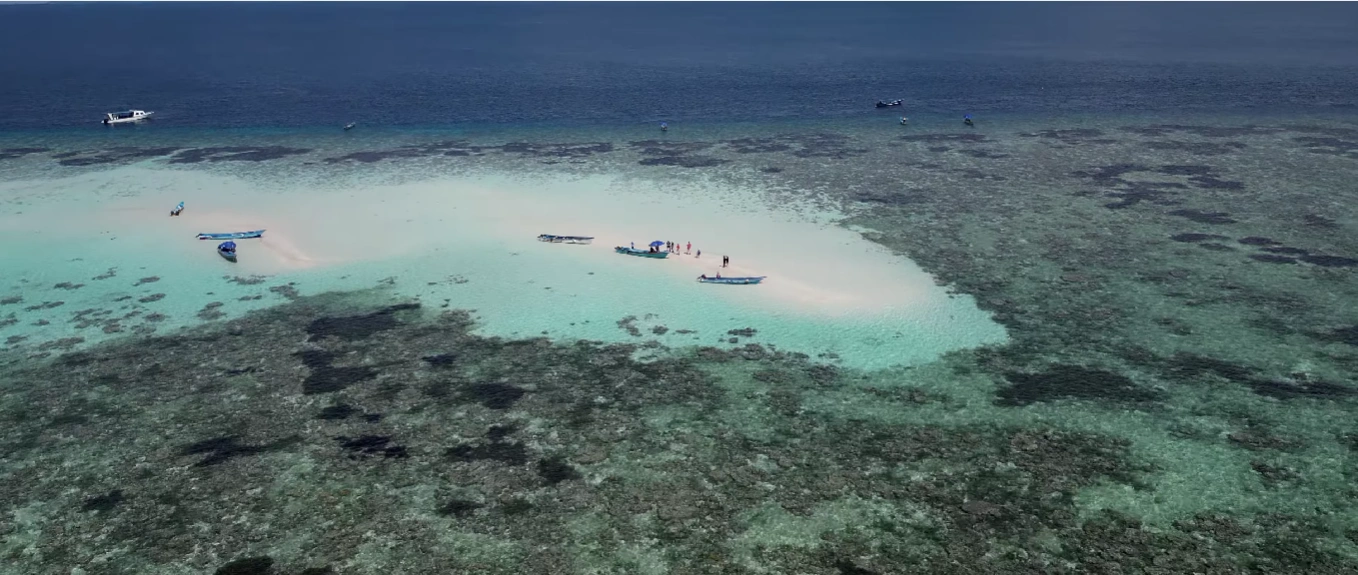
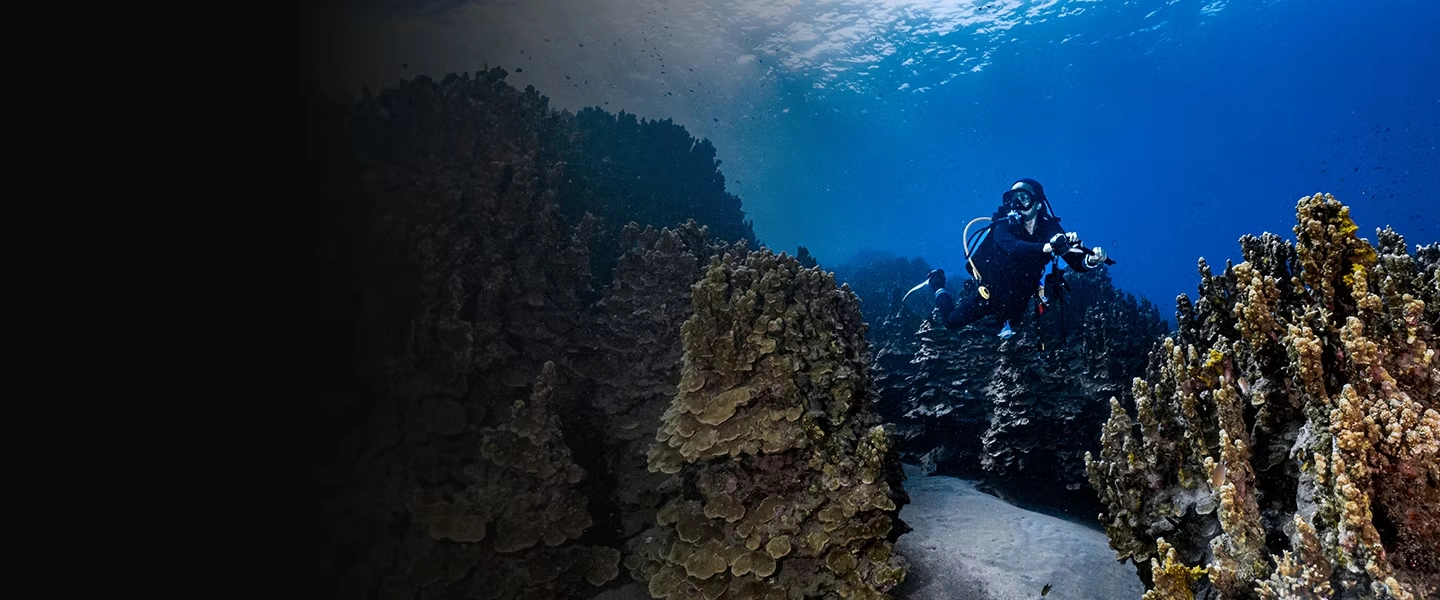
Snorkel and dive. The Togeans have all three Indonesian reef types — fringing, barrier, and atoll — within boat range of each other. The diving is unflashy but consistent: walls, coral gardens, schools of jacks, occasional reef sharks. Una Una, an active volcanic cone two hours by boat from Bomba, is the standout site — schooling barracuda and jacks at Apollo Reef. A two-tank trip to Una Una runs €71–€95.
See the Bajau villages. The Bajau sea-nomad communities at Sauma and Pulau Papan (the latter linked to the next island by a long wooden walkway built specifically to allow children to walk to school) are a defining Togean experience and a reminder that the islands are inhabited. Visit with a local guide from your homestay; cash gifts to the village head (€5) and respectful behaviour go a long way.
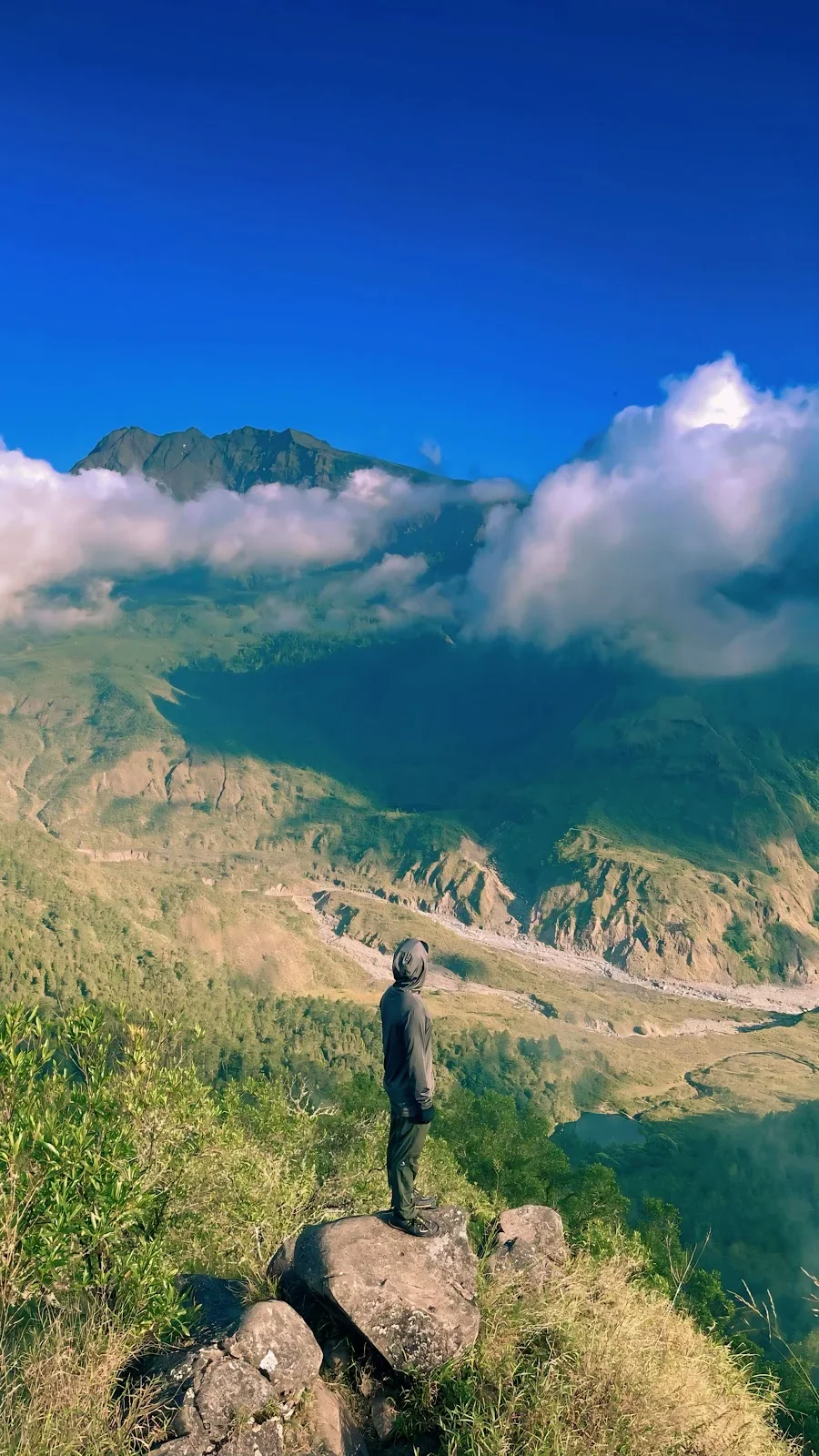
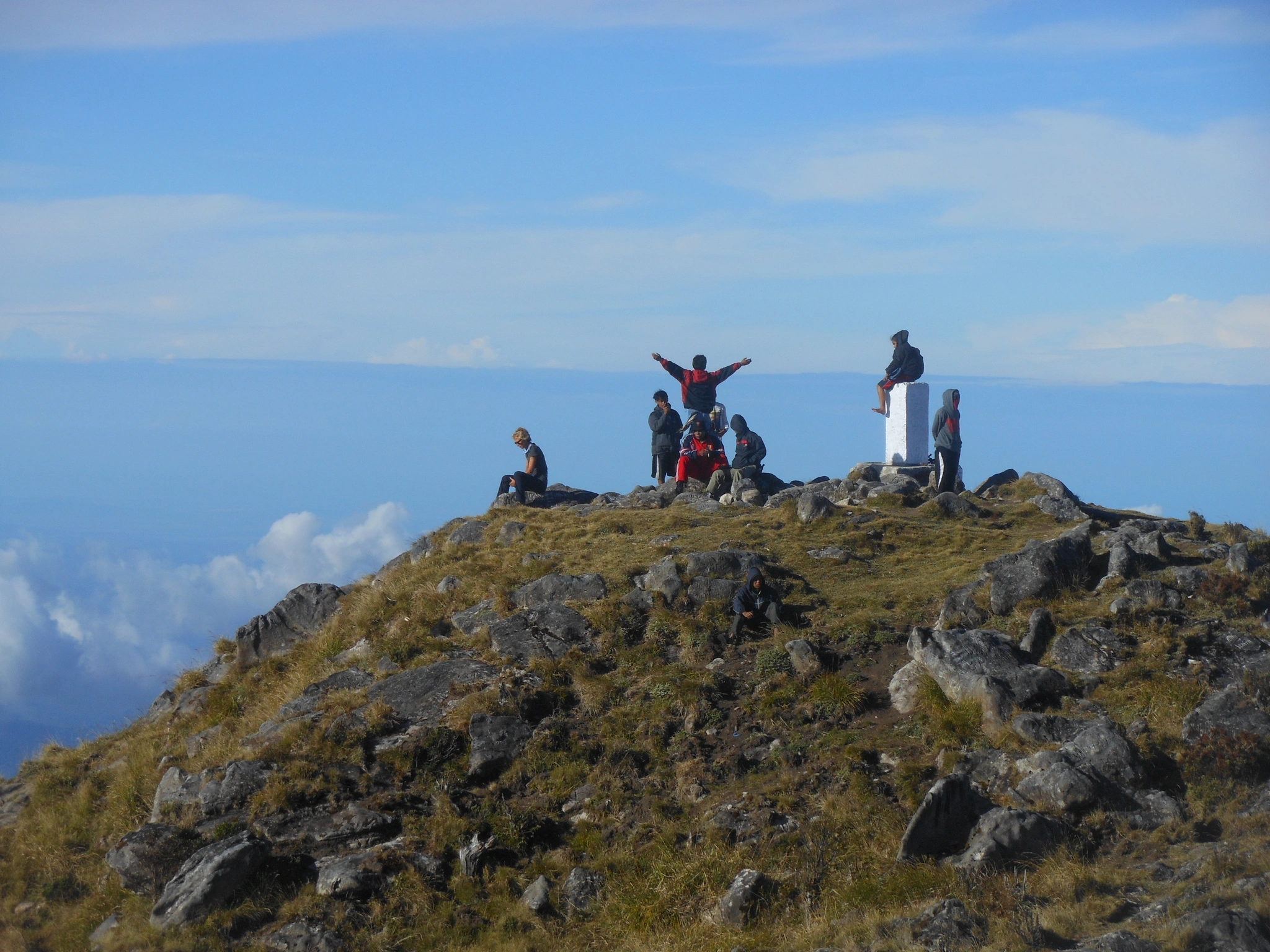
Climb the volcano. Una Una's central cone, Mount Colo, is climbable in a long, hot half-day from the small settlement on the south of the island. Last erupted in 1983. The view from the summit takes in most of the archipelago.
What to expect at a Togean homestay
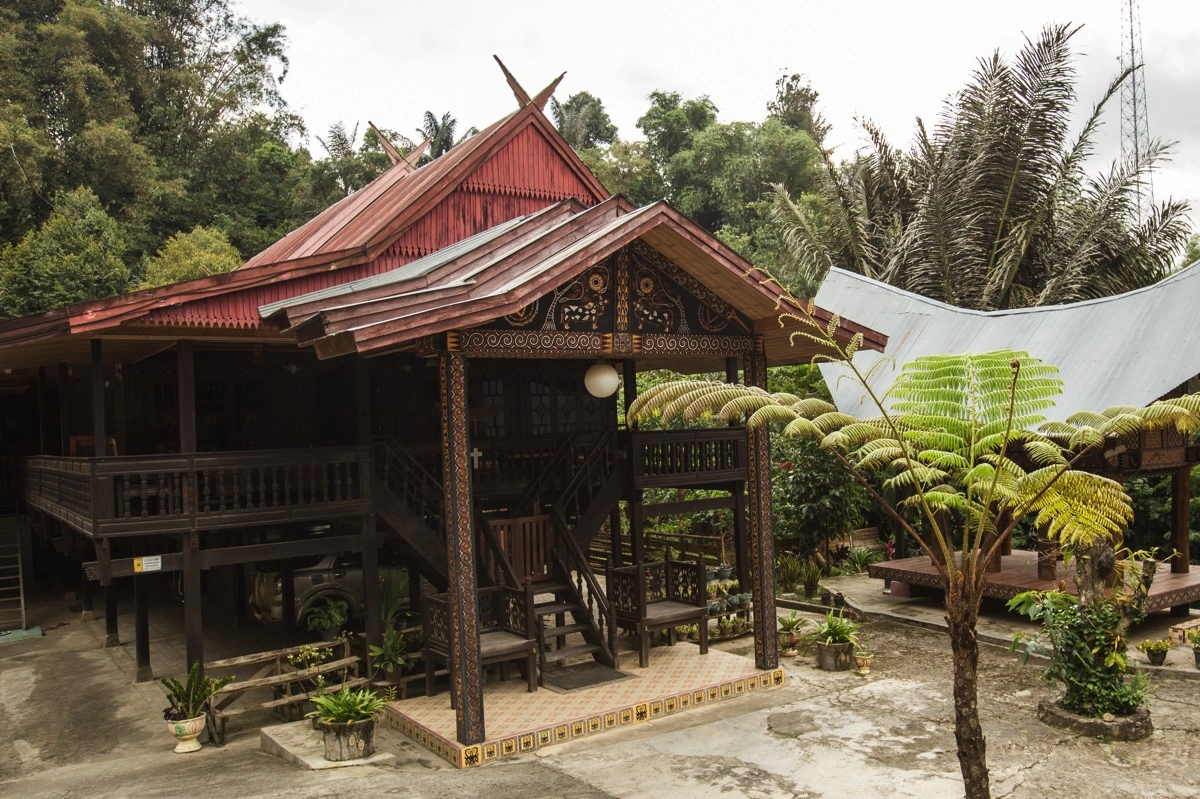
Plumbing is basic. Power is generator-only and shuts off at 22:00 at most places. Wifi is patchy or absent. Meals are family-style — fish, rice, vegetables, fruit, in some combination at every sitting. Beer is sometimes available, sometimes not (the larger Christian-run homestays usually keep some; the Muslim-run ones don't).
Bring cash. There is no ATM in the Togeans. The closest is in Ampana or Gorontalo. Estimate €48 (about Rp 1,000,000) per person per day for accommodation, meals, and modest diving, then add 30% for buffer.
Skipping the Togeans
The Togeans are not for every traveller. If your trip is short, your timeline is tight, or you need consistent connectivity, skip them. Wakatobi (further south, also in the Banda Sea) delivers similar snorkelling with a fraction of the transit. The Banggai Archipelago east of Luwuk has comparable scenery with even fewer visitors and even harder logistics.
Come to the Togeans if you want to be properly off — not the marketing version, the actual version — for five or seven days, and you have the time to lose a day to a cancelled ferry.
How do you get to the Togean Islands? The Togean Islands are reached via Wakai port, the main entry point. Two routes work: the daytime ferry from Ampana on the Sulawesi mainland (six hours), or the twice-weekly overnight ferry from Gorontalo (twelve hours). Both connect by domestic flight to Makassar or Manado. Plan three days for the full transit including buffer time for weather.
A working itinerary
Seven nights is the right minimum:
- Day 1. Fly to Luwuk (or Gorontalo). Drive to Ampana; overnight.
- Day 2. Morning ferry to Wakai; speedboat to Kadidiri. Afternoon swim.
- Days 3–5. Snorkel, dive, read. Day trip to a Bajau village.
- Day 6. Una Una day trip if conditions are right.
- Day 7. Return ferry to Ampana. Overnight.
- Day 8. Fly home.
Shorter trips work but feel rushed. Longer trips are better than shorter ones.