

#guide
Pare-Pare Travel Guide: Habibie's Hometown and Maritime Crossroads
作者 H. Sallé13 Aug阅读约 7 分钟
A Pare-Pare travel guide — the Habibie birthplace museum, Pasar Senggol night market, and the bay-front harbour that's one of Indonesia's busiest passenger ports.
Pare-Pare is a small coastal city about 150 km north of Makassar, sitting on the Strait of Makassar at a natural harbour that has made it one of the busiest passenger ports in eastern Indonesia. About 145,000 people live here. The city is best known for two things: the Pelni ferry terminal that connects South Sulawesi to Kalimantan, Java, and the eastern islands, and the fact that B. J. Habibie — Indonesia's third president — was born here. A small but real heritage museum and a string of working harbours make Pare-Pare a quietly interesting overnight stop on the long drive between Makassar and Toraja.
This is a short guide to visiting Pare-Pare — what to see, where to stay, and how to fit it into a wider South Sulawesi trip.
Getting to Pare-Pare
By road from Makassar: 3–4 hours, 155 km, via the Trans-Sulawesi highway. Damri bus €2.50; private car €29.
By road from Rantepao (Toraja): 5–6 hours south.
Pare-Pare does not have a commercial airport. The nearest is Makassar.
By sea: Pare-Pare's Nusantara port is one of the largest Pelni ferry terminals in Indonesia, with weekly or fortnightly sailings to Balikpapan, Surabaya, Tarakan, and the eastern islands. Tickets and schedules are at the Pelni office on Jalan Andi Cammi.
What to see
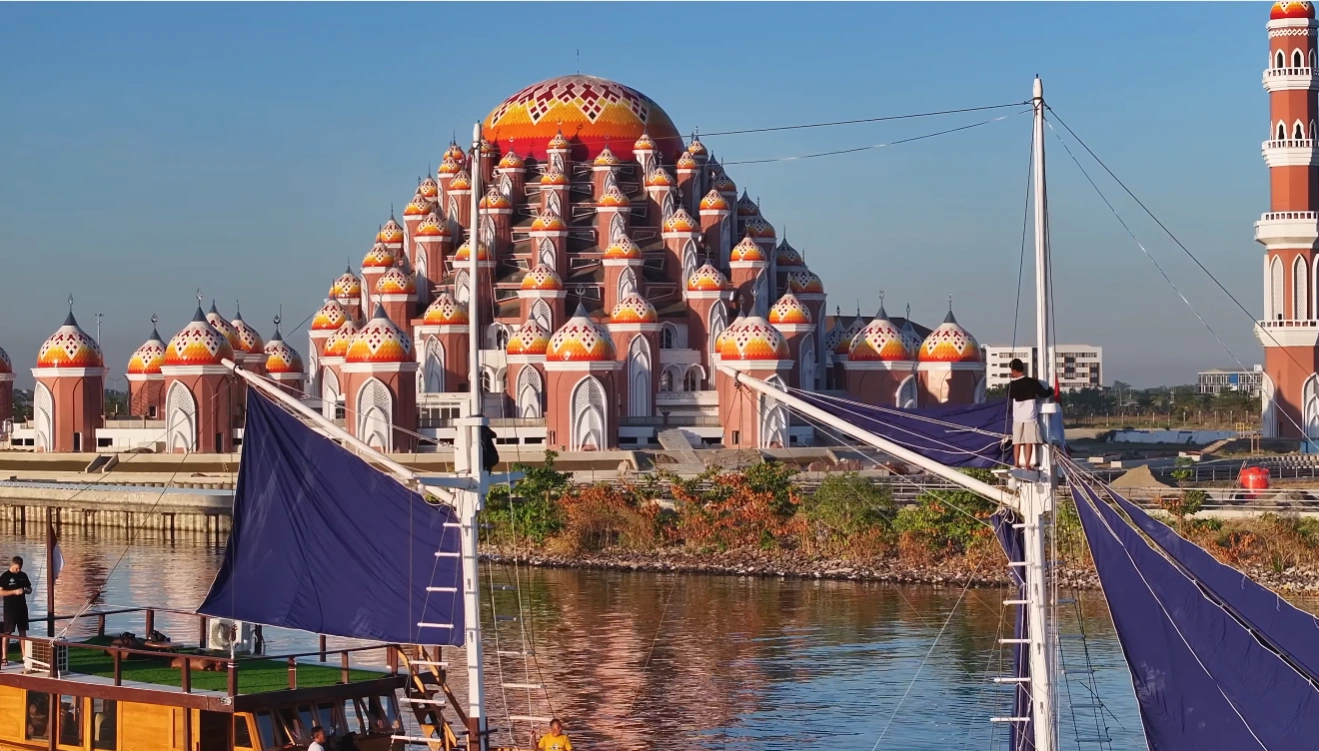
Monumen Cinta Sejati Habibie-Ainun. The memorial to B. J. Habibie and his wife Ainun, on the bay front. A simple monument, popular with domestic tourists, free entry. Useful for the view of the harbour as much as the history.
B. J. Habibie Birthplace Museum. A small museum in Habibie's restored childhood home. Original furnishings, family photographs, and a modest display of his career. €1 entry. Half an hour.
Pasar Senggol. The night market, opening around 17:00 along Jalan Bau Massepe. Grilled fish, fresh fruit, the local pisang epe stalls. The right place for dinner.
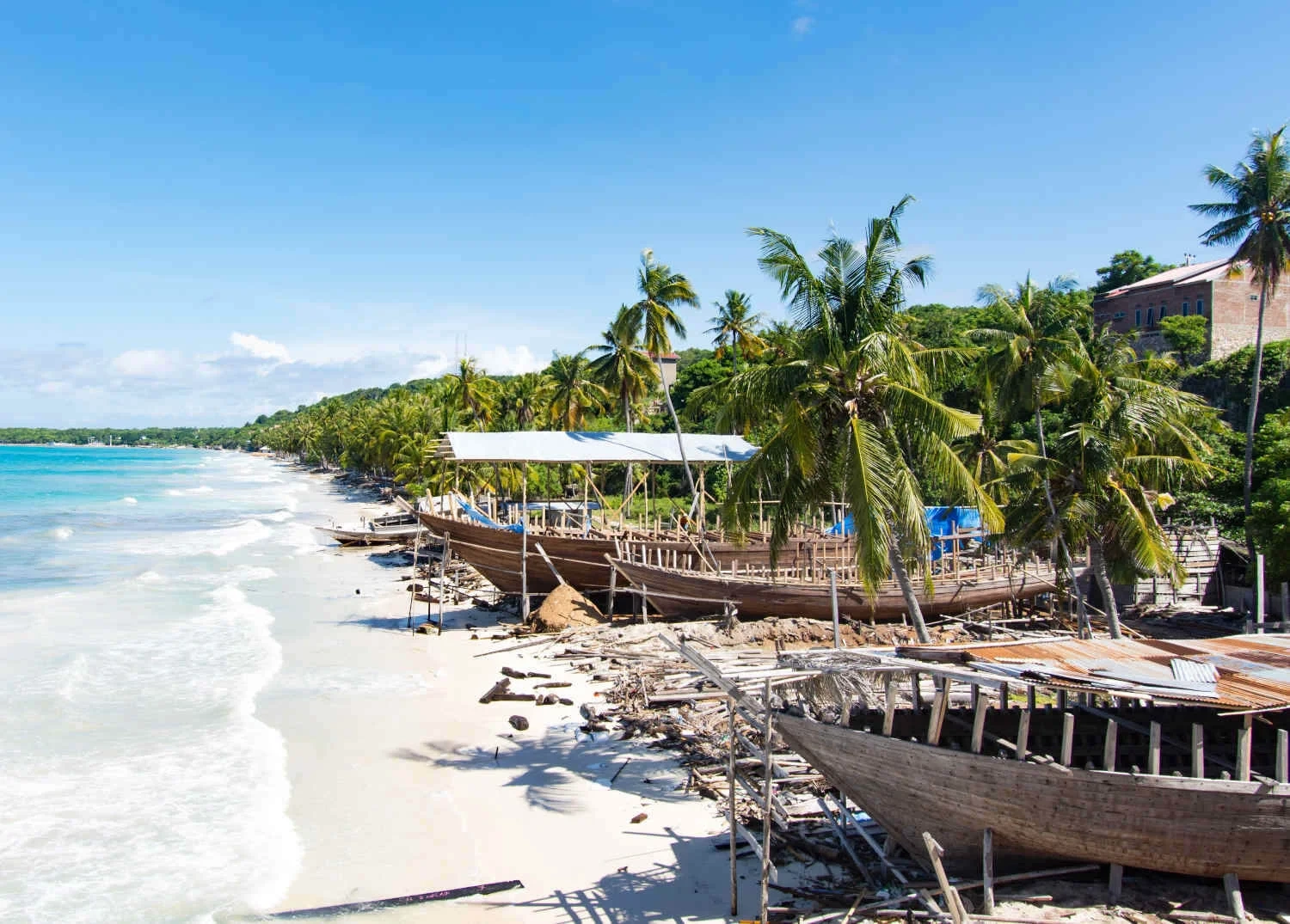
The harbour. Walk through the Nusantara port in the late afternoon to watch the Pelni ferries load. Photographs of car decks being packed onto ships make a good visual record of an Indonesia most foreign travellers never see.
Pantai Lumpue. A modest swimming beach south of the city, popular with families on weekends.
Where to stay
A small but useful set of hotels:
- Mid-range. Hotel Bukit Kenari, Hotel Kenari Pare, both with bay views. €19–€33.
- Budget. Smaller wisma on the city centre streets. €10–€17.
For a Toraja-bound traveller wanting one overnight, the mid-range hotels are clean and comfortable enough.
What to eat
Pare-Pare food is mainstream South Sulawesi Buginese:
- Sop saudara — the Pare-Pare signature soup. Beef in a clear ginger-and-spice broth, served with rice and paru goreng (fried lung). Worth ordering the speciality, even if the lung sounds unfamiliar.
- Ikan bakar Tappi-Tappi — grilled fish at warungs along the harbour.
- Bandang lepas — milk-fish in tamarind sauce, regional.
When to visit
Year-round. Pare-Pare is hot, dry, and windless most of the dry season; warm and showery in the wet season. The Maulid Nabi anniversary in autumn brings a small festival to the harbour worth coinciding with if dates align.
How long to stay
Most travellers stay one night. The city is small enough that an afternoon and an evening covers the heritage walk, the museum, the night market, and a harbour photograph. Two nights if you want to use Pare-Pare as a base for the Pinrang rice country to the east or for a Pelni embarkation.
Pare-Pare in a wider trip
Pare-Pare is the natural overnight stop on a Makassar–Toraja drive that doesn't want to do the whole eight hours in a day. Half-day from Makassar, evening in Pare-Pare, half-day onward to Rantepao — a calmer rhythm than the single-day push.
Is Pare-Pare worth a visit? Pare-Pare is worth an overnight stop for travellers driving between Makassar and Toraja, or for anyone embarking on a Pelni ferry from the Nusantara port. Half a day covers the B. J. Habibie birthplace museum, the bay-front monument, and the Pasar Senggol night market. The city is small, walkable, and quietly atmospheric.