





#food
Fish Markets of Sulawesi: Paotere, Bersehati, and Beyond
Von H. Sallé08 Oct8 Min. Lesezeit
A guide to the major Sulawesi fish markets — Paotere (Makassar), Pasar Bersehati (Manado), Pasar Ikan Pelabuhan (Kendari) — and when to arrive for the catch landings.
Sulawesi sits in some of the richest fishing waters in eastern Indonesia, and the fish markets that line its coasts are among the more atmospheric daily institutions on the island. The dawn unloadings at Paotere in Makassar and Bersehati in Manado are working economic spaces, not tourist set-pieces — but for travellers willing to be there at the right hour, they are among the more memorable Sulawesi experiences available without much logistical effort.
This is a short guide to the major Sulawesi fish markets — when to visit, what to look for, and how to engage respectfully.
Paotere (Makassar)
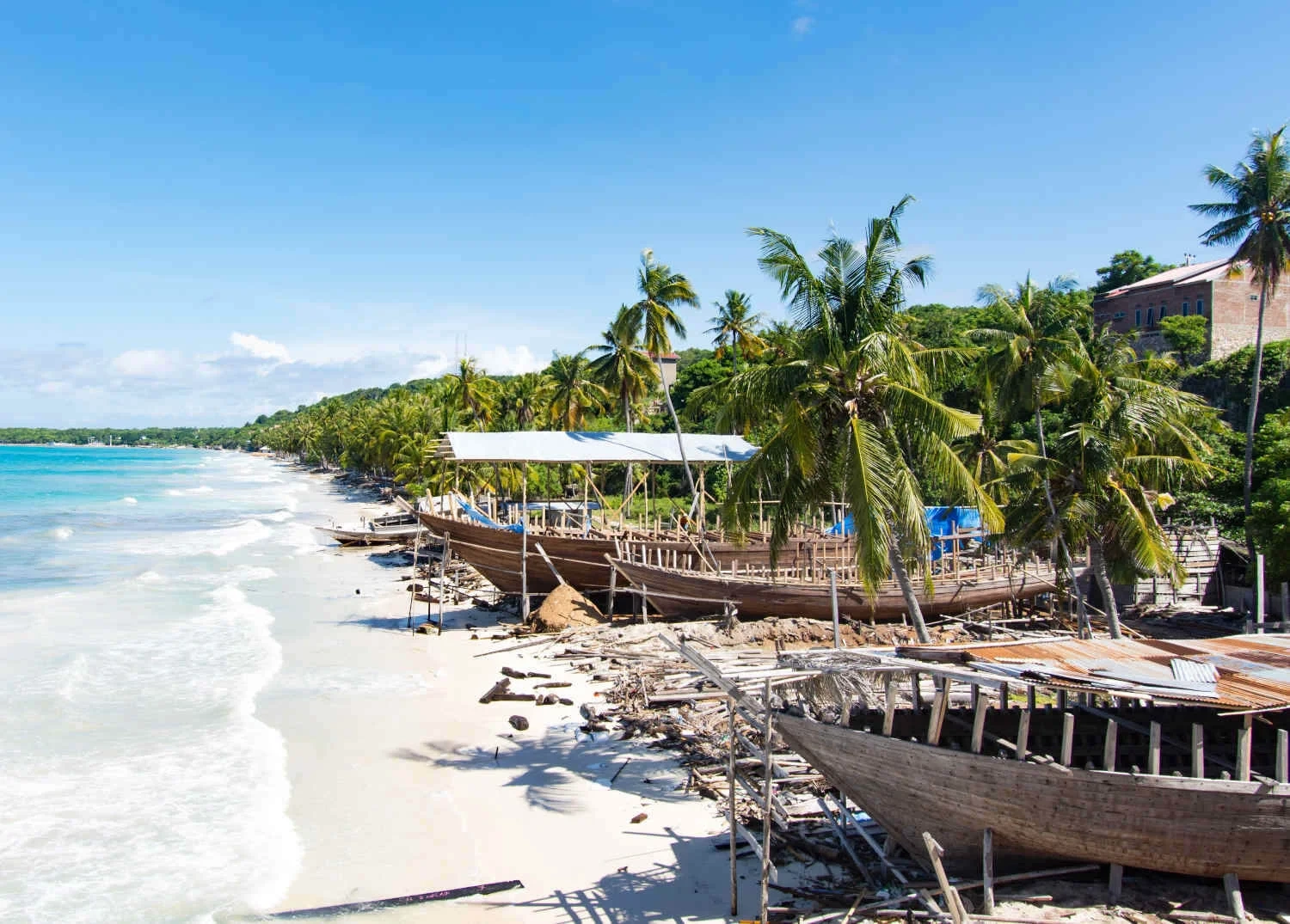
The Makassar fish-and-boat harbour, at the northern end of the city. Paotere is partly a working pinisi shipyard, partly a fish-landing harbour, partly a wholesale fish market.
When to go: 04:30 to 07:00. The fishing boats unload their catch in the pre-dawn hours; by 07:30 the floor is mostly cleaned and the action moves to the wholesale auction at the back of the market.
What to see:
- Pinisi and kapal motor boats unloading.
- The catch: tuna, mackerel, snapper, grouper, and the small teri (anchovy) for which Paotere is particularly known.
- The auction at the back of the main hall — a brisk informal process where wholesale buyers call out bids on basket lots.
- The small workshops where pinisi boats are still being built and repaired alongside the working harbour.
Practical notes:
- Wear closed shoes — the floor is wet, fishy, and crowded.
- Go with a local guide or your hotel staff for context. Photography is generally tolerated; ask before close-ups.
- Combine with a Fort Rotterdam and Pantai Losari morning.
Pasar Bersehati (Manado)
The Manado central fish market, on the bay-front in the heart of the old city. Smaller than Paotere but more cleanly structured as a market.
When to go: 05:00 to 09:00. Pre-dawn for the action; mid-morning for the calmer market.
What to see:
- Cakalang (skipjack tuna) landing — Manado is one of the major skipjack ports in eastern Indonesia.
- Cakalang fufu (smoked skipjack) production and sale at the dedicated section.
- The smaller reef-fish catch from the Manado Tua and Bunaken side.
- Live mangrove crabs, prawns, and the local bia (clam) selection.
Practical notes:
- This is where the public boat to Bunaken leaves — convenient for travellers heading there.
- Cakalang fufu makes a useful breakfast snack — buy a piece, eat it on the spot.
- The dawn lighting on the bay-side fish landings is exceptional for photography.
Pasar Ikan Pelabuhan (Kendari)
The Kendari harbour fish market, on the eastern side of the bay. Less visited but among the more photogenic working fish markets in Sulawesi.
When to go: 04:00 to 06:00. The catch arrives in the early pre-dawn; by sunrise the action is winding down.
What to see:
- Yellowfin tuna landings — Kendari is one of the better tuna ports in Indonesia.
- The line of small wooden boats moored at the harbour edge.
- The dawn light over the bay.
Practical notes:
- Kendari is mainly visited as a transit to Wakatobi; the fish market is a worthwhile dawn activity for travellers with an early morning before their onward flight.
- The market is calmer than Paotere or Bersehati and easier to navigate alone.
Pasar Ikan Bira
The small fish market at Bira's beach jetty, in South Sulawesi.
When to go: Late afternoon (16:00–18:00), when the day-boats return.
What to see:
- Smaller-scale fishing — single-family boats with the day's catch.
- Tongkol (bullet tuna) and layang (round scad) as the typical catch.
- Direct sales to the lawa bale and ikan bakar warungs that source same-day fish.
Practical notes:
- This is a small-village market, not a big-city scene. The pace is slow and the catch is modest.
- The proximity to the bau peapi and lawa bale warungs in Bira makes the catch-to-table chain visible.
Wakatobi and the eastern island markets
The smaller fish markets in Wangi-Wangi (Wakatobi), Wakai (Togean), and the Banggai harbours operate at village scale:
When to go: Early morning, varying by village.
What to see:
- The reef-fish catch — kerapu, kakap merah, small reef species.
- Bajau fishermen selling directly to homestay kitchens.
- The transition between subsistence and small-commercial fishing that characterises eastern Indonesian island economies.
Practical notes:
- These markets are part of homestay daily life; visitors staying at island homestays will encounter them organically.
- Don't expect the scale of Paotere or Bersehati.
A morning-market protocol
A few useful conventions for visitors:
Arrive early. The action peaks in the first hour of the catch landing. Arriving at 08:00 misses most of it.
Photography etiquette. Wide shots of the market scene are generally fine. Close-ups of working fishermen and vendors warrant a brief greeting and gesture indicating the camera. A €1 tip after photographing someone working is appropriate.
Buying. If you want to buy fish, expect to be priced for foreigners. A 30–50% premium over the local rate is standard and reasonable. For visitors not preparing the fish themselves, the better move is to buy a small ready-to-eat item (cakalang fufu, a grilled snack) rather than raw fish.
Hygiene. The wet markets are working spaces with the hygiene standards of working spaces. Wash hands afterwards; don't touch surfaces unnecessarily.
Combining with a wider trip
The major Sulawesi fish markets are dawn activities that pair with other early-morning activities:
- Paotere with a Makassar harbour morning, before a Fort Rotterdam visit.
- Bersehati with a public-boat departure to Bunaken (same harbour).
- Pasar Ikan Kendari with the morning Wakatobi flight.
A traveller passing through three or four Sulawesi cities can build a morning fish-market routine into the trip without adding extra days. The cumulative experience is one of the more genuine ways to see how the island actually works.
Which Sulawesi fish markets are worth visiting? Paotere in Makassar (04:30–07:00, the largest, with pinisi shipyards on the same harbour), Pasar Bersehati in Manado (05:00–09:00, where the Bunaken public boat also leaves), and Pasar Ikan Pelabuhan in Kendari (04:00–06:00, tuna-focused). All three are working morning markets; arrive at the right hour and behave as a guest, not a tourist.