#guide
Tana Toraja Travel Guide: Highlands, Funerals, and Tongkonan
Von A. Rahmawati03 Dec12 Min. Lesezeit
A practical Tana Toraja travel guide — when to visit, what to expect at a funeral, where to base yourself, and the etiquette nobody puts in writing.
A Torajan funeral can last seven days. Dozens of buffalo are sacrificed; the body of the deceased may have been kept in the family house for weeks or months while the relatives gathered the money to bury them properly. Visitors are welcomed — Toraja is one of the few places in the world where a stranger can be brought to a major ceremony on the morning it begins — but the etiquette is real, and the experience is heavier than the brochures imply.
This is a working guide to visiting Tana Toraja, the highland regency in South Sulawesi where about 1.1 million people live in valley villages built around houses shaped like boats. It covers how to get there, when to come, what to expect at a funeral, what to do the rest of the time, and where to base yourself.
Getting to Tana Toraja
Tana Toraja is reached by road from Makassar. There is no functioning commercial airport; the small Pongtiku airfield near Makale runs occasional charters and an on-again, off-again connection to Makassar that should not be planned around. Come by car or bus.
The drive from Makassar to Rantepao takes eight to ten hours and covers roughly 330 km. The road is paved but mountainous after Enrekang, and the last three hours include long climbs that drive times systematically underestimate. A private car with driver costs around €70–€95 one way and is the most comfortable option. Night buses leave Makassar's Daya terminal between 19:00 and 21:00 and arrive in Rantepao at dawn; the seat reclines, the suspension is firm. Tickets run €10–€17 depending on the operator.
If you fly into Makassar, build a half-day buffer before the Toraja transfer. Late afternoon arrivals into Makassar do not pair well with overnight buses to the highlands.
When to visit
Toraja has two seasons that matter: the dry season and the funeral season. They overlap, but they are not the same thing.
The dry season runs May to October. Trails are walkable, slopes are stable, and tongkonan are at their photogenic best with blue sky behind them.
The funeral season — Rambu Solo' — peaks in August. Torajan families schedule the long ceremonies they have been saving for around the school holidays, when relatives come home from Jakarta, Singapore, and Australia. If your reason for visiting is the funeral tradition specifically, come between mid-July and mid-September.
What that means in practice: book accommodation in Rantepao early for August. Better drivers and English-speaking guides are spoken for weeks ahead.
The funeral question
If you visit Toraja in season, you will be offered the chance to attend a Rambu Solo'. Take it; treat it with the gravity it carries.
A Rambu Solo' is a multi-day funeral ceremony in the Torajan tradition, blending Aluk To Dolo (the pre-Christian ancestral religion) and Christian elements that have layered on since the early twentieth century. Buffalo and pigs are sacrificed, ceremonial dances are performed, and the deceased — who may have been kept in the family home for months or years pending the ceremony — is finally interred in a cliff grave or a family vault.
Visitor etiquette, in short:
- Bring a small gift for the family. A carton of cigarettes (twelve packs of Gudang Garam or Dji Sam Soe), a box of palm sugar, or sometimes cash in an envelope is appropriate. Your guide will calibrate the right scale; expect to spend €5–€14.
- Dress modestly and in dark colours. Black or dark blue is correct. No bright shirts, no shorts, no exposed shoulders.
- Greet the family elders before sitting down. Your guide will introduce you.
- Buffalo sacrifices are difficult to watch and are not a photo opportunity. If you would rather not witness them, the guide will tell you when to step away.
- Photographs are generally tolerated, but ask before close-ups of family members, and put the camera down during the slaughter.
A Rambu Solo' is not a tourist event. It is a working funeral, and the family is grieving. Visitors are welcomed as a sign of respect for the deceased and the family's standing in the community. Behave accordingly.
The architecture: Tongkonan
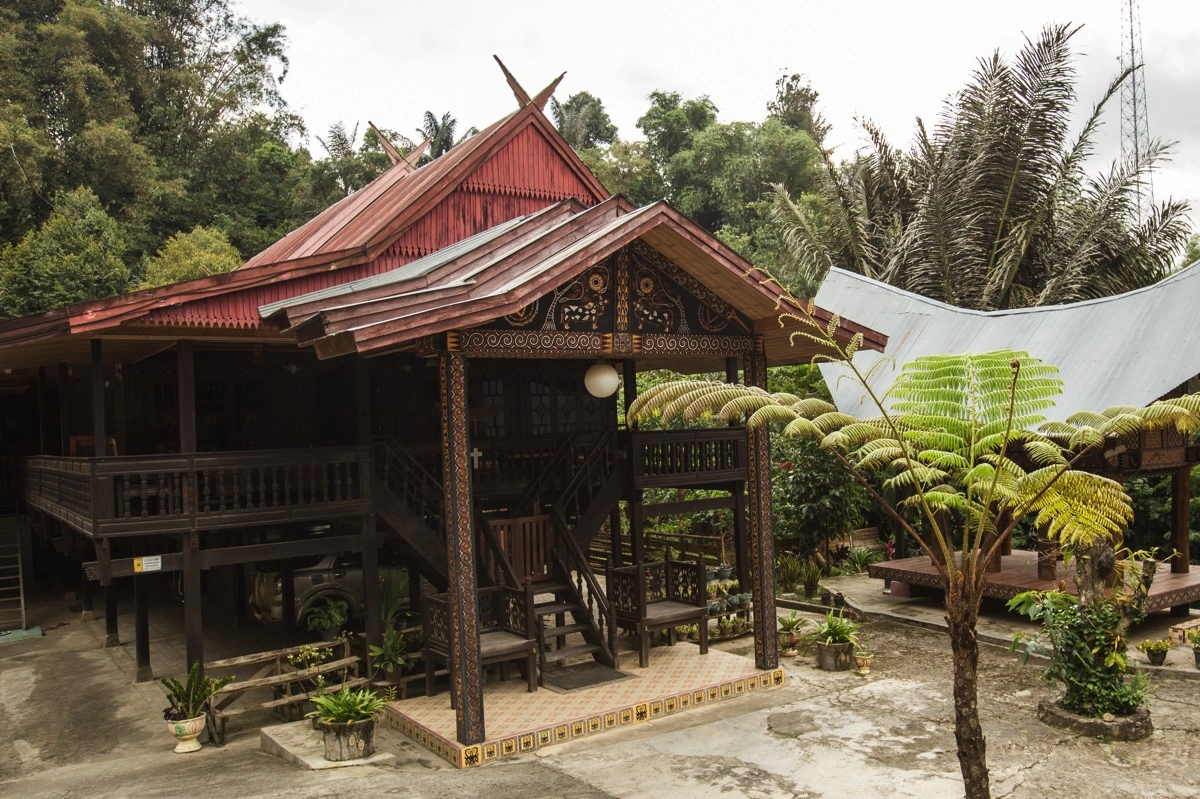
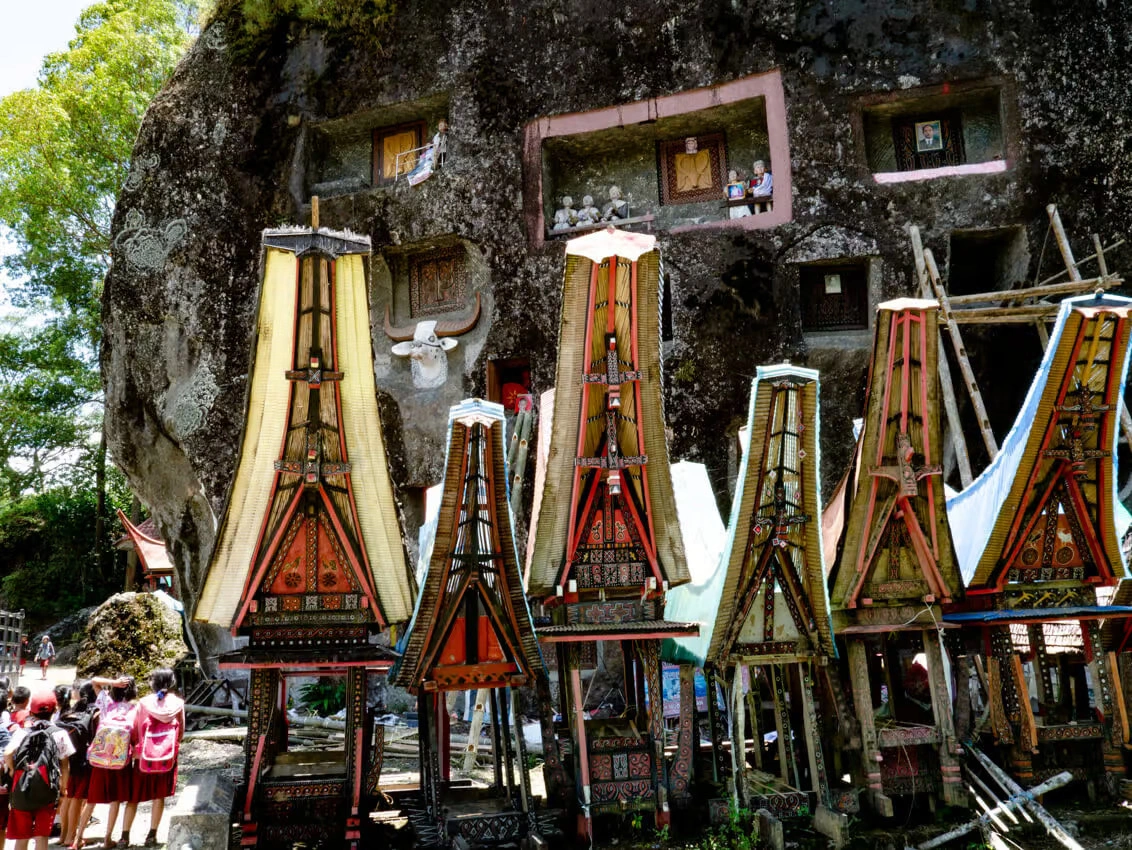
Torajan houses, tongkonan, are the visual signature of the highlands. The roofs curve up at both ends into long peaks, painted in the four ancestral colours of red, black, white, and yellow, set on stilts above a stable for buffalo. Three or four families live in each one; the structure is owned collectively and inherited through generations.
Three cluster sites are reachable as half-day trips from Rantepao:
- Kete Kesu — the most-visited village, with a row of restored tongkonan facing buffalo-skull-decorated rice barns. Around €1.50 entry. Crowded after 10:00 in season.
- Londa — cliff graves with hanging effigies (tau-tau) looking out over the valley. A guide with a lantern is required to walk the cave; tip around €2.50.
- Lemo — a vertical cliff studded with rock-cut tomb niches and a row of tau-tau on a wooden balcony. The most photographed Torajan site after Kete Kesu. Around €1.50 entry.
For travellers staying more than three days, ask your guesthouse about Buntu Burake, the giant Christ statue overlooking Makale, and Pallawa, a smaller and quieter tongkonan village 40 minutes north of Rantepao.
Where to base yourself
Two towns: Rantepao and Makale, about 18 km apart. Rantepao is the larger, more visitor-oriented base; Makale is the regency seat, quieter, more residential.
Choose Rantepao if you want the convenience of grouped guesthouses, evening eating options, and a guide network you can tap into on arrival. Most visitors stay here.
Choose Makale if you want a slower pace and don't mind 25-minute drives to most sites. Worth considering for repeat visitors.
Accommodation in Rantepao spans budget homestays at €10 to small heritage hotels in restored tongkonan-style buildings at €38–€70. Reservations are essential in August and worth making in July and September.
What else to do
Beyond funerals and tongkonan, Toraja has earned a quiet reputation for two things: coffee and walking.
The coffee — Kopi Toraja, often labelled Sapan or Kalosi — comes from highland plots between 1,200 and 1,800 metres. The smaller estates above Rantepao welcome visitors for cuppings; ask any guesthouse for a recommendation. Expect €5–€10 for a tasting session.
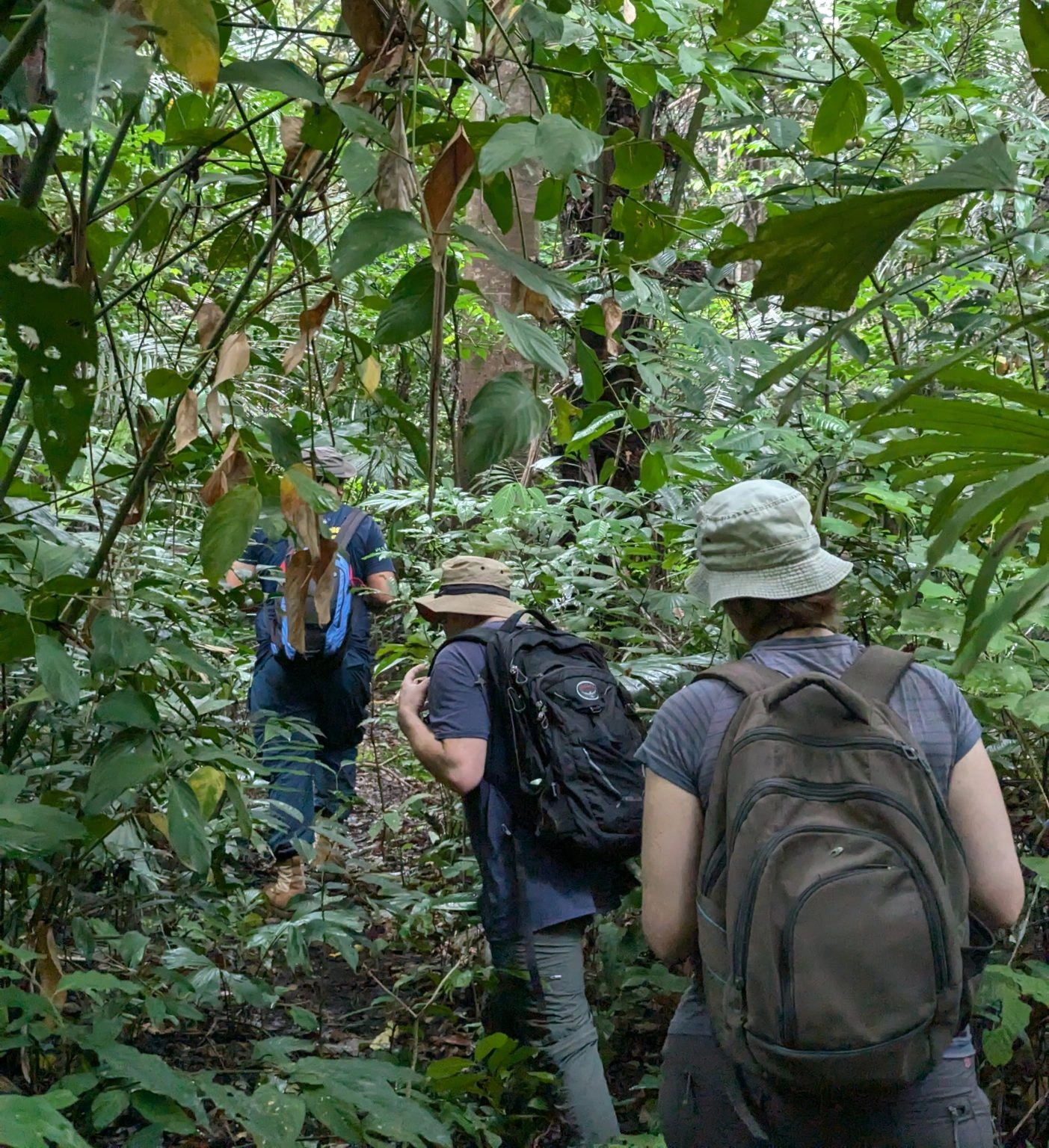
The walking is on village trails between rice terraces, generally on dirt and stone tracks suitable for any able-bodied visitor. Half-day walks loop from Batutumonga down to Pana, or from Pallawa back to the main road. A local walking guide is €12–€19 for a half day, and worth the money — the trails are unsigned and the cultural commentary makes the walk.
Is it respectful to attend a Toraja funeral? Yes. Torajan families welcome visitors at Rambu Solo' ceremonies as a mark of respect for the deceased. Bring a small gift (cigarettes, palm sugar, or cash), dress in dark colours, and follow your guide's lead on protocol. Photography is generally tolerated but should be discreet during sacrifices and family moments.
A short itinerary
Four nights is the right pace for a first visit:
- Day 1. Arrive in Rantepao by overnight bus or afternoon car. Walk the main street; eat pa'piong for dinner.
- Day 2. Kete Kesu, Londa, Lemo. Full day with a guide.
- Day 3. A funeral if one is happening (your guide will know); otherwise, a half-day walk and an afternoon at Batutumonga for the rice-terrace view.
- Day 4. Pallawa village and a coffee estate. Easy day.
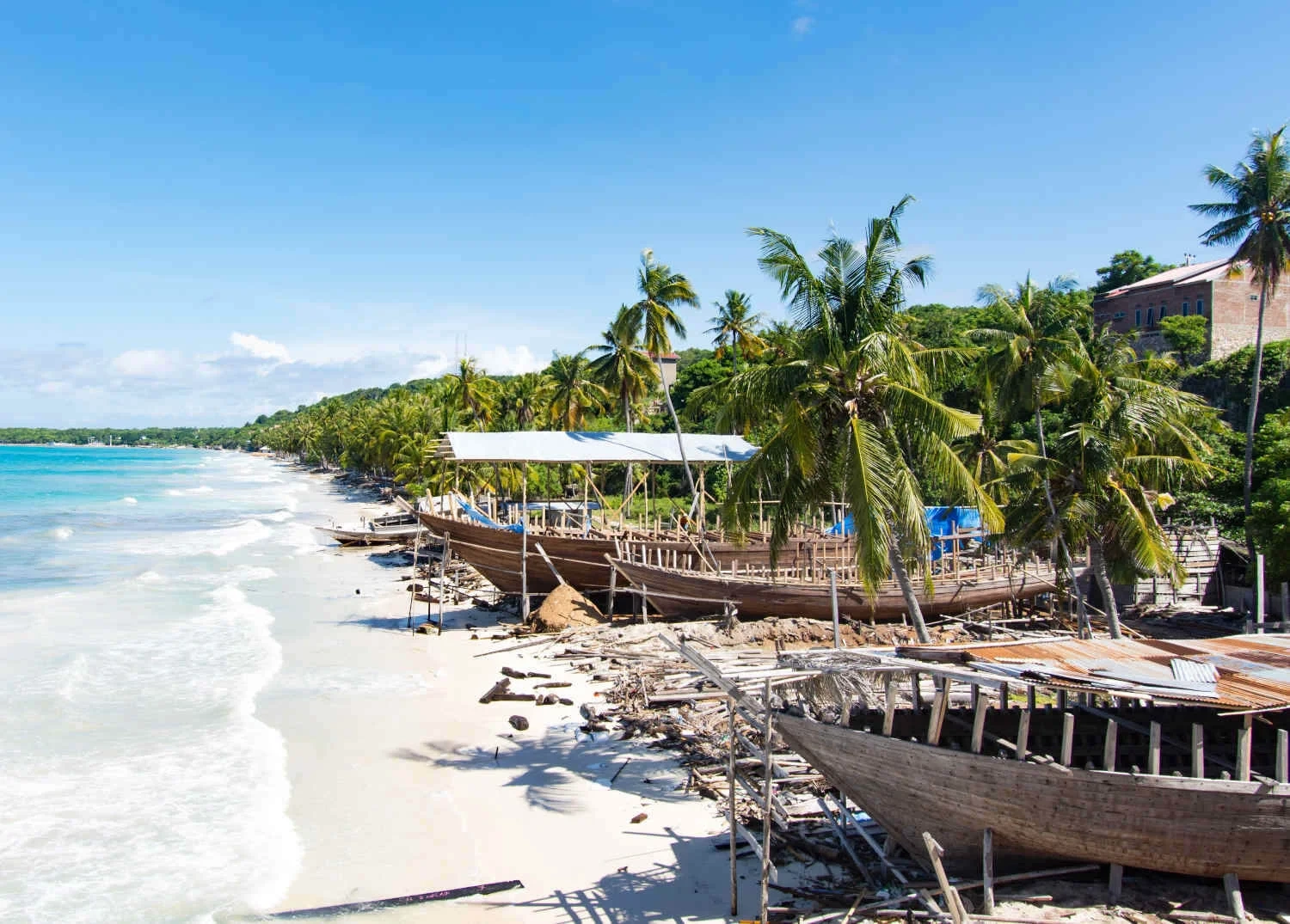
- Day 5. Drive back to Makassar, or continue south to Bira and the Bugis boatyards.
Toraja deserves more than a day-trip from Makassar. The drive is too long, the culture too dense, and the highlands too quiet to compress.