



A month-by-month guide to Sulawesi seasons — the dry-season sweet spots of May and September, the Toraja funeral peak in August, and which months to avoid in each region.
Sulawesi sits across the equator, with monsoon patterns that vary by region depending on which body of water faces which prevailing wind. There is no single "best time" to visit Sulawesi — the answer depends on where in Sulawesi and what you're doing. This guide breaks the question down by region and by activity, with a practical month-by-month overview.
The basic pattern
Indonesia broadly has two seasons:
- Dry season — roughly April/May to September/October.
- Wet season — roughly November to March/April.
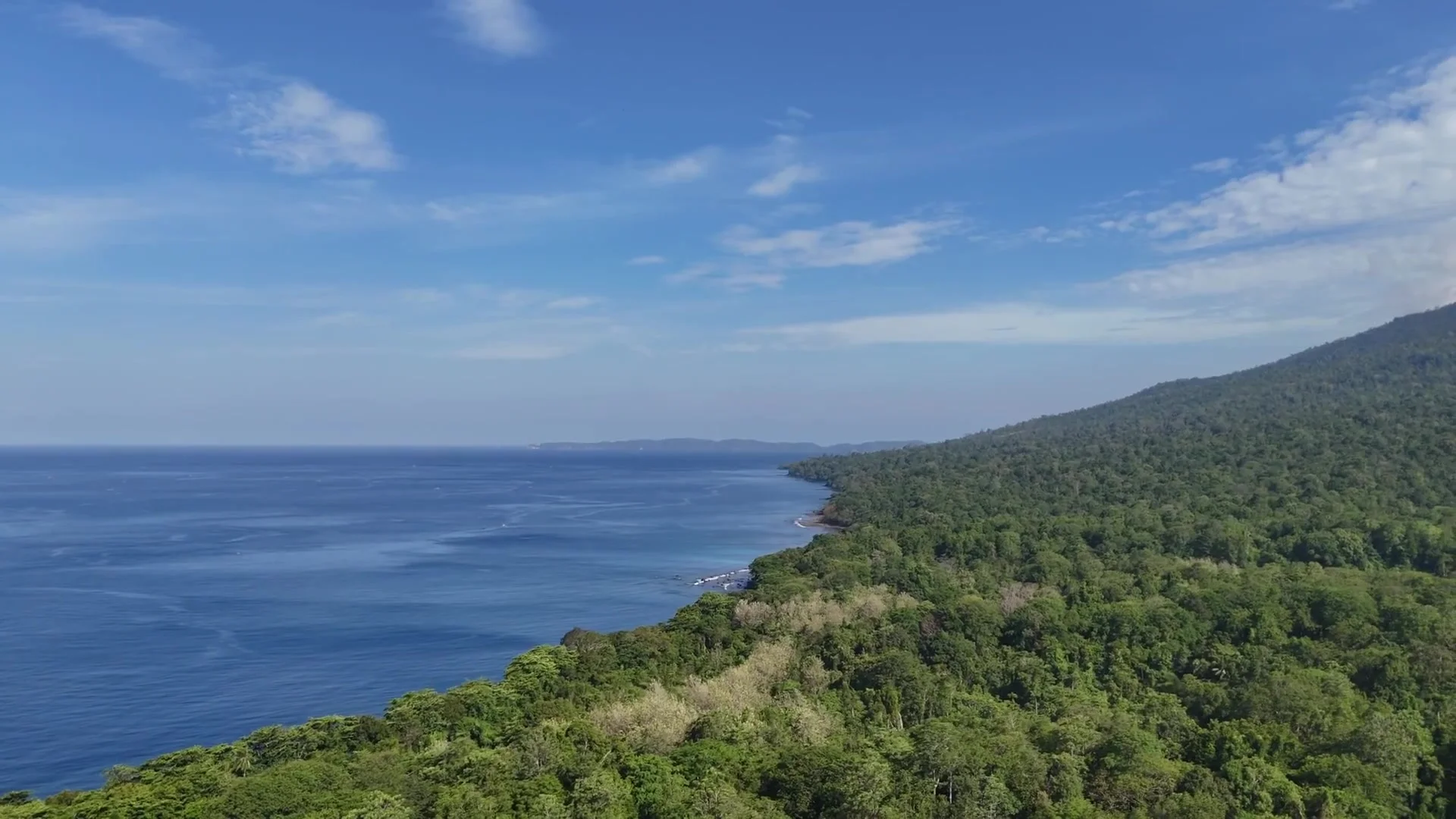
In Sulawesi, the timing shifts slightly by region. The southern peninsula (Makassar, Toraja, Bira) has a stronger dry/wet division and aligns closely with the standard Indonesian dry-season pattern. The northern peninsula (Manado, Minahasa) is wetter year-round and has less pronounced seasons. The eastern islands (Wakatobi, Banggai, Togeans) follow a different pattern again, with wet season influence from both the Java Sea and the Banda Sea.
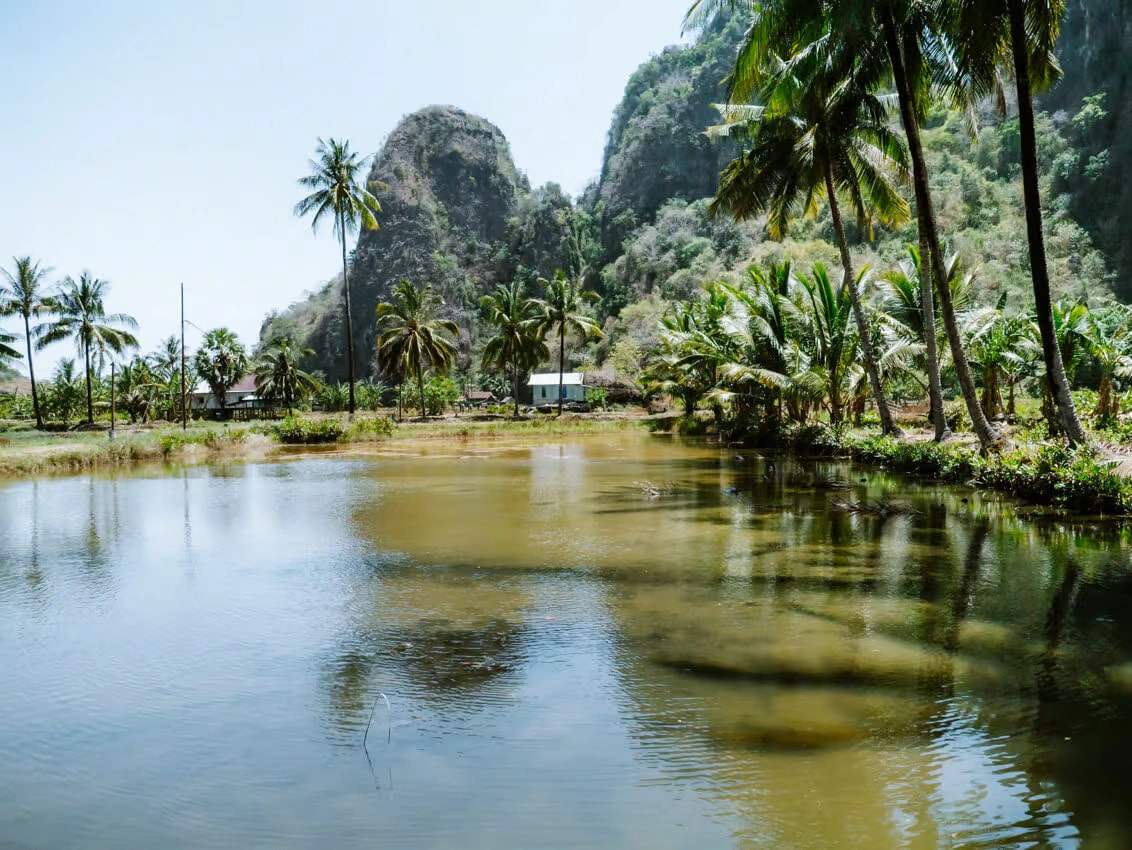
South Sulawesi (Makassar, Toraja, Bira)
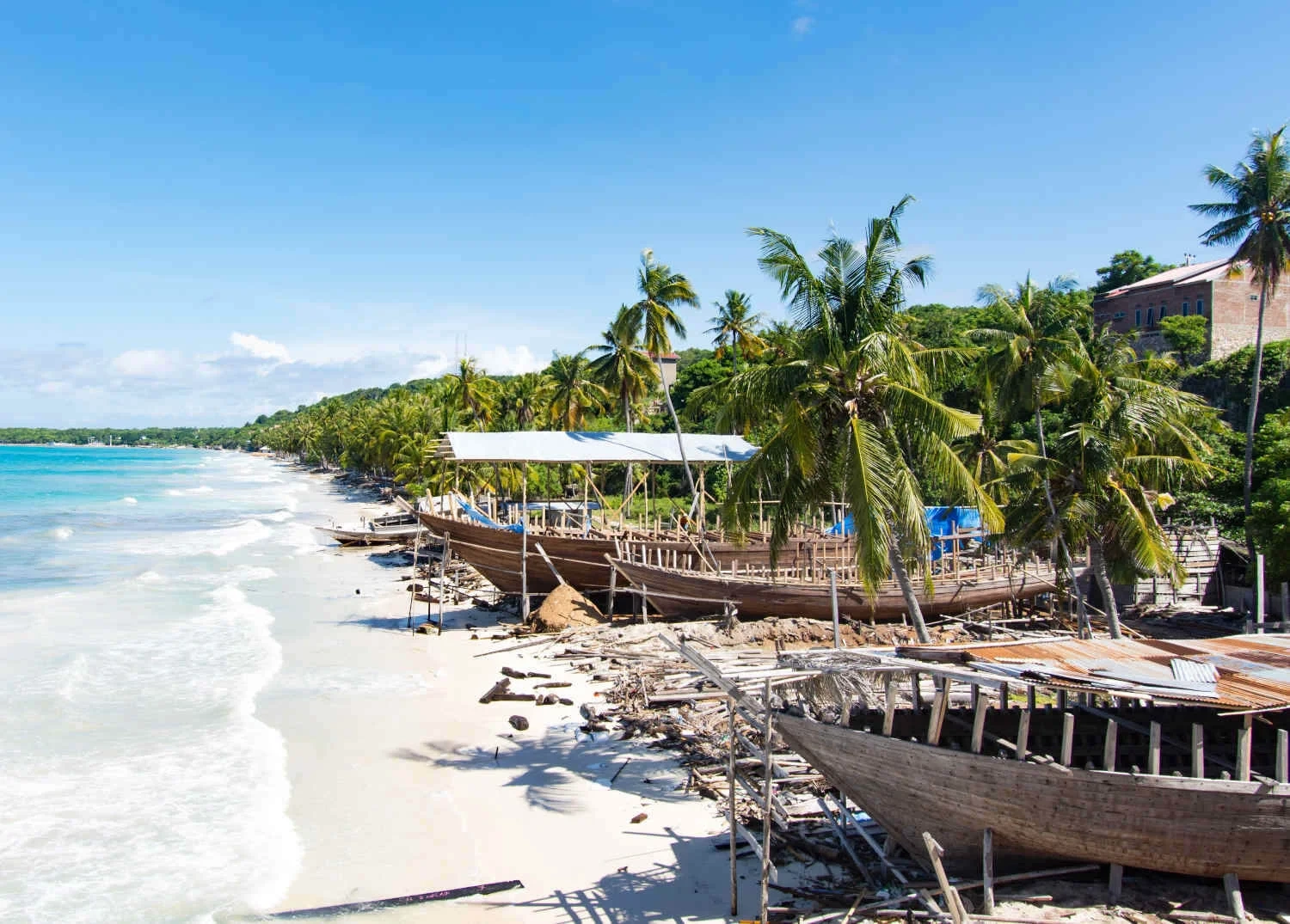
Best months: May–September.
The dry season is reliable. Days are warm to hot (28–34°C), nights cool in the highlands (15–20°C in Toraja), and rain is infrequent. The road network — including the critical Makassar-Toraja highway — is at its most reliable.
Special timing:
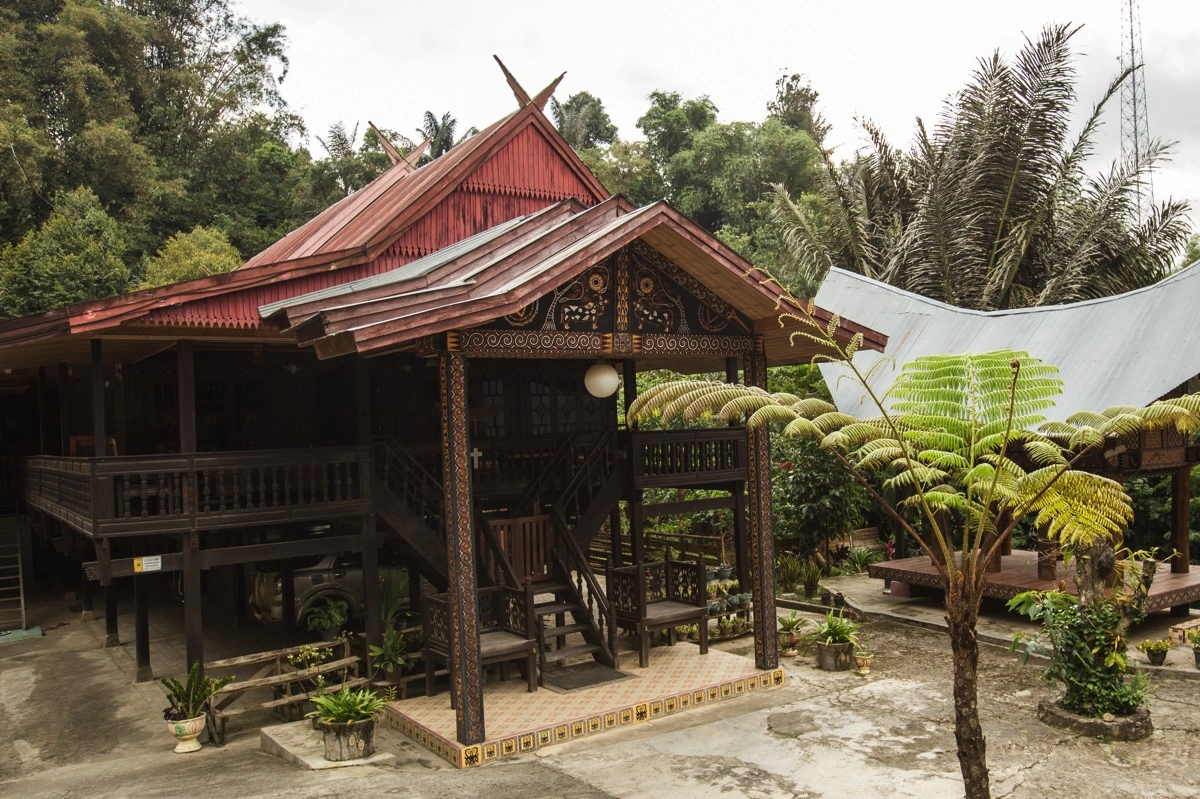
- July–September is Rambu Solo' peak — the Toraja funeral season. Critical timing for travellers specifically interested in the funerals.
- August brings the heaviest visitor traffic to Rantepao. Book accommodation well ahead.
Worst months: January–February, the height of the wet season. Heavy rains, slick mountain roads, occasional flooding in Makassar lowlands.
North Sulawesi (Manado, Bunaken, Tangkoko)
Best months: April–June and September–November.
The dry season pattern is less pronounced than in the south, with warm, slightly cooler conditions year-round. Surface conditions for the Bunaken dive boats are at their best in these shoulder months. The Tomohon highlands are comfortably cool throughout.
Special timing:
- August — the Tomohon International Flower Festival (date varies; check current year).
- December–February — heavier afternoon rains and choppier dive-boat conditions, but the diving itself is still good underwater.
Worst months: January–February for surface conditions. Diving remains workable but transfers from Manado to Bunaken can be uncomfortable.
Central Sulawesi (Palu, Lore Lindu, Togeans)
Best months: May–October.
The Central Sulawesi region is the most affected by wet-season transport unreliability. The Ampana–Togean ferry, the road to the Bada Valley, and the trails in Lore Lindu all become significantly more difficult in the wet months.
Special timing:
- September — the Festival Danau Poso at Lake Poso brings traditional music and boat racing.
- May — calm seas, easiest Ampana ferry to the Togeans.
Worst months: December–March. The Ampana ferry is regularly cancelled; the road from Tentena to the Bada Valley becomes impassable in stretches; Lore Lindu trails get slick.
Southeast Sulawesi (Wakatobi, Kendari, Buton)
Best months: April–June and October–November.
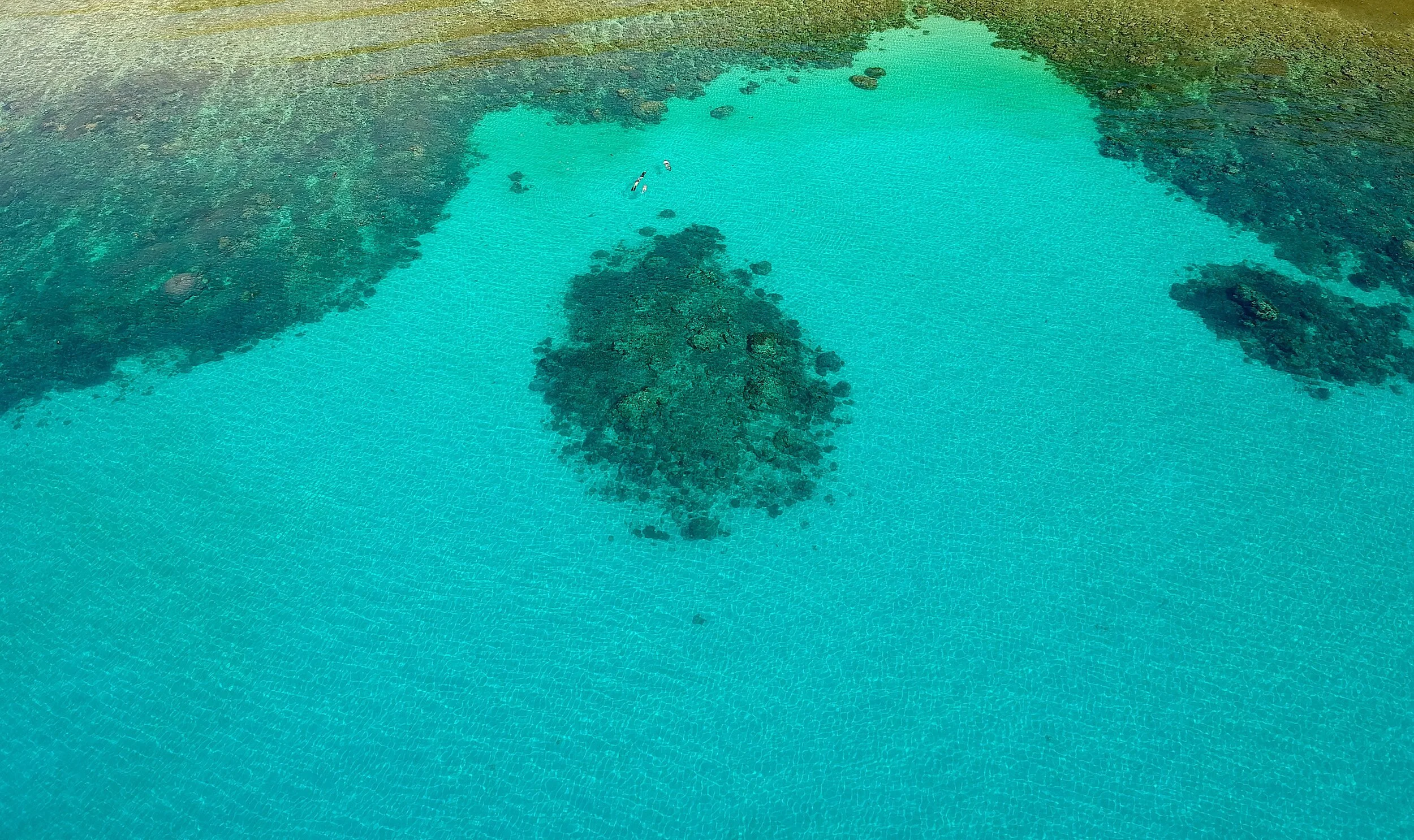
Wakatobi diving is good year-round with two strong windows. The shoulder months avoid both the peak diving crowds (which cluster in July–August) and the choppier surface conditions of the wet season.
Special timing:
- April–May — calmest seas, best visibility for diving.
- October–November — secondary calm window before the wet season.
Worst months: January–March. Wakatobi ferries between islands become unreliable; surface conditions for boat-diving deteriorate.
Gorontalo and the northern coast
Best months: April–October.
The Olele diving is at its best in calm-sea months. The Togean ferry from Gorontalo is the more reliable wet-season alternative to the Ampana route, so Gorontalo becomes more useful in October–April for Togean-bound travellers.
A month-by-month overview
January. Wet season peak in most regions. Avoid Togean ferries; book interior travel with buffer days. Diving still works but expect surface chop. Workable for highland-only trips (Toraja in the rain has its own atmosphere).
February. Continued wet season. The roads to Lore Lindu's Bada Valley are at their worst. Avoid Central Sulawesi overland trips. Manado diving still good underwater.
March. Wet season tail. Some improvement in the south. Wakatobi diving begins picking up. Still risk-heavy in Central Sulawesi.
April. Transition to dry season. One of the better months for Wakatobi diving. South Sulawesi roads improving. Ampana ferry becoming more reliable.
May. Excellent across most regions. The sweet spot — dry but not yet at peak heat or peak crowds.
June. Strong dry season. South Sulawesi at its best. Toraja begins approaching funeral season.
July. Peak Toraja funeral season begins. Rantepao busy. Bali-style crowds at Bunaken. Wakatobi busy.
August. Peak. Highest crowd density, highest prices, highest funeral activity, school holidays compounding traffic. Beautiful weather across the south and most of the rest of the island.
September. Excellent. Crowds easing, weather still strong, funerals still happening. Many travellers' favourite Sulawesi month.
October. Dry season tail. Strong in most regions. Diving entering second peak.
November. Transition. Diving still good; overland Central Sulawesi getting harder. Workable for most trips.
December. Wet season ramping up. Christmas brings domestic tourists to North Sulawesi. Manado prices spike. Togean ferries unreliable.
Best months by activity
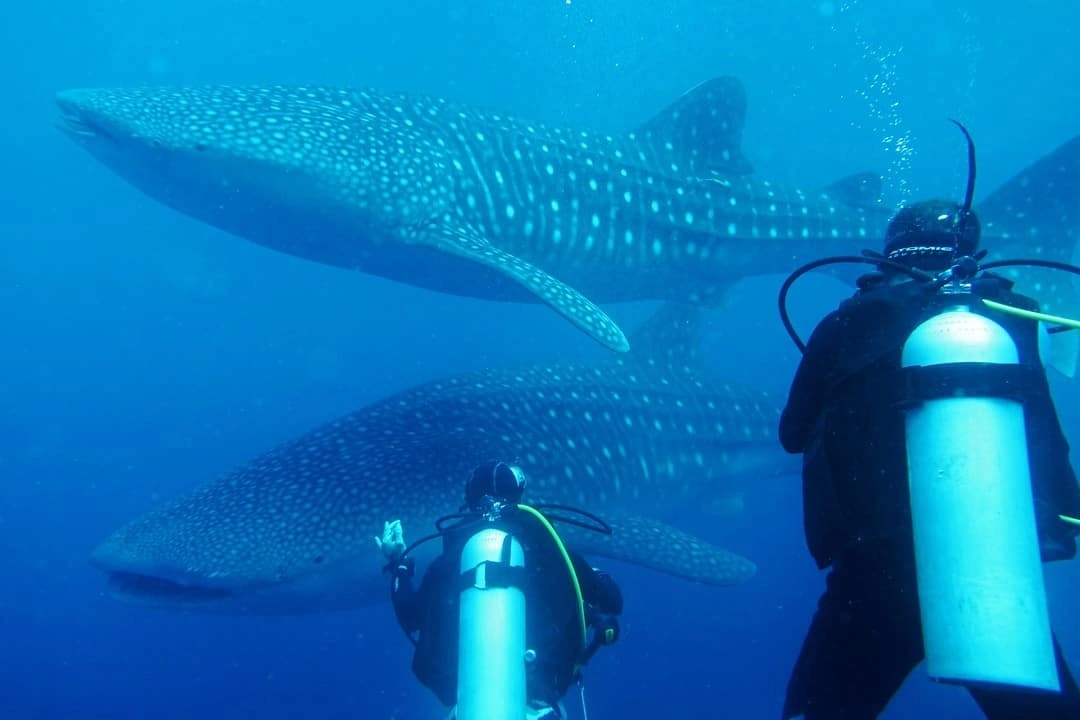
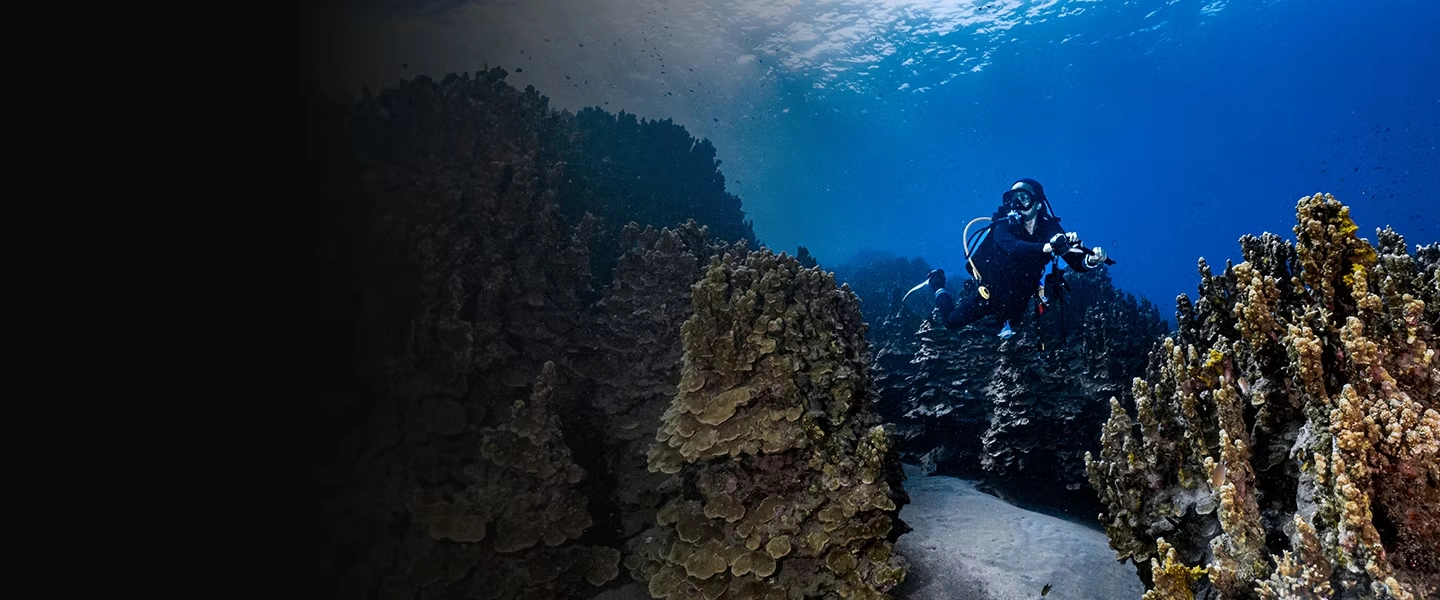
- Diving (Bunaken, Lembeh): April–June, September–November.
- Diving (Wakatobi): April–June, October–November.
- Toraja funerals: July–September (peak August).
- Maleo bird (Bakiriang): May–September.
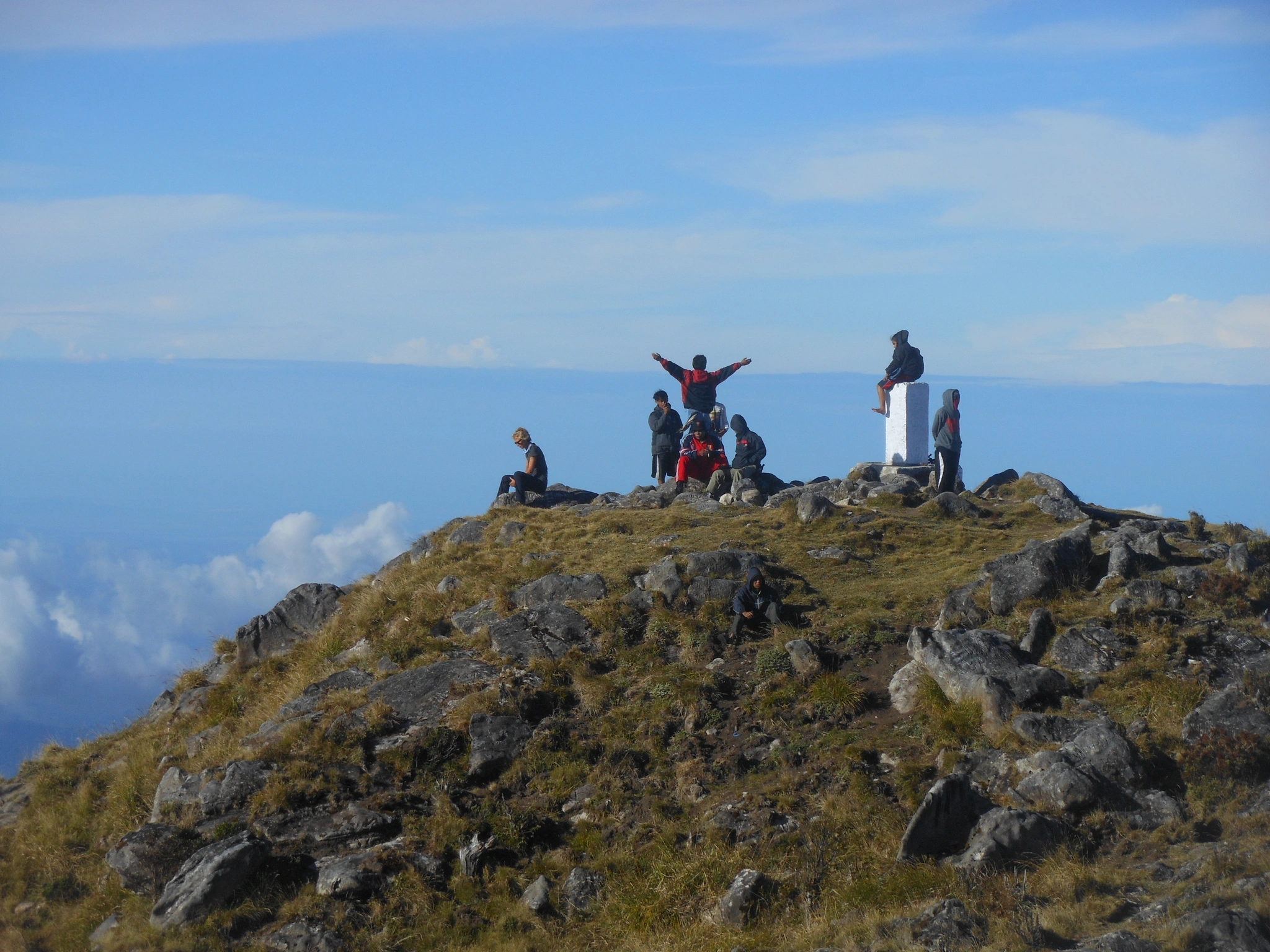
- Mountain climbing (Lompobattang): May–September.
- Birding (Lore Lindu): May–September.
- Togean Islands (Ampana route): May–September.
- Togean Islands (Gorontalo route): October–April (rainy-season alternative).
- Tarsiers (Tangkoko): Year-round; dry season more comfortable.
A pragmatic single recommendation
For a first-time traveller asking when to come to Sulawesi without a specific activity priority:
May or September. Both fall in the dry season, both avoid the peak August crowds, both offer reliable transport in all regions, and both produce good weather across the island. May leans calmer for diving; September leans toward funeral season for Toraja-interested travellers.
July–August is also strong but crowded. October–November is reliable for the dive trips but starting to lose Central Sulawesi overland options.
December–March is workable for specific trips (Manado-only, Wakatobi-only) but not for multi-region itineraries.
When is the best time to visit Sulawesi? May–September is the broad dry season window when most regions are at their best. May and September are particularly strong: dry weather, reliable transport, fewer crowds than August. July–September is peak Toraja funeral season. April–June and September–November are the best diving windows for Bunaken and Wakatobi. December–March is workable for single-region trips but harder for multi-region itineraries.