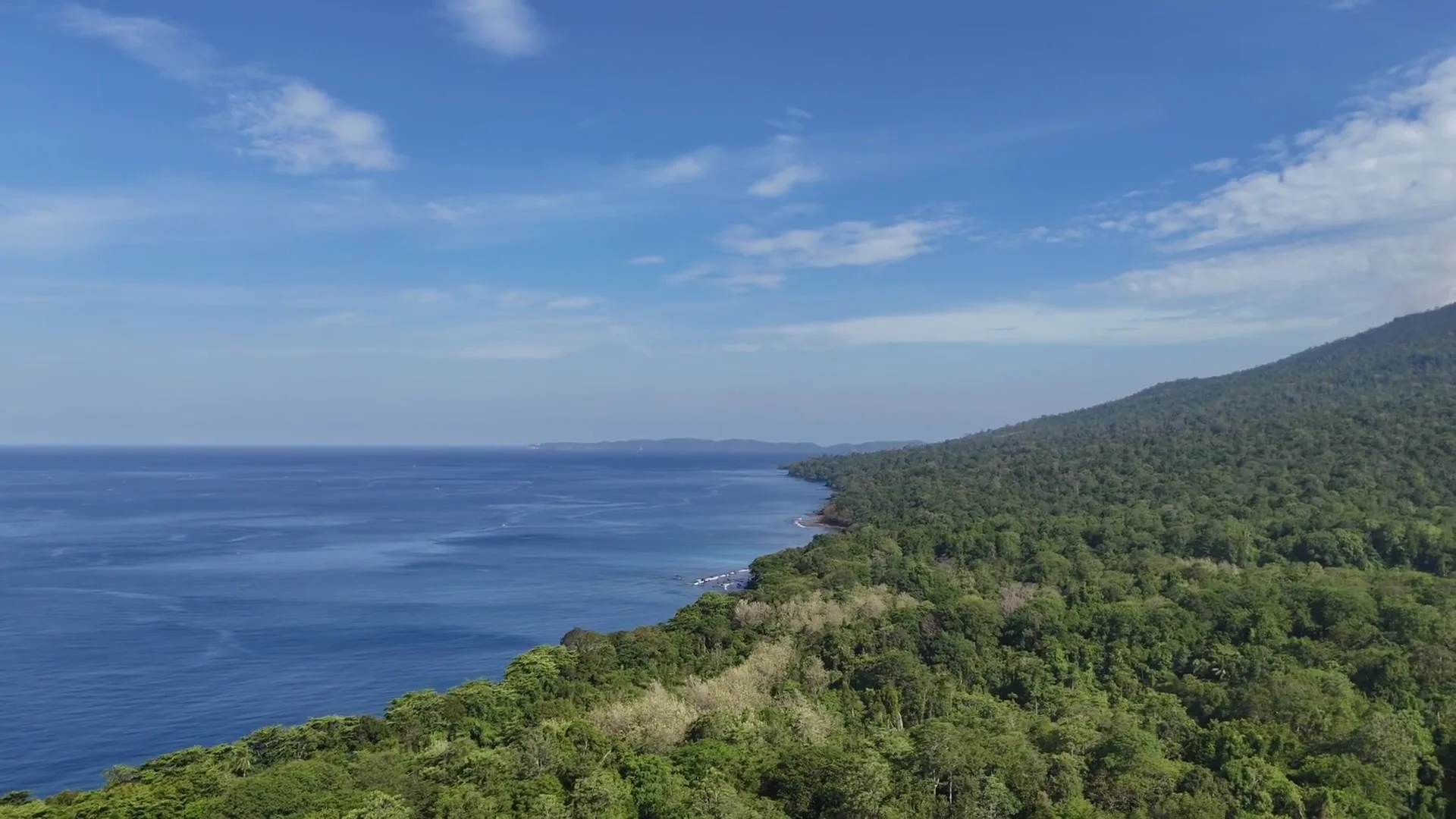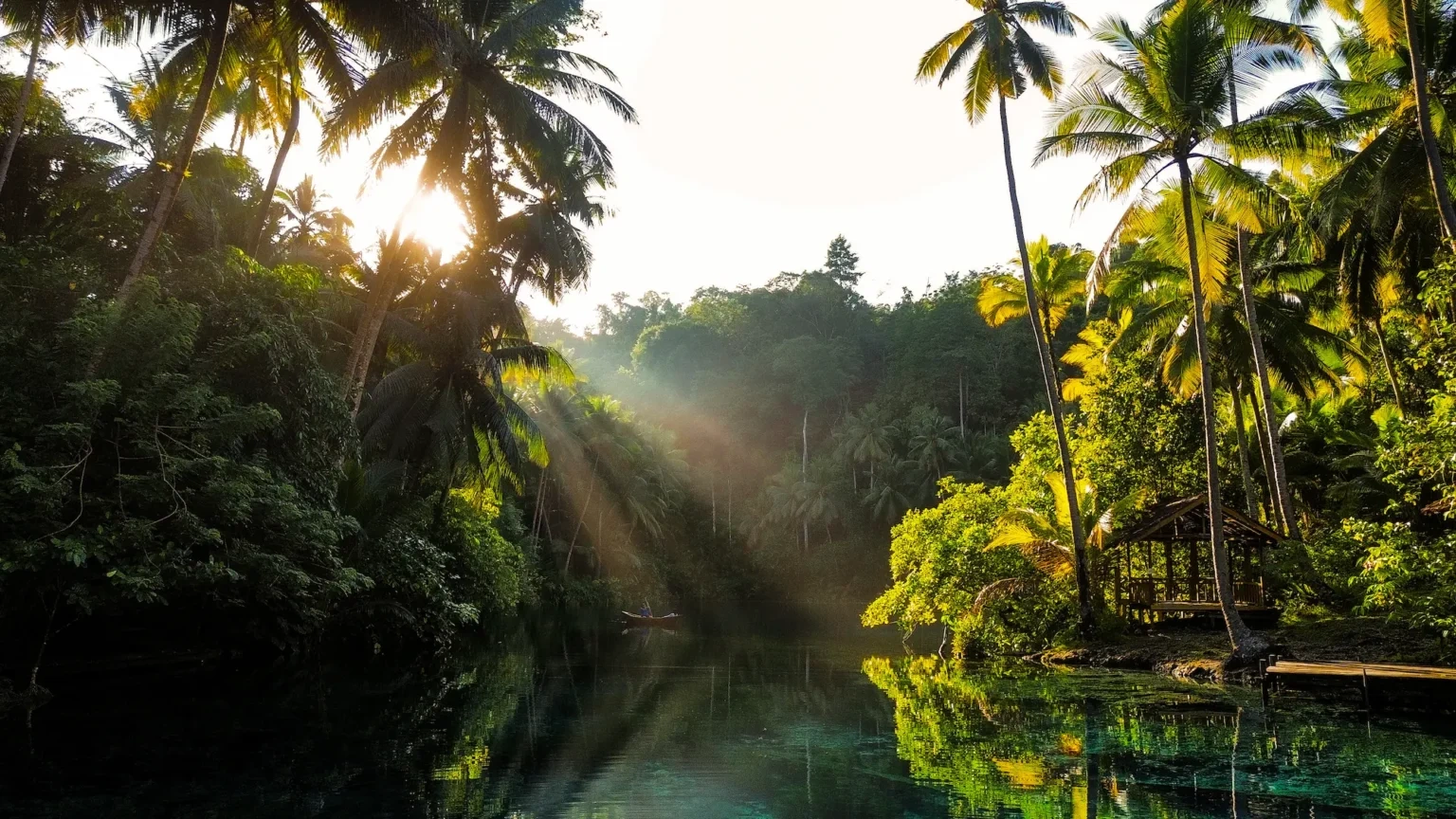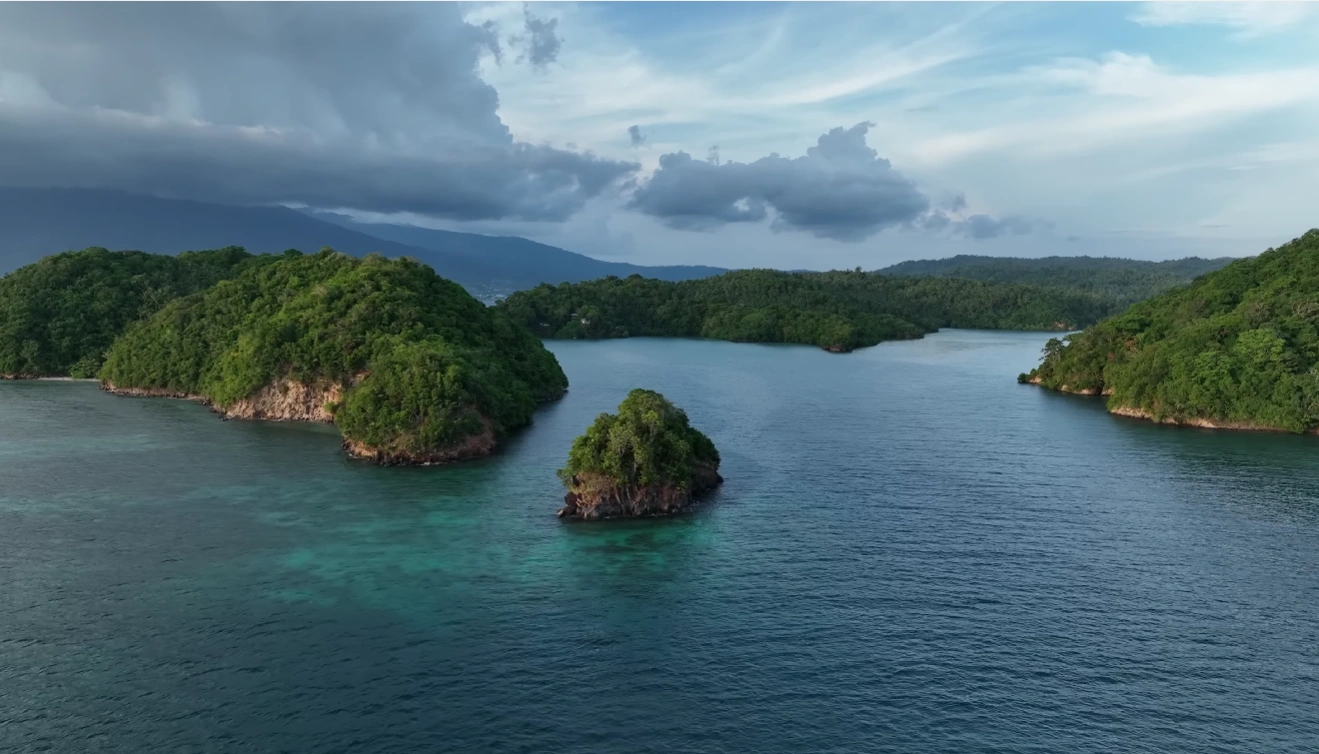
Bogani Nani Wartabone National Park covers about 287,000 hectares of forest across the border of North Sulawesi and Gorontalo provinces. No national park in North Sulawesi is larger. Few tourists come here, and visitor facilities are basic. Wildlife biologists still rank it among the most important protected areas in Indonesia.
Every large mammal endemic to Sulawesi lives in the park: anoa, babirusa, tarsier and crested black macaque. The maleo bird nests at Tambun, on the park boundary. This guide explains what the park offers, how to reach it, and how it differs from the better-known Tangkoko.
What makes the park important
Scale. At 287,000 hectares, Bogani Nani Wartabone is bigger than Lore Lindu and much bigger than Tangkoko. Its deep interior has felt less pressure from the forest edge than smaller reserves.
A full set of endemics. You find all of Sulawesi's endemic large mammals here, plus the complete list of endemic birds.
Tambun. The maleo nesting ground at Tambun is one of the two best-run maleo sites on Sulawesi. A local community conservation programme has managed it for many years.
There is a cost. Facilities are simple and the journey takes effort. A visitor on a short stay usually sees fewer animals here than at Tangkoko, even though the park holds more wildlife overall. The park repays travellers who stay longer.
Access points
| Entry | Region | Time by road | Notes |
|---|---|---|---|
| Doloduo | Bolaang Mongondow, North Sulawesi | About 6 hours from Manado | Main entrance for visitors |
| Gorontalo side | Gorontalo province | About 4 hours from Gorontalo town | Fewer facilities |
Most people enter at Doloduo. From Manado, the road follows the coast through fishing villages, then crosses a long section of forest. The park gate stands in Doloduo village.
Places to stay
- Homestays in Doloduo. The village has three or four simple homestays. At the time of writing, a night costs about €10 to €17 with meals.
- Tambun field station. Basic rooms at the maleo nesting site, for guests on maleo conservation trips. Book through the maleo programme.
The area has no resorts and no mid-range hotels. Expect simple conditions.
Things to do in the park
Watch maleo at Tambun
This is the main reason most people come. Spend half a day at the nesting ground with the rangers. Book ahead through the conservation programme. Our separate Maleo Bird article covers the species in detail.
Birdwatching on day walks
Several trails leave Doloduo for the lower forest. On a normal morning you can expect knobbed hornbill, Sulawesi pitta and several endemic kingfishers. Take a guide.
Multi-day treks
Treks of 4 to 7 days with rangers reach the higher forest. They give a small chance of anoa and babirusa, plus the more difficult endemic birds. Arrange the trek through the park office in Doloduo.
Look for tarsiers
Tarsiers live in the park. Sightings are less certain than at Tangkoko because rangers here cover a larger area and monitor the animals less closely. A patient search with a guide who knows the forest can still succeed.
Best season
Visit from May to October. In the wet season you lose days to rain, and the deep forest trails turn hard to walk.
Maleo lay eggs all year, but most laying happens in the dry season. For a maleo trip, aim for May to September.
Tangkoko or Bogani Nani Wartabone?
| Tangkoko | Bogani Nani Wartabone | |
|---|---|---|
| Access | Easy | Demanding |
| Visitor facilities | Better developed | Basic |
| Visitor numbers | Higher | Low |
| Tarsier and macaque sightings | More reliable | Less reliable |
| Range of species | Narrower | Wider |
With two days for wildlife, choose Tangkoko. With a week, add Bogani Nani Wartabone, and include Tambun if you can.
Sample routes
- From Manado, 9 to 10 days: Bunaken for 4 nights, Tangkoko for 2 nights, Bogani Nani Wartabone for 3 nights, then back to Manado.
- Across northern Sulawesi: start in Gorontalo with Nantu for babirusa, enter Bogani Nani Wartabone from the Gorontalo side, then continue into North Sulawesi.
Protection and threats
The park carries the name of Nani Wartabone, a resistance leader from the independence era. The government declared the park in 1991, joining and extending older reserves. Management has continued since then, with strong involvement from NGOs, especially in maleo protection.
Illegal logging on the boundaries, farms pushing into the forest and the bushmeat trade are the main threats. The outlook is better than for many Indonesian parks, but the forest is not safe yet. Money from visitors is small, but it strengthens the argument for protection. If conservation matters to you, a stay here is one of the most direct ways to support it with your travel budget in North Sulawesi.