The Bugis are a seafaring trading people from South Sulawesi. From the early 1600s, Bugis sailors and merchants settled across western Indonesia, the Malay peninsula and the Philippines. Their fleets also reached the north coast of Australia. It is one of the largest Indigenous Asian migrations before the colonial era, and Bugis communities still live across maritime Southeast Asia today.
One small detail shows how far their reputation spread. Some historians link the English word "bogeyman" to European fear of Bugis sea raiders in the 1600s. The link is disputed, but plausible.
This primer covers four questions: where the Bugis came from, why they left, where they settled, and what that history means for a visitor to Sulawesi.
Home: the southern peninsula of Sulawesi
The Bugis homeland is the south of Sulawesi, especially the regencies of Bone, Wajo and Soppeng, and the country around Sengkang. By the late 1500s, the Bugis kingdoms had:
- Writing. They used the Lontara' script, which people still use today.
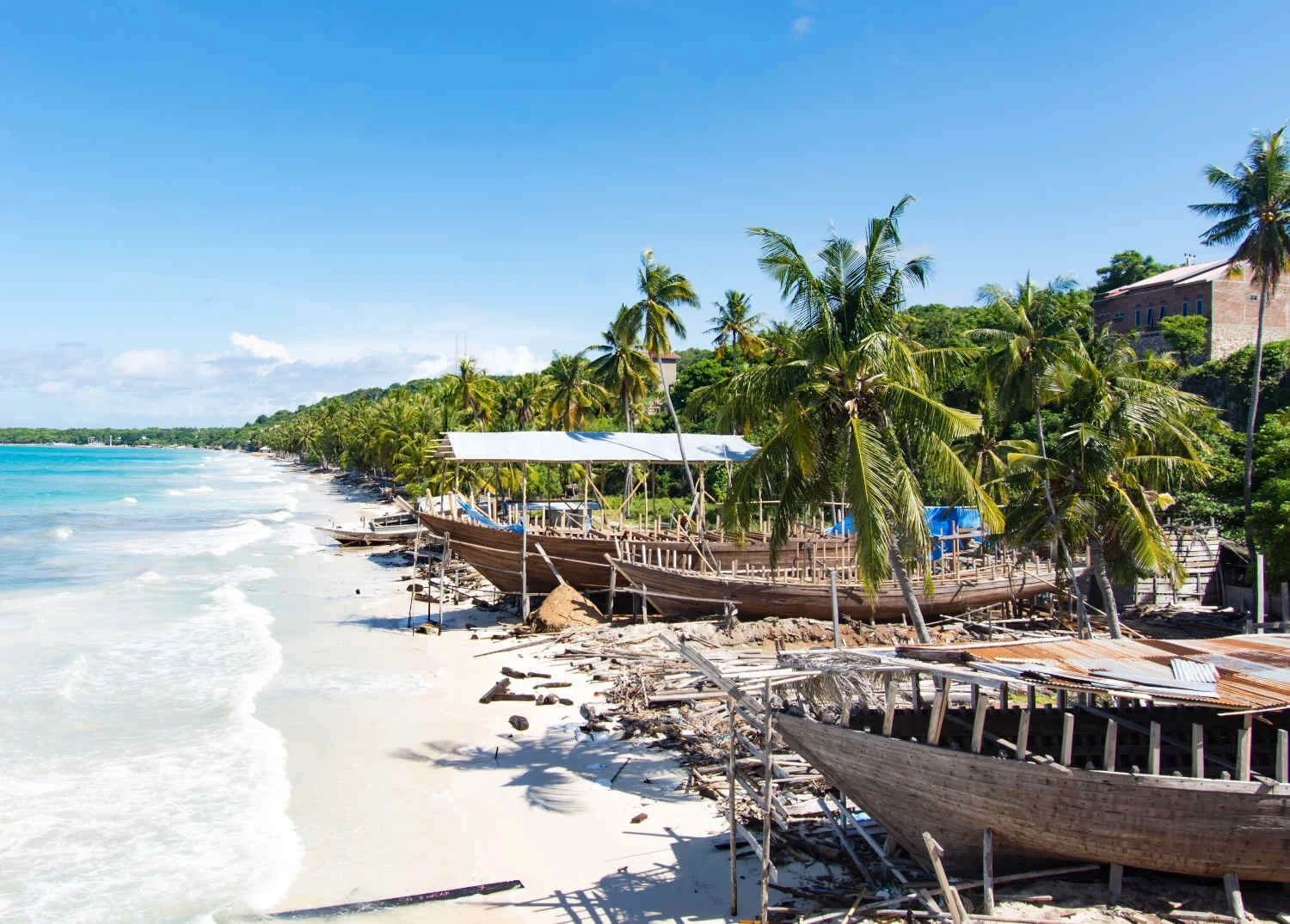
- Ships and seamanship. Their tradition centred on the pinisi schooner and older hull designs before it.
- Trade. Their network covered the western archipelago.
- A complex social order. It included the system of five genders.
- An epic. La Galigo is the founding text of Bugis culture.
These kingdoms traded with, and fought against, Gowa. Gowa was the larger Makassarese kingdom, and it held the trading port at today's Makassar.
Three reasons the Bugis left
1. The Makassar War, 1666 to 1669
The Dutch East India Company made an alliance with Bone, a Bugis kingdom. Together they defeated Gowa, the leading Makassarese power. After the war, many Bugis on the losing side left South Sulawesi as refugees. This was the first large wave of emigration.
2. Trade that was already old
Bugis ships had crossed the archipelago for centuries before the war. The conflict sped up a movement that already existed. It did not start it.
3. Dutch monopolies
In the 1700s and 1800s, the Dutch controlled the spice trade. Bugis merchants moved to routes with fewer rules, including the long voyages to Australia.
Together, these forces kept Bugis emigration going for several hundred years.
Where Bugis communities formed
| Region | Bugis presence |
|---|---|
| Riau Islands and eastern Sumatra | Large communities on Bintan and elsewhere in Riau. Families of Bugis descent held major political roles in local sultanates. |
| Malay peninsula | Communities in Johor, Selangor and today's Singapore. The royal family of Selangor, in Malaysia, has Bugis origins. |
| East Kalimantan | Large communities in Samarinda, Balikpapan and on the Berau coast. |
| Philippines | Smaller communities in the Sulu archipelago and southern Mindanao. |
| Northern Australia | Seasonal visits by trepang fishermen to the Arnhem Land coast, from at least the 1700s until 1907. |
Makassar to Arnhem Land: the trepang voyages
For many travellers, this is the most unexpected chapter.
For about two hundred years, Bugis crews sailed from Makassar to northern Australia every year. They came to collect trepang, or sea cucumber, which they dried and sold into the Chinese market. A fleet could number 60 boats. The boats arrived with the northwest monsoon, worked the coast from January to April, and then sailed home to Makassar with their cargo.
Contact with Aboriginal Australians left clear traces:
- Trade. Bugis crews gave tools and cloth in return for access to the trepang grounds.
- Language. Bugis words entered Yolŋu Matha and other Indigenous languages.
- Ceremony. Bugis songs and dance shaped parts of Indigenous Australian ceremonial practice.
- Ancestry. Some Yolŋu populations carry a small, recorded genetic share from Bugis ancestors.
- Art and memory. Rock art and oral history record these meetings.
In 1907, Australian authorities banned the voyages on customs and immigration grounds. An official decision ended a trading relationship that had lasted for centuries.
It remains one of the most notable cross-cultural stories of the region before European colonisation, for visitors to Sulawesi and to northern Australia alike.
Bugis Street and Kampong Glam, Singapore
The British founded Singapore in 1819. In the early 1800s, Bugis traders moved their business to the new port. A Bugis quarter, Kampong Bugis, grew up around today's Bugis Street and the Kampong Glam area.
Over the 20th century, the community mostly merged into the wider Malay population of Singapore. Little is visibly Bugis today. The street names and a few historical buildings keep the link alive.
What this means on a trip to Sulawesi
- The pinisi is the same ship. The schooners built at Tana Beru follow the design that sailed to Australia. A visit to the boatyards puts you in direct contact with this trade history.
- Bugis identity reaches beyond the island. Bugis families abroad stay connected to South Sulawesi. Among visitors to the island are Bugis from Singapore or Malaysia, coming back to the villages of their ancestors.
- Pride rests on reach. Many Sulawesi Bugis feel their people helped shape maritime Southeast Asia, not just one corner of it. Visitors often notice this confidence.
- The movement continues. Bugis traders, fishermen and migrants still travel and settle across the region.
Bugis heritage sites to visit
- Watampone (Bone). The palace museum holds the royal collection of the Sultanate of Bone.
- Sengkang and Wajo regency. The historic Bugis heartland.
- Tana Beru. Boatyards where builders still make pinisi by traditional methods.
- La Galigo Museum, Fort Rotterdam, Makassar. Manuscripts and royal regalia.
- Bugis Street, Singapore. A heritage name. Little of specific Bugis interest is left.
Further reading
Two standard references cover this history:
- Anthony Reid, Charting the Course of Early Modern Southeast Asia.
- C. C. Macknight, The Voyage to Marege (1976), on the Macassan trepang trade with Australia. For an academic history, it is easy to read.
The wider picture
The Bugis story is about Asian peoples acting on their own terms in the early modern era. A trading culture from outside Europe shaped parts of northern Australia, the Malay peninsula and western Indonesia. Histories written from a colonial point of view have often given it too little weight. If you want to understand the region around Sulawesi, start with the Bugis.