About 80% of Sulawesi's 19 million people are Muslim, and about 17% are Christian. Muslims form the majority in South Sulawesi and along the Bugis and Makassar coasts. Most Christians are Protestant, and they live mainly in Minahasa (North Sulawesi) and Tana Toraja. The last few per cent follow Hinduism, animist or mixed traditions and other faiths. Hindus include Balinese transmigrants and some groups in the interior.
The pattern follows history. It reflects old trade contacts, the paths of missionaries and the animist beliefs that both Islam and Christianity built upon. This guide covers where each faith dominates, why, how the communities live together and what it means for travellers.
Province by province
| Province | Muslim | Christian | Notes |
|---|---|---|---|
| South Sulawesi | about 90% | minority | Bugis, Makassar and Mandar groups adopted Islam in the 1600s. Tana Toraja and North Toraja regencies both have Christian majorities. Makassar has scattered Chinese-Indonesian Christian communities. |
| West Sulawesi | about 80% | about 16% | The coast is mostly Mandar. The Mamasa highlands are Christian Toraja country. |
| Central Sulawesi | about 75% | about 17% | The coastal Kaili are mostly Muslim. Inland Poso, Sigi and the Lore Lindu area have large Christian communities. |
| Southeast Sulawesi | about 95% | small | Wakatobi, Buton, Muna and the mainland are almost all Muslim. Most Christians are Chinese-Indonesian or transmigrants. |
| Gorontalo | over 95% | small | The least mixed province on the island. |
| North Sulawesi | about 32% | about 64% | Mostly Protestant. The Minahasa highlands are strongly Christian. Muslims live mainly on the coast near Bitung and the Gorontalo border. The Sangihe and Talaud islands are mixed. |
A rough line through Central Sulawesi divides the island. To the south and east, Muslims are the majority. To the north, and in the Toraja highlands, communities are mixed or mostly Christian.
How the pattern formed
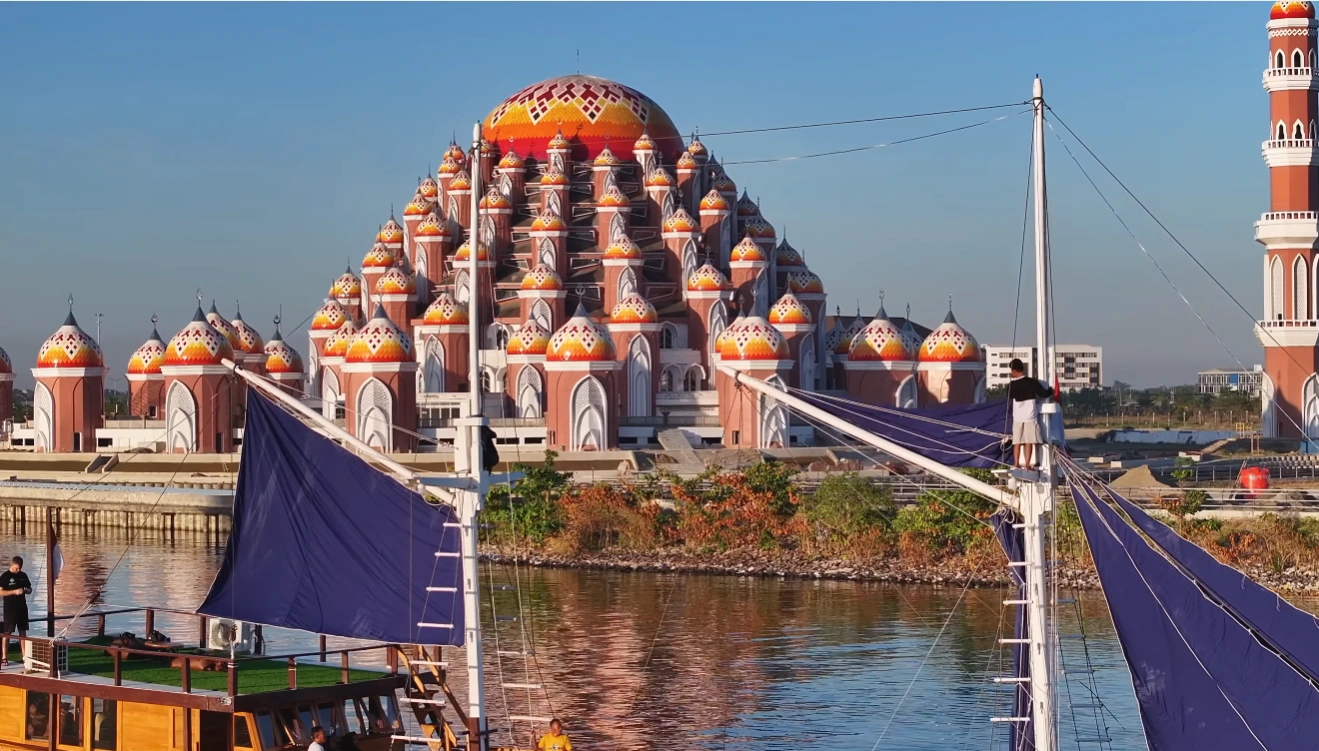
Islam arrived by sea from the south and west. Bugis and Makassar sailors traded across the Muslim trading network of the archipelago. Through these contacts, Islam reached Sulawesi in the 16th and 17th centuries. In the early 1600s, three Bugis kingdoms, Bone, Wajo and Soppeng, converted. The faith then moved along coastal trade routes to Mandar, Buton and Wakatobi. It reached the interior later, and only in part.
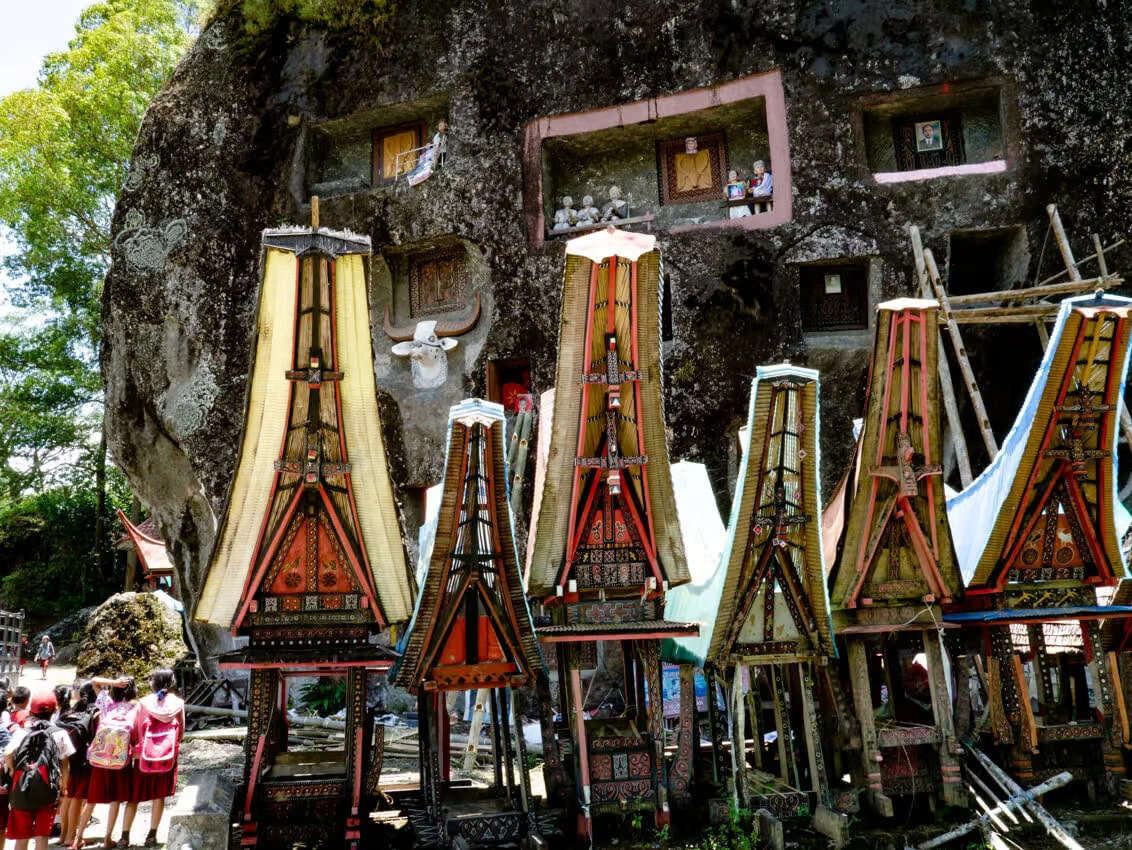
Christianity arrived over land, through the north and the highlands. Dutch Protestant missionaries reached Minahasa in the early 19th century. Their schools and churches built a Christian presence that lasts today. Missions opened Tana Toraja in the late 19th century. Most conversions there came in the early 20th century. Christianity in Toraja sits on top of Aluk To Dolo, the older animist faith. It never fully replaced it, and the two still exist side by side.
Daily life between the faiths
Across most of Sulawesi, religious difference is part of normal neighbourly life. Mixed cities show it best, Manado above all. On Sunday mornings, church bells and the call to prayer sound together. Families mark both Eid and Christmas. Marriage across faiths is not universal, but it is common enough to draw little notice.
The Poso conflict, 1998 to 2001
Poso, in Central Sulawesi, saw the worst recent breakdown. It began as a local incident: a fight between two young men. Political and economic tensions made it worse. The violence then took on an openly religious character. Attackers targeted mosques, churches and whole villages. About 1,000 people died, and tens of thousands lost their homes.
In the two decades since, reconciliation has gone a long way. The root causes, mainly land disputes and ethnic and political rivalry, remain partly open.
Apart from Poso, the balance between the faiths has held steady.
Practical advice for travellers
- Clothing. Dress modestly in mixed areas, and always inside a mosque or church. Wear long sleeves with trousers or a long skirt.
- Pork. Most of Sulawesi is Muslim and does not eat pork. In Christian Tana Toraja and Minahasa, pork is common and served openly. Check which area you are in.
- Alcohol. Muslim-majority areas restrict it heavily. In Christian Manado, Tomohon and the Toraja highlands, it is easy to find.
- Photos of places of worship. Most communities welcome them. Ask first during a service.
- Days of prayer. Plan around Friday in Muslim areas and Sunday in Christian areas. In Bugis cities, many shops close at midday on Friday. In Manado and Rantepao, many close on Sunday morning.
- Ramadan. In Muslim-majority areas, restaurants cut or limit daytime service during the fast. This affects Bugis and Makassar cities and Wakatobi. Plan meals ahead.
Four places that show the mix
- Bukit Kasih, near Manado. On this hilltop, an interfaith monument places five sites together: a mosque, a cross, a small church, a Buddhist temple and a Hindu temple. Entry is free.
- Tana Toraja. Christian funerals here often include Aluk To Dolo rites from before Christianity. Catholic and Protestant churches work beside the older faith with little conflict.
- Palu. After the earthquake, the city rebuilt mosques, churches and community halls together, as a deliberate sign of reconciliation.
- Gorontalo. Within the Tugu Adipura monument complex, there is one Islamic memorial section and one Christian memorial section.
Further reading
Two academic sources make a good start. Lorraine Aragon has written on the Poso conflict. Greg Acciaioli has written on Bugis Islam. University libraries hold both. Expect dense scholarly texts.
Quick answer
What is the religious mix of Sulawesi? About 80% Muslim and 17% Christian. The Bugis and Makassar south and west, Gorontalo and Southeast Sulawesi have Muslim majorities. Minahasa in the north, Tana Toraja and parts of inland Central Sulawesi have Christian majorities. The pattern comes from coastal conversion to Islam in the 1600s and inland Christian missions in the 1800s and 1900s.