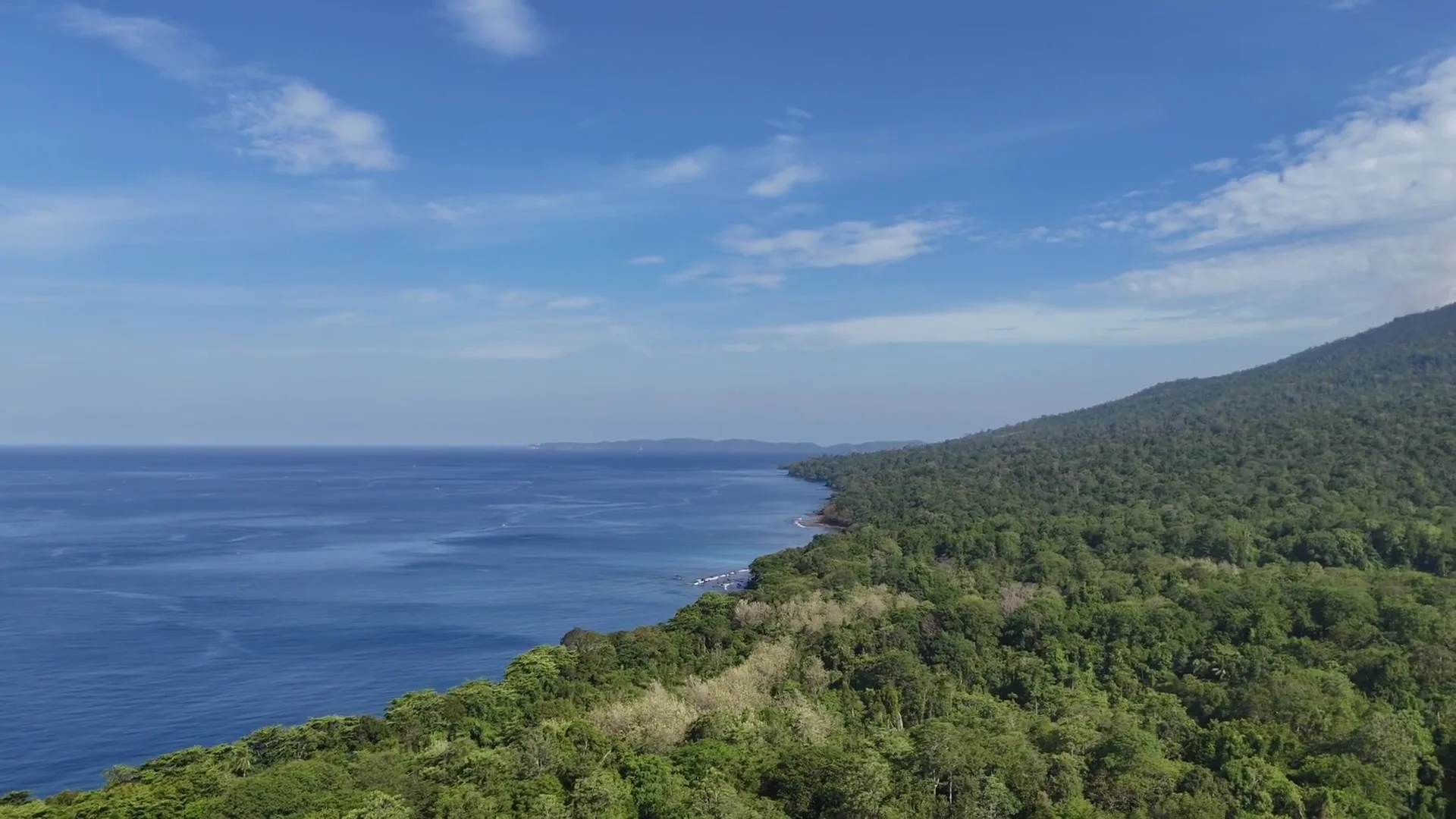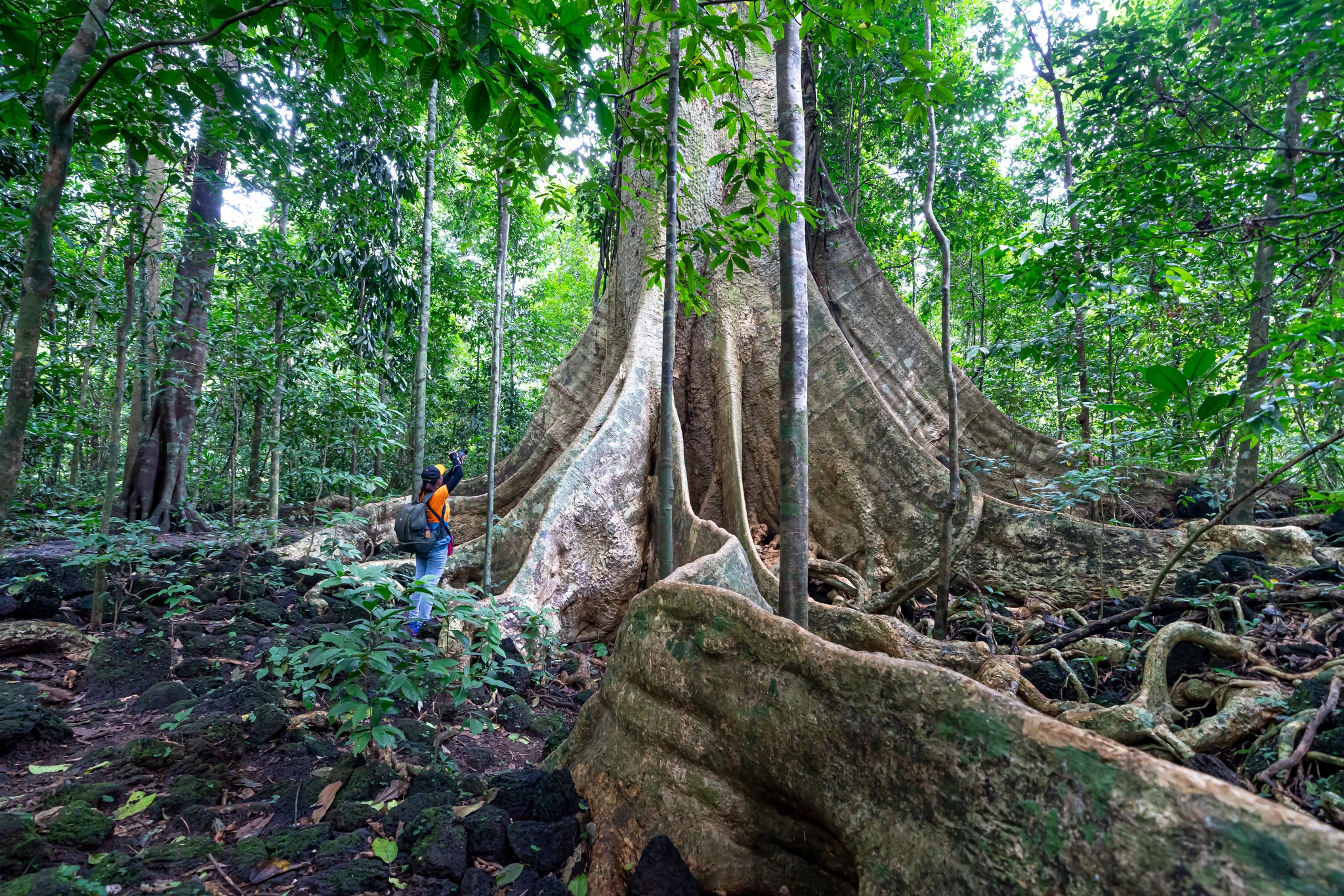
To see the crested black macaque of Sulawesi (Macaca nigra), go to Tangkoko Batuangus Nature Reserve. The reserve lies 90 minutes by road to the northeast of Manado. Two groups there are used to people, and the morning ranger walks meet them on most days. The species is critically endangered. Between 4,000 and 6,000 remain in the wild, and nearly all of them survive in a few small reserves of forest on the northern tip of the Minahasa peninsula.
The best known of seven
Sulawesi has seven macaque species that live nowhere else. The crested black macaque is the most famous. One reason is its striking look. Another is a photograph: in 2011 a macaque at Tangkoko pressed the shutter of a wildlife photographer's camera, and the copyright fight over that "selfie" spread around the world.
How to recognise one
An adult male stands about 60 cm tall and weighs around 10 kg. Look for these features:
- Coat: completely black, with no grey or brown patches.
- Crest: a tall ridge of upright hair along the top of the head, like a mohawk.
- Rear: bare pads of salmon-pink skin, called ischial callosities. Females have pinker pads, which turn redder when they are in oestrus.
- Face: a long muzzle. Males show large canine teeth.
- Tail: almost none. The tail is so short that you rarely notice it in the field.
Groups and daily life
These macaques live in big groups of 30 to 80 animals, more than most macaque species. Females form the backbone of the group, and the social order is complex. Each group holds a clear territory and walks its borders every day. When two neighbouring groups clash, the fight is noisy and easy to see.
The macaques are active by day. They eat fruit, seeds and insects, and now and then a small vertebrate. In protected areas they accept people nearby to an unusual degree.
Places to find them
| Place | Chance of a sighting | Notes |
|---|---|---|
| Tangkoko Batuangus Nature Reserve | high | Two habituated groups live in the coastal forest. Most visitors on a half-day walk see a group at close range. |
| Bogani Nani Wartabone National Park | lower | Wild groups live here at lower density. A short visit may not find them. |
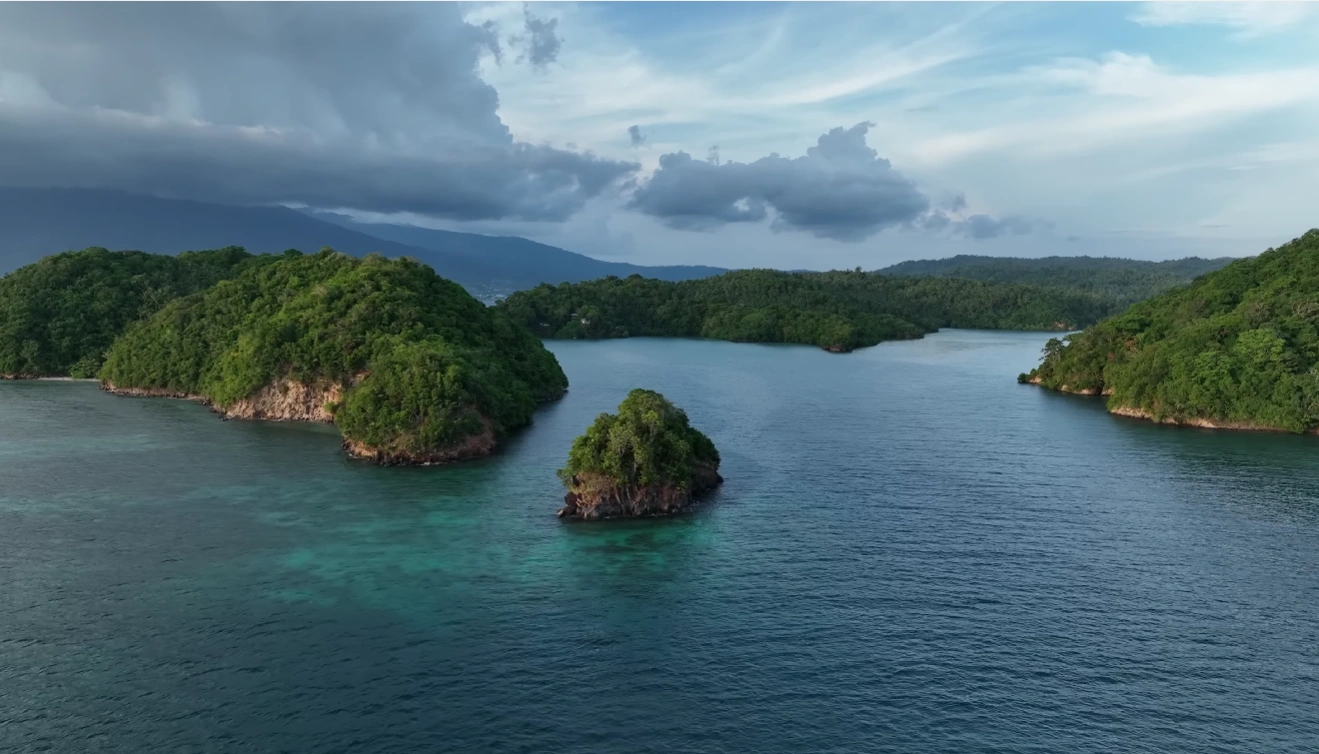
| Lihaga and Bangka islands, off Likupang | occasional | A few macaques live on these small islands. Sightings are irregular. |
For almost every traveller, Tangkoko is the answer. The reserve is also the place to look for tarsiers.
Meeting a group at Tangkoko
The Tangkoko groups appear to ignore their human visitors. They keep eating, grooming and travelling as if nobody were there. If the rangers allow it, you can stand 3 to 5 metres away. Sometimes a macaque walks past close enough to touch, without any reaction.
Primates rarely behave like this. It comes from many decades of careful work by the reserve's managers. It also brings a temptation. Please follow three rules:
- Never feed the macaques.
- Never touch them.
- Avoid sudden movements.
Habituation helps conservation only when people respect it. If a macaque attacks a visitor, the authorities may move the animal elsewhere. In serious cases they may kill it.
The famous selfie
In 2011 the British wildlife photographer David Slater left his camera set up in the forest. One curious macaque pushed the button and took a picture. The result became one of the most shared macaque pictures ever taken.
Wikipedia published the image as public domain. Its argument was that the macaque, not Slater, took the picture, and an animal cannot own copyright. A legal dispute followed and lasted several years. The animal rights group PETA went to court in the macaque's name. The case ended in 2018 without setting a clear precedent.
It is a good picture. The macaque grins straight into the lens, its eyes meet the camera, and no person is in the frame. Whatever the law says, the dispute made the species better known worldwide than any earlier conservation campaign.
A species in trouble
The crested black macaque is critically endangered. Over the last 40 years its wild numbers have fallen by about 80%. There are three main causes:
- Hunting. Some communities in North Sulawesi eat macaque meat, above all at traditional Christian Minahasan markets. In the past Pasar Tomohon sold crested black macaque with other bush meat. Recent regulation has cut this trade, and some sellers now offer other species instead.
- Loss of forest. Farmers have cleared forest for crops, which has split the range into fragments.
- Conflict with farmers. Macaques raid crops, and farmers sometimes kill them for it.
Tangkoko holds the safest population. Bogani Nani Wartabone holds the second largest. The other populations are smaller and at greater risk.
Who protects them
- Macaca Nigra Project: a long-running research and conservation programme at Tangkoko. It runs field stations and works with local communities.
- Selamatkan Yaki: an Indonesian-led group that works on this species.
If you want to support the macaques, contact either group directly. Your visit to Tangkoko also helps, because park fees and ranger jobs depend on it.
Season
You can see the macaques in any month. Sightings stay reliable all year. The dry season, from May to October, is more pleasant for walking and better for photography.
A typical macaque morning
| Time | What happens |
|---|---|
| 05:30 | Leave the Batu Putih homestay. |
| 06:00 | Reach the park gate and meet your ranger. |
| 06:30 to 08:30 | Walk in the forest. You usually meet a macaque group within the first hour. |
| 08:30 | Back at the homestay for breakfast. |
Add the dusk walk for tarsiers on the same day, and you see the best of Tangkoko's wildlife in one day.