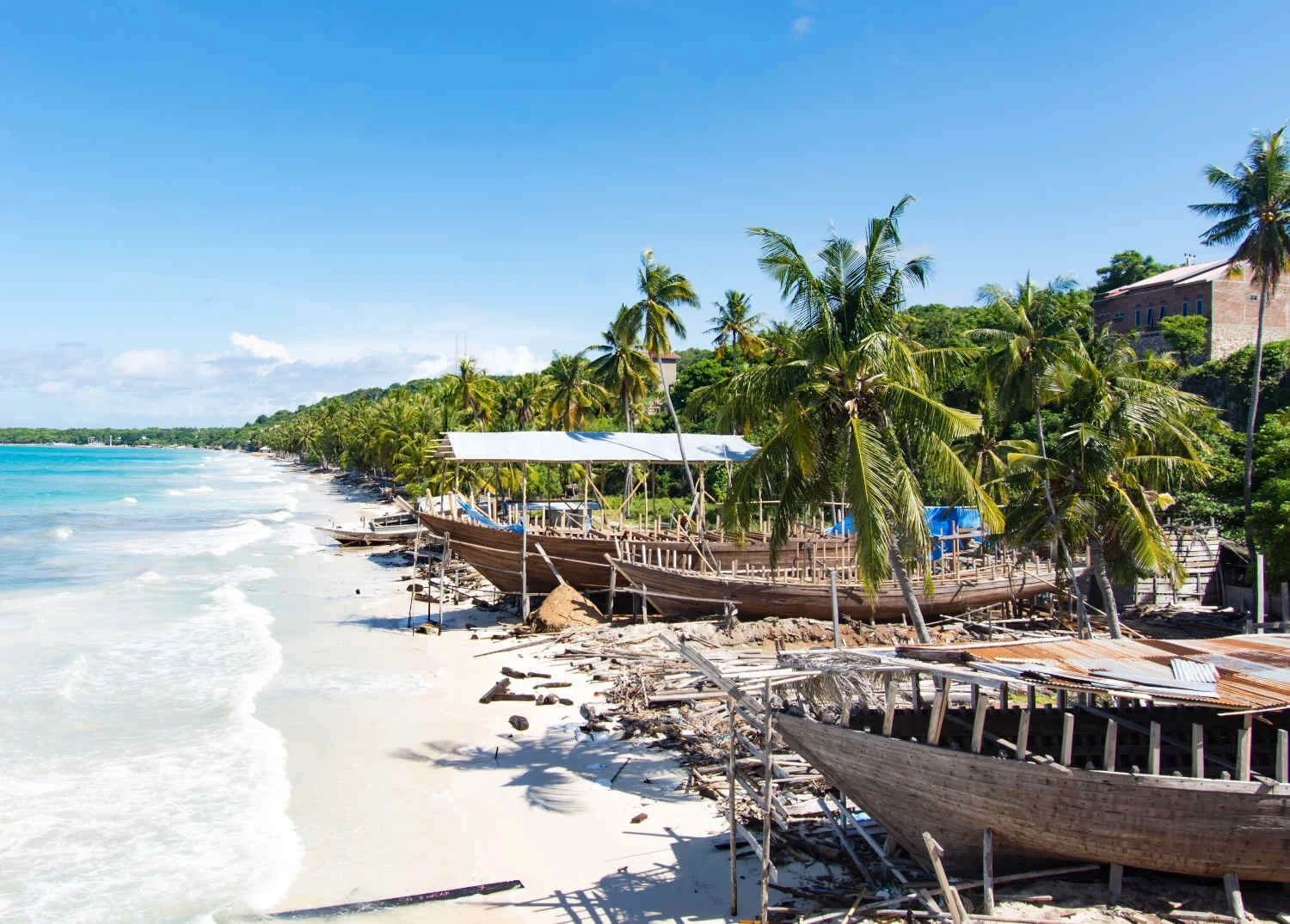
Southeast Sulawesi, from Kendari out to Buton and Wakatobi, sees far fewer travellers than the south and north of the island. Outside the Wakatobi resort trips, almost nobody explores it. This 14-day route covers the history of the Buton Sultanate, the volcanic island of Wawonii, long ferry crossings between islands, and Wakatobi through local homestays instead of a resort.
The route suits travellers who already know the classic Sulawesi loop through the south and north and now want a quieter region with little written about it.
How the route works
Fly into Kendari, the capital of Southeast Sulawesi. From there, move east and south through the islands by ferry and short flights. Leave from Wakatobi, flying back via Makassar, or continue on from Buton.
Main stops:
- Kendari: the provincial capital and your arrival point.
- Wawonii: a volcanic island off the Kendari coast.
- Bau-Bau, on Buton: seat of the former Sultanate of Buton.
- Wakatobi: Hoga and Tomia, visited the local way.
- Banggai Archipelago: an optional, longer extension further east.
Day-by-day plan
Days 1 and 2: Kendari
- Fly in from Makassar.
- On the morning of Day 2, go to the fish market at first light.
- In the evening, eat sinonggi, the sago dish of the Tolaki people, at a Tolaki restaurant.
Days 3 to 5: Wawonii Island
- Take the ferry from Kendari, about 3 hours.
- Stay two nights in a small local guesthouse.
- Walk, swim and climb the low volcanic hills.
- Expect calm days and hardly any other visitors.
Days 6 and 7: Bau-Bau
- Take the overnight ferry from Kendari, about 10 hours.
- Spend two nights in Bau-Bau.
- Visit the old Sultanate fort and the Liwuto Pasi fort museum.
- See some of the best-kept early Islamic buildings in eastern Indonesia.
Days 8 and 9: Buton to Wakatobi
- Day 8: reach Wangi-Wangi from Bau-Bau by plane or ferry.
- Day 9: get to know Wangi-Wangi. Then board the public ferry for Kaledupa and Hoga, where you stay next.
Days 10 to 12: Hoga
- Stay three nights in a homestay on Hoga.
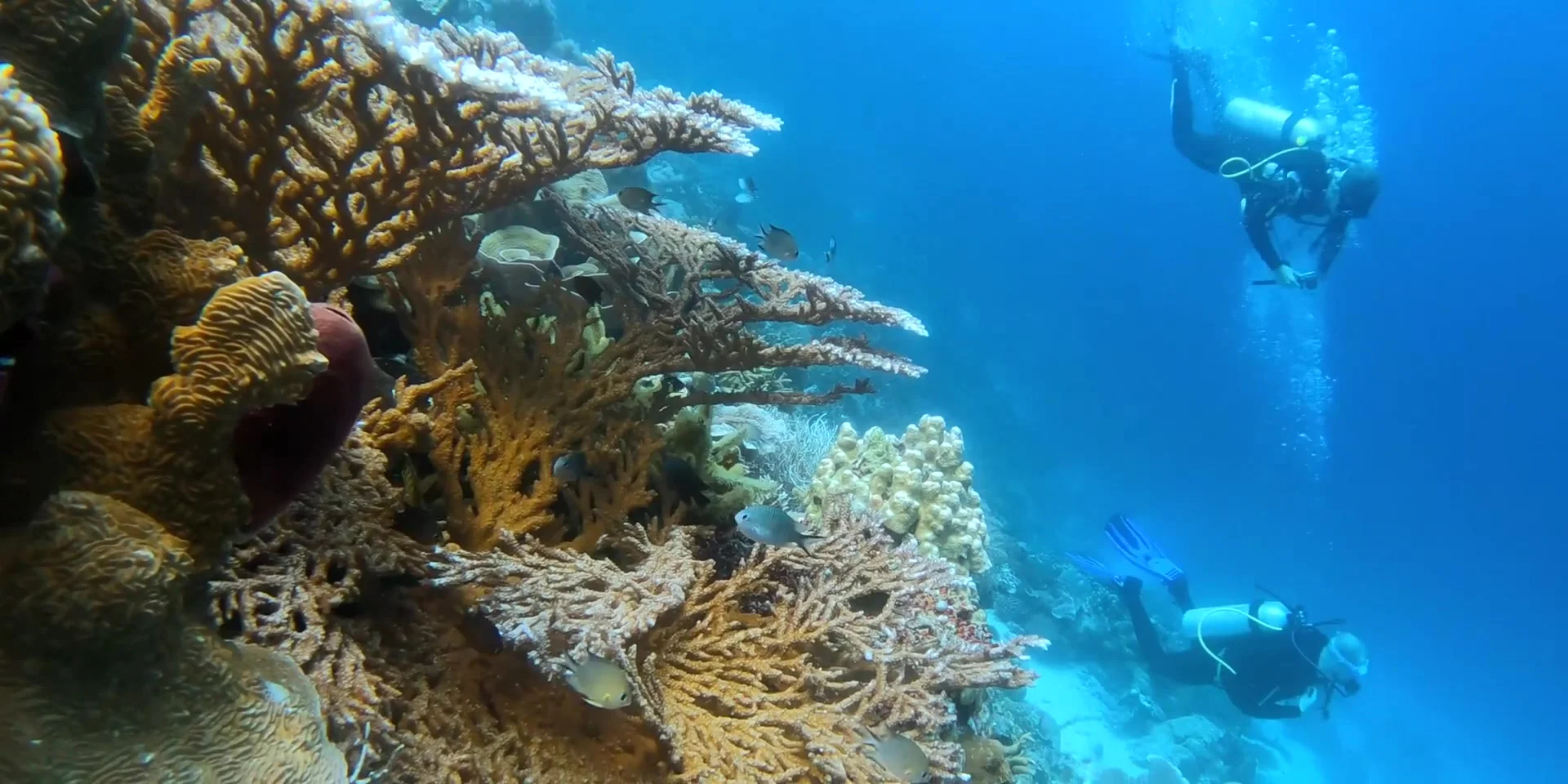
- Dive or snorkel straight from the homestay.
- Visit the Bajau village of Sampela.
Day 13: Hoga to Tomia
- The ferry takes about 90 minutes.
- Dive with an independent operator at Roma or Cornucopia.
Day 14: Tomia and home
- Take the ferry back to Wangi-Wangi.
- Fly from Wangi-Wangi to Makassar and connect onwards.
What the route leaves out
It skips the Wakatobi resort experience:
- the resort itself (you travel around it, not through it)
- the all-inclusive package
- the premium charter flight from Bali
It also skips the classic Sulawesi loop:
- the whole northern peninsula, which deserves its own trip
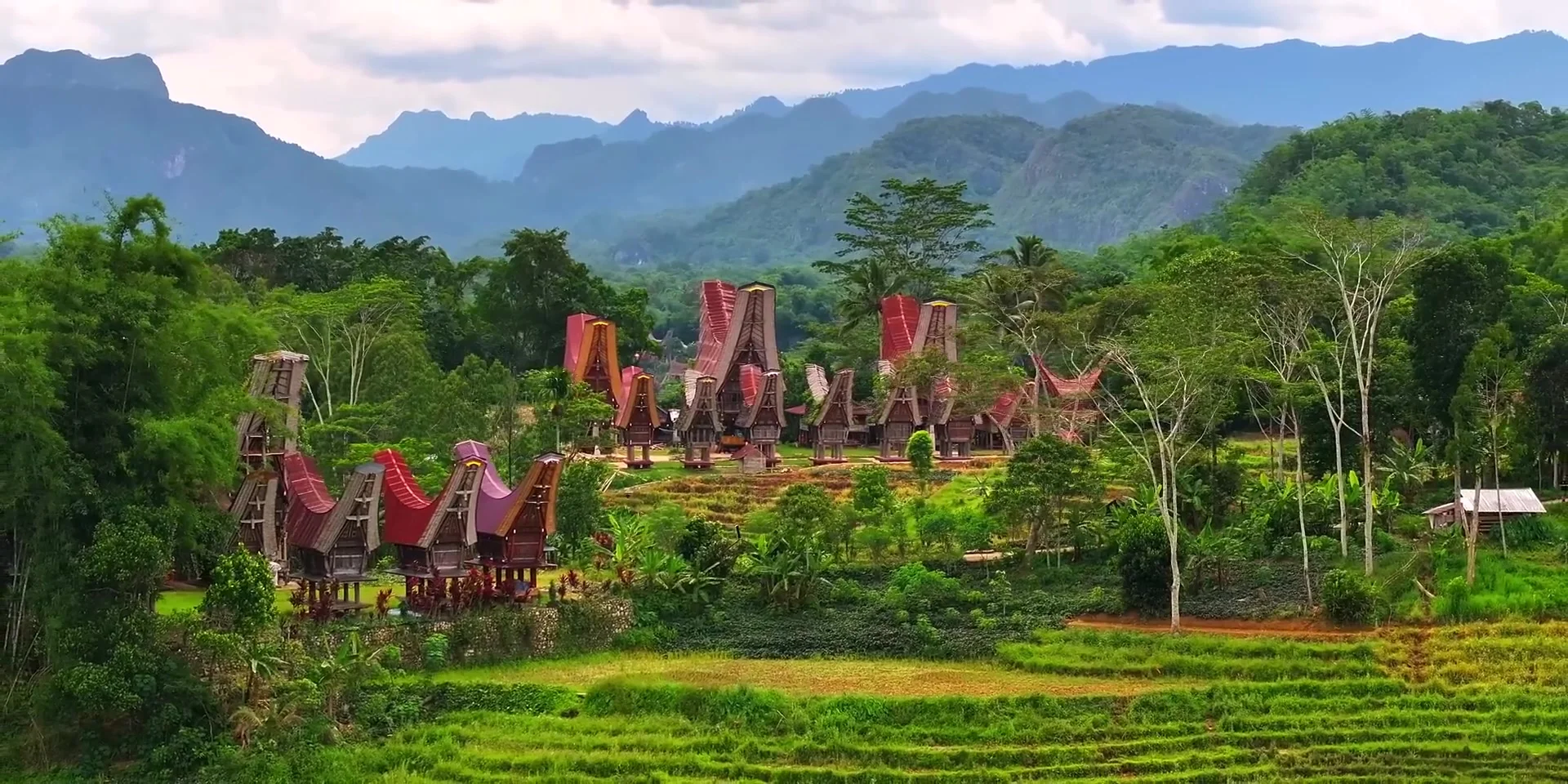
- Tana Toraja
- Makassar, apart from one night in transit
Four reasons to go
The Sultanate of Buton. From the fifteenth century onwards, Buton's sultans ruled this part of eastern Indonesia and traded widely by sea. The fort at Bau-Bau and the sites around it hold an Islamic history of the region that very few foreign visitors ever see.
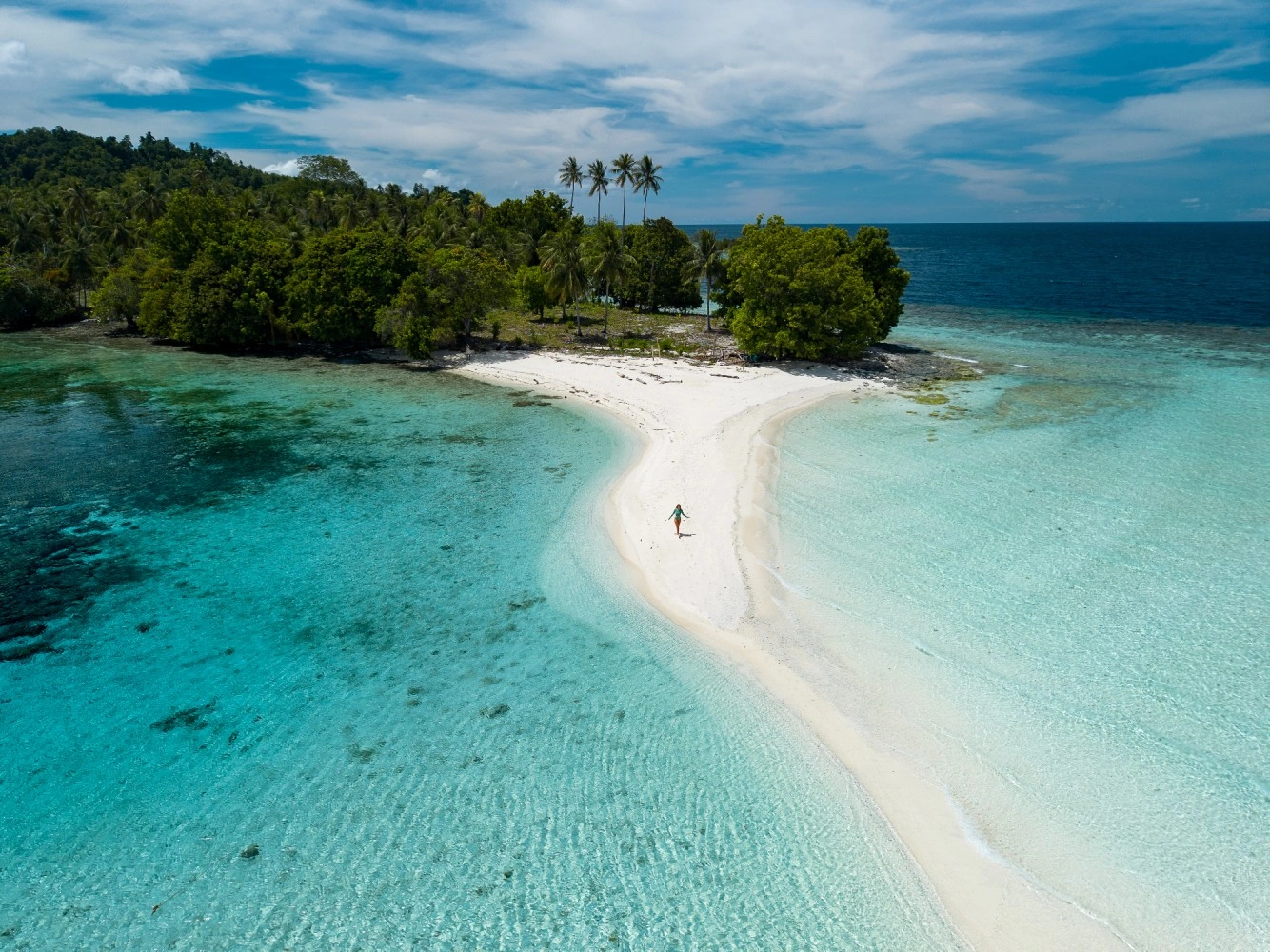
Wawonii. The island is volcanic, covered in forest and lightly populated. It shows an everyday Indonesian island life that the busy tourist islands have lost.
Wakatobi without the resort. You dive the same reefs as resort guests for a small part of the price. You also spend far more time with Bajau and other Wakatobi communities.
Travel by ferry. The route uses 4 or 5 ferry crossings of different lengths. Slow inter-island shipping is part of the experience here, not a problem to avoid.
Where to sleep
Rates below are approximate, per night, and date from when this guide was written.
| Place | Type | Rate |
|---|---|---|
| Kendari | Swiss-Belhotel or Plaza Inn | €24 to €43 |
| Wawonii | Simple homestays | €10 to €17 |
| Bau-Bau | Small hotels | €17 to €24 |
| Wangi-Wangi | Mid-range hotels | €19 to €29 |
| Hoga and Tomia | Homestays with meals | €19 to €29 |
For most of the trip there is no resort option.
Budget for one traveller
These figures are for 14 days at mid-range level. They date from when the guide was written and will change.
| Item | Cost |
|---|---|
| Accommodation | €285 to €380 |
| Food | €120 |
| Flights: Makassar to Kendari, Bau-Bau to Wakatobi, Wakatobi to Makassar | €215 |
| Ferries | €70 |
| Diving on Hoga and Tomia | €240 to €335 |
| Local transport and extras | €70 |
| Total, without international flights | €1,000 to €1,200 |
Best months
Travel between April and November. From December to March, the wet season brings rougher seas and less reliable ferries. The best months are May, June, September and October.
Who should go
A good fit for:
- people on their second or third trip to Sulawesi
- travellers happy with simple rooms
- divers who want Wakatobi reefs at a lower cost than a resort
- travellers interested in history, especially Buton's
- people who want everyday Indonesia after a polished Bali holiday
A poor fit for:
- first-time visitors to Sulawesi, who should start with the classic loop
- travellers who need high comfort
- anyone on a tight schedule, because ferries do not keep strict times
- non-divers, since diving shapes much of the route
Ferry tips
Ferries in this region work, but they are slow and their times change. Add spare days to your plan. Never book a flight that depends on a ferry arriving on time.
The overnight boat from Kendari to Bau-Bau is a memorable trip. Take a cabin if one is free. Deck class is basic, but it is fine if you are used to that kind of travel.
More time in Bau-Bau
If you can stay longer in Bau-Bau, add these:
- Liwuto Pasi fort. The Sultanate of Buton built it in the seventeenth century. It counts among the biggest stone forts in eastern Indonesia.
- The Sultan's palace. It keeps royal regalia and old manuscripts.
- Sarong workshops. Weavers make the striped cotton cloth typical of Buton.
- Wakaaka beach. A calm beach where Buton families spend their free time.
Four nights in Bau-Bau would not be too many.
Where to go next
Once you know this corner of Sulawesi, these regions follow naturally:
- Banggai Archipelago, reached from Wakatobi by a long ferry journey
- Sangihe and Talaud islands, north of Manado
- Maluku, the island groups east of Sulawesi
Travellers with a serious interest in eastern Indonesia can plan years of trips from this starting point.