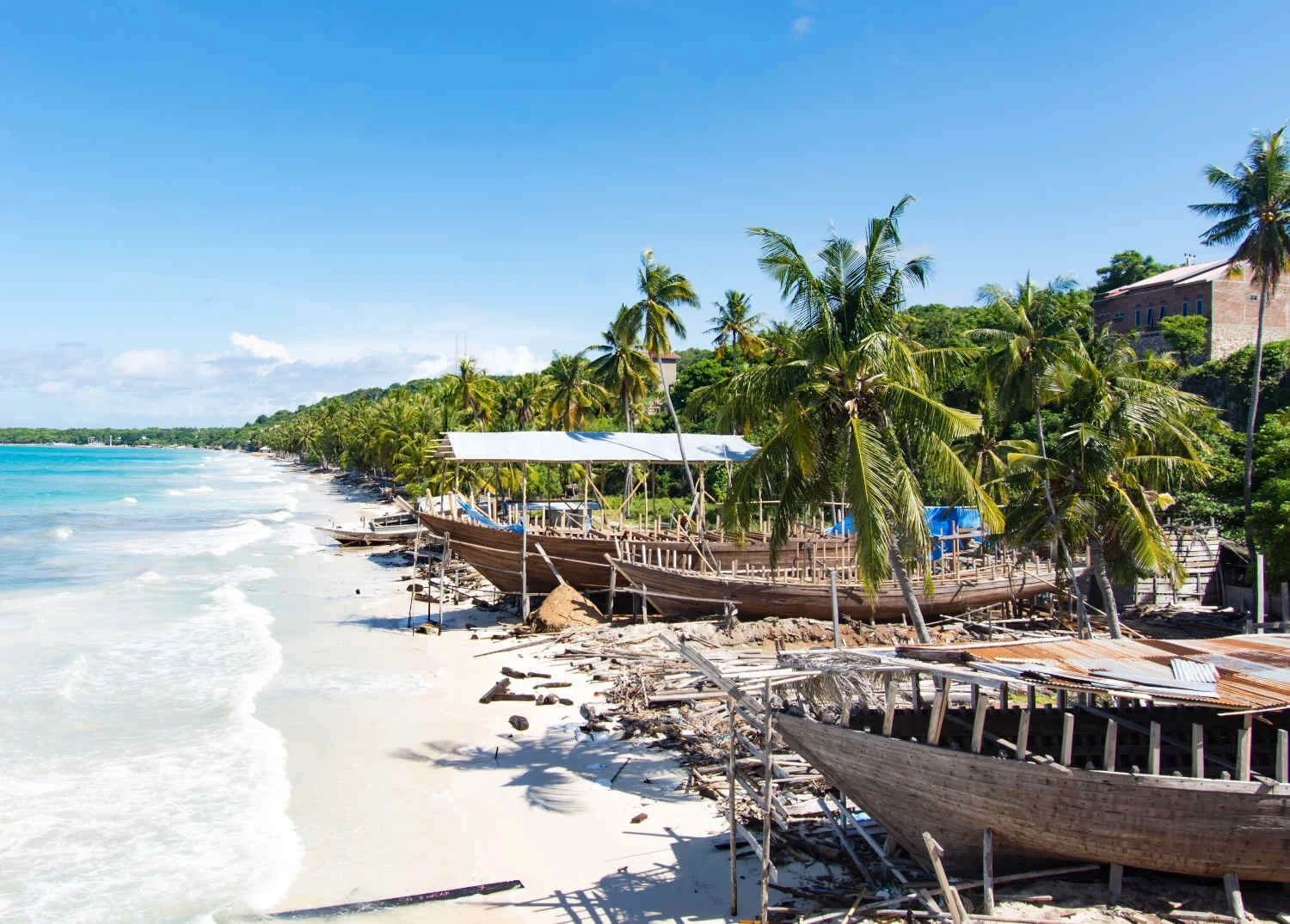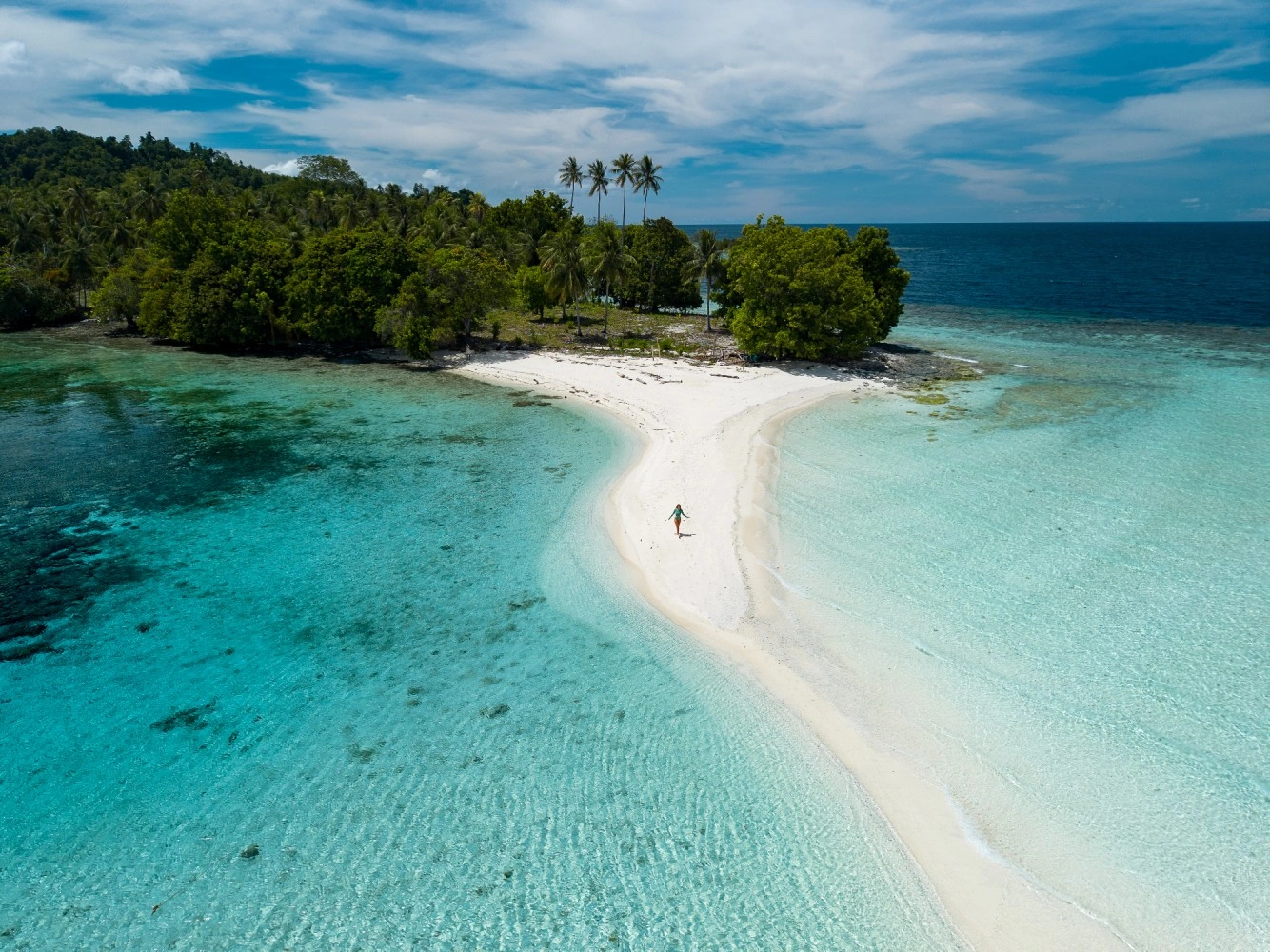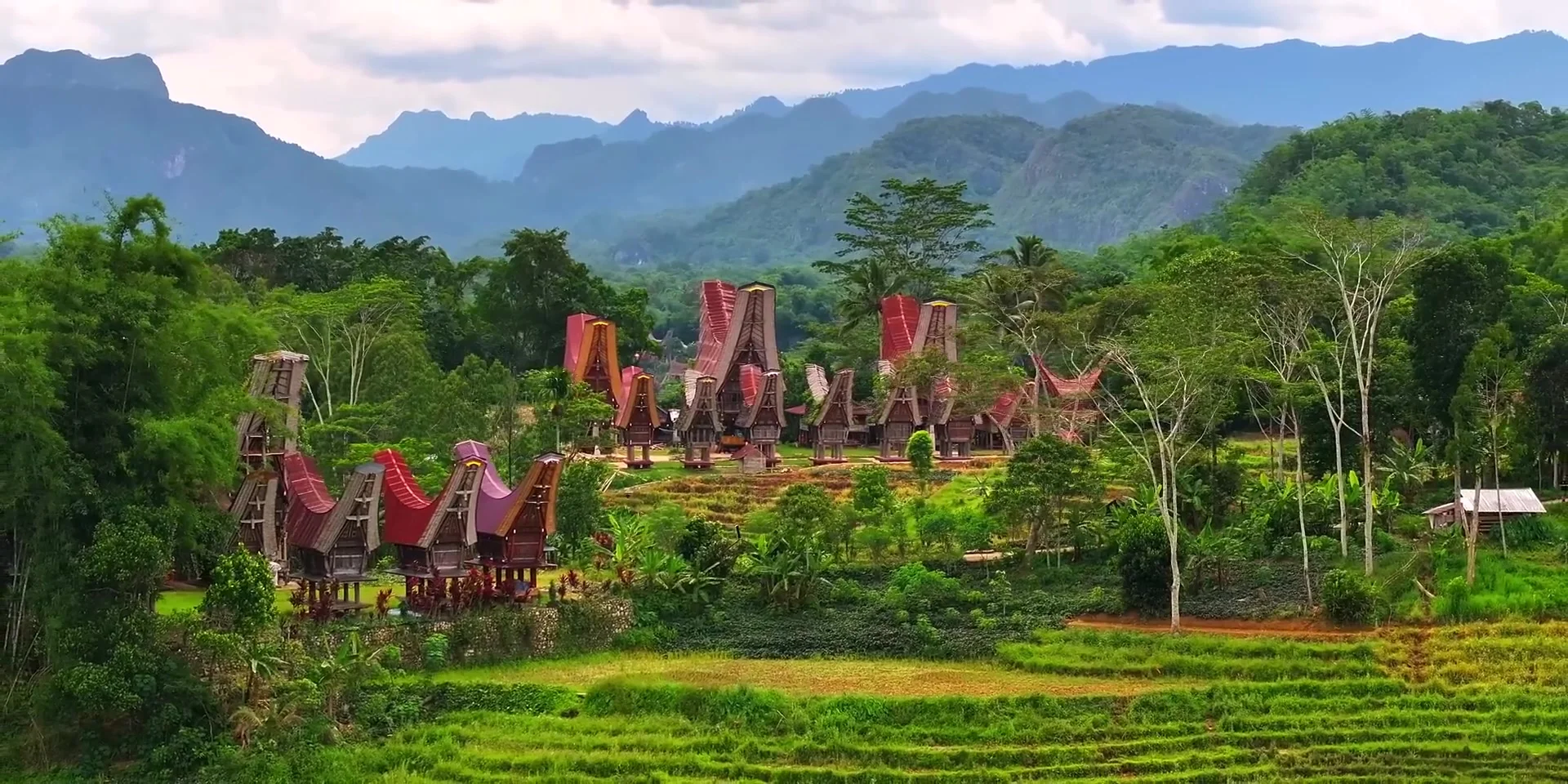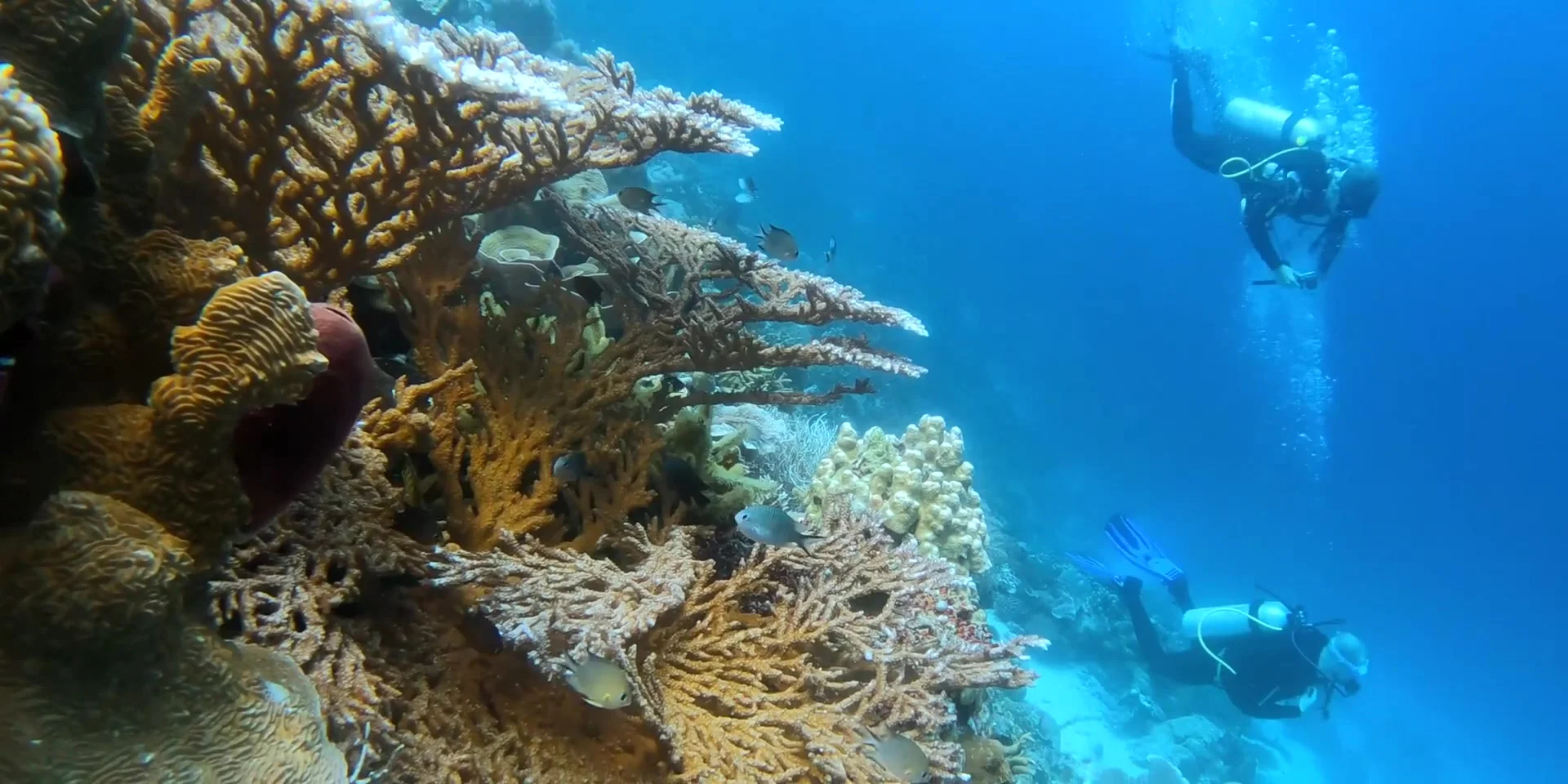
As the capital of Southeast Sulawesi, Kendari is the usual transit point for Wakatobi. One night is enough to break the journey and catch the morning flight. An extra night gives you three good things: the harbour fish market at sunrise, the evening walk along Teluk Kendari, and a bowl of sinonggi, the local sago porridge.
About 380,000 people live in Kendari. The city wraps around a long bay below a line of green hills. Nickel mining and fishing drive the economy, with a modest domestic tourism trade on the side. International travel writers rarely mention it. Most foreign visitors only change planes here, between Makassar and Wakatobi. Those who stay a day find a pleasant provincial capital with an excellent fish market.
Flights and boats
Kendari's airport is Haluoleo (KDI), 26 km west of the centre. Garuda, Lion Air and Wings Air fly in every day from:
- Makassar: about 75 minutes
- Surabaya: about 90 minutes
- Jakarta: about 2 hours 45 minutes
When this guide was written, one-way fares on these routes ran from about €33 to €71.
For Wakatobi, Wings Air flies daily to Wangi-Wangi in about 45 minutes. Fares at the time of writing were around €43 to €62. The plane is a small ATR-72, and seats sell out in high season. Book it together with your flight into Kendari.
Pelni passenger ships also stop in Kendari, including the KM Sangiang and the KM Tilongkabila. They run long loops around eastern Indonesia. They suit backpackers with plenty of time, but not most trips.
Four places to visit in one day
Pasar Ikan Pelabuhan, the harbour fish market. Boats land from 04:00. By 06:00 the floor holds tuna, mackerel, snapper, grouper and skipjack from the small local boats. At sunrise this is the best place in Kendari for photographs.
Pasar Sentral Mandonga, the central market. A busy, practical market that fills half a day well. Stalls sell spices, fresh fruit and ikat cloth from Buton.
Teluk Kendari, the bay. From about 17:00, families and food sellers fill the waterfront promenade. Try pisang epe, a flattened grilled banana, or grilled corn. Three bridges cross the bay, and the views to the west are best at sunset.
Masjid Al-Alam. This modern mosque stands on a small island in the bay. A 1.4 km causeway leads to it. For visitors who are not Muslim, the interest is the building and the walk out in the late afternoon.
Hotels
- Mid-range: two modern hotels, Swiss-Belhotel Kendari and Plaza Inn Kendari. Each has views of the city or the bay. Rooms cost about €29 to €48 when this guide was written.
- Budget: guesthouses on and near Jalan Diponegoro and Jalan A. Yani, at about €12 to €19 at the time of writing.
For a quiet night before the Wakatobi flight, stay at Swiss-Belhotel and ask the hotel to arrange your airport transfer.
Local food
Kendari cooking follows Buginese lines, with Bugis-Tolaki variations. Expect plenty of grilled fish and generous sambal. Kendari is overwhelmingly Muslim, so you will not find pork.
- Sinonggi: the staple of the Tolaki people. This sago porridge is sweet and jelly-like. People eat it with grilled fish and a clear broth (kuah). Try it at Sinonggi Bertha or at any Tolaki restaurant (rumah makan Tolaki).
- Karasi: a Tolaki sweet made from coconut and sago. Markets sell it.
- Ikan bakar: grilled fish. The warungs along the bay are good after dark.
Weather and seasons
May to October is the dry season. Kendari is hot all year, with typical highs of 31°C. From November to April, warm rain falls in the afternoons. Nothing shuts for the wet season. The dry months are simply more comfortable.
Where to go next
Wakatobi, by air, is the next stop for most people. Other routes:
- Bau-Bau on Buton Island: two hours by ferry from Kendari. Bau-Bau was the seat of the old Sultanate of Buton.
- Kolaka and the overland loop: take the ferry from Kolaka across to Bone, then follow the Trans-Sulawesi road to Makassar.
- Banggai Islands: a long Pelni sea route with few departures.
Kendari makes little effort to promote itself. Most travellers who give it a full day are pleased they did.