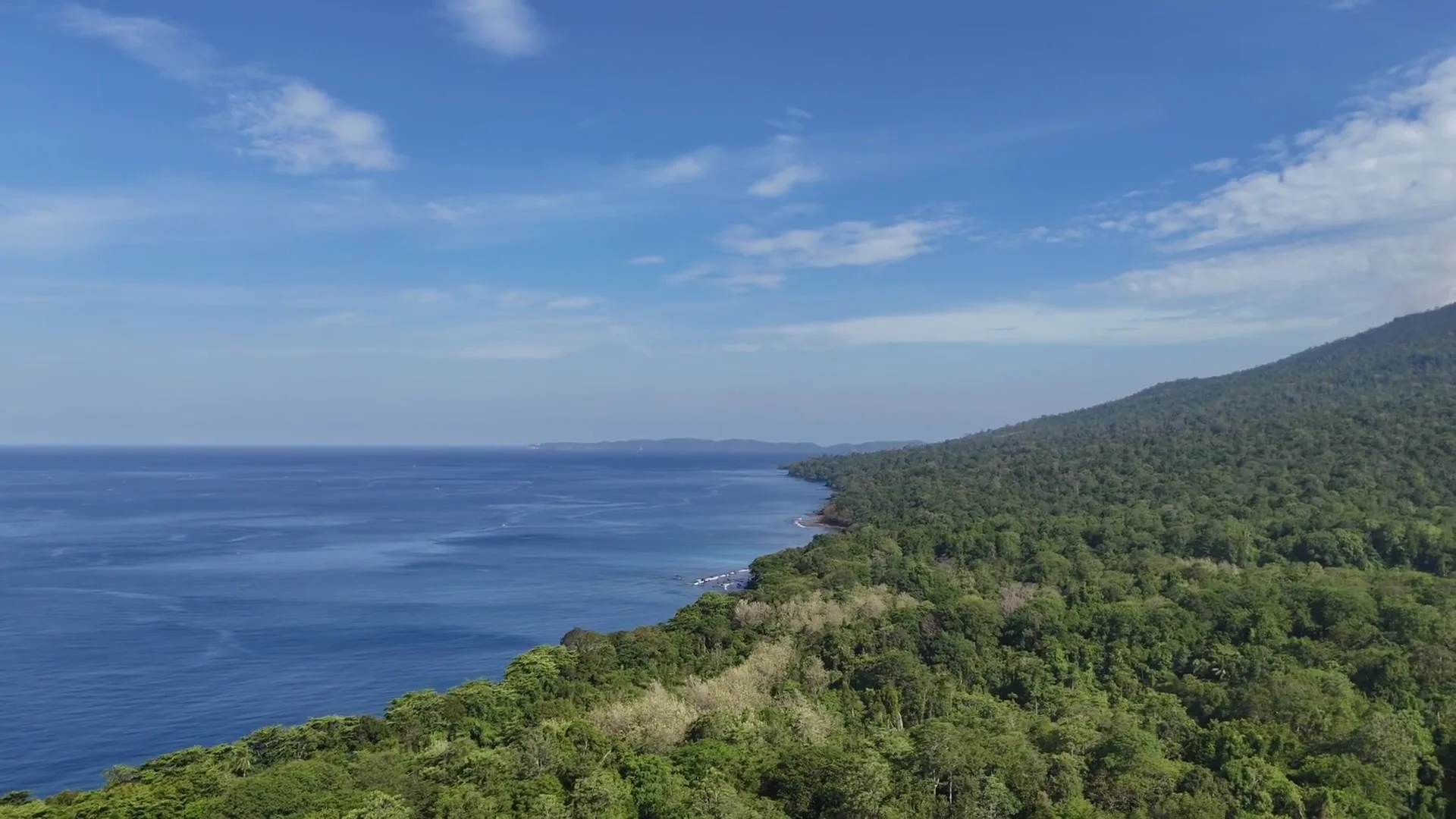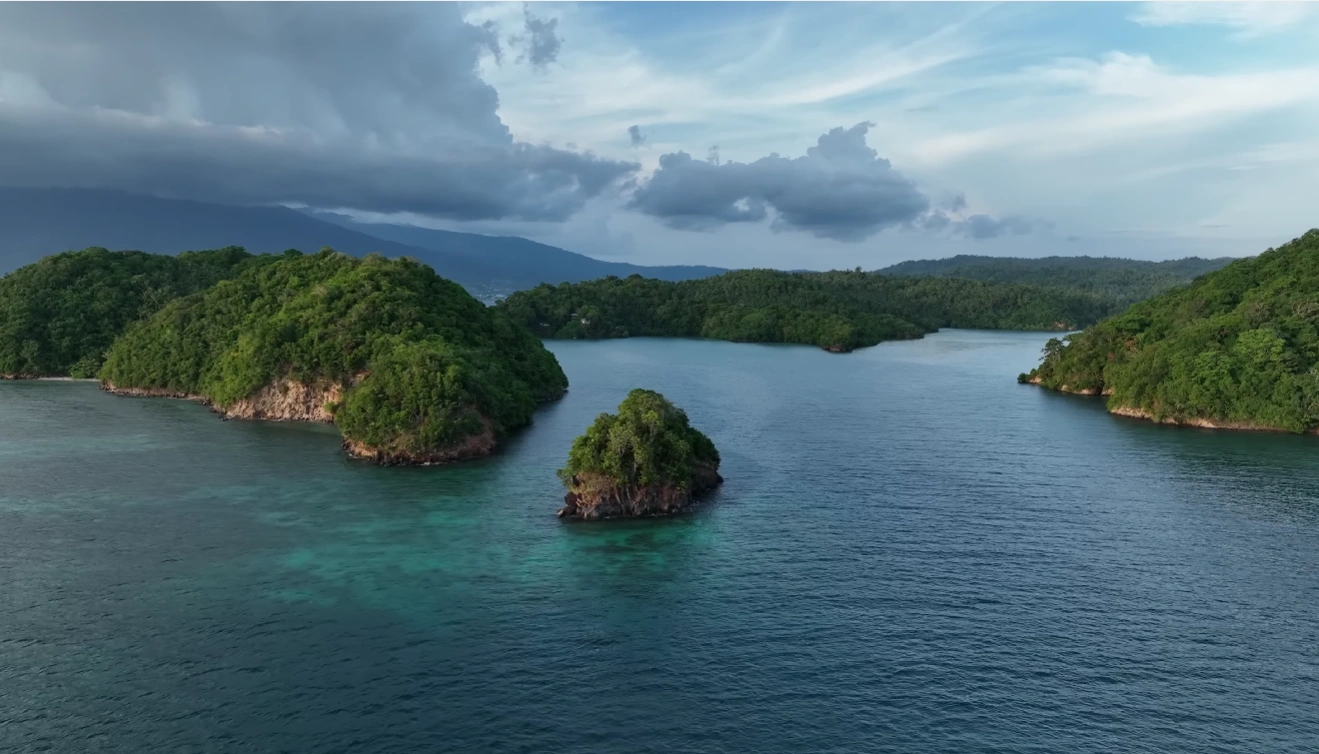
Lembeh Strait in North Sulawesi is the best-known muck-diving area in the world. The strait is 8 km of water between the mainland and Lembeh Island. Cargo ships from around the world pass through it. Its western shore has black volcanic sand, and that sand is the attraction. Macro photographers have travelled here to find small, strange, hidden animals for about 25 years.
This guide explains muck diving, lists the key species and sites, and compares Lembeh with Bunaken.
Muck diving in one paragraph
Muck diving means searching bare slopes of black sand for small animals that hide well. At Lembeh the slopes lie between 5 and 25 metres. You will find no big coral walls and few large open-water fish. You will find a very high density of small, camouflaged fish and invertebrates. They blend into the sand or shelter in scattered debris: a coconut husk, an old rope, a single piece of coral.
Divers who love this style are often not the same people who love reef diving. It asks for different skills. On a 60-minute dive you may move only 50 metres. You spend the time looking. A good guide decides whether you see two notable species or twelve.
Species divers come to find
| Animal | Scientific name | What to know |
|---|---|---|
| Mimic octopus | Thaumoctopus mimicus | Copies other animals, such as lionfish, flatfish and sea snakes, to stay safe. Rare. Many divers need several trips to see one. |
| Wonderpus | Wunderpus photogenicus | Smaller than the mimic, with bolder markings. Also rare and much sought after. |
| Hairy frogfish | Antennarius striatus | Shaggy, walks on its fins and waits for prey. The classic Lembeh photograph. |
| Blue-ringed octopus | Hapalochlaena lunulata | Small and venomous. Its rings flash bright blue when it feels threatened. Fairly dependable at the right sites. |
| Mandarin fish | Synchiropus splendidus | Seen at dawn and dusk at certain sites. Known for spawning at sunset. |
| Flamboyant cuttlefish | Metasepia pfefferi | Walks on the bottom and flashes shimmering colours. Common here. |
| Pygmy seahorses | Hippocampus bargibanti and others | Live on gorgonian sea fans, usually in deeper water. |
| Algae octopus | Abdopus aculeatus | Lives in the intertidal zone and walks across the surface of the shallows. |
| Cardinalfish with eggs | several species | Common and easy to photograph. |
Over one week, a keen macro diver usually aims to log 30 to 50 named species.
Dive sites
The strait has about 60 named sites. These stand out:
- Hairball II, Hairball III, TK 1 and TK 2. Classic critter sites on the mainland (western) shore. Gentle black-sand slopes full of small life.
- Aer Bajo and Goby a Crab. Known for particular animals, such as gobies that share burrows with snapping shrimp, and frogfish.
- Nudi Falls and California Dreaming. These have more shape to them, with small coral heads, so the diving feels different.
- Mandarin Sunset. A dive timed for the mandarin fish spawning. Nearly every resort runs it between 17:00 and 18:00 on most evenings.
For a full Lembeh experience, plan three to four dives a day for five to seven days.
How long to stay
- Minimum: 5 nights and 12 to 15 dives.
- Typical for keen divers: 7 to 10 nights.
Few Indonesian dive areas reward a third week. At Lembeh, extra days still bring new species to your log.
Dive resorts
Almost all accommodation here is a dive resort.
- Lembeh Resort: the long-established high-end choice on Lembeh Island. Its house reef is strong and its standards are high.
- NAD Lembeh: a mid-range resort with a strong name among serious macro photographers.
- Two Fish Divers Lembeh: a relaxed mid-range resort.
- Bastianos Lembeh: mid-range, focused on diving, open for many years.
- Eco Divers Lembeh: high-end and modern.
Most resorts sell all-inclusive packages: room, all meals and three or four dives a day. When this guide was written, these cost about €70 to €190 per night.
A few village homestays exist, but dive support from them is far weaker. Divers on a tight budget do better at Bunaken.
Best time to dive
You can dive Lembeh in any month. The strait is sheltered, so conditions change little through the year.
- Best visibility and calmest surface: March to June, and September to November.
- July and August: rougher water at times, and stronger currents at some sites.
The animals live here all year, so macro photography is good in every season.
Lembeh or Bunaken?
Both are in North Sulawesi. They offer very different diving.
| Bunaken | Lembeh | |
|---|---|---|
| Style | Coral reefs and walls | Muck diving on black sand |
| Main draw | Big views and larger fish | Small critters |
| Difficulty | Easier buoyancy | Harder buoyancy and closer observation |
| Best for | Reef and open-water fans | Macro and photography fans |
A common 10-day plan in Indonesia combines them: 4 nights at Bunaken, 4 nights at Lembeh, and 2 days for transfers and delays. If you can only choose one, choose by the kind of diver you are.
Getting to Lembeh from Manado
Resort transfer: your resort collects you at Sam Ratulangi airport in Manado. You drive 90 minutes to Bitung, then cross the strait in about 15 minutes by boat. The whole trip takes around 2 hours. When this guide was written, a resort transfer cost about €29 to €38.
On your own: take a public mikrolet from Manado to Bitung, then the public ferry to Lembeh village. This cost under €5 at the time of writing. The saving is small compared with the price of a dive package.