Palu is safe to visit. The city has rebuilt its airport, its hotels and its core services since the 2018 earthquake. The worst-hit districts, Petobo and Balaroa, are now open memorial ground, not new housing. Most visitors spend one or two nights in Palu. They see the Tugu Nosarara memorial and a market, then continue to the Togean Islands or to Lore Lindu National Park.
What happened in 2018
On 28 September 2018, a magnitude 7.5 earthquake struck Donggala, 80 km north of Palu. The ground under whole districts turned to liquid. A tsunami then sent waves five metres high across Palu Bay. The disaster killed more than 4,300 people. Two suburbs in the south of the city, Petobo and Balaroa, disappeared completely.
Nearly ten years on, Palu is a mix. Some areas are fully rebuilt. Others are still empty, with memorials where streets once ran.
Arriving in Palu
By air
The airport is Palu Mutiara SIS Al-Jufri (PLW). Garuda and Wings Air fly in every day.
| From | Flight time |
|---|---|
| Balikpapan | 60 min |
| Makassar | 90 min |
| Jakarta | 2 hr 40 min, some flights via Makassar |
One-way fares were €43 to €86 at the time of writing.
By road
Buses from Manado follow the Trans-Sulawesi highway and take 18 hours. Choose this only if you want the road journey itself. From Poso, the drive takes four hours.
In the city
Grab and Gojek both work in Palu, but few drivers are available. At the time of writing, a car with a driver cost about €29 a day. An ojek (motorbike taxi) for a short ride cost €1 to €2.
Sights in and around Palu
Tugu Nosarara Earthquake Memorial
The memorial stands at Talise, on the western side of the bay. It has a small monument and a viewing platform. From there you look over the water to where the tsunami came ashore. Entry is free. Start here to understand the disaster.
Petobo and Balaroa
These were the southern districts lost to liquefaction. The land remains open, and markers show where homes once stood. Go with a local guide, who can explain what you see. A half-day guide cost about €10 at the time of writing. This is a place of grief. Walk it with respect, as you would a cemetery.
Pasar Manonda
The central market is rebuilt and busy again. Buy spices here, or kopi Toraja from the wholesale stalls. It is also a good place for lunch.
Donggala and Tanjung Karang
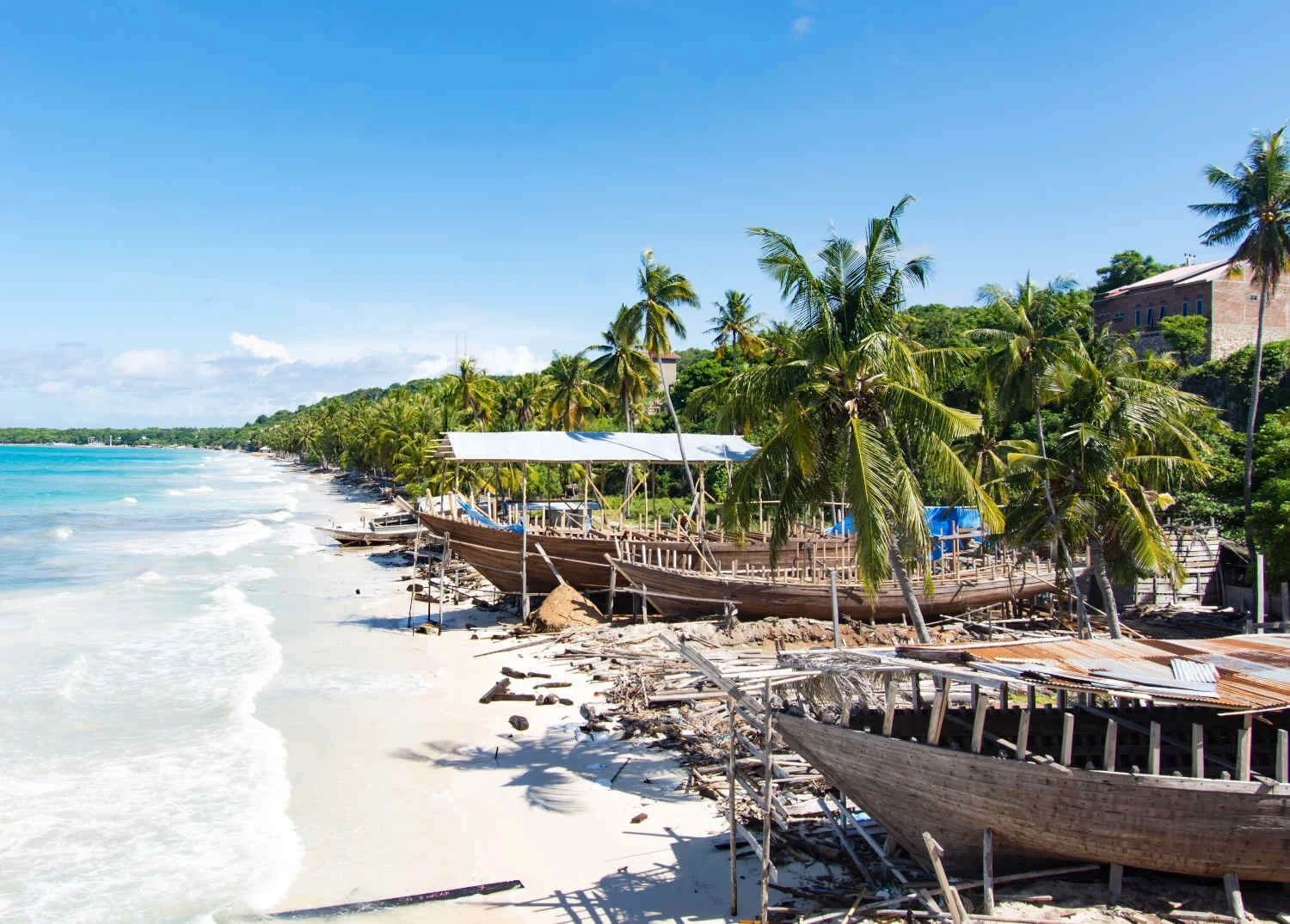
An hour's drive north, these beaches have white sand and clear water. They suit a calm half day. The tsunami damaged the fringing reefs. You can still snorkel, but the reef is ordinary.
Hotels
Rates below were correct at the time of writing.
- Mid-range, on the bay. Swiss-Belhotel Silae and Best Western Plus Coco Palu. Both hotels are modern. €33 to €57.
- Budget, in the centre. Guesthouses near Jalan Imam Bonjol and Jalan Hasanuddin. €12 to €19.
- Beach stays at Donggala. A few small resorts north of Palu suit anyone who prefers the coast. €29 to €71.
Weather and timing
You can visit Palu in any month. The dry season, from May to October, is the most comfortable. The wet season brings warm rain, but the city centre does not flood. Cyclones are rare.
On 28 September, the anniversary of the earthquake, the city is quiet. Families who return to remember, and journalists, fill the hotels.
Where to go next
For most visitors, Palu is a starting point for the rest of Central Sulawesi.
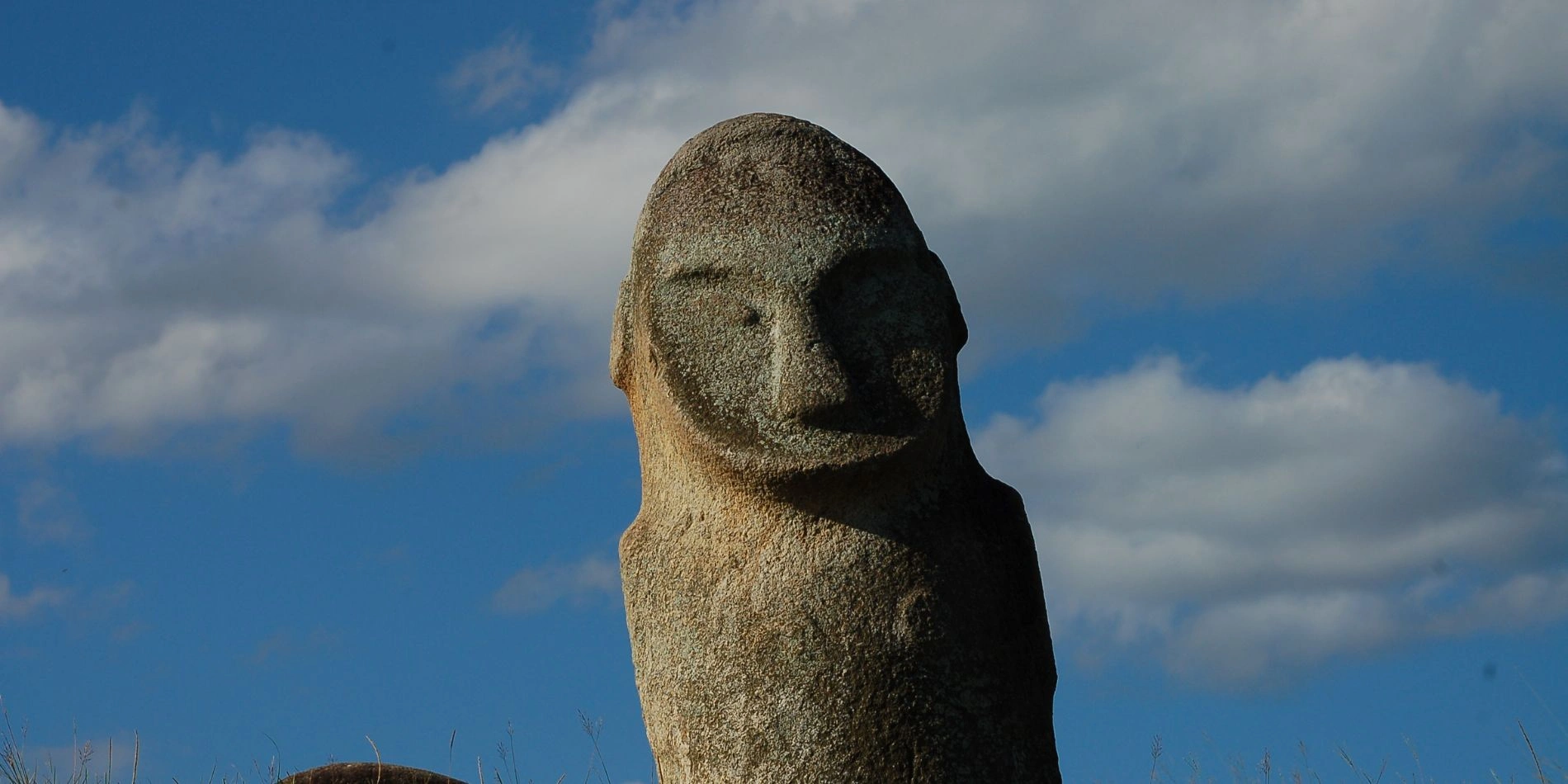
- Lore Lindu National Park. The park lies 60 km south. It holds the Bada Valley megaliths. Its birdwatching ranks among the finest in Sulawesi. Plan two to four days.
- Donggala. A calmer base on the coast for the same inland areas.
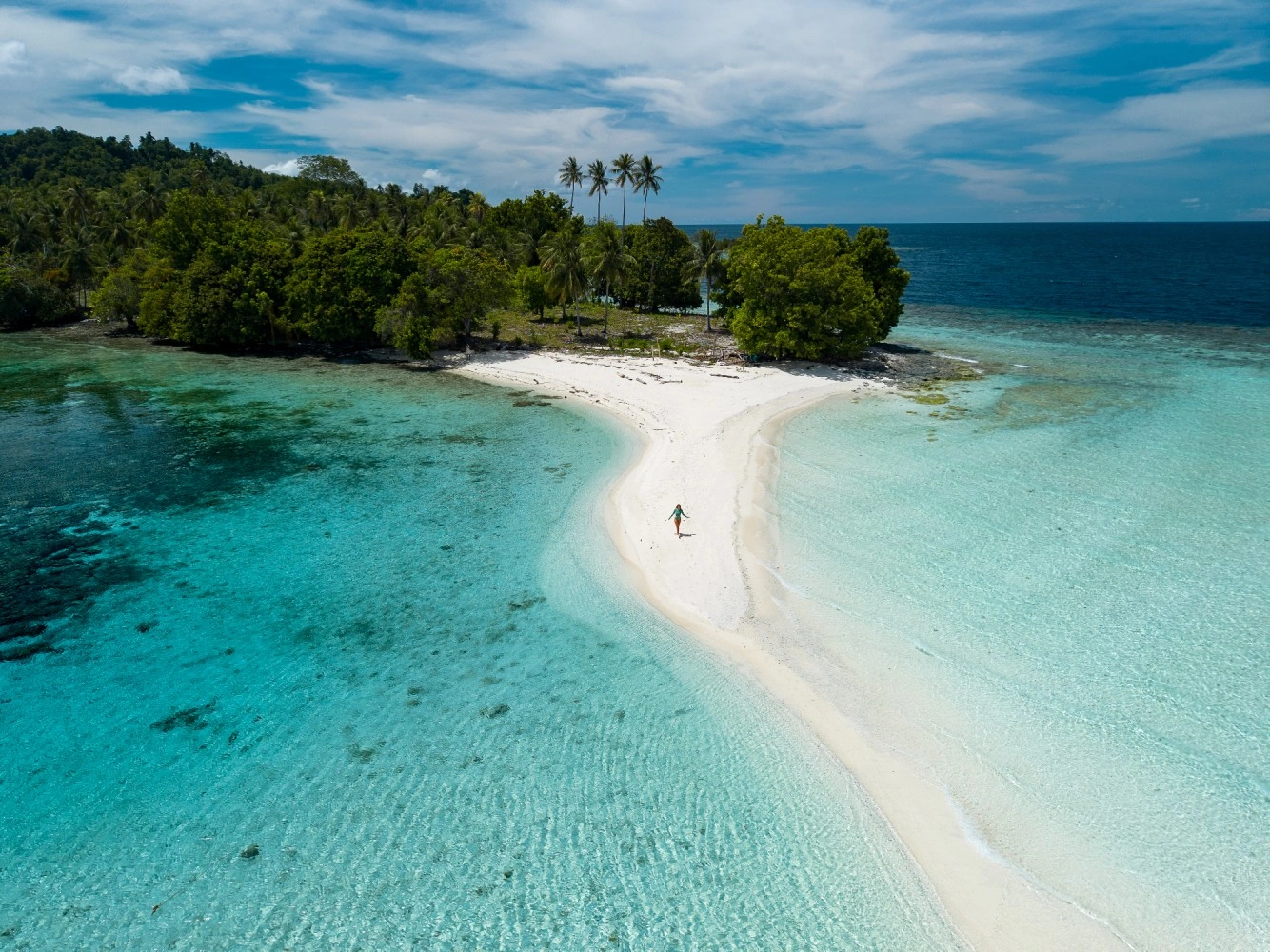
- Poso and the Togean Islands. Drive six hours east to Tentena. Continue to Ampana for the ferry to the Togeans.
How to see Palu well
Give Palu one night, a morning at the market and a guided walk past the memorial sites. Palu is not a tourist destination in the usual way. It is a working city that is still recovering. Visitors who come with that in mind find a warm welcome.