Sulawesi is broadly safe for women travelling alone, by international standards and by Indonesian ones. Violent crime against visitors is rare. Harassment does happen, mostly in words, and at a moderate level. The main route, through Makassar, Tana Toraja, Bira, Bunaken and Wakatobi, has well-established tourist services. Most women who travel the island alone finish their trip with no serious problem.
The island is not uniform. Most people in the south are Muslim, and the culture there is conservative but polite. Most people in the north are Christian, and men and women mix more freely in public. Dive areas such as Bunaken and Wakatobi have hosted lone travellers for many years.
This guide covers attention and how to handle it, the easiest and harder areas, clothing, safety habits, places to stay, health supplies and useful phrases. It reflects the view of a foreign woman travelling alone. An Indonesian woman travelling alone may have a different experience.
Attention you can expect in Sulawesi
Harassment in Sulawesi is moderate compared with the rest of Asia. It happens more in cities than in the countryside, and it is mostly verbal, not physical. Local social norms differ from Western ones, and three patterns come up again and again.
Curiosity that lasts
Foreign women draw attention in markets, at bus and boat terminals and in tourist spots. White and East Asian women draw the most. Most of it is curiosity. People ask for a photo, ask if you are married, or keep a friendly chat going longer than you planned. Now and then it turns into pushiness that feels uncomfortable.
"Sudah menikah?"
Indonesians often ask "Sudah menikah?" ("Are you married?"). It is ordinary small talk, and it is not usually a chat-up line.
- Answer "Sudah" ("Yes") and the subject usually ends.
- Answer "Belum" ("Not yet") and more questions often follow.
Many women find it easiest to mention a husband or fiancé at home, real or not.
Touts in tourist spots
At Pantai Losari in Makassar and on the waterfront of Bunaken village, some touts focus on foreign women. A polite, firm "no" is usually enough.
Easiest places in Sulawesi for women travelling alone
- Tana Toraja. Social norms here are more relaxed than in the Muslim Bugis south. Tourist services are well developed. Many women who travel alone name Toraja as the best stop of their trip. Female guides exist: ask for one when you book.
- Manado and North Sulawesi. The city mixes religions, and men and women share public space. The mostly Christian culture sits closer to Western norms.
- Wakatobi resorts. The setting is international, many guests travel alone, and there are no particular concerns.
- Bunaken village homestays. Families run most of them, and they have hosted women travelling alone for years. Lorenso's and Daniel's have a strong reputation with them.
Places in Sulawesi to take more care
- Pantai Losari after 22:00. The bay front in Makassar is fine until about 22:00. After that the food stalls close, the crowd thins and the area feels less safe. Head back before then, or book a Grab.
- Outlying Bugis villages where you know nobody. Mandar and Bugis fishing villages are friendly in daylight. After dark they are harder to manage alone. Book a bed in advance, and do not turn up in a village you do not know in the evening.
- Long road journeys. You can take a night bus to Toraja, but expect some attention. Ask for an upper-deck seat, which gives more privacy, and dress conservatively.
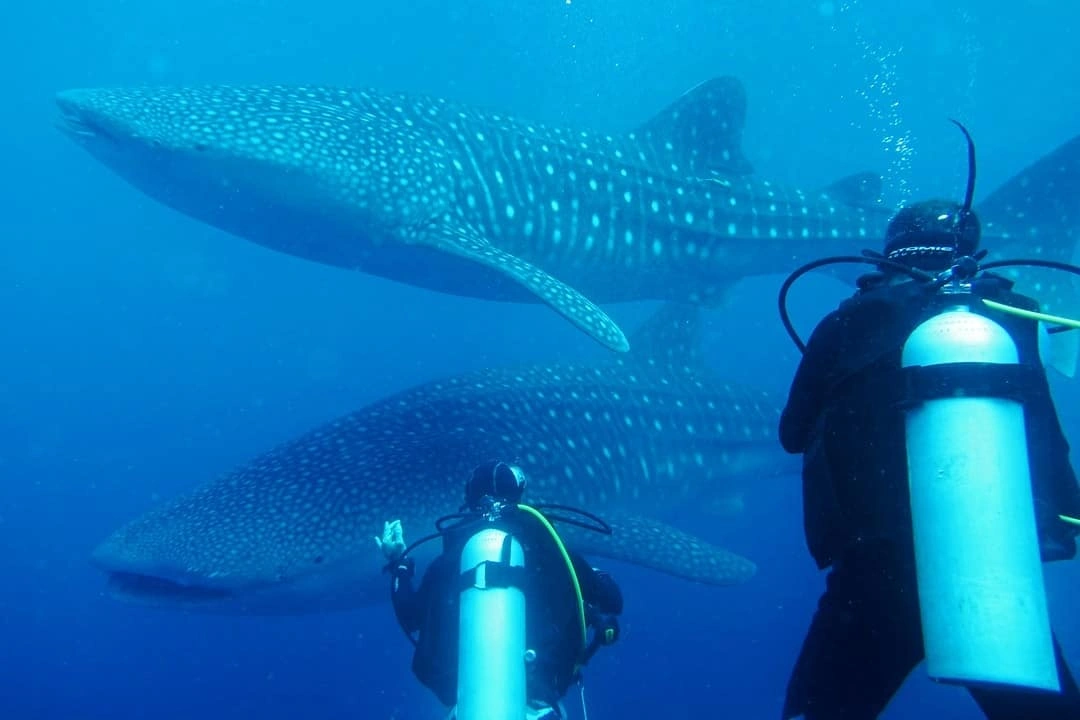
- Dive trips with only men. Some small operators run casual trips where almost everyone is male. If that bothers you, ask who else is booked. The big resorts on Bunaken and Wakatobi have mixed groups.
What to wear in Sulawesi
By Western standards, Indonesia dresses modestly. Match your clothes to the setting.
| Setting | What to wear |
|---|---|
| Makassar and Manado | Normal casual Western clothes, such as modest dresses, T-shirts and long shorts. Bare shoulders and short hemlines attract looks but cause no trouble in tourist areas. |
| Villages and the countryside | Cover shoulders and knees, and ideally your hips. Wear light trousers or skirts below the knee with a T-shirt. Keep a scarf handy. |
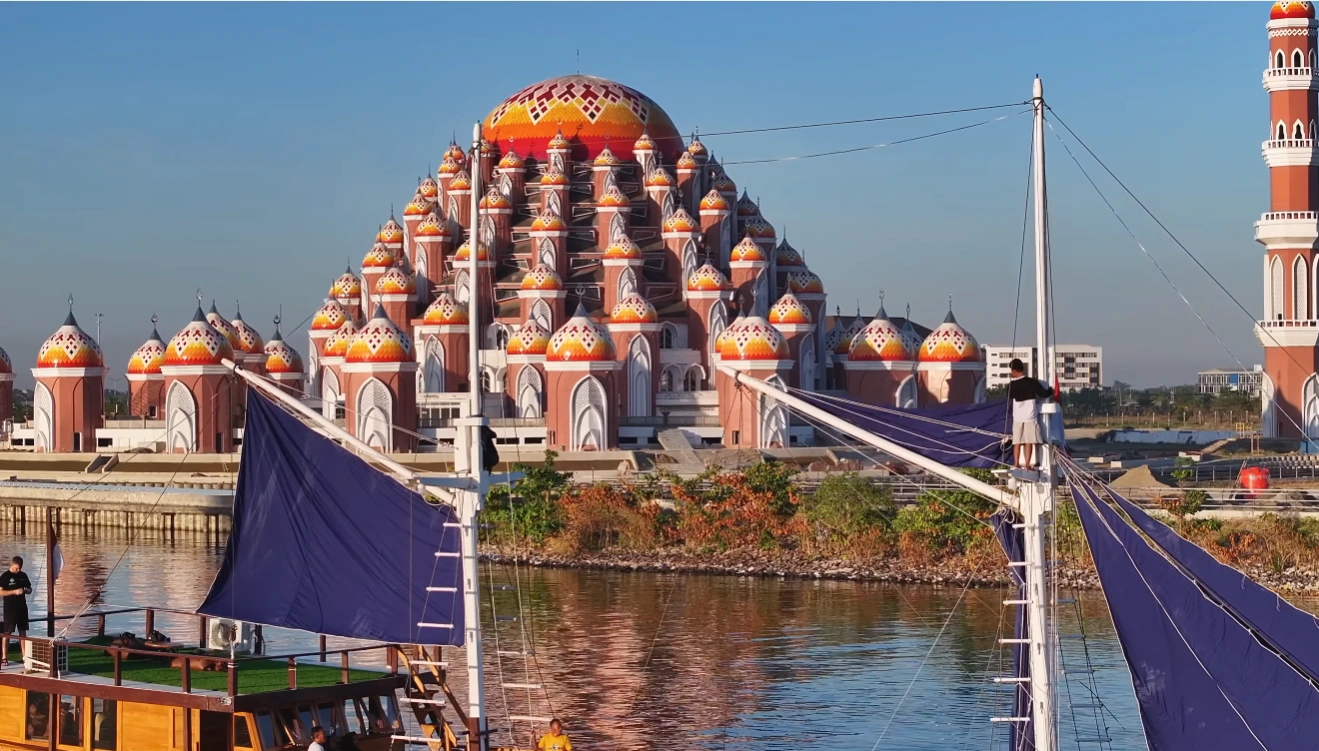
| Mosques and Muslim ceremonies | You must cover your hair, so always carry a light scarf. |
| Toraja funerals | Black or dark blue, a modest cut and covered shoulders. Leave bright colours at home. |
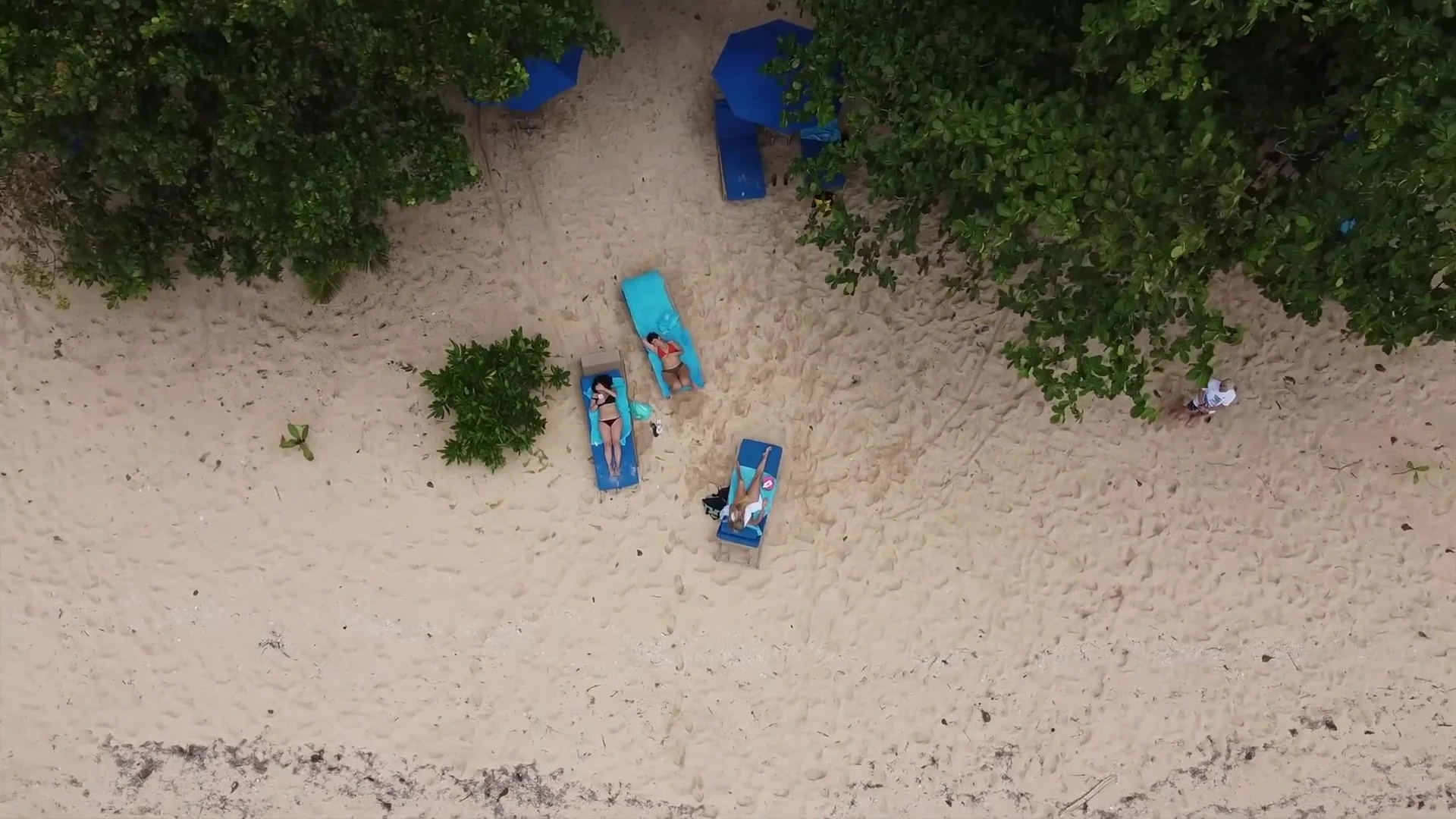
| Beaches and diving | Swimwear is fine on the beach itself. Cover up between your room and the sand. Most women dive in a wetsuit or rash guard. A bikini is possible but less common. |
| Hot springs and waterfalls | Indonesian women usually swim fully dressed, in shorts and a T-shirt. For visitors, a modest swimsuit with something to cover up works. |
Safety habits for women travelling alone
- Tell someone your plan. Send a short outline of your route to a person at home. Message them at each change of place.
- Carry your address in Indonesian. Keep your hotel's name and address written down for drivers and for emergencies.
- Use an app at night, not a street taxi. Grab and Gojek record the driver, the car and the route, so someone is accountable.
- Split your cash. Keep money for the day in one pocket and the rest somewhere else. Never open a thick wallet in public.
- Leave if it feels wrong. Most Indonesians avoid confrontation, so walking away firmly almost never makes things worse.
- Set limits on photos. People often ask "Boleh foto?" ("Can I take a photo?"). You can agree to one picture with one person, refuse, or give a time limit. Group requests can drag on. Say "satu saja" ("only one") to set the limit.
Where to stay
- Homestays that welcome women. Several homestays in Toraja and Bira have hosted women travelling alone for years. Two reliable names are Salassa Guesthouse in Bira and Pia's Poppies in Rantepao.
- A hotel for your first night. After a long journey, a larger hotel with a staffed front desk is easier than a remote guesthouse. Book a mid-range hotel for night one, then move somewhere cheaper the next day.
- Avoid ground-floor rooms at budget places. This is a standard safety habit. It matters in some cheap Indonesian lodgings, where door locks are weak.
Health and hygiene for women
- Period products. Pads are on sale in most cities in Sulawesi. Tampons are hard to find outside Makassar and Manado, so pack enough. A menstrual cup saves you from depending on local shops.
- Toilets. Public toilets in Indonesia range from basic to absent. Carry tissues and hand gel. Many warungs will let you use their toilet for a small tip.
- Disposal. Many Indonesian toilet cubicles have no bin. Wrap used items and put them in the main bin of the washroom.
Indonesian phrases for women travelling alone
| Indonesian | English | When to use it |
|---|---|---|
| Maaf, saya buru-buru | Sorry, I am in a hurry | To end a conversation politely |
| Saya menunggu suami saya | I am waiting for my husband | To stop unwanted attention, true or not |
| Saya tidak tertarik, terima kasih | I am not interested, thank you | To refuse an offer |
| Tolong | Please, or help | To ask for help |
Sulawesi or Bali for a first solo trip?
Women who have travelled Sulawesi alone tend to make the same point. Sulawesi is not Bali, and it has fewer services built for lone travellers. In return, the people are warm, the food is good and the places feel real. Many find it more rewarding than Indonesia's busier tourist islands.
That trade-off matters. If you know Indonesia already, or you are happy travelling away from the main tourist routes, Sulawesi is one of the most rewarding regions in the country. If this is your first time in Indonesia and you want as much support as possible, start with Bali or the Yogyakarta route instead.