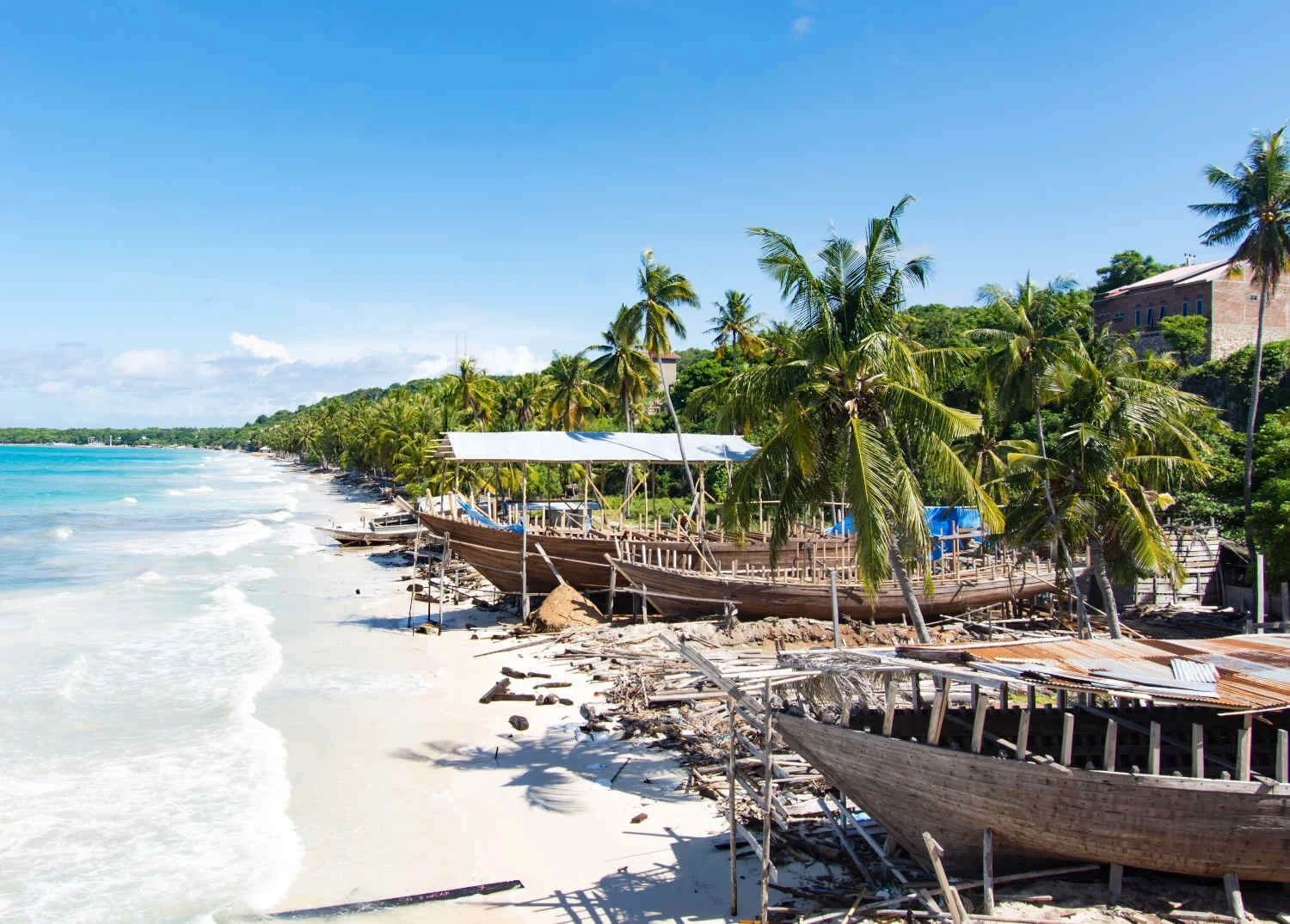
Sulawesi has fast mobile data in its cities and little or none in its remote corners. Makassar, Manado and most regional capitals have solid 4G. The Togean Islands, the Bada Valley, Hoga in Wakatobi and the interior of Lore Lindu have weak signal or none. Many of the island's best places sit in that second group, so plan your connectivity before you leave the city.
Quick answer
- Buy a Telkomsel SIM. It reaches further into the outer islands than any other network.
- At the time of writing, 25 to 50 GB for 30 days cost about €7 to €12.
- Download offline maps, a translation pack and your bookings before you head to the Togeans, Bada or Lore Lindu.
Coverage by area
| Level | Places |
|---|---|
| Full-speed 4G | Central Makassar and Manado; the South Sulawesi mainland, including Rantepao, Bira and the Makassar to Toraja highway; the North Sulawesi mainland (Manado, Tomohon, Bitung, the Tangkoko area); Palu and the main roads of Central Sulawesi |
| 4G that works but drops | Villages around Rantepao; regional capitals such as Kendari, Gorontalo and Mamuju; Bunaken Island; Wangi-Wangi, the gateway to Wakatobi |
| Weak 3G or less | The Togean Islands (some signal on Kadidiri, little elsewhere); Hoga in Wakatobi; the Banggai Islands; the Lore Lindu interior; Bajau stilt villages; the Sangihe and Talaud islands; the Bada Valley |
| No signal | Trekking camps inside Lore Lindu; the smaller Togean villages; ferries in open water; most remote Bajau stilt settlements |
Choosing a network
Telkomsel is the right choice for about 95% of foreign visitors. It has the widest reach in the small islands and remote districts. Outside the big cities it is often the only network with any signal. It costs a little more than the others, and the gain in reliability is large.
XL Axiata works well in town and fades fast once you leave the main cities. It suits a traveller on a tight budget who stays mostly in Makassar and Manado.
Indosat Ooredoo sits in the middle. Its coverage is getting better, but it does not match Telkomsel in the outer islands.
Smartfren has little coverage in Sulawesi. Do not use it for travel.
Telkomsel data packages
These were the tourist packages at the time of writing. Check current prices when you buy.
- 25 GB valid for 30 days: about €7.
- 50 GB valid for 30 days: about €12.
- Unlimited for 30 days, with a fair-use limit: about €17 to €24.
For a two-week trip, 25 GB covers most people. Choose 50 GB if you make video calls or share a hotspot with a laptop. You can add credit at Telkomsel offices, at GraPari service points and in any convenience store.
Wifi where you sleep and work
- Large hotels: wifi is reliable and part of the room price. Some limit the speed of the free connection.
- Mid-range hotels: usually fine in the cities, less dependable in smaller towns.
- Homestays: it depends on the place. Homestays in Toraja and Bira often have usable wifi. Village homestays on Bunaken and in the Togeans seldom do, and where wifi exists it tends to cut out.
- Dive resorts: mid-range and upmarket resorts offer wifi in shared areas, and some in the rooms. The resorts on Wakatobi often connect by satellite, which is slow but works.
- Cafés: most speciality coffee shops in Makassar and Manado have usable wifi. They are a good place to answer email or change a flight.
Island by island: the remote stops
Togean Islands. Most homestays on Kadidiri get phone signal only in certain spots, such as the jetty or a raised point behind the buildings. Wifi is uncommon and often runs for one or two hours in the evening. Expect to be offline.
Hoga, Wakatobi. Telkomsel reaches a few places near the village. Most homestays have no wifi. Expect to be offline.
Bada Valley. Doda village has signal in one or two places, and it is not reliable. There is no wifi. You will be offline for several days.
Lore Lindu interior camps. There is no signal and no wifi at all.
Bunaken village. Phone signal works across most of the village. A few homestays have wifi.
Wangi-Wangi, Wakatobi. Coverage is typical of an Indonesian regional capital, and hotels have wifi.
Get ready before you lose signal
- Cache maps. Before you go, save Google Maps areas for the Bada Valley, Lore Lindu and the Togean Islands. Offline Google Maps gives directions but cannot search.
- Add Maps.me. This offline map app helps on footpaths that Google does not show.
- Download Indonesian for Google Translate. The offline language pack is essential where there is no signal.
- Store your bookings. Keep a PDF or a screenshot of every ticket and hotel booking, including ferries, on the phone.
- Load entertainment. Podcasts, films and audiobooks help on long ferry trips and quiet evenings.
- Check your banking apps. Some Indonesian banking apps show your balance offline, which helps you track spending.
Remote work in Sulawesi
In Makassar and Manado, remote work is realistic. Café wifi, hotel wifi and Telkomsel 4G are all dependable. With a good base, you could combine a 30-day trip through Wakatobi, Bunaken and Manado with remote work.
In the outer areas, it is not. The Togeans, the small Wakatobi islands and the Bada Valley will defeat any serious work schedule.
A pattern that works: stay in Makassar or Manado for working weeks. Go offline on trips of four to seven days to the outer areas, then come back.
Co-working spaces are few but increasing. Makassar has a couple near the Boulevard. Manado has one close to Pasar 45. Neither city is close to Bali or Bangkok for this.
Safety when you go offline
- Give your itinerary to someone who is not on the trip.
- Carry paper copies of hotel addresses, emergency contacts and insurance details.
- Agree the points where you will have signal again and can message home.
- Know where the nearest hospital is, especially on a dive trip. Manado has the regional hyperbaric chamber. The main hospitals for South Sulawesi are in Makassar.
The days without a connection are part of what a Sulawesi trip gives you. Plan for them instead of fighting them, and the trip goes better.